

As Christmas approaches on 25th December for much of the world, let us turn our attention to Ethiopia, a nation where Christmas or Ganna, as it is called, is celebrated on 7th January. But Ganna isn’t just a festive day on the Ethiopian calendar. It’s a powerful reminder of Africa’s central role in the origins of Christianity and a celebration of the rich traditions that thrive to this day.
Have you ever considered how Christianity is often depicted as a European religion? Let’s challenge that. Ethiopia was among the very first nations in the world and the first in Africa to embrace Christianity as its state religion in the 4th century, centuries before Europe. The Kingdom of Aksum’s early conversion under King Ezana positions Ethiopia not at the margins of Christianity but at its core. Isn’t it time we decolonised our understanding of the faith?
Ethiopia: A Cornerstone of Christianity
Ethiopia’s Christian history is extraordinary. While much of Europe was still practising pagan traditions, the Kingdom of Aksum boldly adopted Christianity as its official state religion. This monumental decision came long before the Roman Empire’s full conversion and even longer before the spread of Christianity to the UK. Aksum’s choice reminds us that Africa was a leader in shaping the Christian world, not a passive recipient.
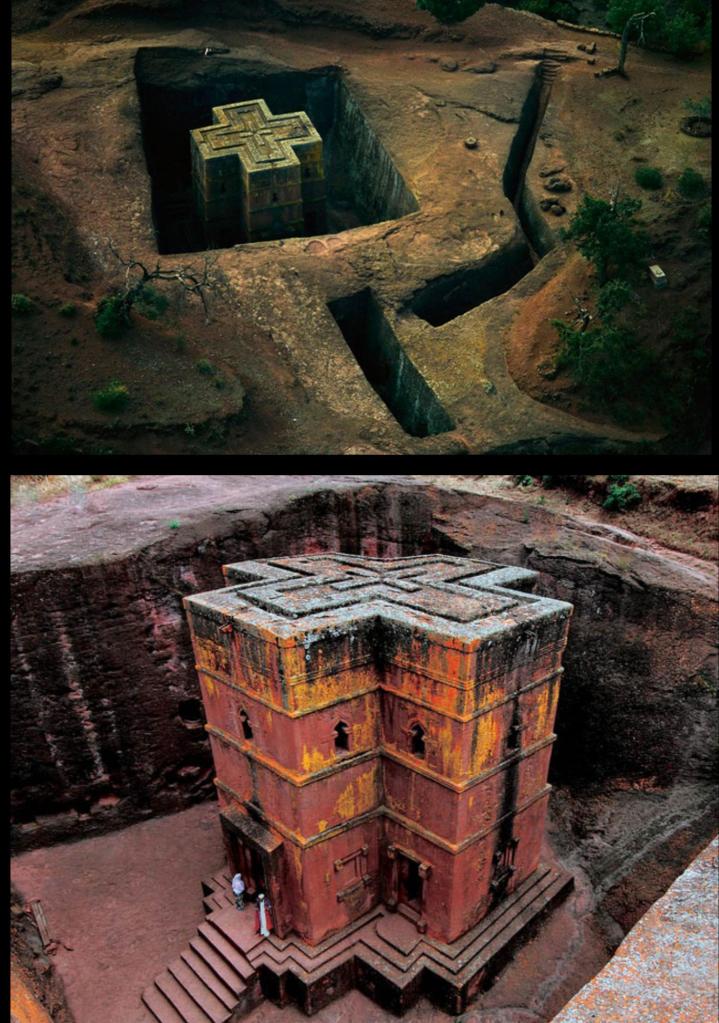
The legacy of this decision can be seen in the breathtaking rock-hewn churches of Lalibela, carved into the earth during the 13th century. These 11 churches, now UNESCO World Heritage Sites, stand as enduring symbols of African ingenuity, faith, and resilience. They are also the heart of Ethiopian Christmas celebrations, where pilgrims gather to chant, pray, and celebrate through the night.
When we celebrate Ethiopia’s Christian heritage, we centre Africa in a story too often dominated by European narratives. It’s an act of reclaiming, of embracing the truth that Christianity’s history and future belong to everyone, especially Africans.
When and How is Ethiopian Christmas Celebrated?
Ethiopian Christians mark Christmas on 7th January, aligning with the 29th day of Tahsas in the Ethiopian Ge’ez calendar. The day is entirely focused on faith, community, and spiritual renewal, with no Santa Claus or gift-giving in sight.
The celebrations are preceded by a 40-day fasting period known as the Fast of the Prophets (Tsome Nebiyat), during which many abstain from meat, dairy, and alcohol. On Christmas Eve, families prepare for the feast by bringing home live chickens or meat. Imagine the excitement in the streets as neighbours gather to exchange greetings and prepare for the holy day ahead.
On Ganna Day itself, Ethiopians don their finest Shamma or Netela, white cotton robes with colourful ends, and attend church services. Worshippers light candles to symbolise the Star of Bethlehem and participate in processions, prayers, and Holy Communion. This day of devotion sets the tone for 12 days of festivities filled with dance, music, and cultural pride.

The Feast and Coffee Ceremony
After weeks of fasting, the Christmas feast is a joyful celebration of togetherness. At the centre of the meal is wat, a rich, spicy stew served with injera, Ethiopia’s iconic spongy flatbread. This communal way of eating — tearing off pieces of injera to scoop up the stew — reflects the unity and hospitality at the heart of Ethiopian culture.
But the highlight of any Ethiopian celebration is the coffee ceremony, a ritual steeped in tradition. Fresh coffee beans are roasted before being brewed and served in small cups. The ceremony isn’t just about the coffee; it’s a time for reflection, conversation, and connection. In Ethiopia, even something as simple as coffee becomes a meaningful act of togetherness and cultural pride.
Games and Celebrations: Keeping Tradition Alive
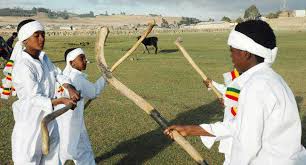
The joy of Ganna extends beyond the church and the dining table. Boys play a game also called Ganna, which resembles hockey and involves curved sticks and a wooden ball. This ancient game symbolises the shepherds who tended their flocks on the night of Christ’s birth.
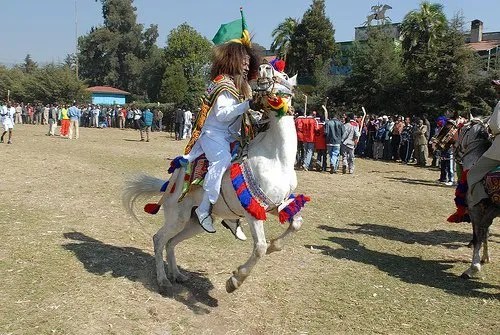
Another thrilling tradition is Yeferas Guks, where men on horseback throw ceremonial lances in displays of skill and strength. These games, rooted in Ethiopian heritage, reflect the community’s pride in preserving its traditions while celebrating its faith.
Beyond Christmas: The Timkat Festival
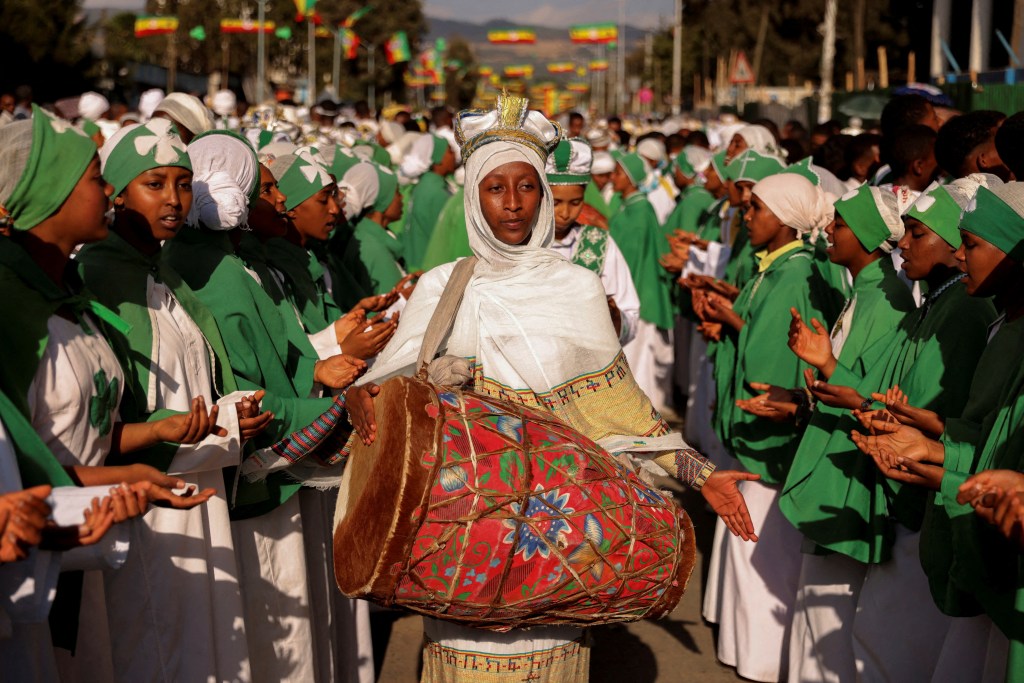
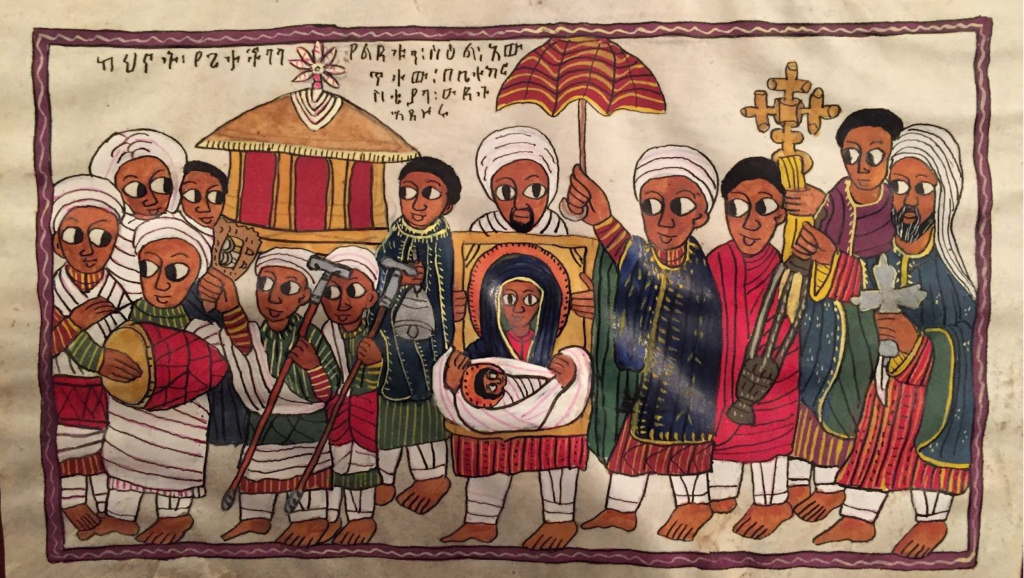
Ethiopian Christmas is only the beginning of the festive season. Shortly after Ganna, Ethiopians celebrate Timkat, a three-day festival commemorating the baptism of Jesus in the Jordan River. The highlight of Timkat is the procession of the tabot, a replica of the Ark of the Covenant, carried with reverence through the streets.
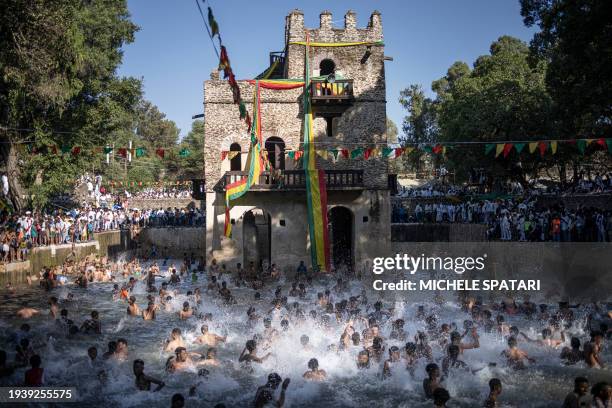
In Gondar, Timkat reaches its climax at Fasil’s Pool, where the water is blessed, and participants leap in to symbolise renewal. With vibrant music, dancing, and prayers, Timkat is a powerful expression of faith and cultural pride, further highlighting Ethiopia’s central role in the Christian world.
Decolonising Christianity and Celebrating Black Joy
Ethiopia’s Christmas traditions remind us that Africa has always been at the forefront of shaping global Christianity. Its early adoption of the faith challenges the narrative that Christianity is a Western religion. By celebrating Ethiopia, we reclaim a piece of African identity that colonial histories have often sought to erase.
At BLAM UK, we take immense pride in shining a light on the richness of African cultures. Ethiopia’s Christmas is not just a religious event; it’s a celebration of Black joy, resilience, and ingenuity. It reminds us that our stories, our traditions, and our heritage are to be celebrated, not marginalised.
So, as the festive season unfolds, we invite you to reflect on Ethiopia’s remarkable history. How can we honour the depth and diversity of African contributions to global culture? And how can we ensure these stories remain at the forefront of our collective consciousness?
Let’s celebrate Ethiopia, Africa, and the power of our shared heritage. Merry Christmas or, as they say in Ethiopia, Melkam Ganna!
 BLAM UK CIC