

In a world where cultural traditions are increasingly under threat, movements for resistance and preservation are more vital than ever. At BLAM UK, we stand in unwavering solidarity with the struggles faced by communities in Africa, the Caribbean, South America, and across the African diaspora. These struggles, rooted in a shared history of colonisation and ongoing inequality, call for collective action to challenge systemic oppression, reclaim cultural identities, and ensure that the stories of our communities are not lost to time.
Colonisation and Its Legacy: A Global Struggle
The scars of colonisation run deep. From the Caribbean islands to the African continent, the legacies of foreign rule continue to shape the realities of millions. Countries like Puerto Rico (U.S.), Martinique (France), Guadeloupe (France), Curaçao (Netherlands), and Bermuda (UK) remain tied to former colonial powers, grappling with economic dependence and the erosion of cultural practices. In Puerto Rico, the struggles of gentrification and displacement—highlighted powerfully in Bad Bunny’s album Debí Tirar Más Fotos—mirror the experiences of communities across the diaspora.
The track Lo Que Le Pasó A Hawaii delivers a particularly poignant critique of these shared struggles. Through vivid lyrics like “They want to take away my river and also my beach. They want my neighbourhood and for your children to leave”, Bad Bunny captures the devastation of gentrification, displacement, and cultural erosion.
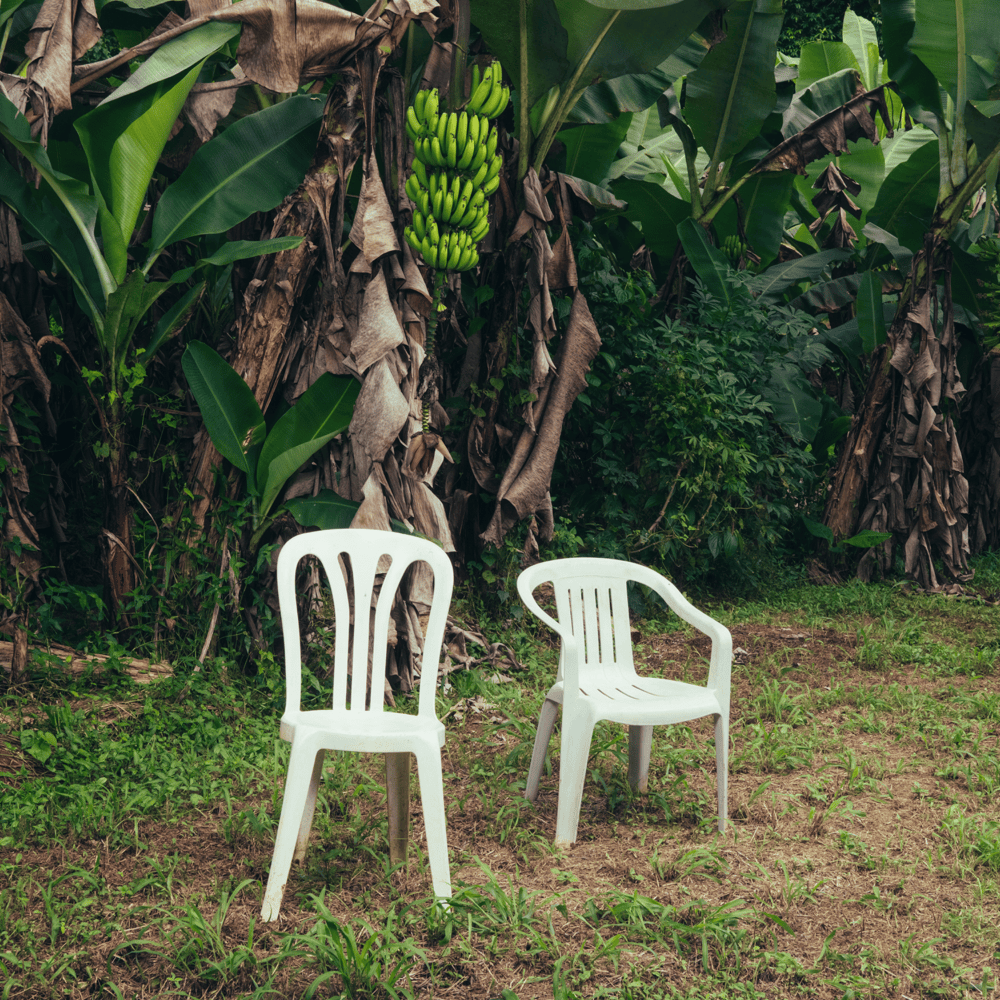
The song draws painful parallels between Puerto Rico and Hawaii, two islands rich in cultural heritage but deeply scarred by colonisation and exploitation. It is a rallying cry not just for Puerto Rico, but for the entire Caribbean and the broader diaspora, urging communities to resist the forces that threaten their lands, traditions, and identities.
Across the Caribbean, this message resonates. In Jamaica, for example, less than 1% of beaches remain accessible to the public due to land privatisation. Locals are often locked out of spaces vital to their livelihoods and leisure as resorts for wealthy tourists dominate the coastline. This shared struggle unites communities across the diaspora, reminding us that the fight for cultural preservation and justice is one we must face together.
Resistance Through Music: A Tradition of Defiance
Music has always been a powerful tool for resistance. In Debí Tirar Más Fotos, Bad Bunny revitalises Puerto Rican traditions like plena, a genre born from working-class struggles and African musical heritage.
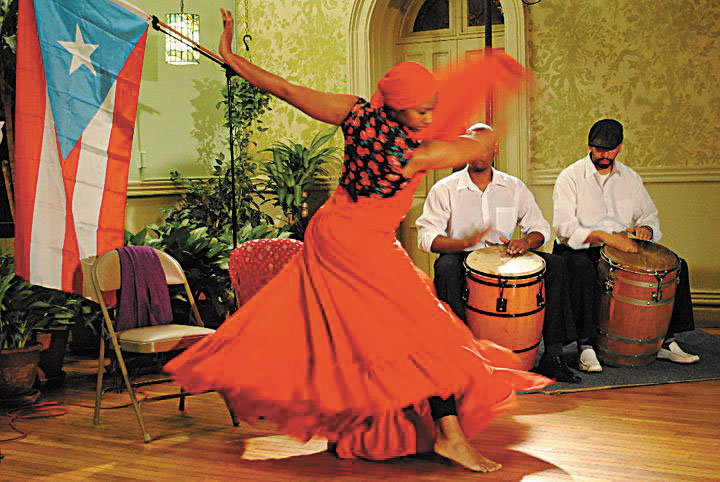
Historically, plena served as a voice for the oppressed, spreading news and challenging colonial power structures. By blending plena with reggaeton, Bad Bunny bridges the past and present, showcasing how heritage can inspire modern activism.
This tradition of resistance through music is not unique to Puerto Rico. Across the diaspora, artists have used their platforms to uplift marginalised communities and fight systemic oppression.
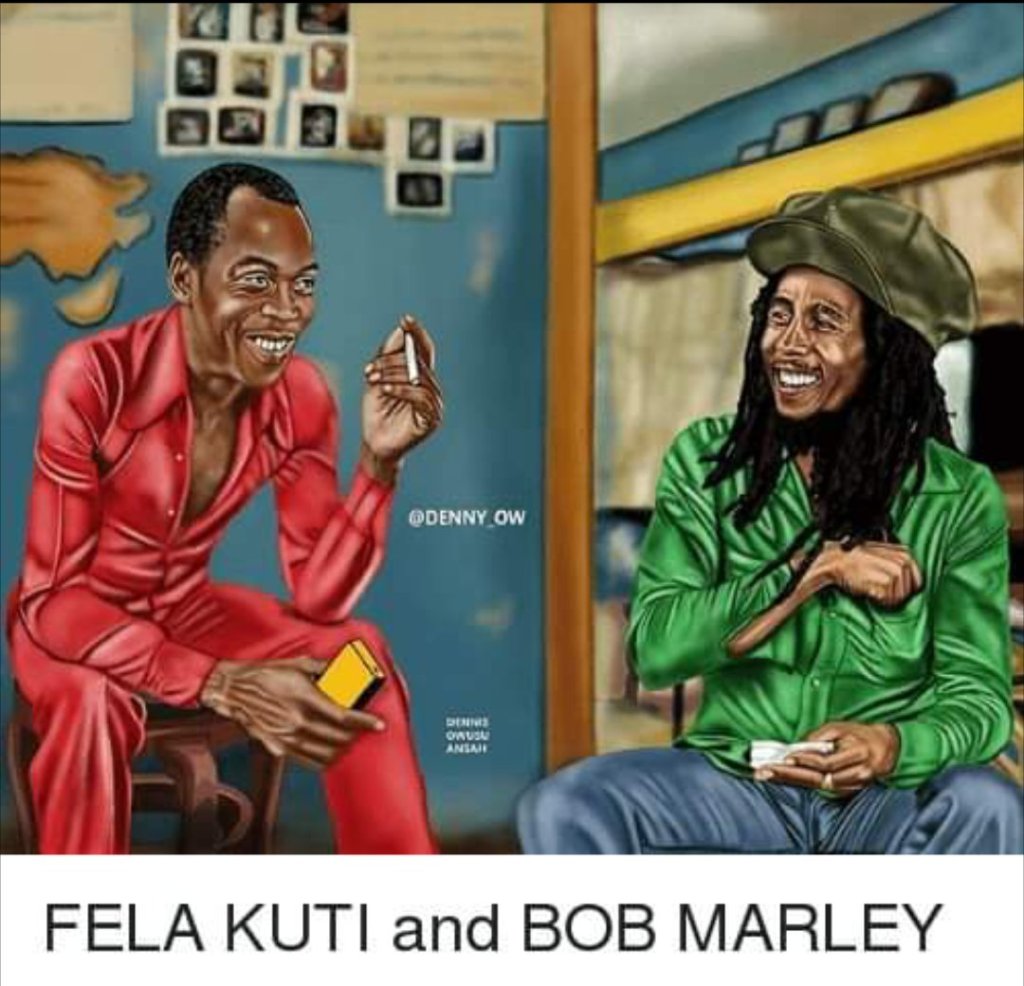
From Bob Marley’s Get Up, Stand Up to Fela Kuti’s Beast of No Nation, music has given voice to the voiceless, serving as both a form of cultural preservation and a catalyst for change.
Preserving Memories, Telling Our Stories
At the heart of cultural preservation lies storytelling—the act of remembering, documenting, and sharing experiences. Bad Bunny’s album title, I Should’ve Taken More Photos, speaks to the urgency of this task. Memories, like traditions, are fragile. They can fade under the weight of displacement, gentrification, and the pressures of modernity. But through music, film, and community activism, we can resist this erasure.
The struggles faced by Puerto Rico, Jamaica, and countless other communities are not isolated—they are interconnected. From the privatisation of beaches in the Caribbean to the displacement of communities in Africa and the fight for indigenous land rights in South America, the forces of exploitation and inequality know no borders.
BLAM UK stands with these movements, championing the resilience of the African diaspora and advocating for the preservation of our shared cultural heritage. By challenging inequality and celebrating the richness of our traditions, we can create a future where no community is left behind.
 BLAM UK CIC