
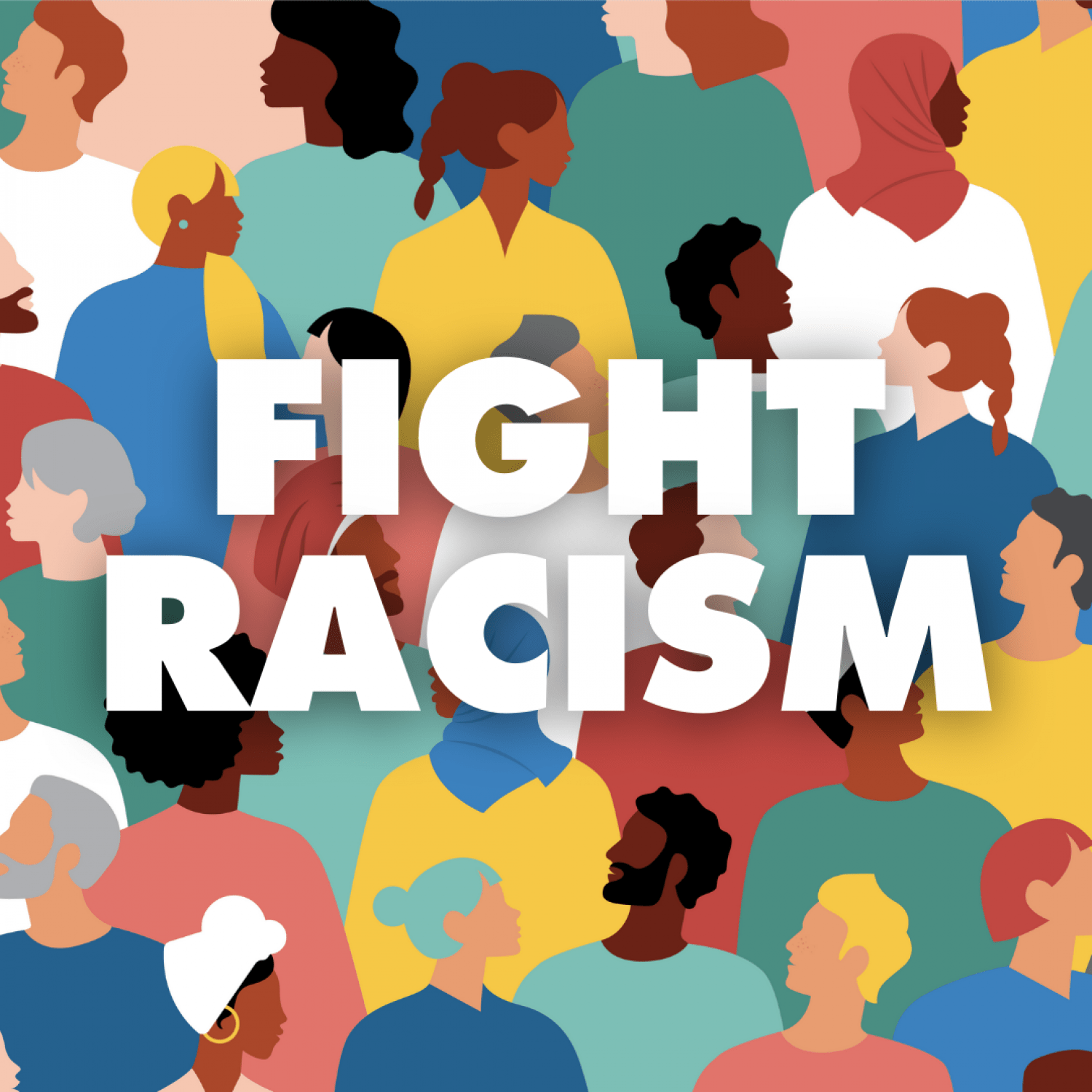
Today, we recognise the global struggle against racism, especially anti-Black racism, and demand that governments take real and meaningful action to end it.
This day is a call to action. A call to build a world where Black communities live free from racism, discrimination, and oppression. A world where we can live in dignity, with justice, equity, and liberation at the core of society.
The History Behind This Day
On 21 March 1960, in Sharpeville, South Africa, police opened fire on a crowd of peaceful Black protestors who were resisting apartheid “pass laws.” These laws were used to control and restrict the movement of Black people in their own land.
Sixty-nine Black lives were taken that day. Many more were injured. The massacre in Sharpeville became a symbol of the brutality of apartheid and the high cost of Black resistance.
In 1966, the United Nations declared 21 March the International Day for the Elimination of Racial Discrimination, born from the struggle to end apartheid. It was a global call to confront and end all forms of racial discrimination.
Racism Has Evolved, But It Has Not Gone
Racial discrimination today may not always look like apartheid or segregation, but it is still deeply systemic and structural. It is a direct legacy of slavery, colonialism, and apartheid. Although these violent systems were formally abolished, the racist structures they created have never been dismantled. They still shape laws, institutions, and everyday life.
From over-policing, health inequalities, and economic exclusion, to discrimination in education and the workplace, Black communities are still denied equality and justice. These inequalities are not accidental. They are the ongoing impacts of historic racial injustices.
Racism and Hate Are Rising – The World Must Respond
Today we are witnessing a disturbing rise in anti-rights and racist rhetoric around the world. In some countries, the very idea of anti-racism is under attack.
In the United States, the Trump administration led assaults on diversity, equity, and inclusion efforts. These attacks are not isolated. They are part of a wider rollback of racial justice efforts and a refusal to address systemic racism.
In the United Kingdom, we are seeing this too. In 2024, white racist mobs rioted across the country, spreading fear and hate. At the same time, we see powerful individuals like Frank Hester, who donated £10 million to the Conservative Party, publicly spewing anti-Black hate. Hester said that seeing Diane Abbott, Britain’s longest-serving Black MP, on television made him “want to hate all Black women.” The fact that someone with such vile views holds influence in politics is unacceptable.
These examples should serve as a wake-up call to governments everywhere. Racism is not just a social issue. It is a crisis of human rights. Governments have a duty to protect people from racial hatred and discrimination. Yet too many are failing to act.
What Should Governments Be Doing?
Governments must take anti-racism seriously. It is not enough to make statements or celebrate this day once a year. Anti-racism must be mainstreamed in all policymaking to ensure equity, equality, and non-discrimination in every part of society.
But for anti-racism to be genuine and lasting, governments must go further. They must redress the ongoing impacts of racism’s historic legacies. This means:
- Reparations for slavery, colonialism, and exploitation
- Decolonisation of institutions, education, and global systems
- Dismantling structures of systemic racism in policing, healthcare, housing, and beyond
Until these steps are taken, racial inequality will remain. Justice requires action. Liberation demands repair.
BLAM UK – We Stand for Truth, Justice, and Black Liberation
At BLAM UK, we stand in truth. We fight for justice. We are unapologetically Black and committed to building a future where Black communities are free, safe, and thriving.
Today, we honour those who resisted, those who continue to fight, and those who dream of a better world. We call on everyone, especially those in power, to act now. Eliminating racial discrimination means transforming society at every level.
The time for words has passed. We demand justice, we demand reparations, and we demand freedom.
 BLAM UK CIC