

Sadia Kabeya, a 23-year-old flanker for England’s Red Roses, is a rising star on the rugby pitch. She’s also the inventor of a groundbreaking satin lined scrum cap, a simple yet powerful innovation born of Black cultural wisdom. In a sport long dominated by white men, Kabeya’s creation stands out as a beacon of Black innovation, protection, and self-expression.
Protecting Black Hair on the Rugby Field.
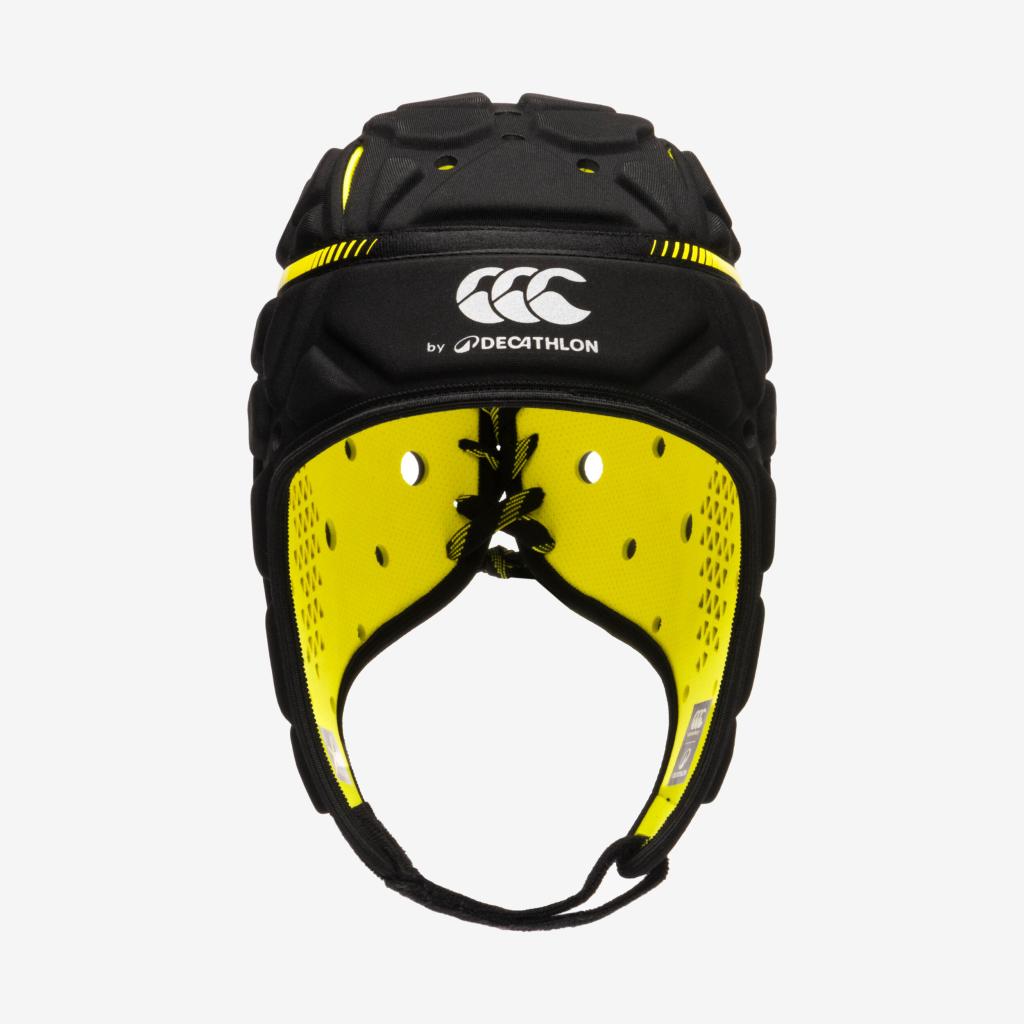
Kabeya’s idea for a satin-lined scrum cap came from a problem she knew all too well. As a Black woman in rugby, she found that standard scrum caps weren’t designed for afro-textured hair. Wearing them over braids or curls often led to painful rubbing and hair breakage
Back in her mostly Black school team, girls would simply wear headscarves under their caps for protection. But in the wider rugby world, that kind of safeguard wasn’t available.
To solve this, Kabeya collaborated with a sports manufacturer to line a scrum cap with satin. Black women have long used satin bonnets and scarves at night to protect their hair from friction.
The satin lining dramatically reduces friction on coils and curls, preventing the “wear and tear” rough fabrics can cause, and also helps hair retain moisture to avoid brittle strands
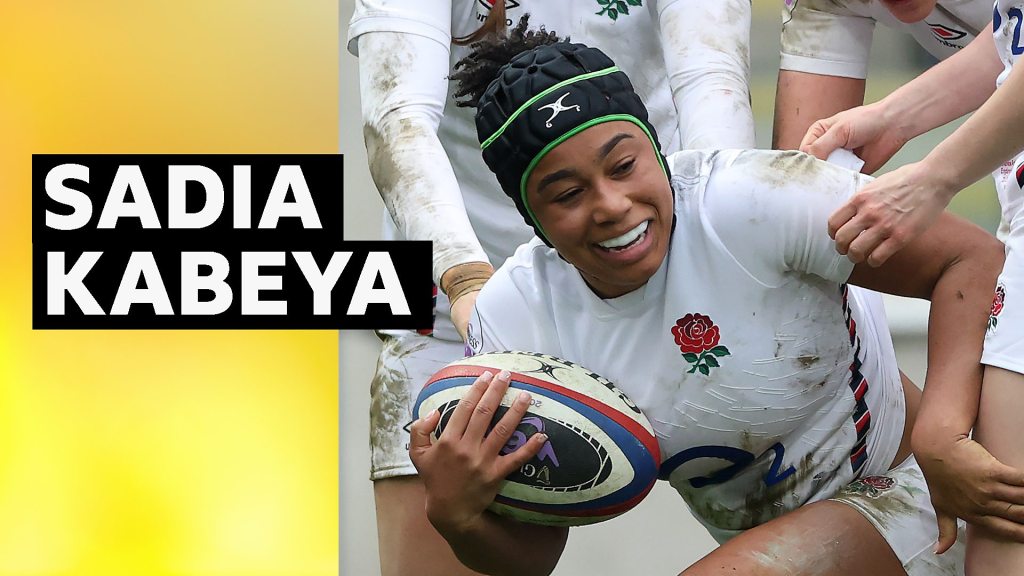
With this extra layer inside, Black players can focus on the game without worrying about their hair. It’s a simple addition that acts like armour for our crowns – preserving both beauty and confidence on the field.
Black Innovation and Representation
At the elite level, Black women remain few and far between, and many have felt overlooked. Kabeya is one of the new voices changing that. By creating equipment for Black hair, she sends a message that rugby can embrace us exactly as we are.
The impact goes beyond current players. Kabeya noted early on that a scrum cap for afro hair might help more Black girls stick with the sport. Seeing a top player prioritise Black hair sends a powerful signal of representation and encouragement. “I would have loved to have seen this when I was 12 or 13,” Kabeya said, reflecting on how validating it is to have someone who “felt the same way” about these struggles

Now she gets to be that role model. Young Black girls can watch an England international wearing a cap designed with them in mind – a visual reminder that they belong in rugby and that their needs matter.
Notably, this project was a by us, for us innovation. Kabeya worked with fellow Black teammates and drew on Black hair-care traditions, claiming space in a sport where Black voices have often been sidelined. As she puts it, “even though it’s such a niche thing for the community, it’s a huge thing for the diversity of the game”. In a historically white, male-dominated arena, a Black woman’s invention is improving the game.
A Symbol of Community and Pride
Today, Kabeya’s satin-lined scrum cap stands as a symbol of care, resistance, and celebration. It represents care by showing that Black athletes shouldn’t have to neglect their well-being to play the sports they love. It embodies quiet resistance by challenging the status quo – instead of Black women conforming to rugby, rugby is adapting to Black women. And it’s a celebration of Black identity: blending a satin bonnet into sporting gear is a joyful union of culture and sport.
The response has been uplifting. Since Kabeya went public with her idea, companies have reached out about making satin scrum caps widely available. Teammates and fans applaud how this invention is knocking down barriers to inclusion in rugby. For the Black community, Kabeya’s scrum cap is a visible reminder that Black joy and excellence belong in every arena.
Kabeya’s journey proves that when we create space for ourselves, we create change for everyone. Her satin scrum cap is already inspiring others to step onto the field with heads held high. This is our game too and we wear our crowns with pride.
 BLAM UK CIC