
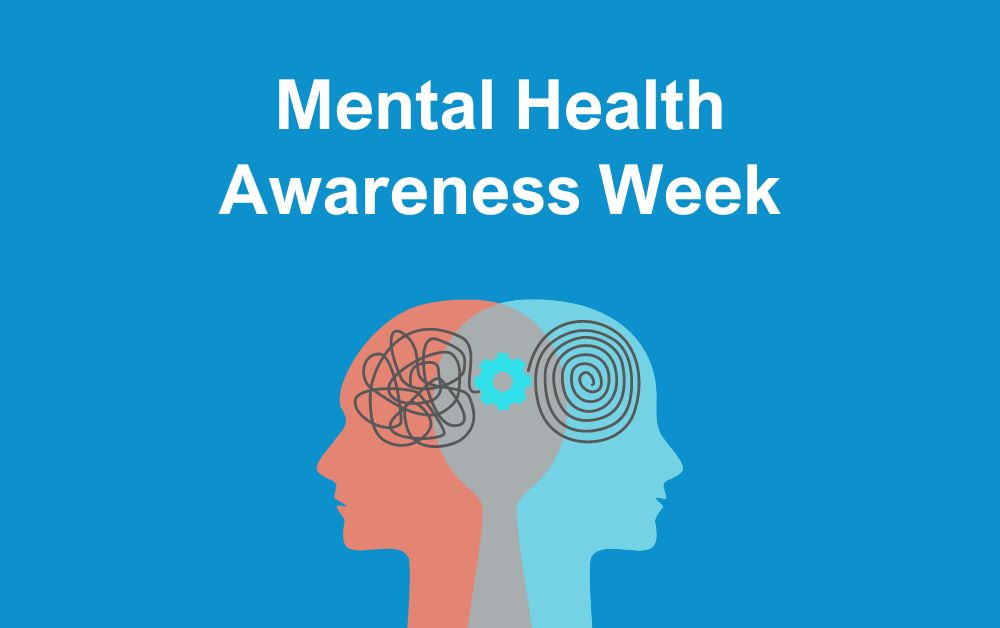
Every year the Mental Health Foundation’s Mental Health Awareness Week (12–18 May 2025) spotlights a theme. This year, the focus is “community”, celebrating the power of connection and support. Communities give us belonging, purpose and safety – everything our mental well-being needs
But as we come together this week, we must also confront forces that harm our community. One of those is racism. In particular, anti-Black racism inflicts deep psychological wounds on individuals and entire communities. In the words of the Mental Health Foundation, “racism is a mental health issue because racism causes trauma”.
Decades of research confirm that repeated exposure to racism – from insults and microaggressions to structural discrimination – produces chronic stress, anxiety, depression, even post-traumatic stress. As Stop Hate UK notes, experiencing racism is strongly linked to poor mental health outcomes like depression, stress, anxiety and PTSD, and even the fear of racism can itself be harmful.
BLAM UK’s new report makes this painfully clear: 84% of Black people surveyed said they had faced racism in school, 74% had been subjected to racist “jokes” or banter, and roughly half said these experiences damaged their mental well-being. It is no surprise that many Black students report feeling constantly on guard, anxious, even depressed in school settings.
In a system still steeped in colonial biases, classrooms too often teach ignorance and inflict trauma. Black history is sidelined or reduced to a narrative of oppression, and policies frequently punish Black children by policing their hair, language or culture; instead of protecting them. These forms of everyday racism accumulate, chipping away at self-esteem and sense of safety.

The reality is that racism doesn’t stay in school: it echoes in our politics and media too. Earlier this week, Prime Minister Keir Starmer warned that Britain risks becoming “an island of strangers” without strict immigration controls
Many listeners were shaken by that phrase and not just because of its timing. It echoes Enoch Powell’s infamous 1968 “Rivers of Blood” speech, in which he warned that whites would become “strangers in their own country” if Britain did not curb immigration.
Powell’s speech was immediately condemned as an “appeal to racial hatred”, and he was sacked from the shadow cabinet soon after. Yet the toxic language he used did not disappear; it helped normalise the idea that immigrants (often coded as Black or brown people) are an existential threat.
In 2025, hearing a Labour prime minister repeat the “island of strangers” trope feels like stepping into history’s darkest shadow. It retraumatises many Black Britons by reviving a narrative of exclusion and danger.

Every reference to migrants as invaders, or Black communities as outsiders, signals to Black listeners that they are suspect in the eyes of the nation. This fear can linger long after the words are spoken, fuelling stress, hyper-vigilance, and a sense of not belonging. In Mental Health Awareness Week, we must name this harm: racism and racist rhetoric contribute to a kind of racial trauma.
At BLAM UK, we are committed to providing culturally relevant support for Black communities across the UK. Our Zuri Therapy workshops offer a space for Black clients to heal racial trauma with Black therapists. Additionally, we run a unique event that combines self-defense classes with Space Space Hub, offering both empowerment and well-being through physical and creative expression. We also advocate for change in schools by conducting anti-racism training for teachers and organisations, helping to create inclusive and supportive environments. At BLAM UK, we believe in the power of community and collective action to heal, resist, and overcome the impacts of racism.
In this week of reflection, let’s channel awareness into action. Read and share BLAM UK’s report Eradicating Anti-Blackness in the UK Education System, which lays bare how schools fail Black students and calls for urgent reform. Support the campaign for a decolonised curriculum – one that teaches Black history across subjects, not just in one month. Back calls for mandatory racial-literacy training for all teachers and an end to racist school policies. Most of all, stand up against racism wherever you see it – in conversation, in policy, in daily life.
Mental Health Awareness Week is about connection, but connection means confronting hard truths. Racism disrupts the community and damages mental health. By acknowledging this, by listening to those who suffer it, and by strengthening our bonds of support, we can begin to heal. Together, as a caring and connected community, we can turn the tide on racism and protect the mental well-being of everyone. Read BLAM UK’s report, share its findings, and help build the inclusive, anti-racist schools and society that we all deserve.
 BLAM UK CIC