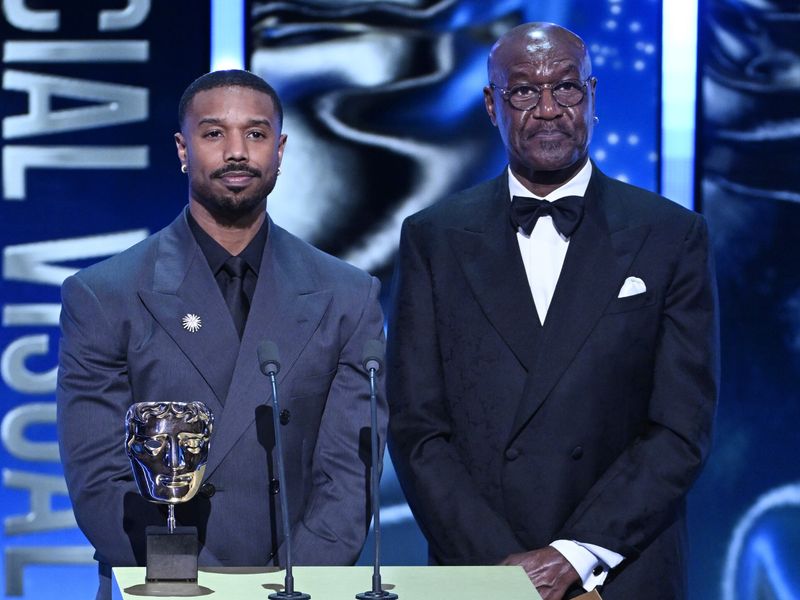
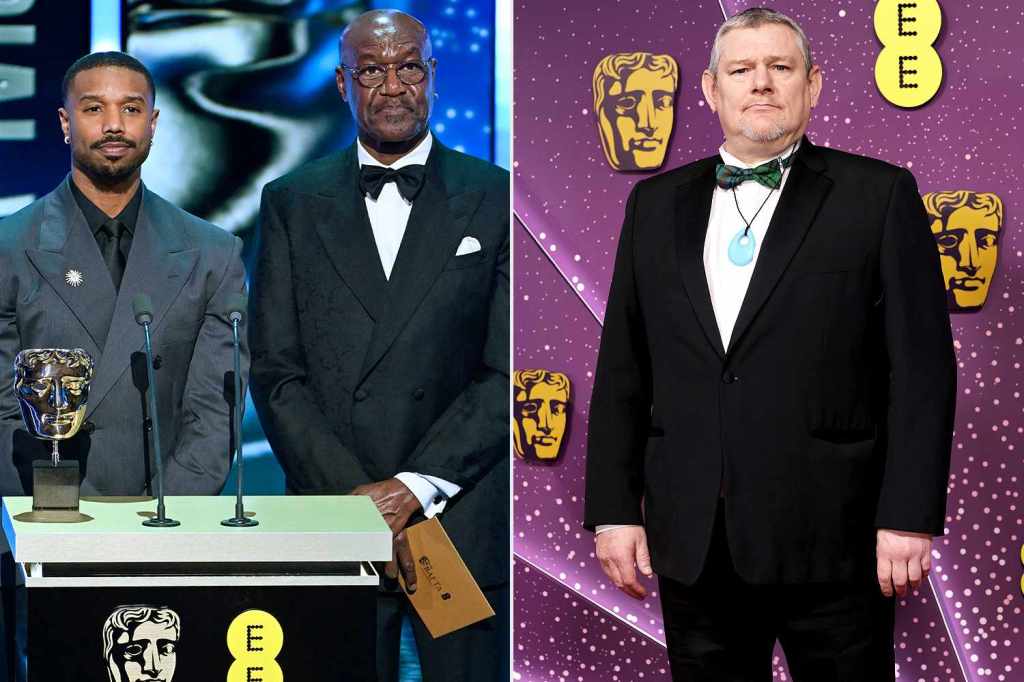
On 22 February 2026, the BBC broadcast the BAFTA Film Awards from the Royal Festival Hall. During the ceremony, Michael B. Jordan and Delroy Lindo were presenting when an audience member, John Davidson, audibly shouted an anti Black racial slur as part of an involuntary Tourette syndrome tic.
It matters to say this with care. Tourette syndrome is real. Involuntary tics are real. Yet harm is still harm when millions hear a slur in their living rooms. The editorial question is not whether the tic was intentional. It is why a broadcaster with time to edit still broadcast the slur at all.
Did you know there was a two hour window to protect viewers
Did you know the ceremony began at around 5pm, but the television broadcast began at 7pm. That means the programme was not live television in the simplest sense. It was a delayed broadcast with an edit window.
That same broadcast was also edited down from roughly three hours to a two hour slot. So decisions were being made about what stays in, what comes out, and what gets treated as urgent.
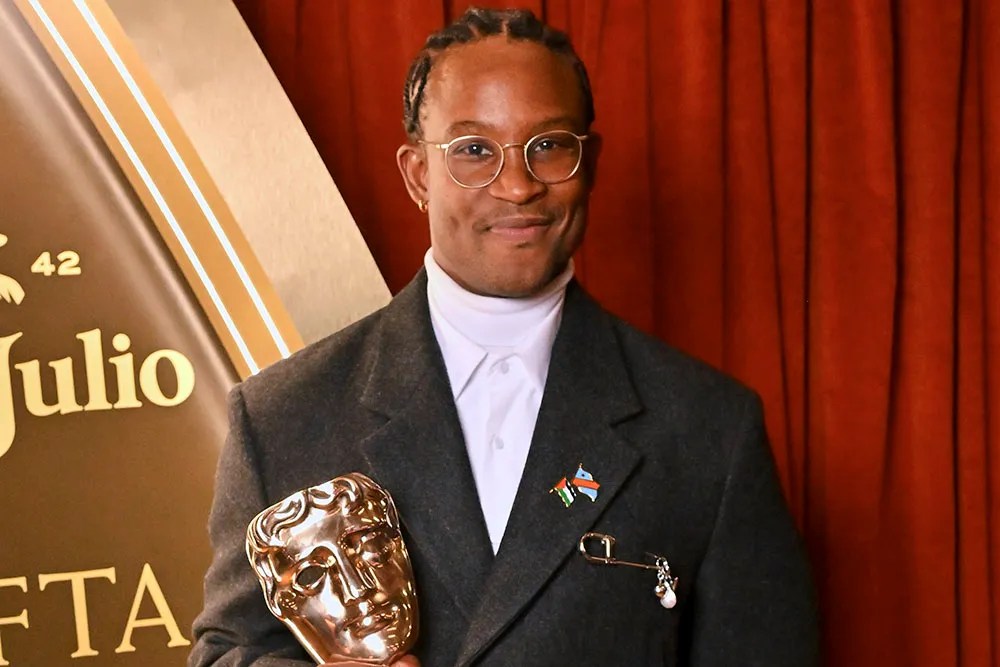
Here is where selective urgency becomes visible. Reporting confirmed that part of an acceptance speech by Akinola Davies Jr that included the words Free Palestine was removed from the broadcast.
We cannot honestly present motive as fact, because the broadcaster has publicly pointed to practical editing constraints in coverage. But we can still name the political meaning audiences read into the outcome. Palestinian solidarity was treated as removable content, while anti Black harm was treated as survivable background noise. That is interpretation, but it is interpretation rooted in the pattern of what institutions repeatedly choose to protect.
This is not the first time the N word has appeared on British screens
This is not an isolated editorial accident. In 2020, the Ofcom assessed a BBC regional news report that included the N word spoken in full in pre recorded packages. Ofcom stated that the use of highly racially offensive language in full was unjustified in that context, even though it did not pursue further investigation because the BBC had already taken action.
That same incident triggered mass complaints and eventually a public apology by BBC leadership after initial defence.
So when Black viewers say we are tired, we are not being dramatic. We are tracking a history of being asked to absorb trauma for someone else’s editorial framing of context, education, realism, or authenticity.
The law can name some harms clearly and still leave others vague
Under the Equality Act 2010, harassment related to race is unlawful when it has the purpose or effect of violating dignity or creating a hostile, degrading, humiliating, or offensive environment.
So why does broadcast culture still treat anti Black abuse as a debate instead of a clear breach of dignity. That is partly an institutional habit, but it is also about what gets named and operationalised.
The UK Government formally adopted the International Holocaust Remembrance Alliance working definition of antisemitism in 2016, and government guidance and parliamentary material repeatedly stress the definition is non legally binding, a tool rather than a statute. The IHRA text itself also states that criticism of Israel similar to that levelled against any other country cannot be regarded as antisemitic.
Did you know there is no equivalent UK wide, government adopted working definition named anti Black racism, even though race discrimination is covered in law. You can find definitions in local and organisational frameworks, but the absence of a shared national working definition is not neutral. It shapes what feels enforceable, legible, and urgent.
This is bigger than one broadcast
The point is not that only one broadcaster is failing. It is that anti Blackness is structurally normalised across British life.
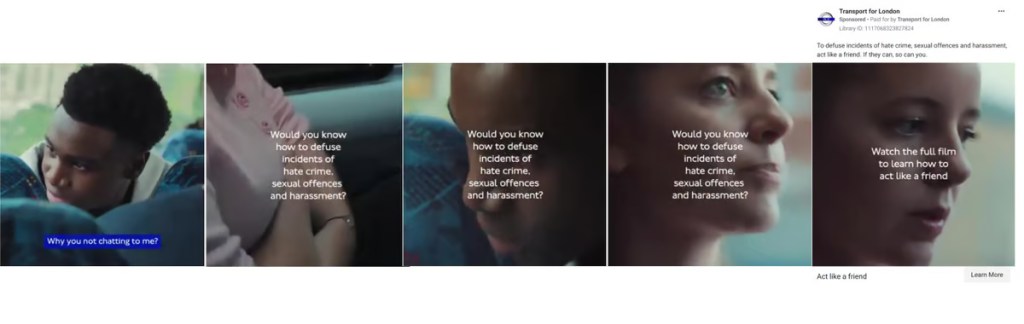
In February 2026, Transport for London had a social media advert banned by the Advertising Standards Authority because it reinforced a harmful racial stereotype linking Black boys with threatening behaviour.
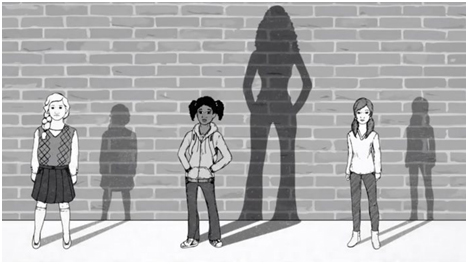
In schools and policing, adultification bias has been repeatedly documented, where Black children are perceived as older, less innocent, and more culpable, with serious consequences.
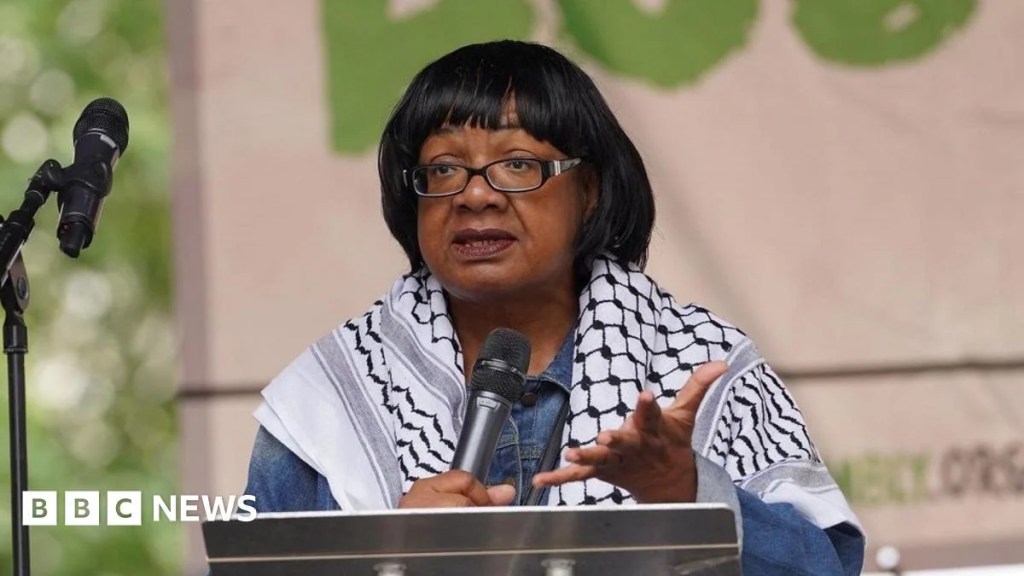
In politics, Diane Abbott has faced disproportionate racist and misogynistic abuse, including findings that she received an extreme share of abusive messages compared with other women MPs.
Black radical thought teaches us to read moments like this not as a one off glitch, but as encoded institutional practice. Stuart Hall reminded us that media is not just reflecting reality, it is producing meaning through decisions made at every stage of production. That is why an apology without change can feel like manipulation. The mechanism stays intact.
What Black communities are demanding is simple. Never broadcast the slur. Never treat our dignity as optional. Publish what failed in the compliance chain, and what will be changed before the next delayed broadcast.
 BLAM UK CIC