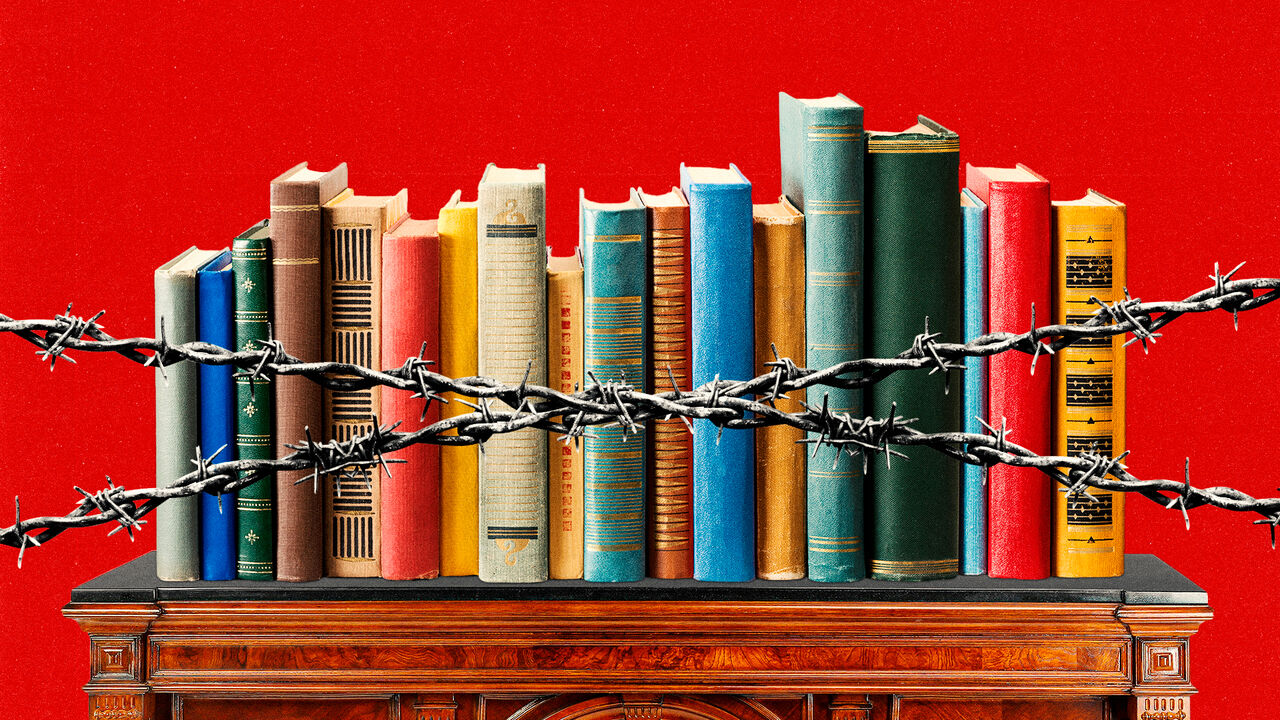
A quiet act of censorship unfolded in a school library in Greater Manchester. A headteacher objected to a single title and within weeks more than one hundred thirty books were pulled off the shelves. It was an unprecedented move in the United Kingdom and it exposed how quickly fear and misinformation can erase voices from a public space that should belong to all of us.
Among the targeted titles were Nova Reid’s The Good Ally, Dean Atta’s Black Flamingo, Reni Eddo Lodge’s Why I am No Longer Talking to White People About Race, Bernardine Evaristo’s Girl Woman Other, Michelle Obama’s Becoming and Chimamanda Ngozi Adichie’s We Should All Be Feminists. These books speak to the complexity of Black identity, racism, feminism and joy. Removing them does not protect young people; it denies them the language to understand their own lives and histories. Each text is an entry point into a world where Black girls can see themselves reflected and where boys from diaspora backgrounds know that their experiences are valid. Their absence tells a story of erasure.
Reading as resistance and belonging
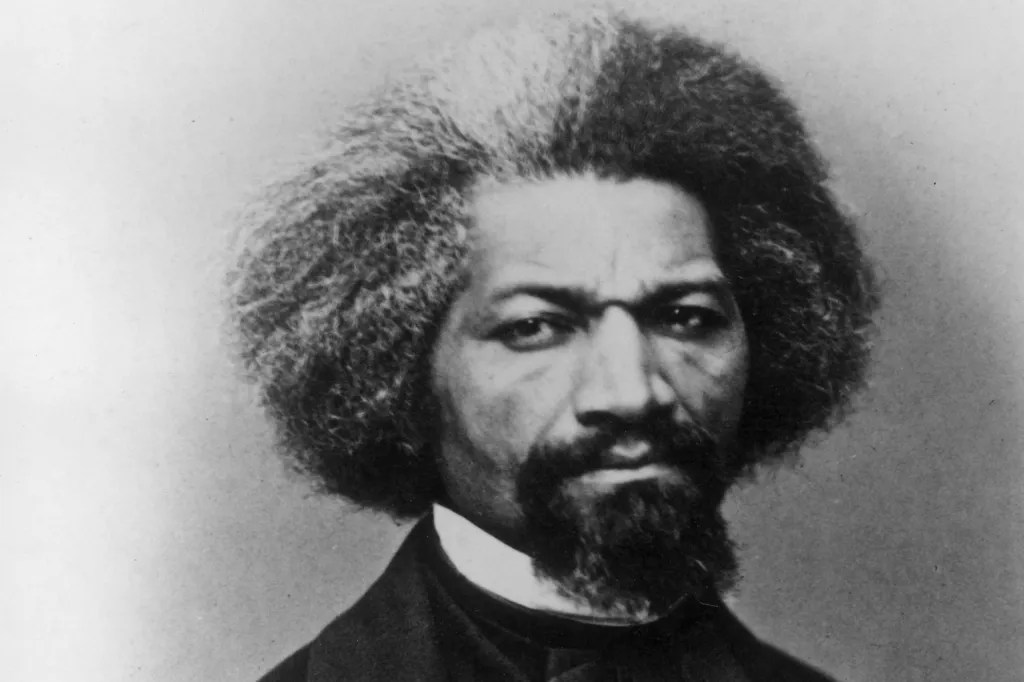
Reading has long been an act of resistance for Black people. Frederick Douglass famously wrote that knowledge unfits a child to be a slave. Enslaved Africans in the Americas were punished for learning to read because literacy was a pathway out of bondage. Today when authorities remove books by Black authors they reproduce the logic that kept our ancestors illiterate. Reading is not only a method of self improvement; it is a communal practice that builds belonging. For Black communities in Britain each book is a bridge connecting the diaspora to our histories and struggles. When we read stories by authors like Reid and Evaristo, we learn that our experiences matter and that they fit within a larger narrative of resistance.
Bogle L’Ouverture: publishing as protest
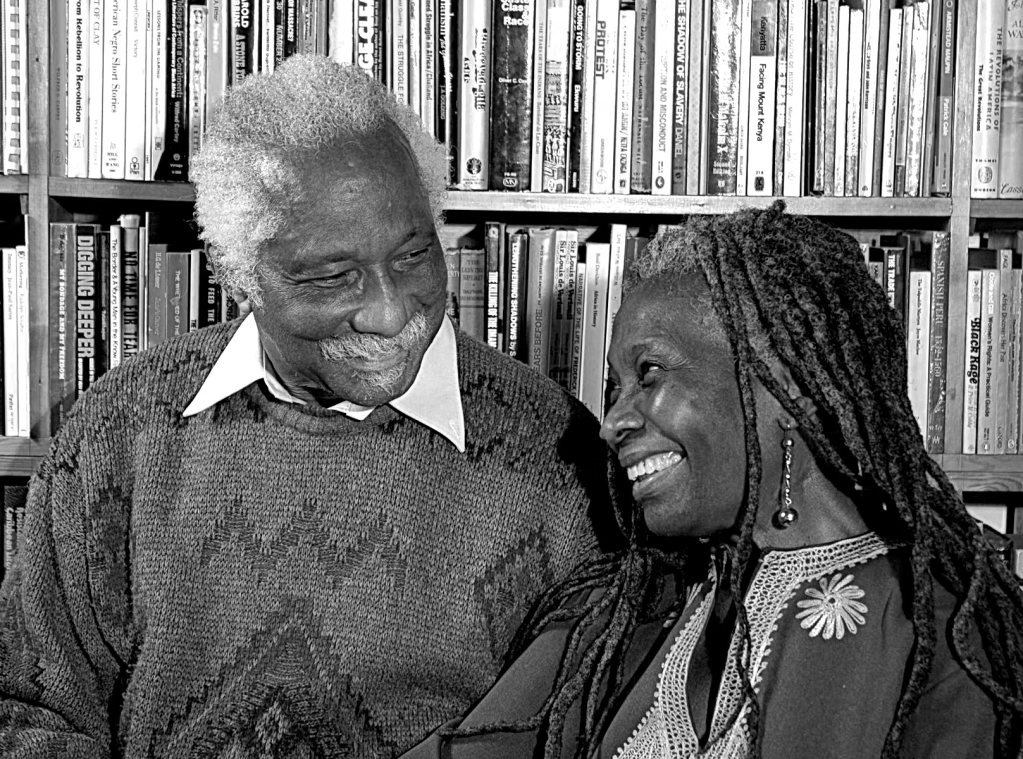
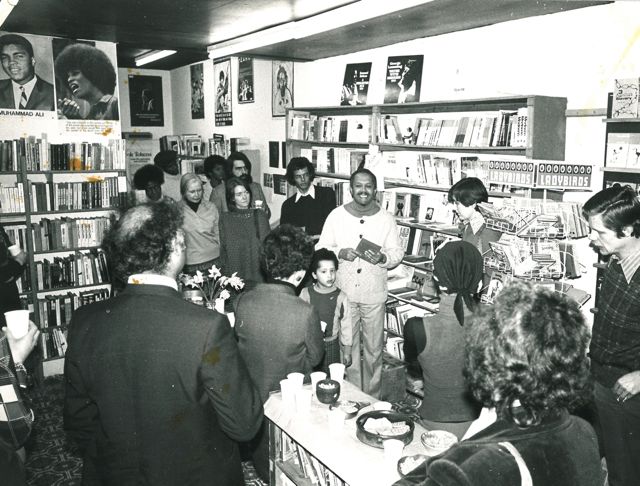
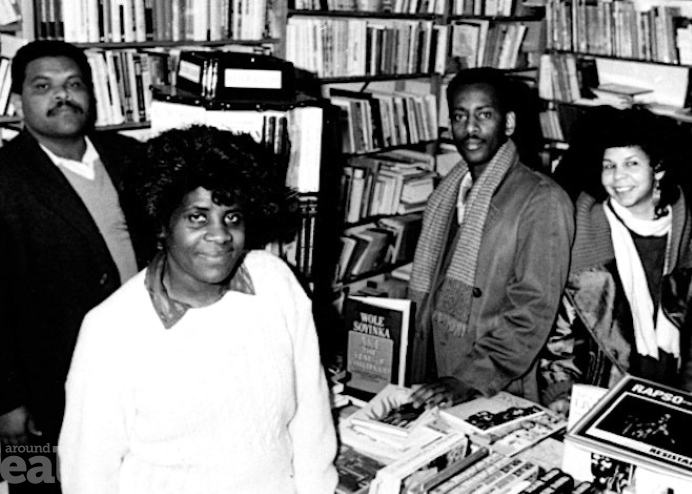
In the nineteen seventies Eric and Jessica Huntley founded Bogle L’Ouverture Publications when mainstream publishers in Britain ignored Black writers. They named their press after Toussaint Louverture, the Haitian revolutionary, and Paul Bogle, the Jamaican freedom fighter. The publishing house became a statement of independence; it told the world that Black history and literature mattered. From their Walter Rodney Bookshop in West London the Huntleys sold books, hosted readings and provided a space where people could learn and organise. This was not just a shop; it was a community hub where the politics of liberation were cultivated. In the face of censorship and marginalisation the Huntleys built an institution that affirmed Black life. Their model reminds us that controlling our own narratives is a form of resistance.
New Beacon Books: a beacon of diasporic stories
A few years before Bogle L’Ouverture, John La Rose and Sarah White established New Beacon Books in nineteen sixty six. It was the first Black owned publisher and specialist bookshop in the United Kingdom and remains a vital resource today. For more than fifty years New Beacon Books has made literature from Africa, the Caribbean, the Americas and Black Britain available. Its shelves hold novels, poetry, history and political analysis that cannot be found in mainstream stores. The shop has been sustained by volunteers and supported by activists and students across generations. It functions as more than a business; it is a meeting place where people discuss ideas, organise campaigns and celebrate culture. In many ways it is a sanctuary against the tide of censorship. When a school bans books, New Beacon Books provides a safe harbour for those same stories.
Bookshops as sites of struggle
The history of Black bookshops in Britain is one of resilience in the face of violence. During the nineteen seventies and eighties there were few Black bookshops and those that existed were targeted by racist attacks including firebombings. Yet these spaces were always full. People travelled long distances not only to buy books but to seek advice, share information and start campaigns. Booksellers became counsellors, community organisers and keepers of memory. The attacks on these spaces reveal how threatening Black literacy has always been to those who benefit from ignorance. When we talk about a school removing books from its library we should remember that there has never been a safe time to read while Black. Every page we turn is an act of defiance against centuries of silencing.
A call to action
The Greater Manchester purge is not an isolated incident. It is part of a broader effort to control which stories children can access and to prevent them from encountering narratives that challenge white supremacy. To respond we must defend our libraries and support our own institutions. Demand that schools reinstate the removed titles; encourage children to read the banned books; donate to independent presses like New Beacon Books and buy your books from Afrori Books. Organise reading groups where you discuss texts that have been censored. Each book we read becomes a tool for liberation. When we choose reading we choose resistance and belonging over silence and erasure.
 BLAM UK CIC