Black music is riding high in summer 2025. From Recessland to Notting Hill Carnival and Wireless, genres of the Black diaspora: Afrobeats, Amapiano, grime, reggae, Dancehall and R&B dominate festival line-ups. It feels like a victory lap for Black music. But not long ago, things were very different. Black music in Britain was often criminalised, marginalised, and pushed underground. To understand today’s triumph, we must remember the journey from resistance to recognition.
Pirate Radio and Sound Systems: Innovation Out of Exclusion.

In the 1950s and 60s, Britain’s Caribbean community met with hostility. Black partygoers were often turned away from segregated “whites-only” clubs, and mainstream radio wouldn’t play their music.
So they built their own scene: Jamaican-style sound systems – giant speaker stacks that turned living rooms into makeshift dancehalls called blues dances.
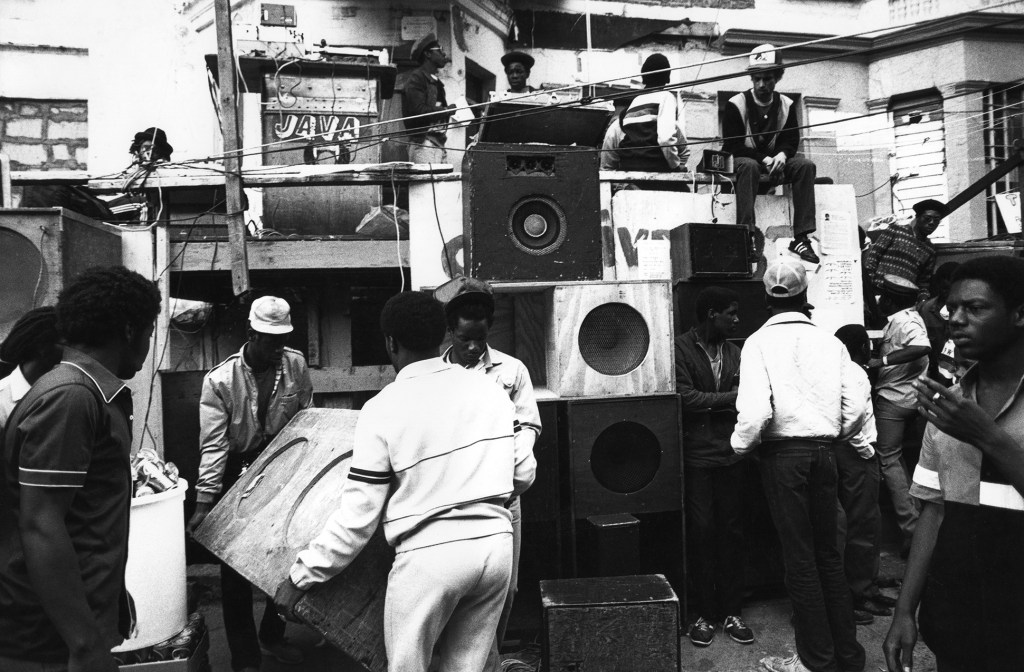
These DIY gatherings offered a taste of home and a joyful form of resistance. By 1973, Notting Hill Carnival had sound systems roaring in the streets.
By the 1980s, pirate radio was carrying Black music over the airwaves from tower block transmitters, bypassing mainstream stations. In 1981, DJ Lepke launched Dread Broadcasting Corporation (DBC) – the UK’s first Black-owned pirate station – pumping out reggae, soul, funk and more. Lepke “laid down a cultural marker” whose “ripples…were critical in shaping mainstream British music in the 21st century” according to author Lloyd Bradley. DBC set the tone for others like KISS FM, which soon went from pirate to legal by 1990. Many pirate DJs honed their skills on sound systems, learning to move crowds on their own turf. These outlaw stations fueled musical innovation when Black voices had few other outlets.

Reggae, Garage, Grime, Drill – The Sound of Black British Identity.
Each underground genre carried the voice of its generation:
- Reggae & Lovers Rock (1970s–80s): The soundtrack of the Windrush generation, with rebel lyrics of pride and protest.
- UK Garage (1990s): A soulful, uptempo club sound that scored mainstream hits but still faced stigma – e.g. South London’s So Solid Crew had gigs cancelled over an exaggerated “violent” reputation, even as talents like Ms Dynamite broke through to win major awards.
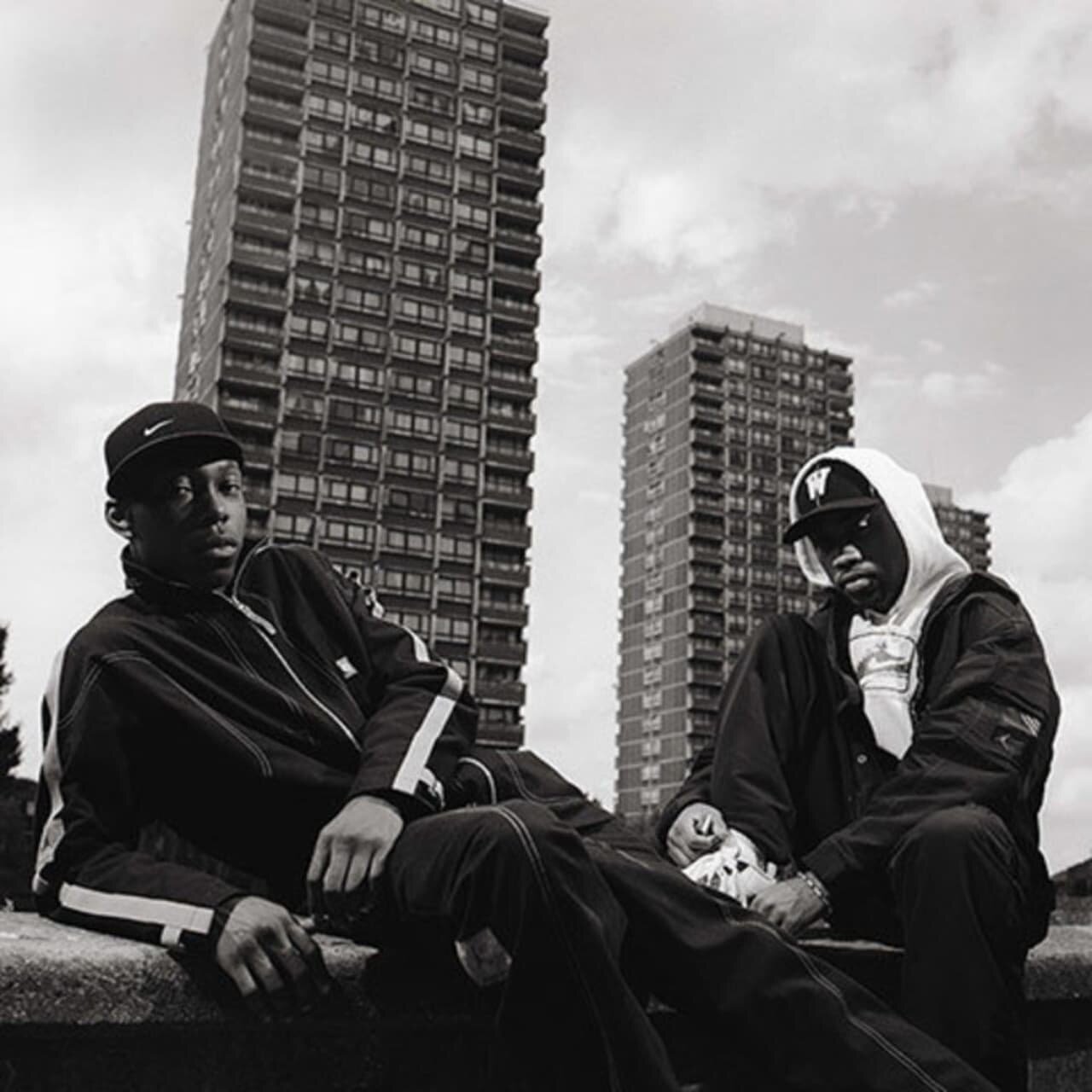
- Grime (2000s): A raw, rapid-fire genre born on East London estates and pirate radio. Grime let disenfranchised youth share their truth over gritty beats. Dizzee Rascal’s Mercury Prize win in 2003 put grime on the map, even though the industry initially treated the scene as an “outsider”.
- UK Drill (2010s): A hard-hitting rap style with an unapologetically British identity. Drill lyrics depict inner-city realities unflinchingly. Like its predecessors, drill drew police and media ire, yet its popularity proved impossible to silence.
Fighting Racist Policies and Policing.
Black music’s growth has continually met resistance from authorities. Police often viewed Black-led events and genres as threats to be controlled. In the 2000s, this bias took a bureaucratic form: London’s Metropolitan Police introduced Form 696, a “risk assessment” that disproportionately targeted Black music nights. The form infamously asked promoters to list the music genre and even the ethnic makeup of the crowd – a policy widely condemned as racist.

Grime shows bore the brunt, with artists like JME, Wiley and Tinchy Stryder seeing gigs pulled, and garage, reggae and R&B events also shut down under “safety” concerns. Police denied bias, but Form 696 was toned down in 2009 and finally scrapped in 2017 after public outcry.
Even before Form 696, acts such as So Solid Crew saw entire tours axed by police – reinforcing the idea that Black artists were “too risky” for live venues. In the 2010s, several drill rappers faced court orders and video bans aimed at muzzling their music. It was a heavy-handed approach that was nothing new. Yet at every turn, artists and promoters found ways to persevere.
Resilience and New Platforms.
In the face of such barriers, Black Britons doubled down on creating their own platforms. The success of pirate radio even pushed the BBC to launch 1Xtra in 2002 as a dedicated Black music station.
When mainstream TV ignored homegrown “urban” talent, the community answered with Channel U. Launched in 2003, Channel U was “one of the only” places to see authentic Black British youth culture on screen. It played grime and rap videos that MTV ignored, turning MCs like Giggs and Tinchy Stryder into stars. By building their own media and events, Black creatives ensured their music was heard.
Over time, the sounds once confined to pirate stations and basements became the pulse of the mainstream. Black music is now the main attraction at Britain’s biggest festivals. Dedicated Afrobeats festivals are booming, and even Notting Hill Carnival, once eyed with suspicion, is hailed as a proud symbol of London. What was pushed to the margins is now front and centre.
From Margins to Main Stage.
As we revel in summer 2025’s Black music takeover, we must remember this triumph did not come easy. The journey from pirate radio and underground clubs to festival main stages was hard-won. What was once dismissed as “noise” or criminalised as a “threat” is now the heartbeat of British pop culture.
Let’s celebrate how far Black British music has come and remember the roots and resistance that paved the way.
 BLAM UK CIC