

Pearl Alcock (1934–2006) was a Jamaican-born Black British artist, businesswoman, and community builder. For much of the 1970s and ’80s she ran a secret club in Brixton that became legendary , Pearl’s Shebeen, the only gay bar in the area. This underground space welcomed Black gay and bisexual patrons from across London, giving them a rare sense of safety and joy. As a proud bisexual woman, Pearl used her entrepreneurial spirit to cultivate community, “enriching the lives of so many in the queer community in Brixton”. Today, BLAM UK commemorates her during Pride Month, celebrating a life that defied racism and homophobia through creativity and care.
From Jamaica to Brixton.

Pearlina Smith was born in Kingston, Jamaica in 1934. She left Jamaica at 25 (leaving an unhappy marriage behind) with only £5 and a determination to remake her life
Like many of the Windrush generation, she arrived in Britain to face entrenched racism. Her early years in the UK were tough: she worked as a maid and in factories in Leeds, saving every penny.
By 1970 she had accumulated £1,000 and moved to London, where she opened a women’s dress boutique at 103 Railton Road in Brixton. Brixton was already a vibrant hub for Caribbean immigrants (and an emerging centre for gay rights activism), and Pearl’s arrival would soon add a new chapter to its story.
Pearl’s Shebeen: A Hidden Safe Haven.
In the mid-1970s, Pearl did something daring. She converted the basement of her Brixton dress shop into an illicit club, a shebeen called Pearl’s. For a small cover charge, patrons bought half-pints of beer and could “bring their own records”. The result was a laid-back party atmosphere, with no fights and lots of dancing. Crucially, this was a space built by a Black bisexual woman for Black queer people. It quickly became the only gay venue in Brixton and attracted mostly Black gay men from the Caribbean.
Inside Pearl’s basement, people could relax “without the cloud of cis white judgement”. Even the drinks were cheap and the music warm. Pearl herself tended bar on many nights, playing records and talking with friends. For those who knew it, Pearl’s Shebeen was a sanctuary, a place free from the racism and homophobia that lurked in most other British pubs and clubs. By refusing to serve alcohol beyond the community’s needs (and even banning fights), Pearl created an environment where Black LGBTQ+ Londoners could be themselves.
On the same block, racism was overt: the nearby George pub famously barred Black people and gay people from entering. That pub was actually burned down in the 1981 Brixton uprisings, as Black residents protested police injustice. But in Pearl’s bar there were no such exclusions; only solidarity. As one patron remembered, Pearl’s Shebeen was unique in attracting people to feel “comfortable in a queer space without the racism” found elsewhere.
Challenges and Community Resilience.
Pearl ran her shebeen through much of the 1970s, but the tide was turning by decade’s end. Margaret Thatcher’s 1979 election marked a conservative shift, and local authorities began cracking down on unlicensed bars. Fearing police raids, Pearl made the hard decision to stop selling alcohol in 1980. She shut down the shebeen entirely by 1981, closing the doors to protect her patrons from harassment.
Refusing to abandon her community, Pearl moved her enterprise next door to 105 Railton Road and opened a modest café. This new café was bare-bones, one friend recalled it run “by candlelight” when bills weren’t paid, but it retained the spirit of Pearl’s hospitality. It became another refuge for local residents, mostly of West Indian heritage, to gather and talk.
However, the early 1980s were difficult for Brixton. The Brixton riots of 1981, sparked by police brutality, led to unrest on Railton Road itself. Many businesses saw customers disappear. Pearl’s boutique and café eventually closed (the café wound down by 1985). By then Pearl was facing personal hardship, but the community she built did not vanish.
Throughout these trials, Pearl acted as a quiet leader. Although not a conventional activist with speeches, she “quietly collaborated with local organisations to advocate for LGBTQ+ rights”. Her experiences of racism, sexism, and homophobia- As a Black Jamaican immigrant and bisexual woman – informed everything she did. In running safe spaces and simply caring for people, Pearl was a grassroots activist. Her bars and café weren’t just businesses; they were unspoken protest against exclusion.
Outsider Art and Creativity

After her café closed, Pearl turned inward and discovered another talent: art. She started making drawings to thank friends who had supported her. Pearl would doodle on any scrap, receipt paper from the café, birthday cards, even cardboard and give the results to people. When her friends loved these little drawings, they encouraged her to keep going. Soon she was selling handmade bookmarks for £1, and folks pitched in money to buy her paints and canvases.
Pearl Alcock was entirely self-taught, a true outsider artist. Her style quickly became distinctive: bold, abstract compositions full of colour and energy. Many canvases feature swirling lines, cosmic shapes, and figures that seem to dance. Pearl explained her process in one interview: “When I move my hands like this… it means I am smiling, and I’m singing… I take a little bit and I put it there”. Critics later noted that her work felt “authentic, spiritual and representative of her Caribbean roots”, as if each painting carried the rhythm of Jamaica within it.
Over the late 1980s and 1990s, Pearl’s artwork attracted attention in niche art circles. Local galleries in London’s scene began to exhibit her pieces (such as the 198 Gallery in Brixton, the Almeida Theatre and the Bloomsbury Theatre). In 1990 her art was chosen for the annual London Fire Brigade calendar. Yet mainstream recognition was slow: it wasn’t until 2005 that Tate Britain included her in a survey of Outsider Art. By then Pearl was 71 and still painting every day in her tiny flat. Her canvases with dreamlike scenes and joyous colour finally reached new audiences. She later recalled that art allowed her to express all she couldn’t in words: “Everything I do has to come from my head… These things just come to me.”
Fighting Marginalisation.

Pearl Alcock’s life shines a light on how intersectional identities shaped British LGBTQ+ history. As a Black bisexual woman, she navigated multiple layers of prejudice.
During her lifetime, Black queer people were largely invisible in public life. Polls of the era show that many institutions simply ignored lesbian and gay issues in Black communities, and likewise racial justice groups often sidelined queer concerns. Pearl knew these challenges firsthand: mainstream gay bars and even political groups could exclude people who looked like her.
Instead of focusing on these injustices overtly, Pearl’s response was to create community from below. The historian of Black queer Britain Jason Okundaye argues that stories like Pearl’s rarely appear in textbooks; they survive through “history from below”, in memories and family photos. Pearl’s own statement to friends, to be “authentic” and carry on painting even with nothing, became a quiet manifesto of defiance. By simply running her bar and making art on her own terms, she embodied an activism rooted in self-expression and solidarity.
Her legacy also intersects with broader political struggles. The very existence of her shebeen was a pushback against the police violence and social exclusion Black people faced. When Thatcher came to power and Section 28 later threatened LGBTQ+ and Black organising, people like Pearl had already been building safe networks for years. Her story connects to a larger tapestry of Black British queer activists, from Pride march organisers like Ted Brown to artists like Ajamu X, who all helped make room for Black gay and lesbian voices in Britain’s history.
Legacy and Recognition.
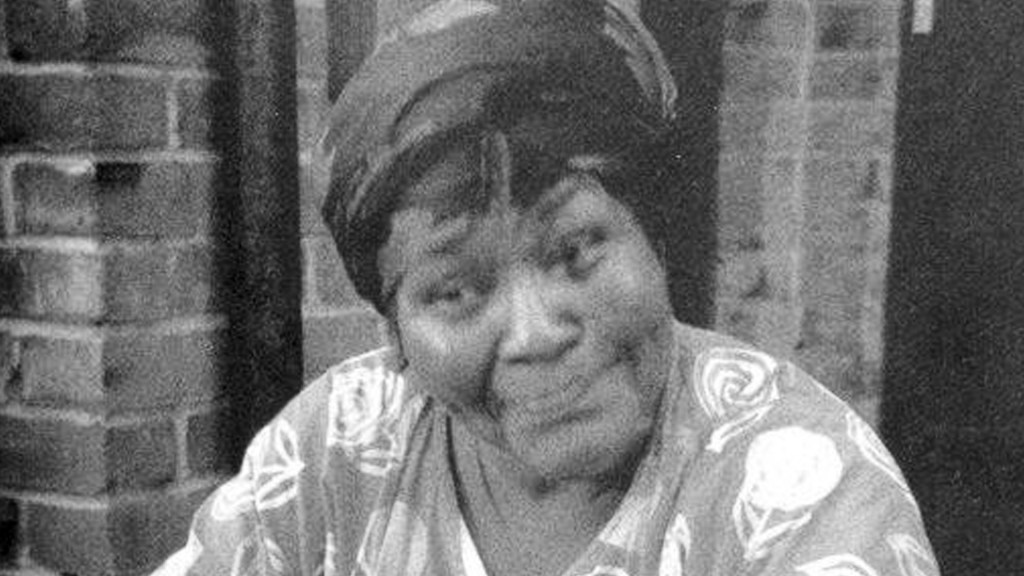
Pearl Alcock passed away in London on 7 May 2006 at age 72. Her funeral drew many friends and locals, a final testament to how beloved she was. In the years since, there has been a renewed effort to honor her contributions.
In 2019 Manchester’s Whitworth Gallery mounted the largest ever solo exhibition of Pearl’s art. Meanwhile writers and archives have begun telling the story of her legendary shebeen:
for example, Bernardine Evaristo immortalized “Pearl’s shebeen in Brixton” in her Booker-winning novel Girl, Woman, Other.

For Black LGBTQ+ Britons, she represents an early generation of pioneers who built their own spaces when society had none. By remembering Pearl Alcock this Pride Month, we honour not only her art but also all those who found hope, joy and belonging in the community she created.
 BLAM UK CIC