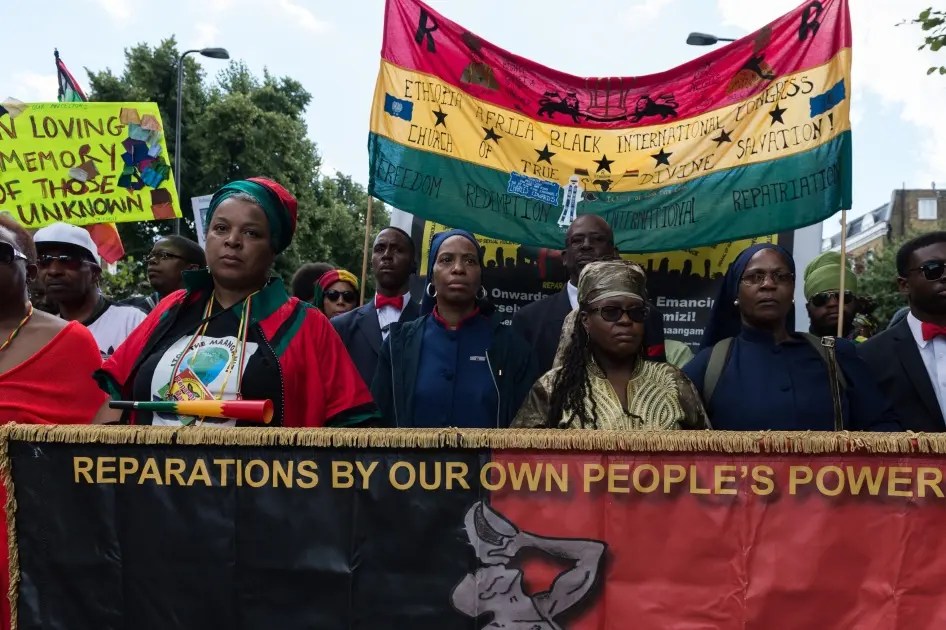

A recent televised confrontation between journalist Mehdi Hasan and historian Nigel Biggar brought Britain’s colonial legacy into sharp focus. Hasan challenged Biggar, whose new book Reparations: Slavery and the Tyranny of Imaginary Guilt argues that Britons should not feel responsible for slavery, on his double standards regarding national history. Hasan pointed out that Biggar feels proud of Britain’s past triumphs (Biggar readily admitted he feels pride that Britain defeated Nazi Germany) yet refuses any sense of collective remorse for Britain’s past crimes like slavery.
This glaring inconsistency, pride in imperial achievements but no guilt for imperial atrocities, underscores a broader issue in British society: a selective memory of the Empire’s history. Biggar’s stance is part of a familiar pattern of historical amnesia and defensiveness. It reflects how some still seek to celebrate the British Empire’s “good bits” while dismissing calls for accountability as a “tyranny of imaginary guilt.”
From a pro-Black, anti-colonial perspective, however, the facts of history demand a very different response. Hasan’s combative questioning highlighted that we cannot have pride without responsibility. If Britons today choose to bask in the glory of their ancestors’ heroism, they must also reckon with the legacy of their ancestors’ horrors.
The debate exposed how uncomfortable that reckoning remains for many. Biggar’s claims, that slavery was a universal institution not unique to Britain, and that Britain somehow “atoned” for slavery by abolishing it, deserve critical scrutiny. To challenge these views, we must ground ourselves in historical truth: the British Empire’s deep entanglement in the transatlantic slave trade, the violent and extractive nature of its colonial rule, and the ongoing impact of that legacy on Black communities. Only then can we address Britain’s unpaid debt to the descendants of the enslaved.
Slavery Was Not “Universal”.
Biggar has argued that slavery was a near-universal practice in history; a claim meant to downplay Britain’s culpability. Yes, slavery existed in various forms around the world, but the transatlantic chattel slavery system that Britain helped create was unprecedented in its scale and racial brutality.
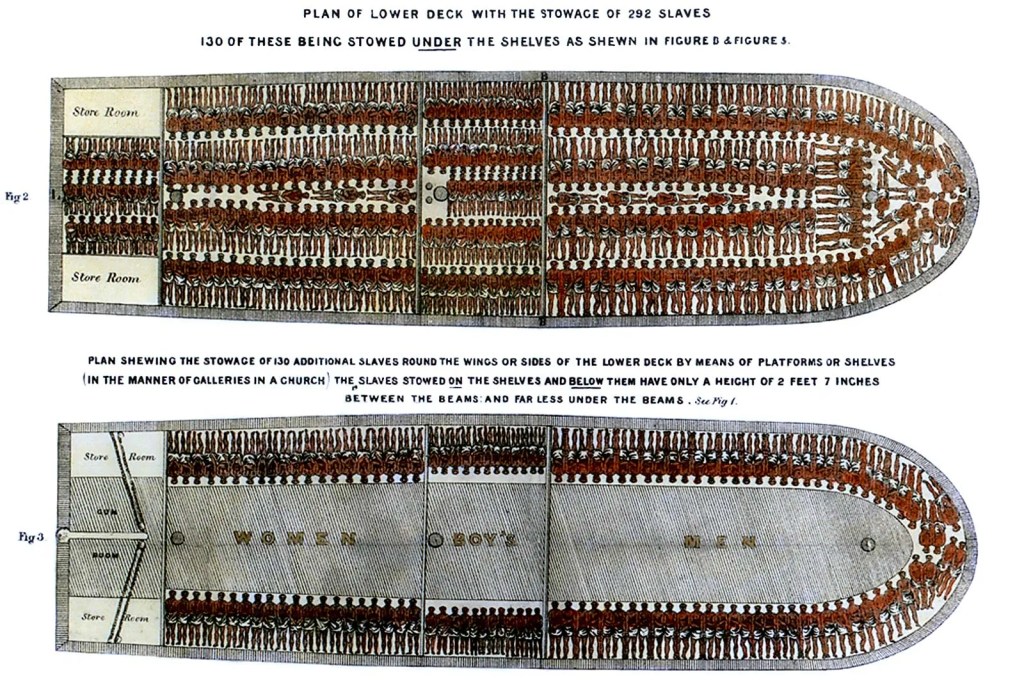
Between 1640 and 1807, British ships transported approximately 3.1 million enslaved Africans to British colonies in the Caribbean and Americas (one of the largest forced migrations in human history). Millions of men, women and children were shackled in the holds of British slave ships and sold into lifelong bondage on plantations from Jamaica to Virginia. The trade was so vast that by the 18th century Britain dominated the Atlantic slave trade, becoming the world’s leading slave trading nation. To dismiss Britain’s role because “others did it too” is to ignore the outsized part the British Empire played in a crime against humanity.
Crucially, Britain did not just participate in slavery. Britain profited immensely from it. The enslavement of African people was not an incidental footnote to British history; it was central to the nation’s rise as a global power. Enslaved Black labor in the Caribbean and Americas generated enormous wealth that fueled Britain’s economic growth and industrial revolution.
Cash crops like sugar, tobacco and cotton, cultivated by enslaved Africans under horrific conditions, poured wealth into British coffers. That wealth built industries, funded banks, and laid the foundations of modern Britain. As Professor Kehinde Andrews bluntly observes, “Britain should, apparently, be proud of ending slavery but not feel guilty about profiting from it”. Yet profit we did.
In fact, Britain’s industrialisation depended on the fruits of slavery, and “that wealth remains with us today”, as Professor Kehinde Andrews emphasises. Many of Britain’s grand institutions were erected on this blood money: banks like Barclays and Lloyds financed the slave economy; stately homes and museums were enriched by colonial plunder; even eminent universities and the Church benefitted from donations tied to slavery. The very fabric of British society was woven with threads of the slave trade’s profits.
Below are a few historical facts that put Britain’s role in slavery into context:
Scale of Enslavement: By the time Britain outlawed the Atlantic slave trade in 1807, it had trafficked roughly 3–3.4 million Africans as slaves; more than any other country except perhaps Portugal. Of these, about 2.7 million survived the Middle Passage to arrive in the Americas, fueling plantation economies. The sheer scale of human suffering under British slavery was enormous.
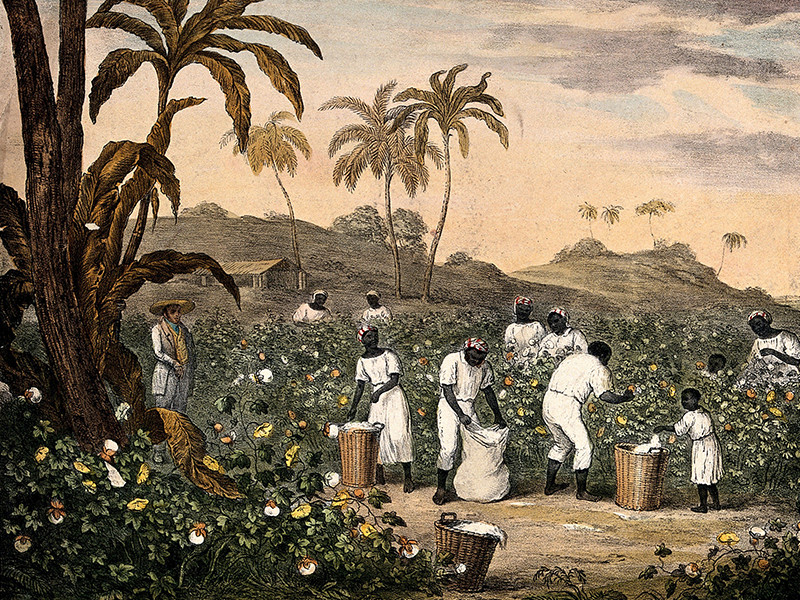
Wealth Built on Slavery: The plantation economy of the British West Indies (Caribbean) was a pillar of Britain’s wealth. British colonies like Jamaica and Barbados produced sugar “white gold” that was in huge demand in Europe. Profits from slave-produced sugar, cotton, coffee and tobacco were a significant driver of the British economy in the 18th and early 19th centuries. These profits were invested back in Britain, helping to finance canals, railways, banks, factories and the rise of cities like Liverpool and Bristol. As one historian noted, wealth from the slave trade, slave plantations and even the compensation paid to slave-owners was widely invested in Britain, visible in “many buildings” that stand to this day.
Human Cost: The practice of slavery under British rule was exceptionally brutal and inhumane. Enslaved Africans endured forced labour from dawn to dusk, frequent whipping and sexual abuse, and complete denial of their humanity. Families were torn apart on the auction block. Many enslaved people died from the cruel conditions , overwork, malnutrition, disease and punishment. On some Caribbean plantations, the enslaved had such short life expectancies that they had to be continuously replaced with new captives from Africa. This was not a benign institution – it was a system of racialised terror for profit.
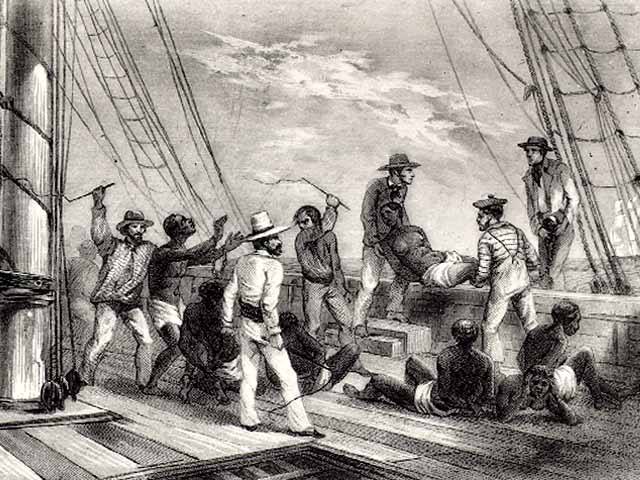
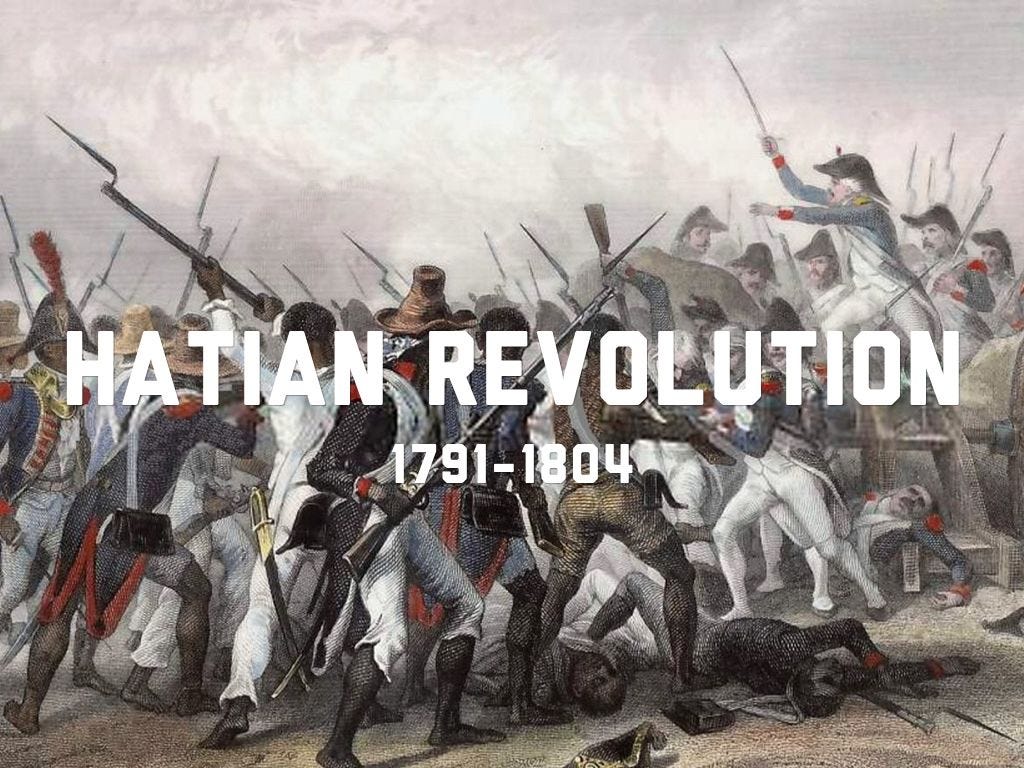
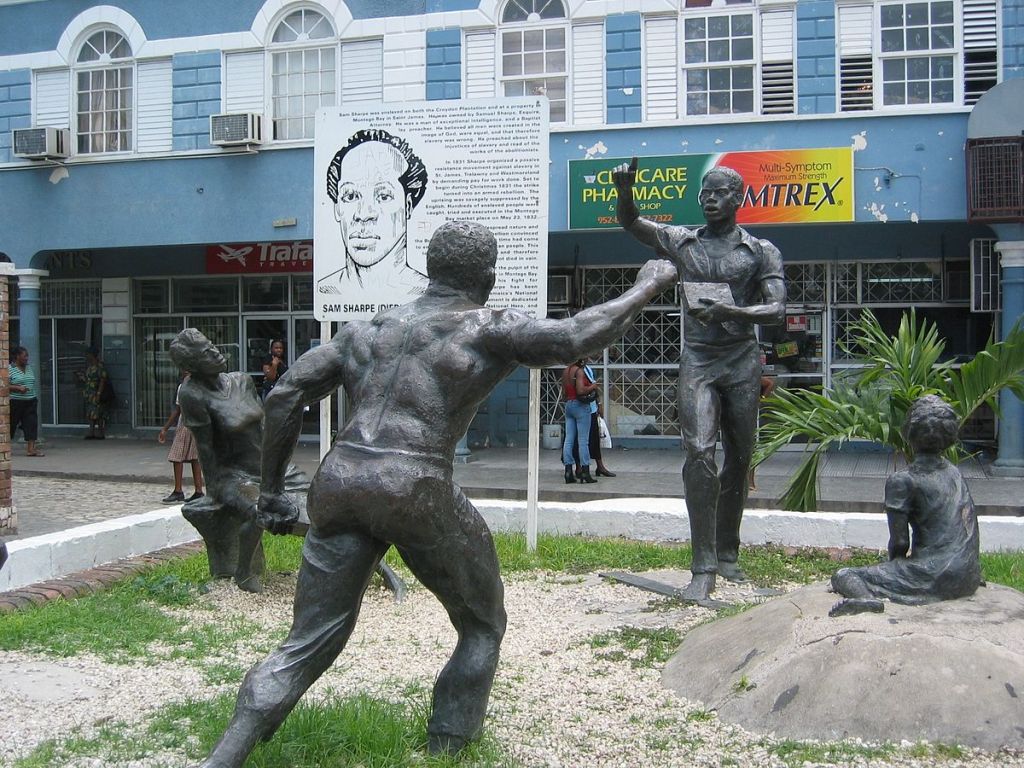
African and Caribbean Resistance: Black people did not accept their oppression passively. Despite the risks, the enslaved resisted in numerous ways. From work slowdowns and sabotage, to flight (maroon communities), and outright rebellion. The Haitian Revolution (1791–1804), in which enslaved people rose up and overthrew French colonial rule to form the first Black republic, sent shockwaves through every slave society. In British territories, figures like Samuel Sharpe in Jamaica led courageous revolts demanding freedom. These struggles struck fear into colonisers and eventually bolstered the abolitionist cause. It’s a reminder that the drive for emancipation came not only from white reformers in London, but from Black resistance and bloodshed in the colonies.
In short, while slavery existed globally, the British Empire’s involvement was uniquely far-reaching. It helped turn a small island nation into an industrial powerhouse, at the horrific expense of millions of African lives. Any honest discussion of Britain’s past must acknowledge this central truth. Slavery was not a minor moral lapse to be relativized by pointing to ancient empires or African sellers; it was a core component of British imperialism. By obscuring this, arguments like Biggar’s serve to excuse and erase the scale of British culpability. The legacy of this crime cannot be waved away as “universal” or long ago – especially when its effects are still visible today.
Abolition without Atonement.
In 1834 Britain’s Parliament “abolished slavery” in name only. The Act freed only children under six and everyone else was reclassified as an “apprentice” forced to keep working until 1838–40. To get it through, the government even borrowed £20 million (around 40% of its annual budget) to compensate slave‑owners for their “losses”. Freed people received nothing. In effect, abolition meant a taxpayer‑funded payout to Britain’s rich slave‑owning class, while those enslaved for generations got neither apology nor share of the wealth they had created. This was no act of atonement.

The consequences of that theft still show today. Professor Kehinde Andrews reminds us that “the wealth generated from slavery is still with us, as is the poverty from centuries of exploitation”
Britain’s modern economy and institutions are deeply rooted in those profits, while the descendants of the enslaved, in Britain and beyond, live with the legacy of that stolen wealth. The fact that Britain’s Windrush scandal could even happen, Andrews argues, is a direct outgrowth of these origins: if our ancestors had not been kidnapped, we wouldn’t now be treated like unwelcome outsiders. So-called abolition may have ended the slave trade, but it did not atone for slavery. It simply entrenched inequality in new forms.
Imperial Myths and the Reparations Movement.
Britain’s self‑image as a benevolent liberator is precisely that a myth. Andrews points out that celebrating Britain as the nation that “abolished slavery” ignores the rest of the story. In reality Britain rose to become the premier slave‑trading power, and its empire was built on brutality. As he bluntly puts it, “the British empire was based on the exploitation, murder and devastation of people across the globe.” This is not sour grapes, but history: every cotton mill, plantation and naval port was enriched by enslaved labour and colonial plunder. Yet British narratives focus on white saviors and omit how our elites profited from slavery, embedding racism into society. Until that full truth is acknowledged, the imperial myth will continue to distort our understanding of justice.
Countering this myth is the growing chorus for reparations. Professor Verene Shepherd, a leading reparations scholar, emphasises that slavery was a crime against humanity in which Britain was a leading participant. She notes that even Britain’s 1807 Slave Trade Act did nothing to halt ongoing enslavement; thousands more Africans were shipped into bondage after it passed. For Shepherd, abolition without remedy was insufficient: she insists Britain “own up to their responsibility” with a full, formal apology, not a vague expression of regret, and put Caricom’s reparations plan into action.
This plan, backed by Caribbean governments, calls for concrete measures like debt cancellation, investment in education and healthcare, cultural programmes and financial compensation. Caribbean reparations leaders have framed it plainly: Britain should help “clean up the mess” its empire created, tackling extreme poverty and underdevelopment left behind. These demands challenge Britain’s refusal to even properly acknowledge its past, and show that reparatory justice must be both symbolic (apologies, truth‑telling) and material (funding, debt relief) to begin undoing the legacy of slavery.
Reparatory Justice Now: A Call to Action
Today Britain still refuses to apologise or pay reparations for slavery. Downing Street has bluntly confirmed that at Commonwealth meetings “there are no plans” for an apology or payments. But the moral case has not disappeared. Polls show a majority of Britons now favour a formal apology, and many support reparatory action.
We must insist on more than empty words. Reparatory justice means investing in Black communities in Britain, the Caribbean and Africa, cancelling odious debts, funding schools and museums, promoting trade justice, alongside a formal apology and honest curriculum change that teach our true history.