
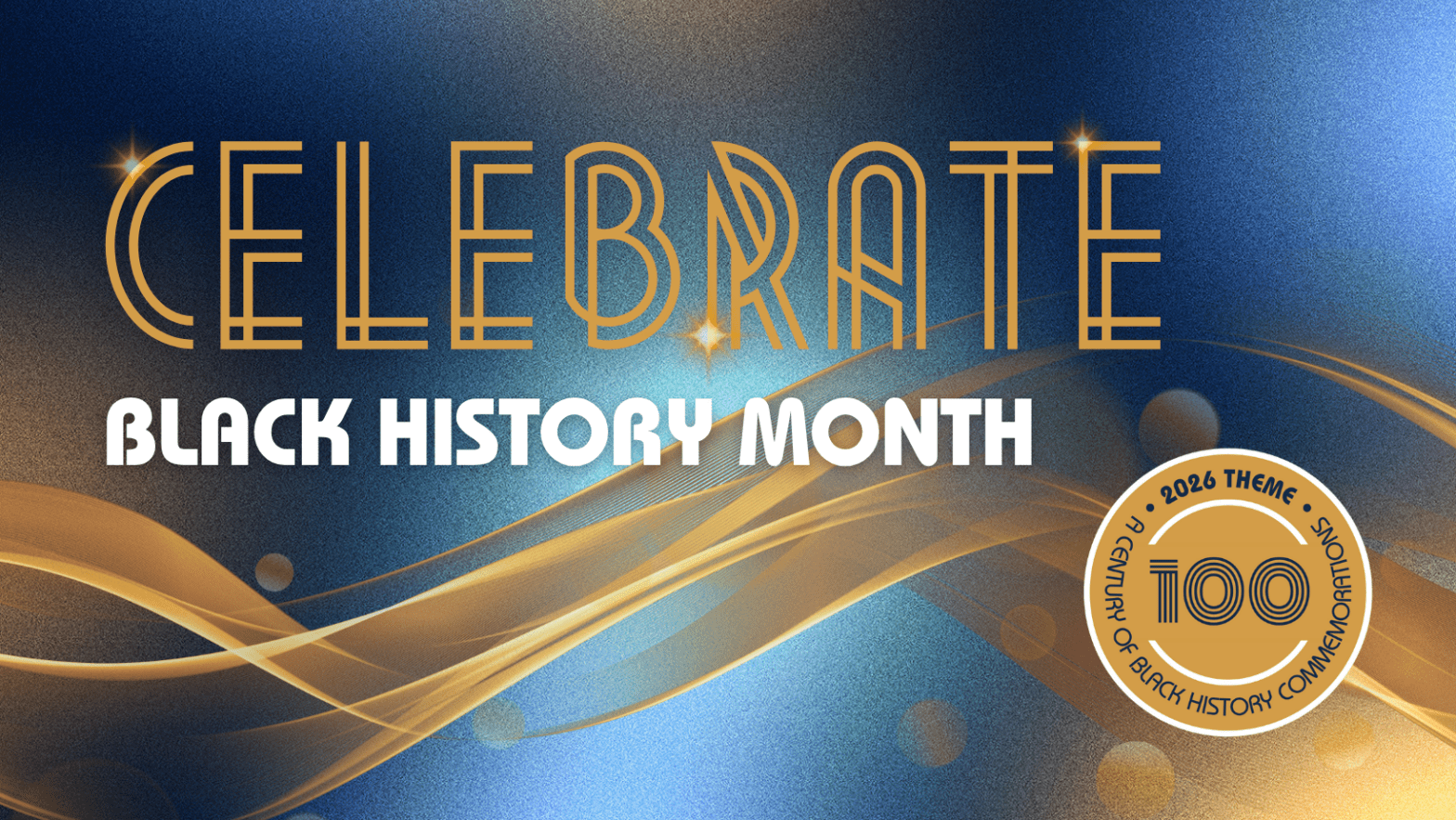
Every February, the United States observes Black History Month. It grew from historian Carter G. Woodson’s 1915 call to preserve Black heritage. In 2026 the theme “A Century of Black History Commemorations” marks a century since the first Negro History Week.
Inspired by that theme, BLAM UK highlights African‑American radicals whose activism in Britain forged connections that continue to influence Black life on both sides of the Atlantic.
Frederick Douglass: freedom forged in Britain
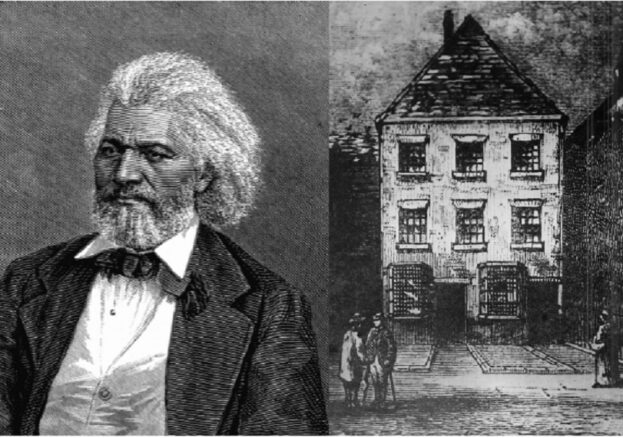
A former slave turned leading abolitionist, Douglass crossed to the British Isles in 1845. Over nearly two years he toured England, Scotland and Ireland delivering powerful lectures against American slavery. His speeches drew large audiences and raised funds for the abolitionist cause. Douglass said he could dine with parliamentarians and feel “a human being”. The welcome sharpened his critique of American racism.
Ida B. Wells: internationalising anti‑lynching
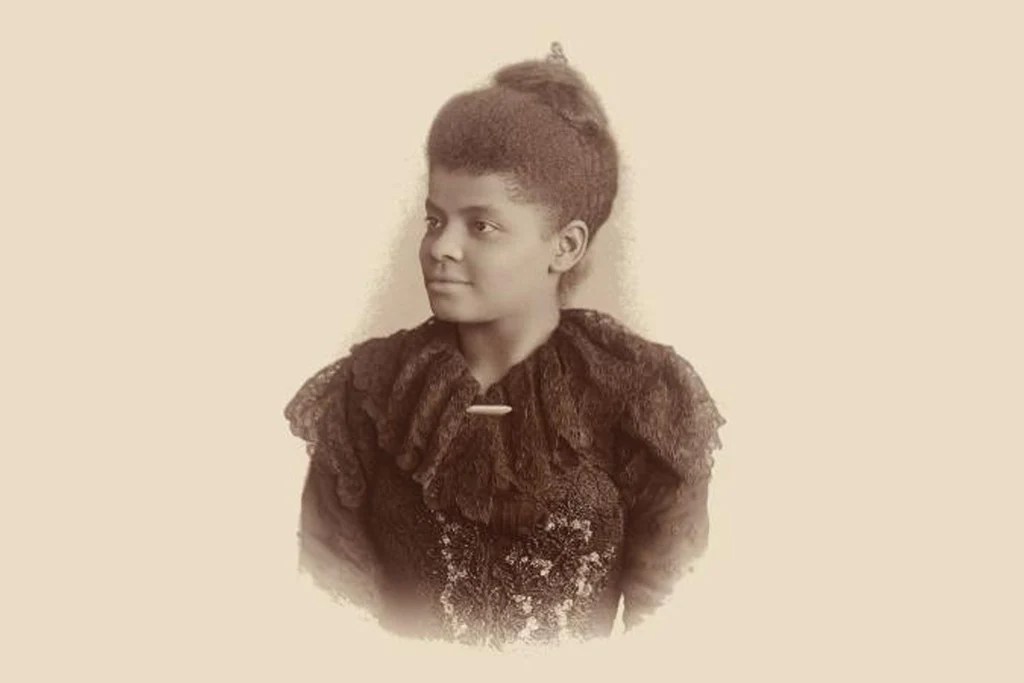
Journalist Ida B. Wells travelled to Britain in 1893 and 1894 to denounce lynching. University of Chicago archives record that she spoke to large crowds about the “crime and terrorism of lynching” and helped establish the London Anti‑Lynching Committee. Wells argued that lynching enforced racial subjugation. Newspapers reported packed halls in Aberdeen and Edinburgh where she described the continuing oppression of Black Southerners. Her tours internationalised the anti‑lynching struggle and rallied British allies to pressure U.S. authorities.
James Baldwin: transatlantic dialogues
James Baldwin used Britain to debate racism and freedom. At the University of Cambridge in February 1965 he debated conservative commentator William F. Buckley, declaring that the “American Dream is at the expense of the American Negro”. The audience sided with Baldwin. 4 years later the film Baldwin’s Nigger (1969) captured him and Dick Gregory in conversation with young Black Brits about imperialism and race. These encounters linked Black American radicalism with Britain’s Black diaspora.
Sarah Parker Remond: pioneering lecturer
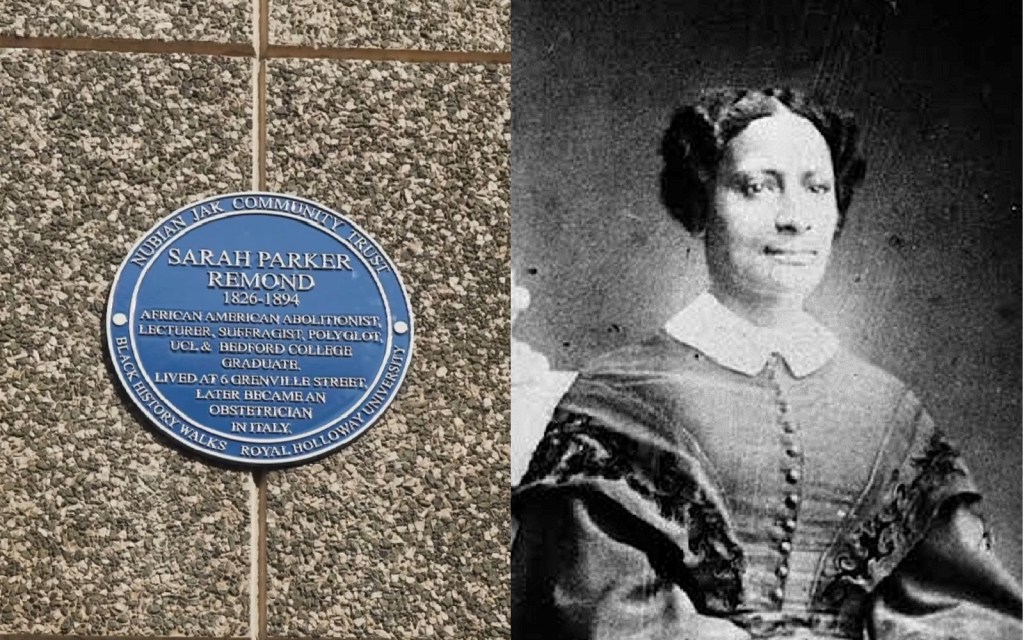
Sarah Parker Remond, a free Black American, sailed to Liverpool in 1859 seeking refuge and a platform for abolition. Her Manchester lectures condemned the denial of political and social rights to free people of colour and described enslaved people as treated like “things with no rights – political, social, domestic or religious”. She continued speaking in London to enthusiastic applause and joined the London Emancipation Committee. Remond studied at Bedford College and became the first Black woman to lecture to mass audiences in Britain.
W.E.B. Du Bois: Pan‑Africanism in London
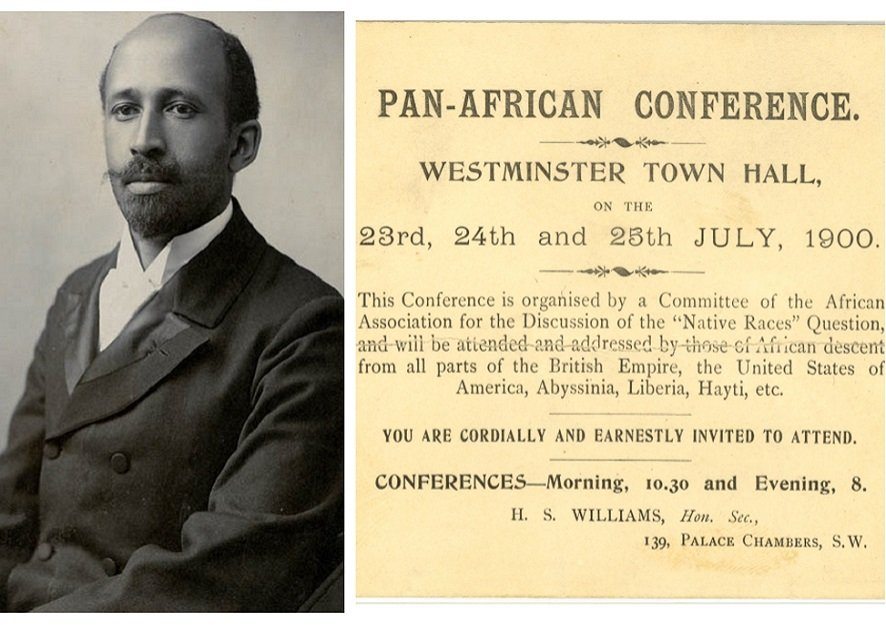
London hosted the first Pan‑African Conference in July 1900. Organised by Trinidadian lawyer Henry Sylvester Williams, the meeting brought delegates from Africa, the Caribbean, North America and Britain. W.E.B. Du Bois chaired the committee that drafted the “Address to the Nations of the World,” urging European powers to end racism and permit self‑government for colonised peoples. Du Bois warned that “the problem of the 20th century is the problem of the colour‑line”, linking Pan‑Africanism to London.
Malcolm X: confronting British racism
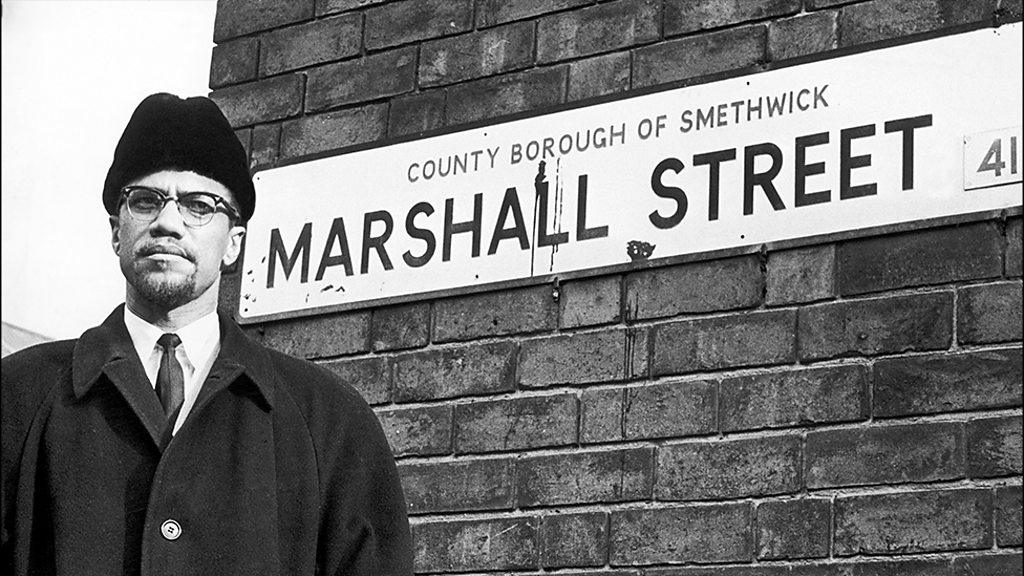
In 1964–65 Malcolm X brought his uncompromising message to Britain. On 3 December 1964 he addressed the Oxford Union, arguing that “extremism in the defence of liberty is no vice” and insisting that Black people were justified in defending their freedom. He also spoke to students at the London School of Economics and visited Smethwick, a town notorious for racist housing policies, to highlight discrimination. His tour exposed British racism and linked Black liberation struggles across continents.
Interconnected struggles and remembrance
From Douglass’s liberation campaign to Malcolm X’s solidarity visit, these stories show that Black history is not solely American or British but a shared struggle forged through travel, speeches and alliances. As we celebrate A Century of Black History Commemorations, BLAM UK invites readers to honour the transatlantic partnerships that nurtured Black freedom. Remembering these connections is a radical act: it affirms that our histories are entwined and that the fight against racism transcends borders.
 BLAM UK CIC