Many people think of Black British history in terms of London events like the Windrush arrival or Notting Hill. But important stories happened all over Britain. Black communities in cities like Bristol, Leeds and Newcastle have reshaped the country culturally, politically and socially. Let’s explore some inspiring tales: a bus boycott in Bristol, Martin Luther King Jr’s visit to Newcastle, ancient Roman soldiers in Cumbria, and Britain’s first Caribbean carnival in Leeds.
Bristol’s Bus Boycott of 1963
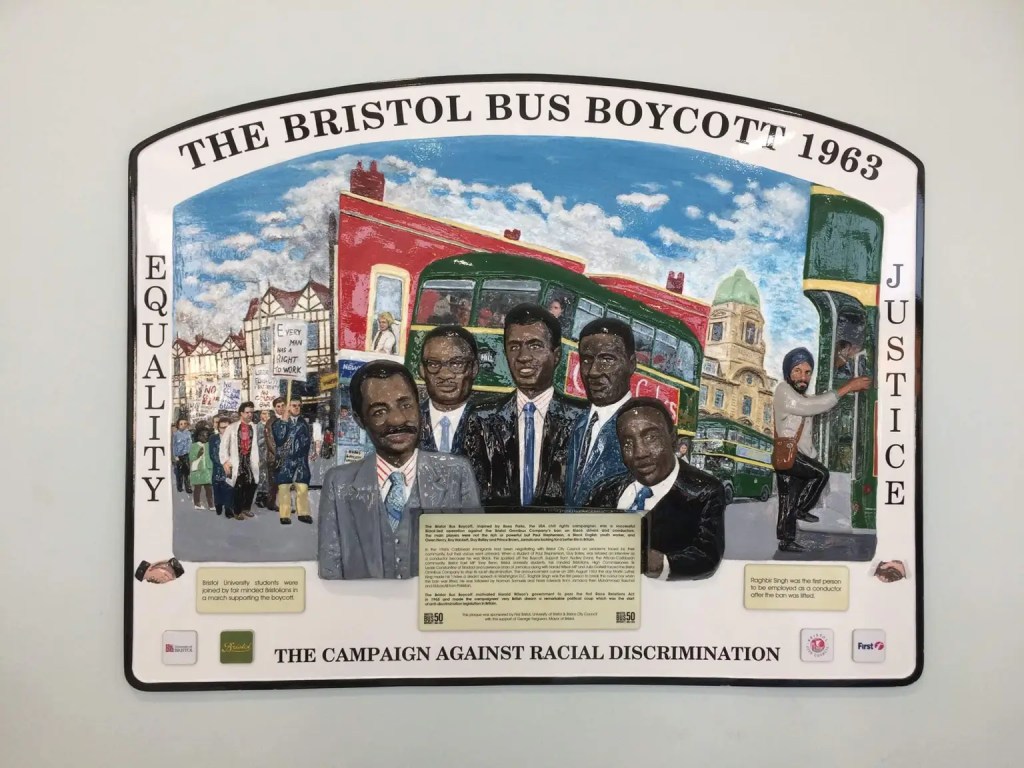
In 1963 Bristol’s bus company refused to hire Black or Asian people as drivers. Youth worker Paul Stephenson and others led a protest against this “colour bar”. For four months local activists and the West Indian community boycotted the buses until the company finally agreed to hire drivers of all races. Their victory made headlines. It inspired Britain’s first Race Relations Act (1965), which made racial discrimination in public life illegal. The Bristol Bus Boycott is remembered as one of Britain’s earliest and most powerful Black-led campaigns for equality.
Martin Luther King Jr in Newcastle, 1967
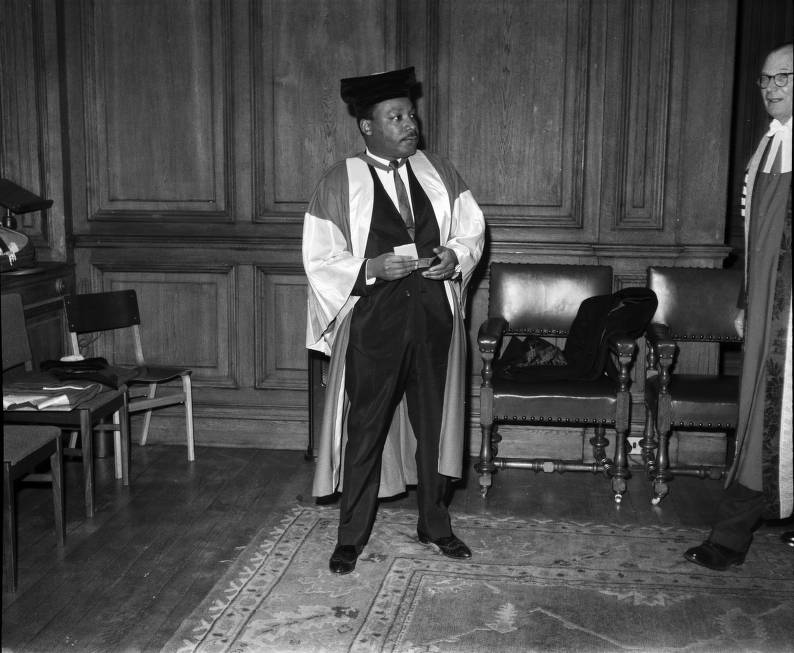
In the north of England, Newcastle has its own civil rights moment. On 13 November 1967, Dr Martin Luther King Jr crossed the Atlantic for a one-day visit to receive an honorary doctorate from Newcastle University. (It was the only UK university to honour him in his lifetime.) During the ceremony, King gave an unexpected speech warning against racist ghettos and poverty in Britain. He told the audience that “Racism is … the coloured man’s burden and the white man’s shame”. Decades later, King’s brief visit links Britain’s struggle for equality with the American Civil Rights Movement, showing how ideas crossed the ocean.
African Soldiers in Roman Cumbria
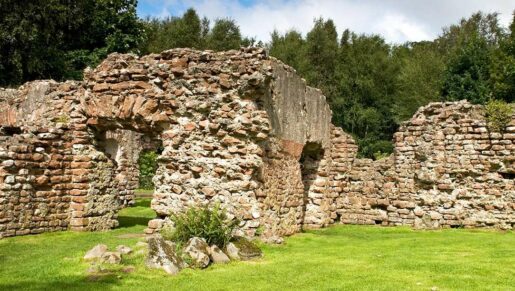
Black British history goes back far beyond the twentieth century. In north west England, at a Roman fort called Aballava (near modern Burgh by Sands, Cumbria), archaeologists found evidence of North African soldiers in Britain. A Roman altar dating to around AD 253 records that Caelius Vibianus, commander of the Numerus Maurorum Aurelianorum (a unit of Berber soldiers from Mauretania, now Morocco and Algeria), was stationed there. In fact, Cumbria is home to Britain’s first recorded African community, some 1,800 years ago. These findings show that people from North Africa lived and had families in Britain in the third century. It is a striking “did you know?” story: Black people were part of Britain’s story long before most of us think.
Leeds’s First Caribbean Carnival, 1967
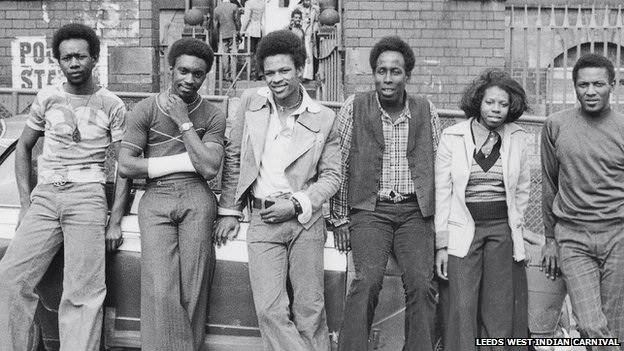
In 1967 Leeds became the site of Britain’s first Caribbean-style carnival parade. Community leader Arthur France, a student from St Kitts-Nevis, organised the very first West Indian carnival in Chapeltown, Leeds. Hundreds of people in colourful costumes and steel bands marched from Potternewton Park to Leeds Town Hall as part of the new “West Indian Carnival” procession. About 1,000 locals watched that inaugural event. This Leeds carnival set the trend for later festivals – including London’s famous Notting Hill Carnival. Today the Leeds West Indian Carnival is a huge annual celebration of Caribbean culture and community. In other words, a party in Leeds in 1967 helped reshape British culture.
Across Britain
These stories show that Black history in Britain is not confined to London. From Roman soldiers in Cumbria to activists in Bristol and Newcastle, to cultural pioneers in Leeds, Black people have made their mark across the country. Each event helped change Britain – overturning racism, inspiring hope, and celebrating identity. As one writer notes, these Black communities outside London “have reshaped the country, culturally, politically and socially”. By learning these local stories, we get a fuller view of Black British history – one that truly reaches from coast to coast.
 BLAM UK CIC