
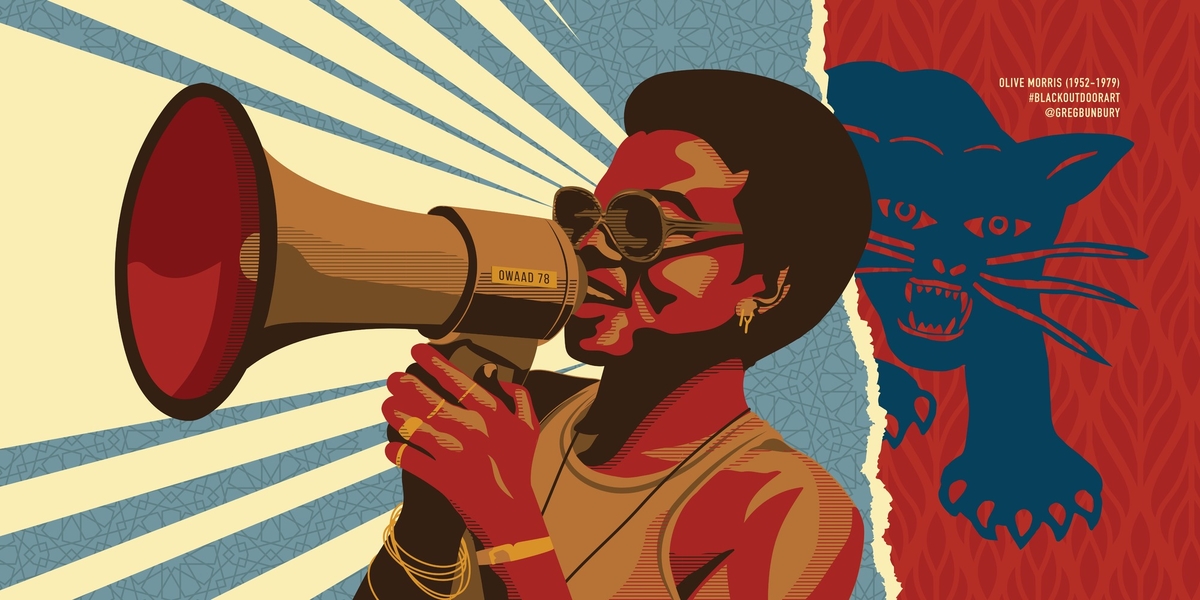
March is Women’s History Month, and the theme this year is “Give to Gain.” For me, the name that immediately comes to mind is Olive Morris. Born in 1952 in Harewood, Jamaica, she moved to south London at nine years old. From a young age she saw Britain’s inequalities and, by her teens, she was already giving to her community. At 17 she intervened when police brutally harassed a Nigerian diplomat in Brixton and was herself beaten and arrested. Instead of backing down, she joined the youth wing of the British Black Panthers and dedicated herself to fighting for housing, education and justice. Olive gave everything she had, her youth, her courage, her labour, in order for her community to gain rights and dignity.
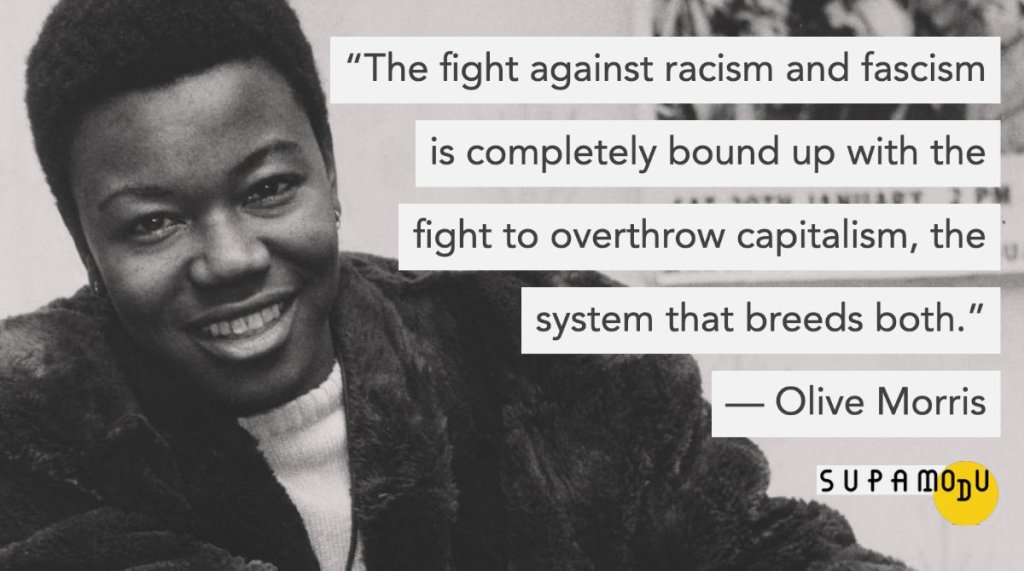
Olive’s own journey shows why we celebrate her today. In an era when Britain’s feminist movement often ignored race and class, Olive insisted that Black women be front and centre of liberation. She once cautioned that “if we don’t speak for ourselves, we’ll always be spoken for“. A statement anticipating the term intersectionality. She shifted the conversation from glass ceilings to the urgent issues Black women faced: police brutality, substandard housing and immigration law.
Building Black Feminism
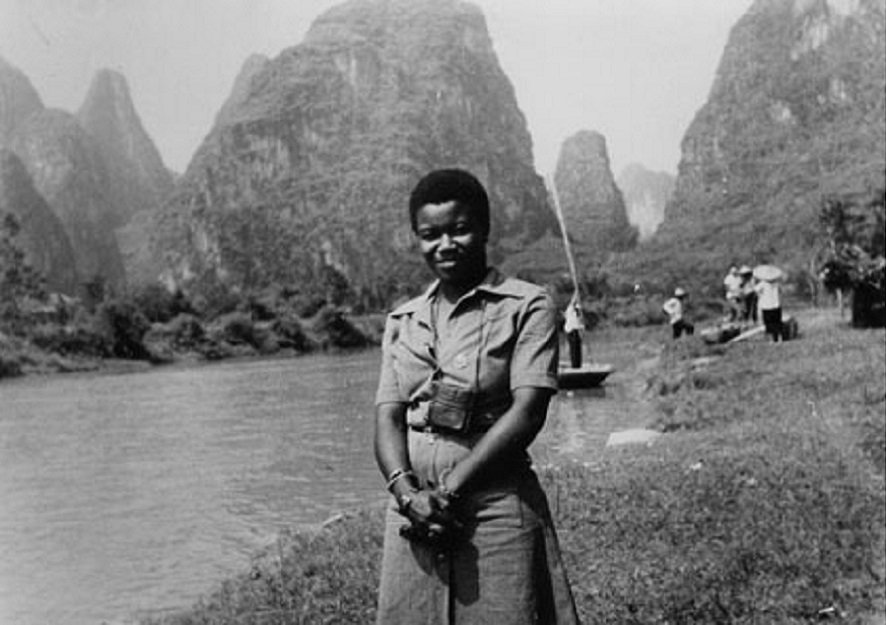
In 1973 Olive co-founded the Brixton Black Women’s Group (BBWG). This was one of the UK’s first organisations specifically for Black women, and it created a space free from the racism of mainstream feminism and the sexism of male-dominated Black politics. Through study circles, newsletters and community projects, BBWG highlighted issues like childcare, education, domestic violence and workplace discrimination that white-led groups had ignored. In practice, BBWG put children’s centres, supplementary schools and housing justice at the heart of feminism.
Later Olive helped launch the Organisation of Women of African and Asian Descent (OWAAD) in 1978. This national network brought together Black and Asian women activists from across Britain to build solidarity and share strategies. Hundreds attended OWAAD’s first conference, a watershed moment in UK Black feminism. Olive and her comrades made it clear that any genuine women’s movement must fight racism and class exploitation as fiercely as patriarchy.
Housing as a Human Right
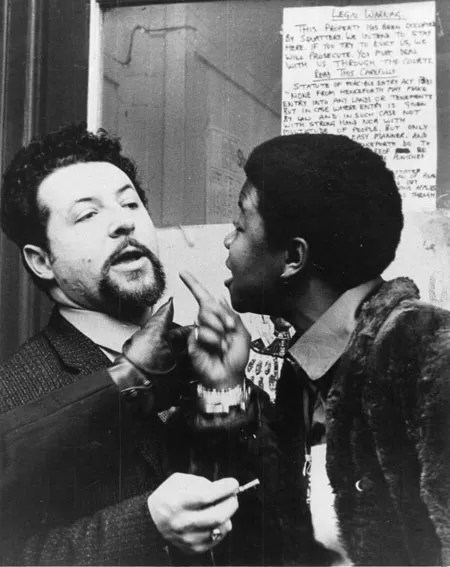
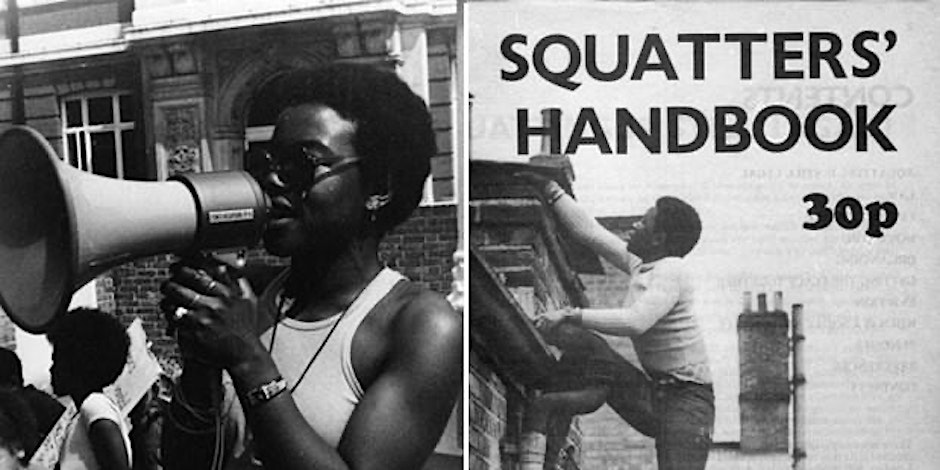
Olive’s activism in the 1970s proved that direct action could change lives. In 1972 she and friend Liz Obi squatted 121 Railton Road in Brixton to house homeless youth and community groups. They resisted multiple eviction attempts, even staging the famous scene of Olive on the roof refusing to come down. The flat became a hub for Black organising and eventually hosted Sabarr, one of Britain’s first Black community bookshops. Olive made clear her politics: housing is a right, not a privilege. She often said a “roof over your head isn’t a privilege – it’s a right”. This principle still drives tenants’ campaigns today. As Britain once again faces a housing and rent crisis, activists still invoke her example of squatters’ resistance and mutual aid for decent homes.
Confronting Police and ‘Sus’ Laws
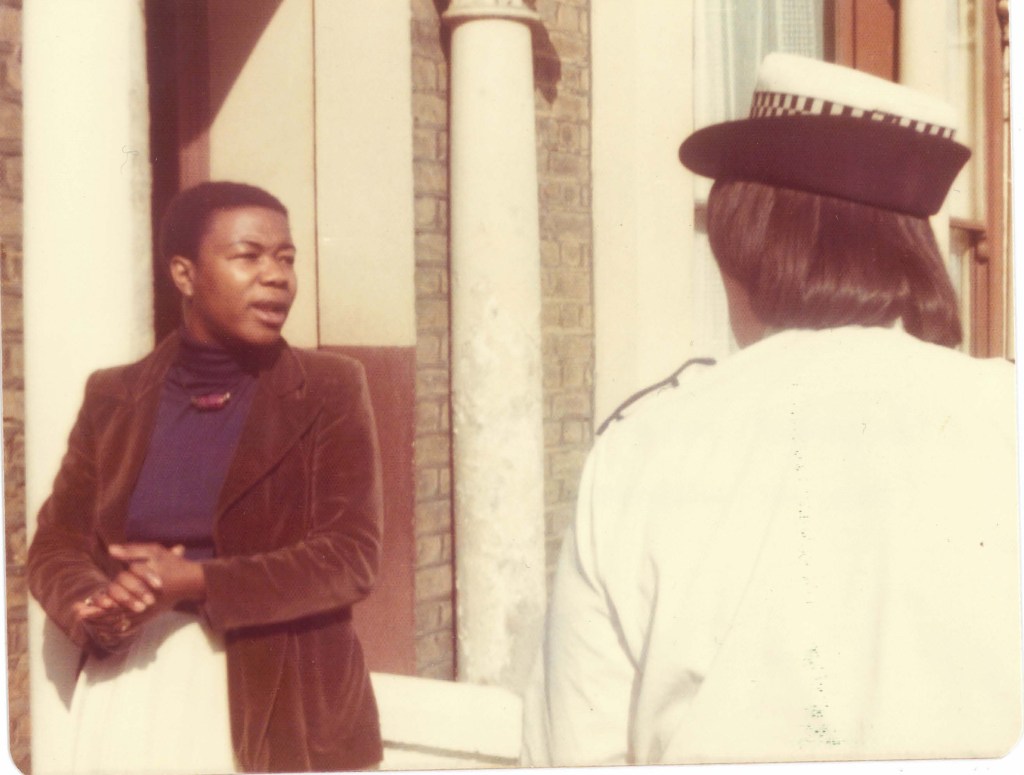
Police harassment was another battlefield for Olive. After her own 1969 beating by the police, she refused to let that violence go unchallenged. In 1978 she returned to Brixton as a law student and worked at the local Community Law Centre, campaigning to scrap the infamous ‘sus’ laws that allowed officers to stop and search people on mere suspicion. Olive exposed how those racist laws terrorised the Black community – a problem that echoes today’s debates over stop-and-search. Her leadership meant that resistance to police brutality was rooted in Black women’s organising and legal struggle. Olive’s message was clear: Black women cannot rely on others to lead for them, because history shows they would be sidelined otherwise. She insisted working-class Black women must take charge of their own freedom.
Legacy: Giving to Gain
Olive Morris died at just 27 years old, but her impact was far beyond her years. In less than a decade of activism she built community centres, bookshops, schools and legal projects that still exist today. She gave her youth and safety to build movements that benefit us all. In the words of Women’s History Month’s theme, she truly gave in order for future generations to gain. By investing every ounce of her energy in collective struggle, she gained a blueprint for Britain’s future that we still follow.
As we honour women’s history this month, Olive Morris stands out as a perfect example of “give to gain.” She reminds us that leadership and sacrifice know no age limit. Her story, from squatting homes to forming feminist networks, has been under-told, but every Black activist today draws on the foundations she built. Everyone reading this should know her name and carry forward her legacy. How will we give to gain in our time?
 BLAM UK CIC