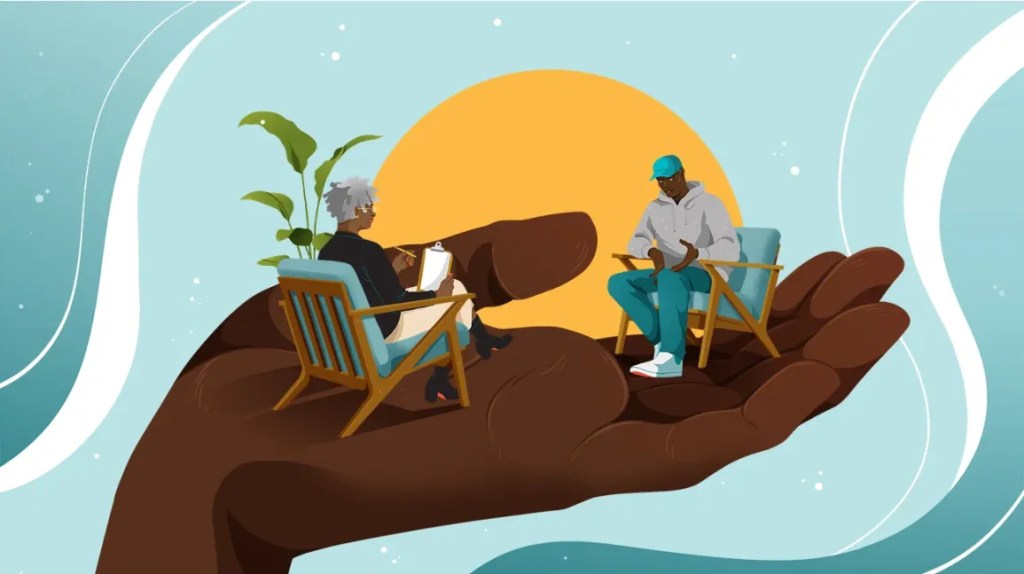
This week is Mental Health Awareness Week, led by the Mental Health Foundation, and the 2026 theme is Action. That matters. Awareness can name a problem, but action changes conditions. For Black British communities, action cannot stop at telling people to breathe more, journal more, or simply “reach out”. Action has to mean building and protecting spaces where racism is named, our culture is understood, and healing does not begin with explanation. That is why Black-led mental health spaces matter so much right now.
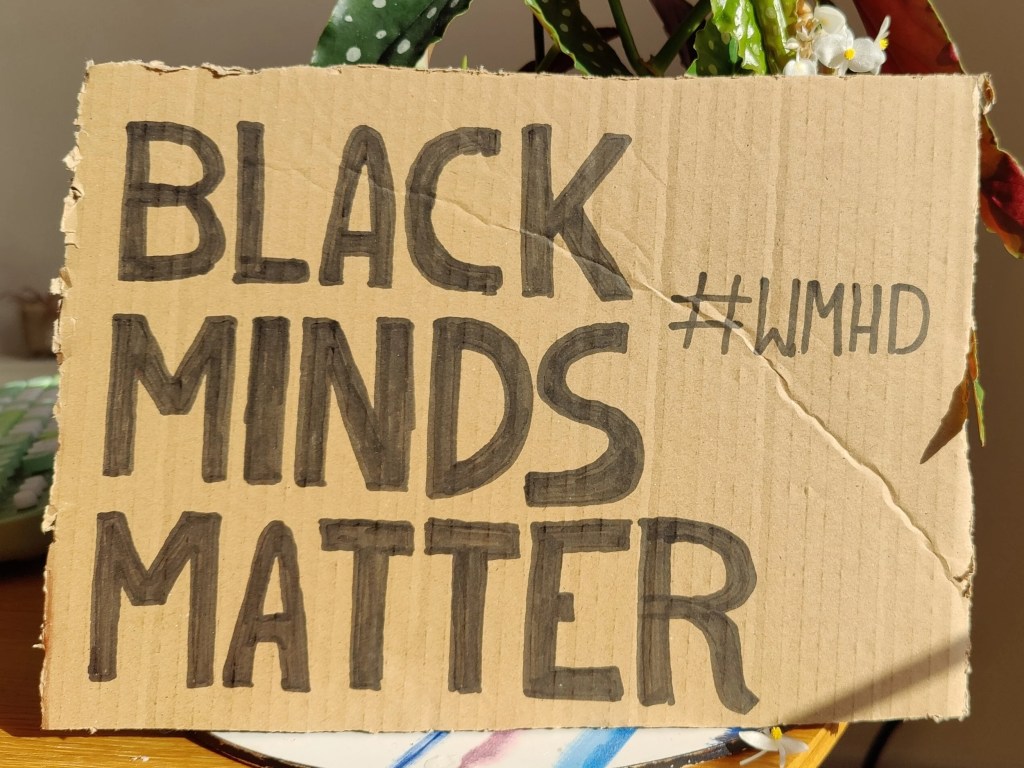
For Black communities in Britain, this conversation is deeply important. Mental health is not separate from the realities many Black people face every day. Racism, school exclusions, over-policing, workplace discrimination, financial pressure and social isolation all impact emotional wellbeing. Black people are often expected to carry stress, trauma and pressure silently while still continuing to survive systems that were never built with us in mind.
That is why Black-led spaces matter.
Black-led spaces create environments where Black people feel understood without having to constantly explain themselves. They allow people to exist without their experiences being minimised or dismissed. In these spaces, culture, identity and lived experience are recognised as important parts of healing.
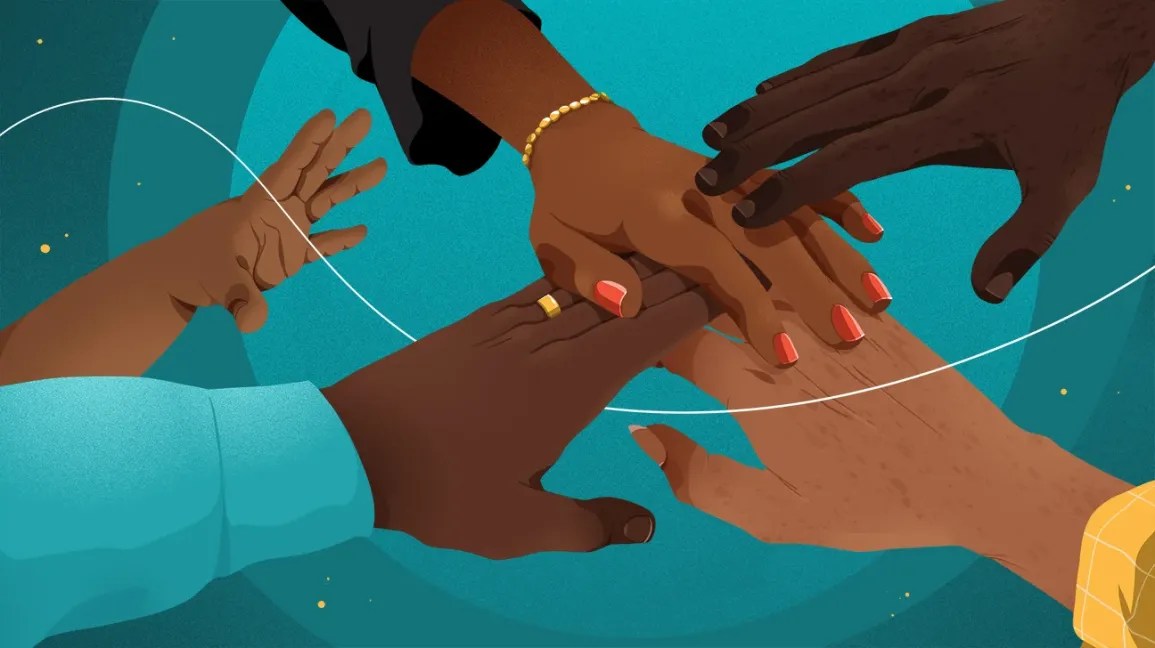
Healing in Black communities has always existed collectively. Long before mental health became a mainstream public conversation, Black people created support networks through family, friendship groups, churches, community centres, youth projects, salons, barbershops and grassroots organisations. These spaces have often acted as places of safety, comfort and survival.
Healing is not only about therapy sessions or medical support, even though those services are important. Healing can also look like being in community, sharing stories, laughing together, listening to music, creating art, resting or simply feeling safe enough to be yourself.
The theme of Action asks all of us to think about what meaningful support actually looks like. Action could mean checking in on a loved one, setting boundaries, attending a community event, supporting Black-led organisations or speaking openly about racial trauma and wellbeing. It could also mean challenging the systems that continue to harm Black mental health.
At BLAM UK, we believe healing must be culturally grounded, community-led and rooted in justice. Black wellbeing deserves more than temporary attention during awareness weeks. It deserves long-term care, investment and protection.
Our mission is to create spaces of joy and freedom for Black people in the UK. Our Zuri Therapy programme was designed for Black British people, co-developed with Black therapists, and focused on racial trauma, racial microaggressions, identity, creativity and healing. That is what action can look like in practice. It can look like funding Black-led spaces, defending them, sharing them, and using them. It can look like directing people towards BLAM UK, Bayo and therapist networks such as BAATN. As Audre Lorde taught, self-preservation is political. For Black communities, healing is not separate from struggle. It is part of how we survive, how we care for each other, and how we build freedom.