
Windrush Day:
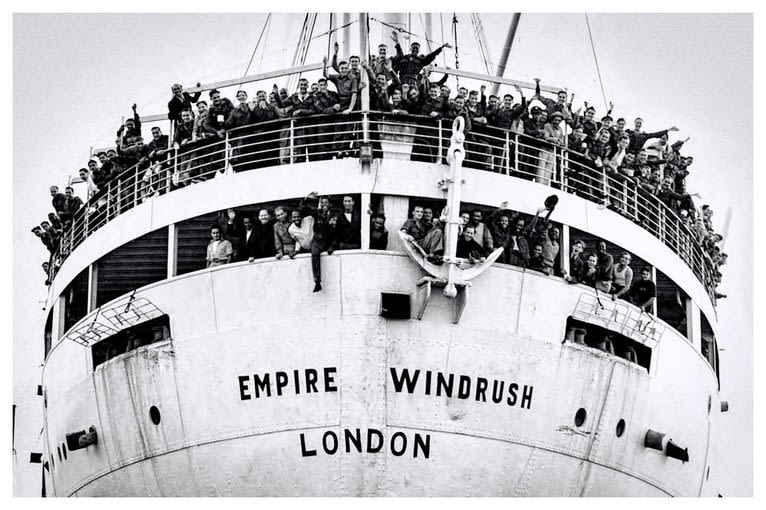
This year the 22nd of June will mark Windrush Day, a day commemorating the 76th anniversary of the Empire Windrush’s arrival in Britain in 1948 and the many Caribbean people who migrated to Britain in the decades to follow.
Did You Know: Approximately 50,000 people from the Caribbean were invited to the UK. The Empire Windrush alone carried over 800 Caribbean passengers.
A Brief History:
In 1948, the British Nationality Act granted citizenship and right of abode to all members of the British Empire, including those from the Caribbean. Many travellers between 1948 and 1971 came from Jamaica, Trinidad, St Lucia, Grenada and Barbados, all ready to start new lives.
Despite being invited to relocate in Britain, many Caribbeans experienced racism and discrimination, particularly in education, employment and housing, creating numerous challenges which are still being felt by generations today.
Today, Windrush Day is used to celebrate the culture and legacy of the Windrush Generation, and an opportunity to celebrate the contributions of British Caribbean communities to British society, and their influence on British culture. It is also important to recognise the sacrifices many Caribbean people made when coming to Britain such as leaving children and other family members behind, with hopes of reuniting at a later time.
The descendants of the Windrush generation have worked hard to keep the histories and stories of their families alive.
Andrea Levy’s famous novels were inspired by her Jamaican heritage. Her novel Small Island was adapted into a two-part television drama by the BBC in 2009. In an revealing and significant scene, ‘Hortense Dreams of England’, the narrative captures how the Caribbean migrants were socialised into believing imperialism and white supremacy would benefit them. The scene is a powerful indicator of the beliefs and mindset which influenced the initial experiences of some of the Windrush Generation.
Did You Know: Empire Windrush’s first stop was in Essex at Tilbury Dock, before heading towards London.
BLAM’s Research on Windrush:
Over the years, BLAM UK has researched the histories of the Windrush Generation.
As part of the Grounded Project, BLAM has taught primary and secondary schools about the influence the Windrush Generation has had on British culture. Such as the creation of Lovers Rock genre, invented in response to racial discrimination and alienation. Additionally, BLAM has examined how Black British Fashion was shaped by the arrival of the Windrush Generation. Our blog delves into the historical significance of the skills, styles and fashions brought over from the Caribbean which enriched the fashion landscape with vibrant and diverse influences. It also celebrates the trailblazing influencers who have paved the way for contemporary designers to shine on a global scale.
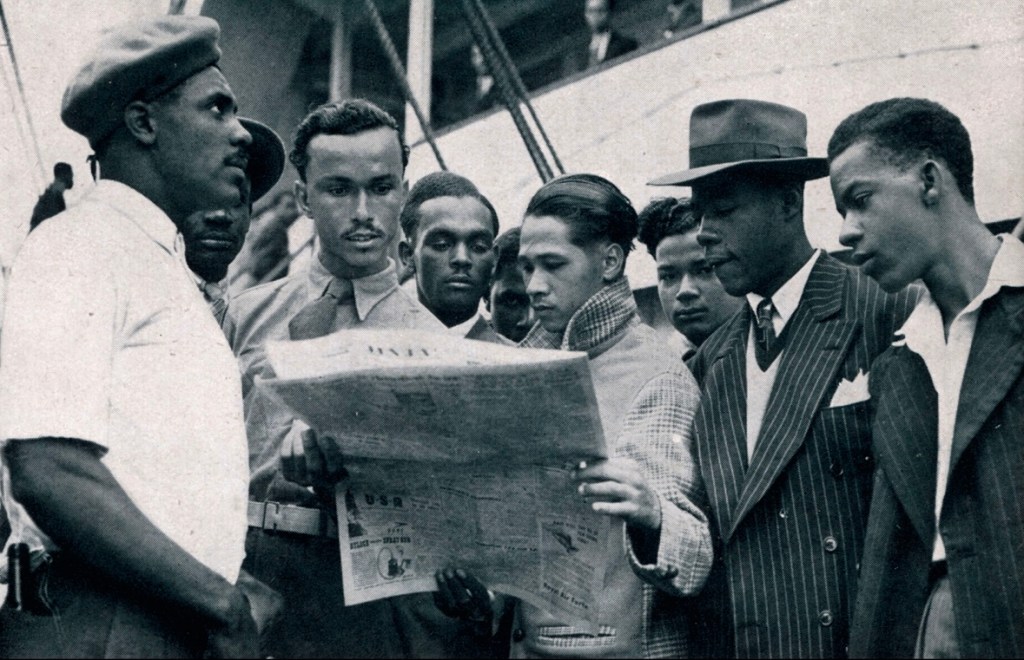
Our blog on The History of Brixton shares stories on the famous Borough of Lambeth.
Brixton is sometimes referred to as ‘Little Jamaica’ due to its large Jamaican population. It is also home to Windrush Square, an open space in the heart of Brixton commemorating the arrival of the Empire Windrush.
Following World War II, the Windrush Generation built up their communities in Brixton, providing foods which had never been sold before to become more accessible, such as plantain and yams. This growth had a trickle down effect on other communities such as Indian and West African migrants who were also able to preserve their cultures in a new environment.
Did you know: Approximately 800,000 thousand Jamaicans and those of Jamaican descent live in the U.K.
The Controversies:
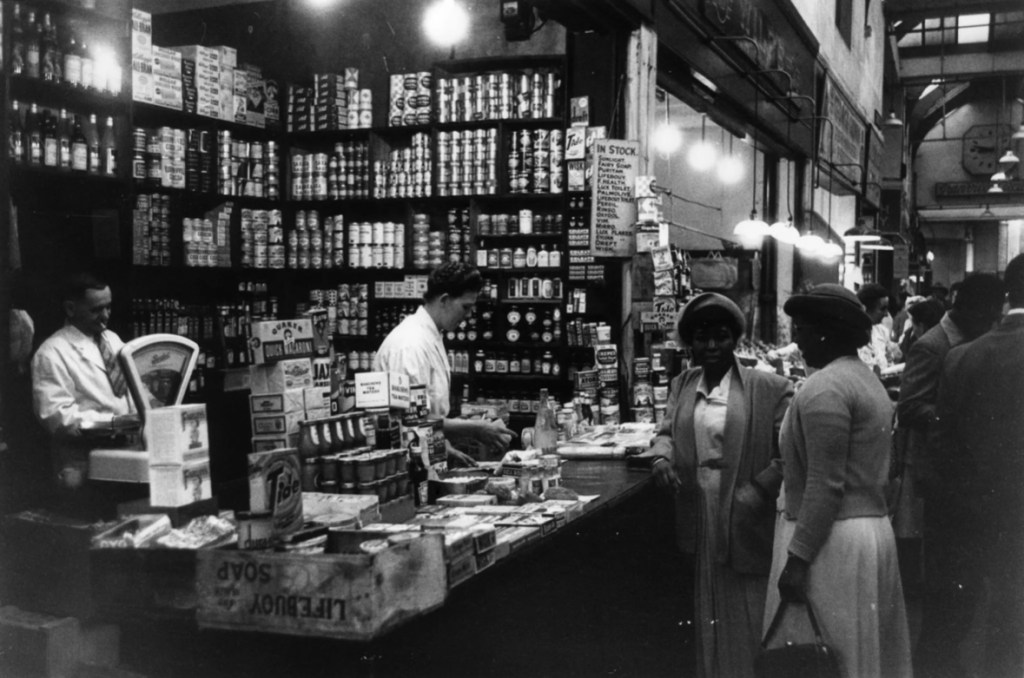
BLAM has also delved into the The Lesser-Known Stories Behind the Windrush Scandal. This publication followed the 2018 controversy stemming from government sanctioned offences which saw Afro-Caribbean descendants’ human rights violated through unlawful detainment, and even deportation orders being executed. Evidence was found regarding discriminatory legislations and practices occurring for years before the news was exposed. Our book, which we will share in more detail later, highlights the responses to the Windrush scandal, particularly looking at the Poems on the Underground: Windrush. This archive of poems by Caribbean authors expresses their experiences during that time and examines the implications for Black British culture today.
Learn More:
Purchase BLAM’s Curriculum approved: Global Black Narratives for the Classroom: Britain and Europe: Practical Lesson Plans, Worksheets and Activities for Ages 7-11
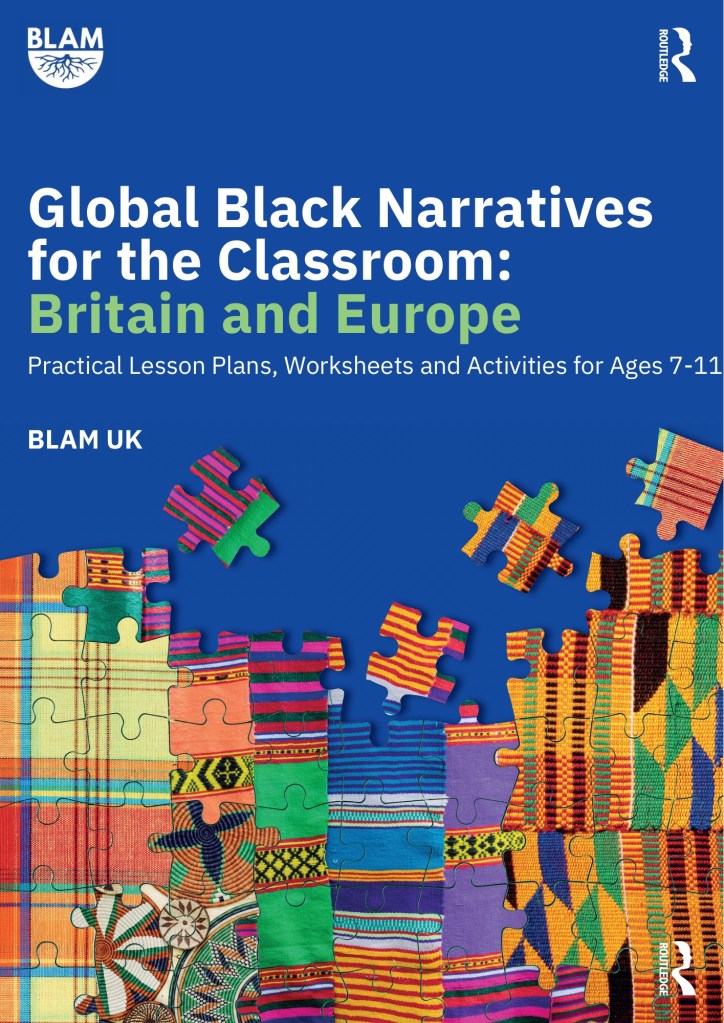
Learn more about Windrush with our practical resource guide, Global Black Narratives for the Classroom: Britain and Europe. It offers primary education teachers a comprehensive outline of Black history, culture, and life within the UK’s National Curriculum.
Chapter 13 – (From one Small Island to another – Windrush), offers an in-depth study of the Windrush Era. It includes engaging activity tasks and resources. The main objectives of our Windrush era lessons are: to develop empathy through engaging with Caribbean authors, to understand cultural experiences through word retrieval, and to reflect on how Black identities shaped social experiences through migration.
Global Black Narratives covers historical figures such as Claudia Jones, a.k.a Mother of Notting Hill Carnival, her community activism in response to racial tension. Historic events such as the Bristol Bus Boycott which parallels the US Civil Rights Movement. Also exploring the Caribbean Artists Movement (CAM) and how it became a creative catalyst for change within the community.
Each topic in this essential book equips teachers, teaching assistants, senior leaders, and parents with historical, geographic, and cultural context to confidently plan and teach from decolonised perspective, with culturally aware content. It includes full lesson plans, printable worksheets, and tips for developing future lessons aligned with the explored themes.
More about Global Black Narratives:
Created by BLAM UK, this highly informative yet practical resource is an essential read for any teacher, teaching assistant or senior leader who wishes to diversify their curriculum and address issues of Black representation within their school.
It is published in two practical and comprehensive volumes. Volume 1 covers Africa, the Americas and the Caribbean, whilst Volume 2 includes Britain and Europe.
Each volume can be used individually for teaching but when used together they provide a truly global perspective on black history and culture.
 BLAM UK CIC