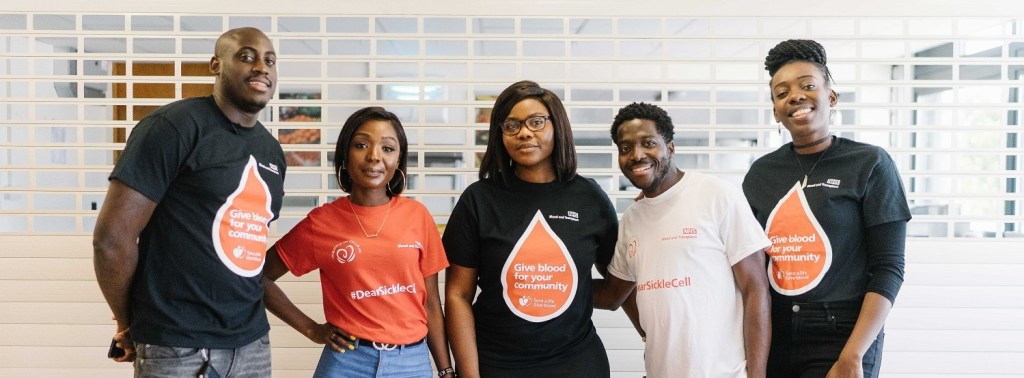
September is Sickle Cell Awareness Month. But for people whose health depends on regular transfusions, awareness is not enough. There must be blood available when they need it.
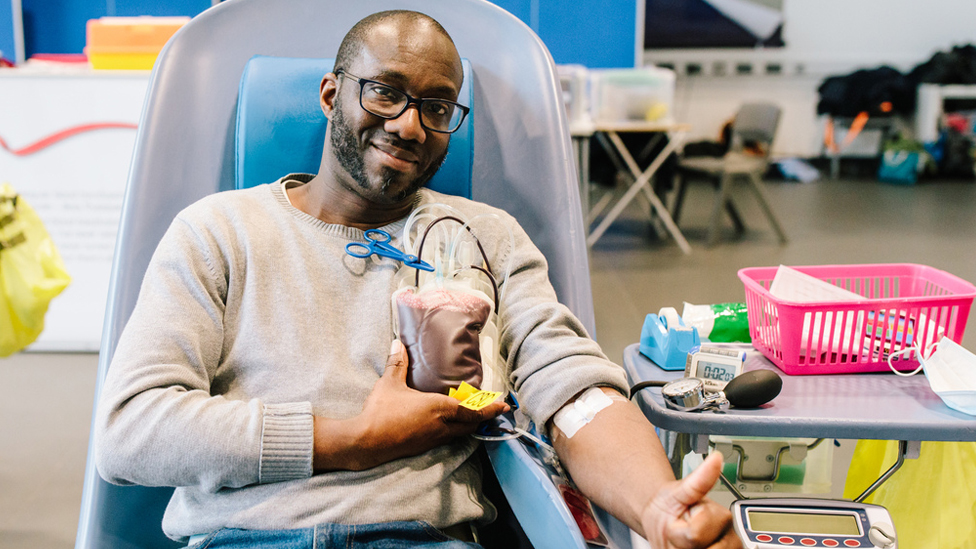
Around 10,000 people living with sickle cell are based in London, out of approximately 19,000 across the UK. Yet just 3% of blood donors nationally are from Black communities, according to the NHS London appeal reported by London Post.
These figures deserve attention. They should spark collective action—not blame.
Why Black donors matter
Sickle cell is an inherited condition that can cause red blood cells to become rigid and sickle-shaped, obstructing blood flow and causing severe pain and potentially life-threatening complications. Many people rely on blood transfusions to manage their condition.
For people receiving repeated transfusions, careful blood matching helps reduce the risk of developing antibodies that make future transfusions harder to match. The Ro blood subtype, particularly important in sickle cell treatment, is much more common among people of Black African and Caribbean heritage. NHS Blood Donation explains why more Ro donors are needed.
This does not mean blood is divided into racial categories. Matching depends on specific characteristics of red blood cells—not simply someone’s ethnicity. But a more diverse donor pool increases the chances of finding suitable matches.
For Black Londoners, this is close to home. Behind the figures are our neighbours, friends and families.
Black communities made Britain listen
Britain’s sickle cell movement has a history of Black organising.
In 1975, Dr Neville Clare founded OSCAR, creating a platform for sickle cell education and community support. In 1979, Dame Elizabeth Anionwu became the UK’s first sickle cell nurse specialist, helping establish the pioneering screening and counselling centre in Brent. The Sickle Cell Society was also established that year. These histories are documented by BLAM UK and the Royal College of Nursing.
Their legacy is not simply one of individual achievement. It is a reminder that communities organised to make their needs impossible to ignore.
Our care. Our power. Our future.
The fact that just 3% of donors nationally are Black does not have to define our future.
Mobilising through our community organisations, friendship groups, workplaces and places of worship can turn blood donation into collective care. Sharing reliable information, supporting a nervous first-time donor or arranging to attend appointments together makes solidarity practical.
But community care must never become an excuse for institutional abandonment. Blood donation cannot replace properly funded specialist services, timely treatment or accountability for racism. We can protect one another while demanding that healthcare institutions fulfil their responsibilities.
Turn awareness into action
If you are eligible, register and book an appointment through NHS Give Blood. You do not need to know your blood type before registering.
If you cannot donate, you still belong in this movement: share trusted information and amplify people living with sickle cell.
Our communities deserve more than awareness. We deserve care, dignity and the resources to thrive.