
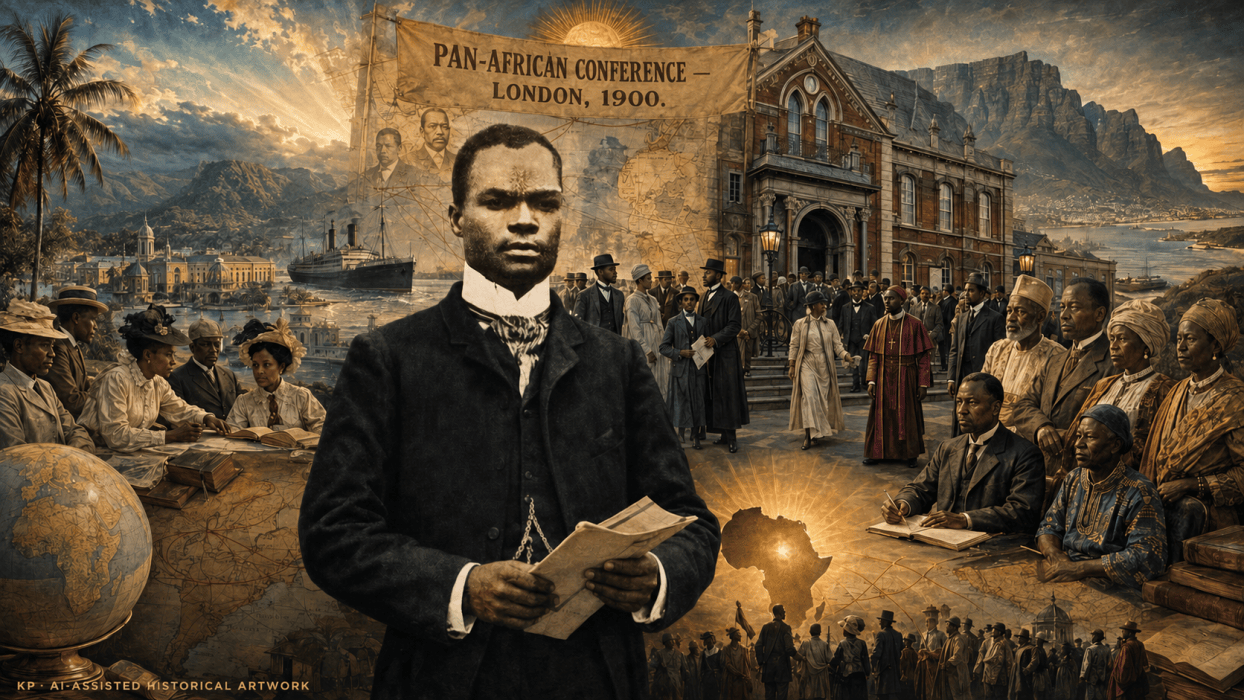
On 24 September 1897, Black organisers in London founded the African Association as European empire was violently remaking Africa. Henry Sylvester Williams understood a truth that still matters. Racism and colonial domination crossed borders, so Black resistance had to cross borders too. The Association helped build an early infrastructure for modern Pan African politics. Today that internationalist logic lives in reparations campaigns moving through courts, governments and communities from Jamaica and Ghana to Namibia, Kenya, Britain and the United States. The form has changed. The demand for repair has not.
London 1897 and the Black internationalist answer to empire
The African Association was founded in London on 24 September 1897, with Trinidadian organiser and future barrister Henry Sylvester Williams among its central organisers, alongside South African activist Alice Kinloch and Antiguan clergyman H Mason Joseph. It sought to connect Africans and people of African descent and confront racial injustice across Britain’s African and Caribbean colonies. In July 1900, it organised the First Pan African Conference at Westminster Town Hall, helping transform the African Association into the Pan African Association.
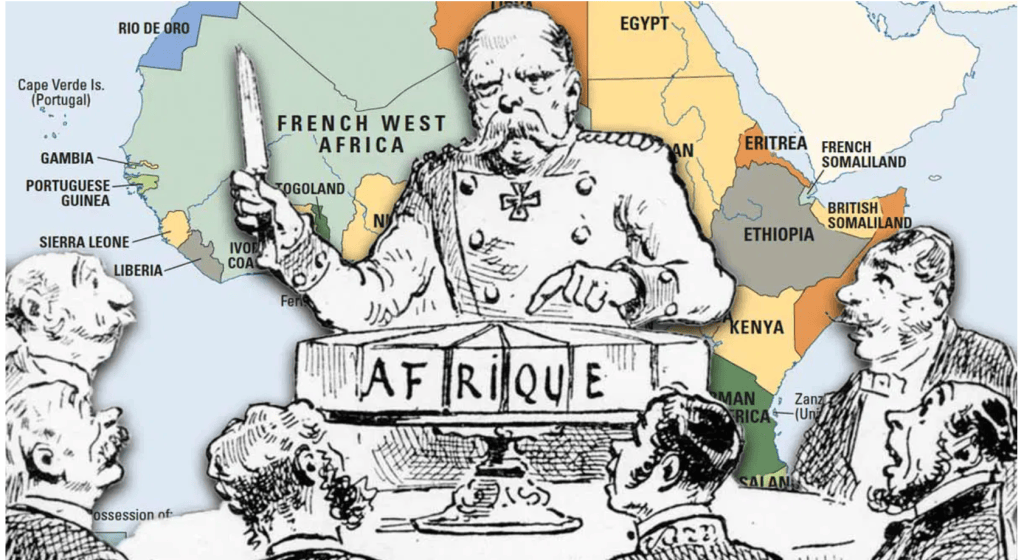
This politics did not emerge in a vacuum. The Berlin Conference of 1884 to 1885 brought imperial powers together to regulate European competition in Africa.
No African representative sat at the table. Berlin did not literally draw every modern African border, but it legitimised rules for colonial occupation and helped fuel the Scramble for Africa. The African Association emerged as a Black led counter to an imperial order that treated African land, labour and sovereignty as objects for European control.
Empire organised internationally. Black people answered internationally.
From resistance to material redress
No single organiser invented reparations. But Williams and his contemporaries helped build a transnational Black political tradition that later generations expanded through education, protest, law and demands for restitution. The 1900 conference established a powerful principle at the heart of Pan African politics. African people and people of African descent could organise globally and lead struggles for their own liberation.
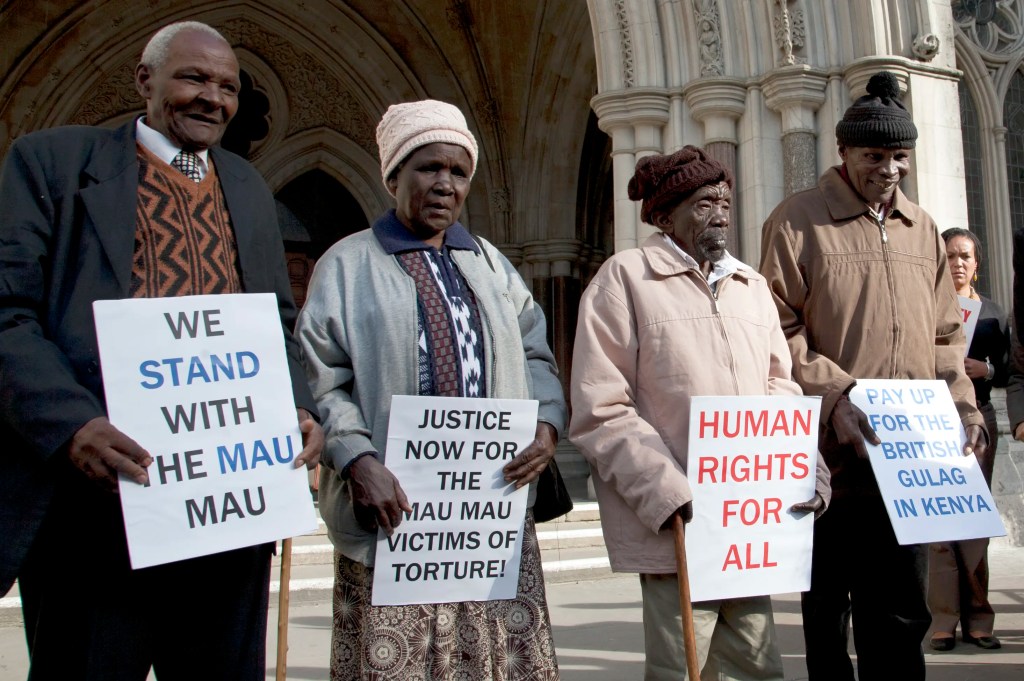
In 2013, after litigation by Kenyan survivors of colonial abuses during the Mau Mau Emergency, the UK government reached a £19.9 million settlement covering 5,228 claimants and expressed regret for torture and ill treatment. Britain nevertheless continued to deny legal liability.
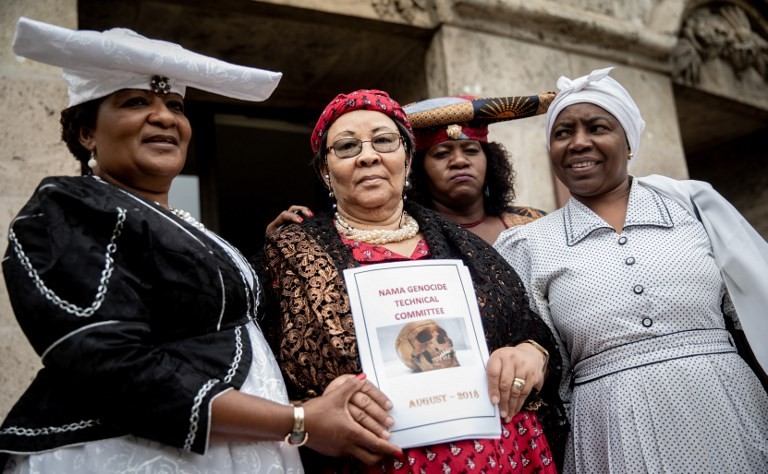
In 2021, Germany formally recognised the colonial mass killing of the Herero and Nama as genocide and announced €1.1 billion for reconstruction and development.
But Germany explicitly said legal compensation claims could not be derived from the agreement. Herero and Nama representatives have continued to argue that the settlement falls short of genuine reparations.
These were breakthroughs. Not the finish line.
So what does that struggle look like 129 years later?
Reparations has become global statecraft
In September 2026, Jamaica pushed reparatory justice into a new legal arena after King Charles referred its petition to the Judicial Committee of the Privy Council for legal advice. The questions include whether Britain has an obligation to provide restitution for slavery and its enduring consequences. This is not yet a judgment ordering Britain to pay. It is a state led attempt to force the unfinished business of enslavement into legal scrutiny.
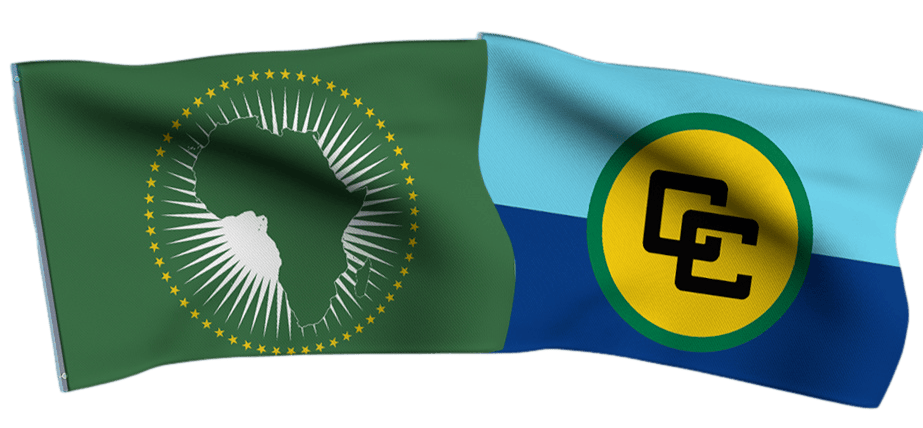
Africa and the Caribbean are coordinating too. In June 2026, the African Union and CARICOM Commission on Reparatory Justice adopted a 19 point plan including the return of looted artefacts, formal apologies, debt relief, a global reparations fund and financial compensation. The AU and CARICOM have also begun operationalising a joint mechanism for reparatory justice. On 24 September 2026, Ghana’s foreign minister Samuel Okudzeto Ablakwa said Western support was growing, with restitution of stolen African artefacts the campaign’s first focus.
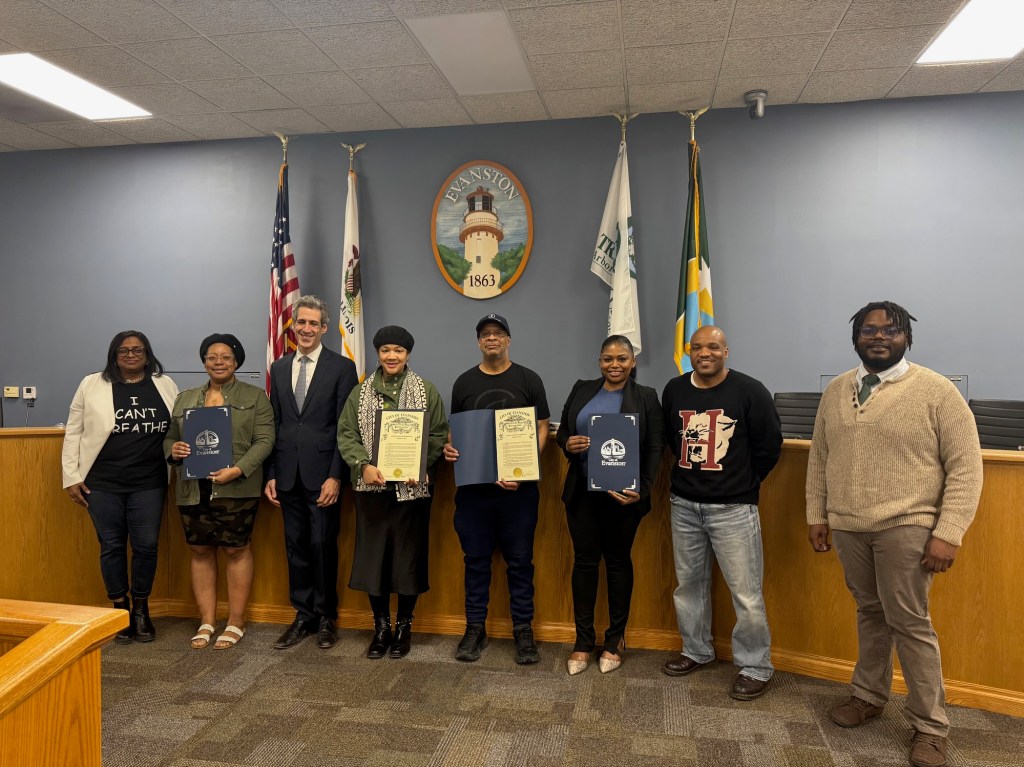
In the United States, Evanston, Illinois became the first US city to compensate Black residents for historic discrimination and has issued $25,000 grants to more than 300 people. The Trump administration’s Justice Department is now backing a legal challenge against the programme. Repair is being built, contested and defended.
Black Britain and the work ahead
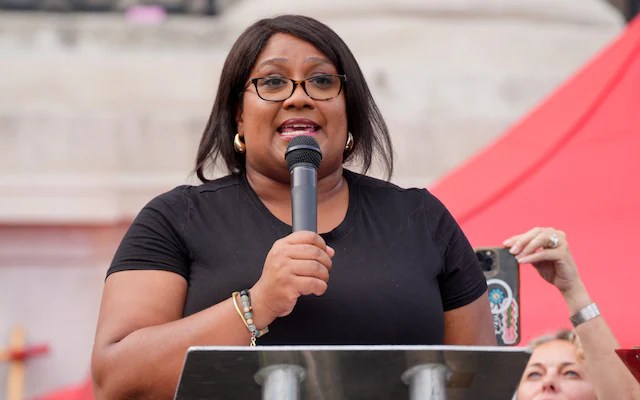
Labour MP Bell Ribeiro Addy has argued that the millions of voters of African descent in Britain possess enough collective political weight to push reparatory justice higher onto Parliament’s agenda. That is Ribeiro Addy’s political argument. But it also speaks to a longer history. Black political education, community organisation and historical memory have repeatedly helped turn demands dismissed as impossible into questions institutions can no longer ignore.
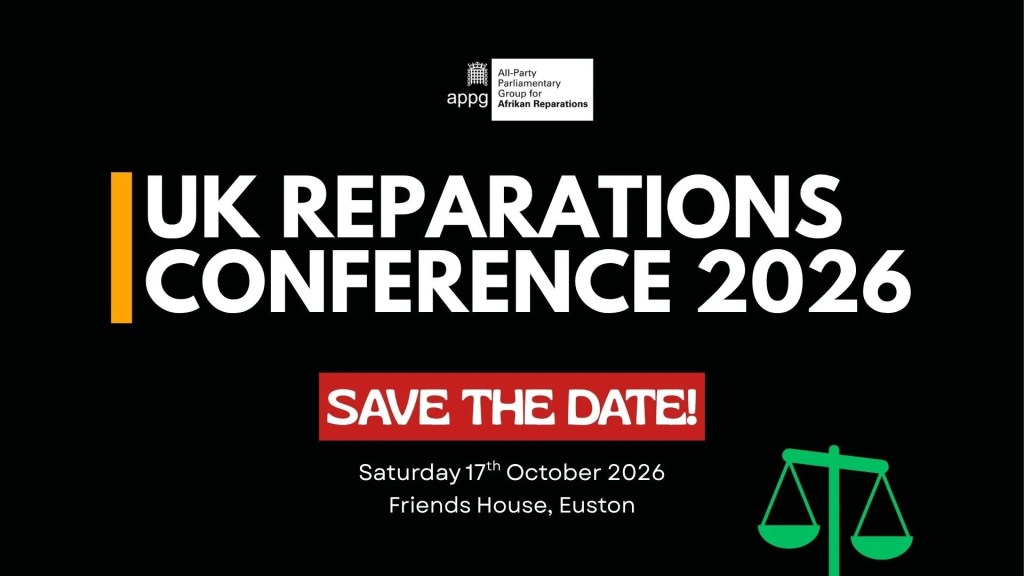
The All Party Parliamentary Group for Afrikan Reparations says its annual UK Reparations Conference returns to Friends House in London on 17 October 2026. The 2026 event information lists both in person and virtual attendance, bringing grassroots organisers, campaigners, policymakers, legal experts and international partners into the same conversation. The APPG describes the conference as part of its continuing work examining reparative justice and the legacies of enslavement and colonialism.
One hundred and twenty nine years after the African Association, the principle remains radical and simple.
Our histories are connected. Our struggles are connected. Recognition is not enough. Justice requires repair.

