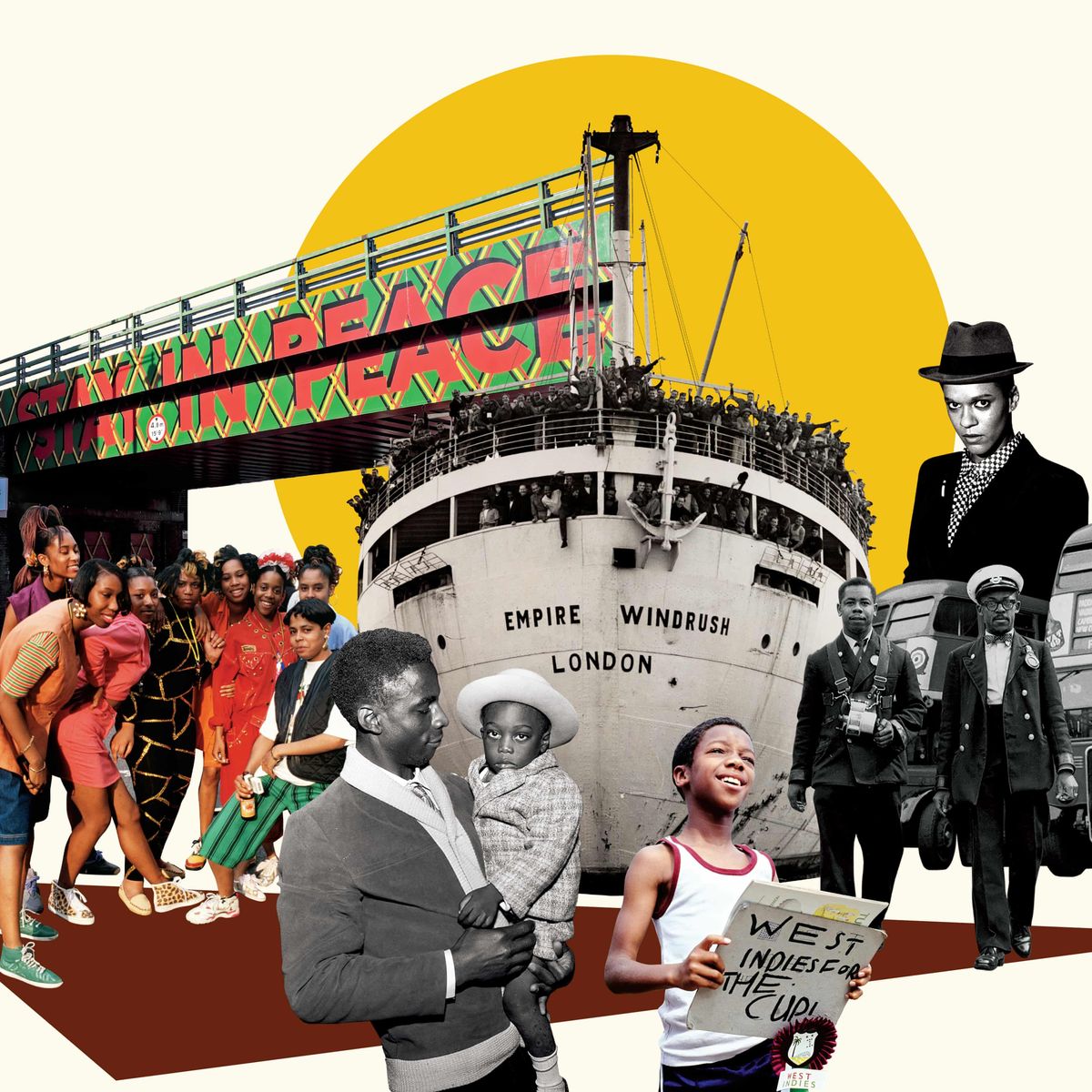
When we picture Black British history, which places come to mind? London, Birmingham, Bristol? What about Cardiff, Barry or Edinburgh? And when we discuss Black history across the United Kingdom, where does Belfast feature?
This Black History Month, honouring our communities means widening the picture. The places we overlook matter. They shape whose presence is recognised, whose achievements are taught and which children grow up seeing themselves reflected in the histories around them.
Betty Campbell changed what children could learn
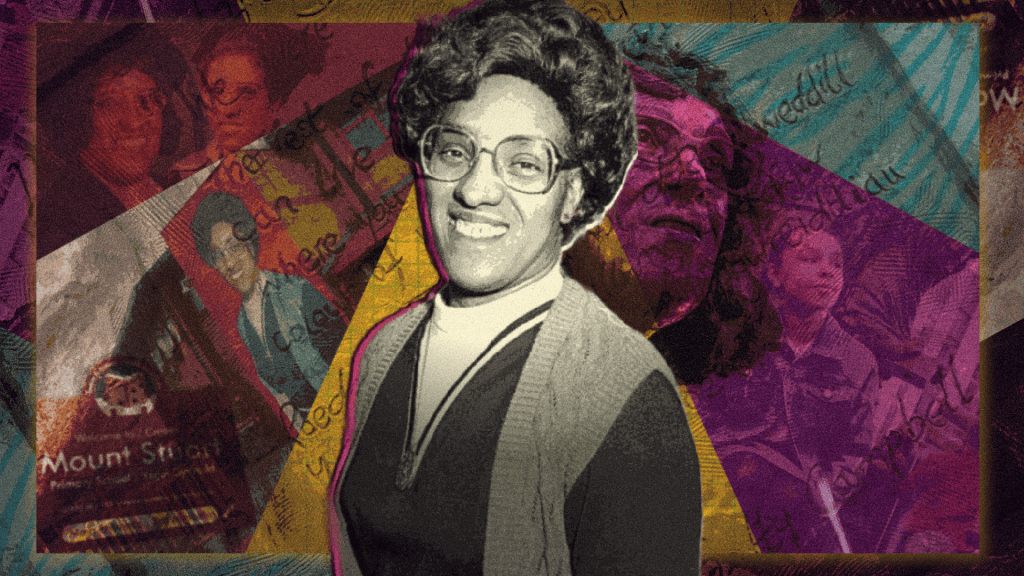
Born in Butetown, Cardiff, in 1934, Betty Campbell was told that becoming a Black teacher would be impossible. She became Wales’s first Black headteacher at Mount Stuart Primary School.
Campbell brought Black history, enslavement and apartheid into her teaching, helping establish the school as a model for multicultural education. She understood that education could challenge the prejudices children encountered beyond the classroom.
Her legacy raises a question that remains central to BLAM’s work. What happens when Black children enter classrooms where their communities’ histories are missing?
Abdulrahim Abby Farah connected Barry to African liberation
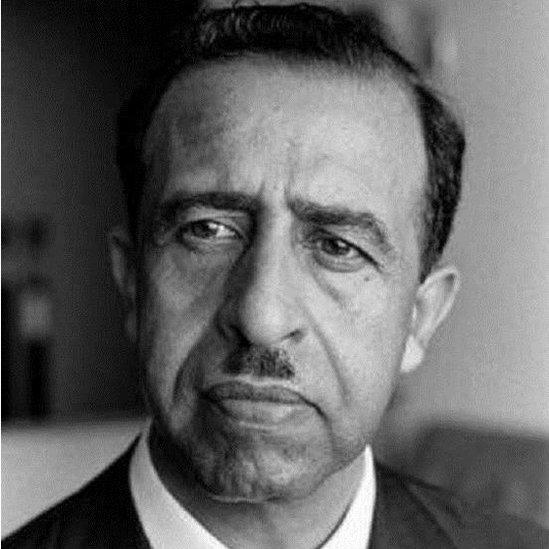
Born in Barry in 1919 to a Somali father and British mother, Abdulrahim Abby Farah grew up in a multicultural dockland community.
He became Somalia’s representative at the United Nations, chaired its Special Committee Against Apartheid and later led a UN mission to South Africa in 1990.
His story connects Welsh history to African diplomacy and international resistance to racial domination. Black communities in Wales were shaping struggles that reached far beyond Britain.
Louis Bruce made history before history recognised him
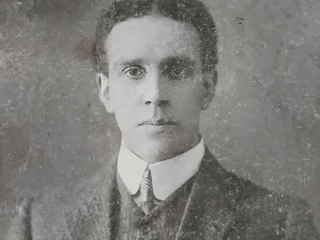
Born in Edinburgh in 1875, Louis Bruce competed in wrestling at the 1908 London Olympics. He is the earliest known Black athlete to represent Great Britain at the Games, a distinction researchers only established in 2022.
He was also London’s first known Black tram driver and later became an inspector.
His belated recognition exposes a problem with how history is remembered. A person can appear in the records for generations while the significance of their life remains overlooked.
Jackie Kay expanded Scotland’s cultural imagination
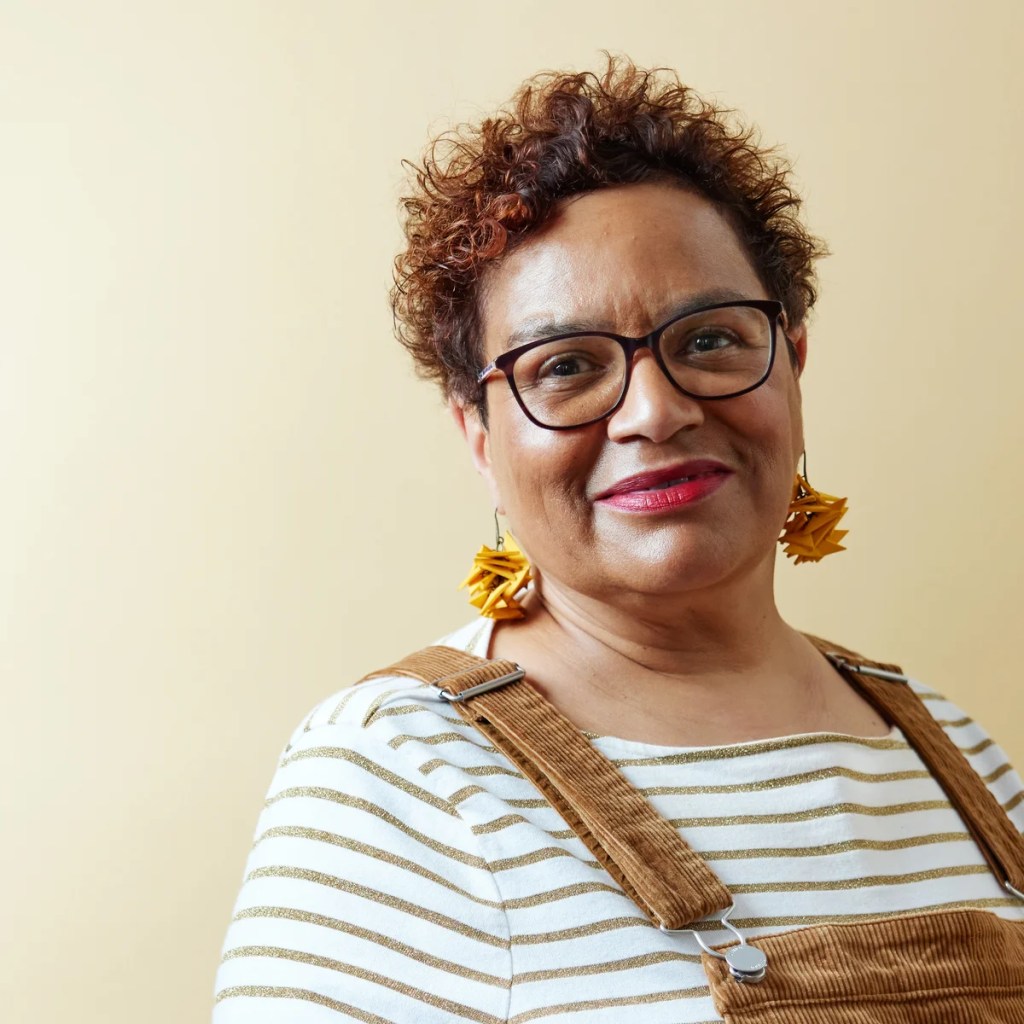
Born in Edinburgh in 1961 and raised by adoptive parents in Glasgow, Jackie Kay explores race, adoption, sexuality and belonging through poetry, fiction and memoir.
From 2016 to 2021, she served as Scotland’s Makar, its national poet.
Her writing gives Black Scottish experience space, complexity and authority. It challenges the assumption that Scottish identity has a single colour, ancestry or story.
Rachael Baptist brings Belfast into the picture
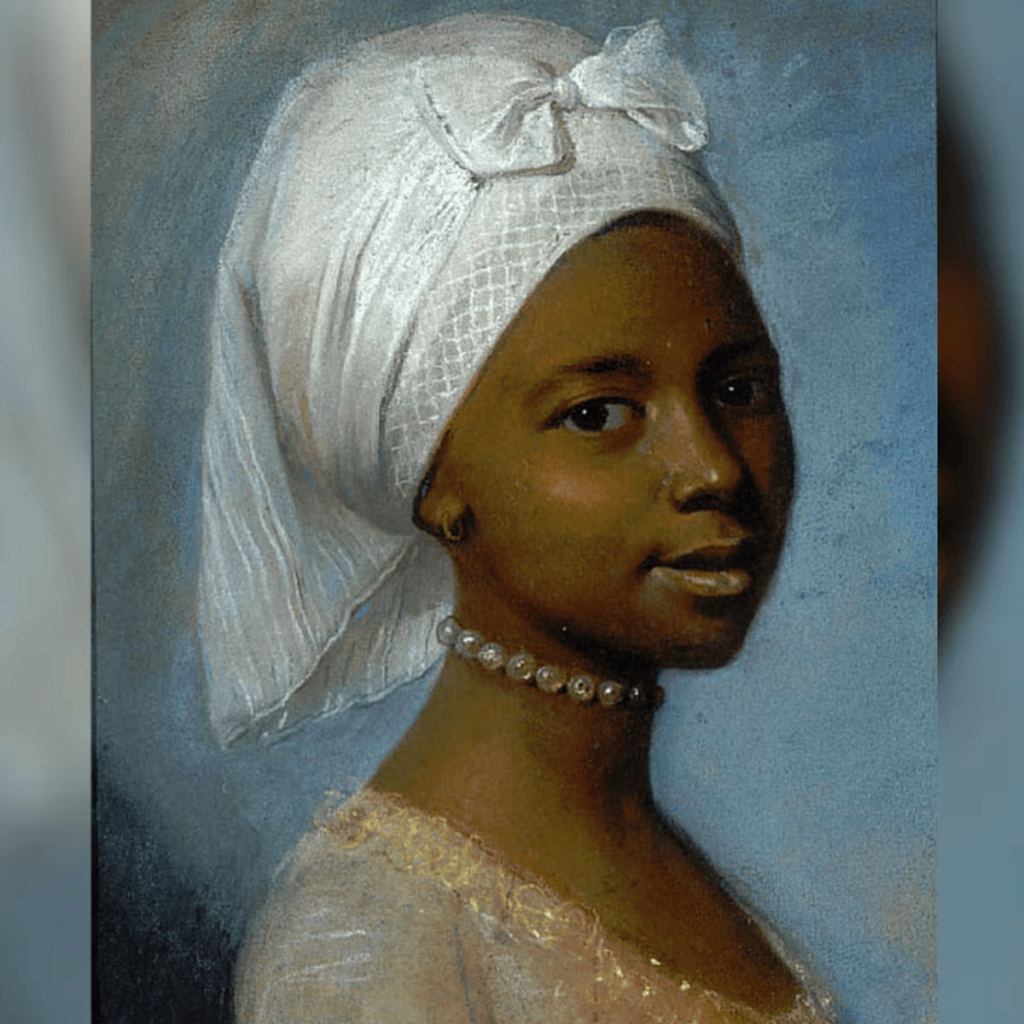
Rachael Baptist’s first recorded Dublin performance took place in 1750. The celebrated Black singer performed across Ireland and England, including concerts in Belfast, Lisburn, Downpatrick and Carrickfergus in 1772 and 1773.
Her life belongs to Irish history and predates the creation of Northern Ireland. Her performances nevertheless place Black artistry firmly within the history of places now in Northern Ireland.
That distinction matters. Recovering Black histories should respect the identities and contexts in which people lived.
Honouring our communities means changing what we remember
These five lives are starting points. Black history also belongs to families, workers, organisers and neighbours whose names rarely reach textbooks.
At BLAM UK, we believe Black children deserve an education that affirms their belonging and equips them to challenge racism. Nobody should have to become exceptional to earn a place in their community’s history.
Whose story is missing from the history you were taught? Share this article and help widen the conversation.

