
Black people have demanded repair for enslavement, colonial exploitation and their enduring consequences. Time after time, British governments have refused financial reparations. Now, explicit Black English census recognition is being offered as a challenge to racial exclusion.
BLAM’s question is simple. What changes for Black lives?
Recognition can matter. But presenting it as racial progress without redistributing resources or changing institutional practices turns the debate into a political distraction.
One politician cannot represent every Black experience
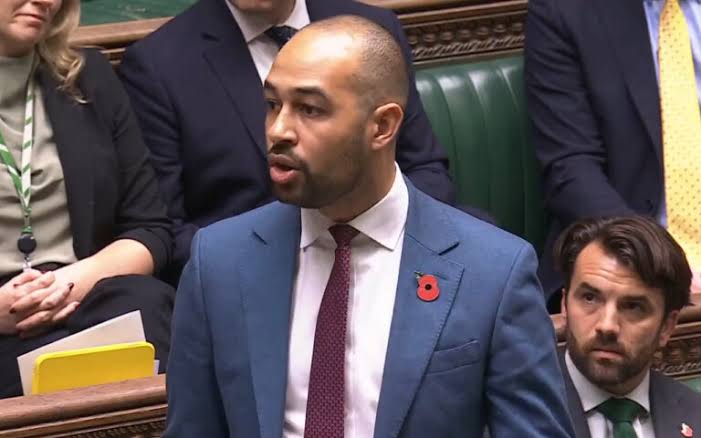
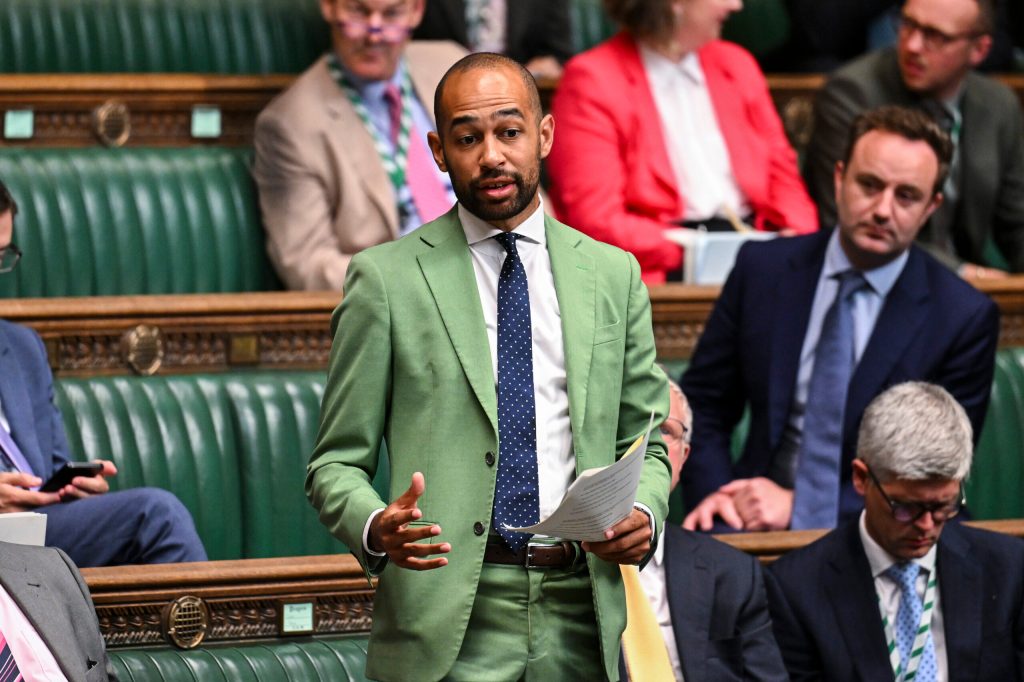
Liberal Democrat MP Josh Babarinde, who has mixed Black heritage, can advocate for his identity. His experience cannot stand in for every Black person’s relationship with England.
Colourism matters here. It privileges lighter skin and features associated with whiteness, while penalising darker skin. Black representation must therefore ask whose experiences receive authority and whose remain marginalised.
Mixed heritage and skin tone are not interchangeable. Neither ancestry nor appearance determines someone’s politics. Babarinde’s heritage alone cannot establish why his proposal receives attention.
The institutional question remains: are diverse Black communities shaping priorities, or are selected voices being treated as a collective mandate? Darker-skinned Black people and grassroots organisers must have meaningful influence.
Black British does not need correcting. The proposal adds choices; it does not abolish that identity. People must remain free to claim Englishness, reject it or hold overlapping identities.
Racial domination predates the census debate
White nationalism claims the nation for white people, casting others as outsiders. Fascism combines authoritarian ultranationalism with attacks on democratic pluralism and the legitimisation of political violence.
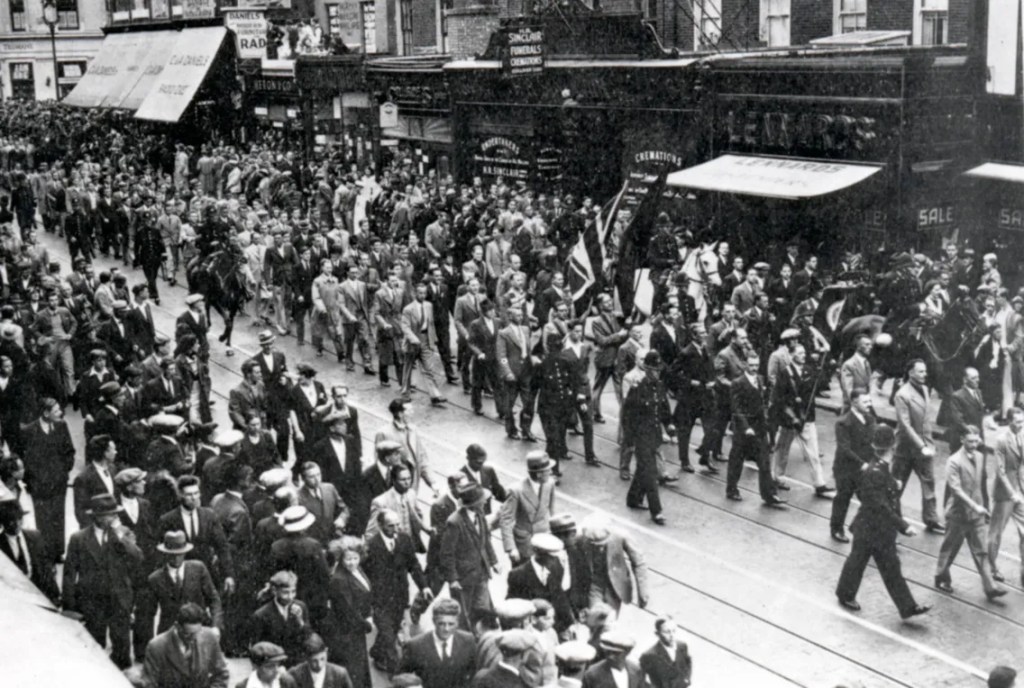
From Mosley’s fascists in 1936 to the National Front at Lewisham in 1977 and the racist violence of 2024, Britain’s history demands confrontation with organised exclusion.
A census category cannot dismantle those movements or the institutions through which racial inequality is reproduced.
Recognition offered. Financial repair refused.
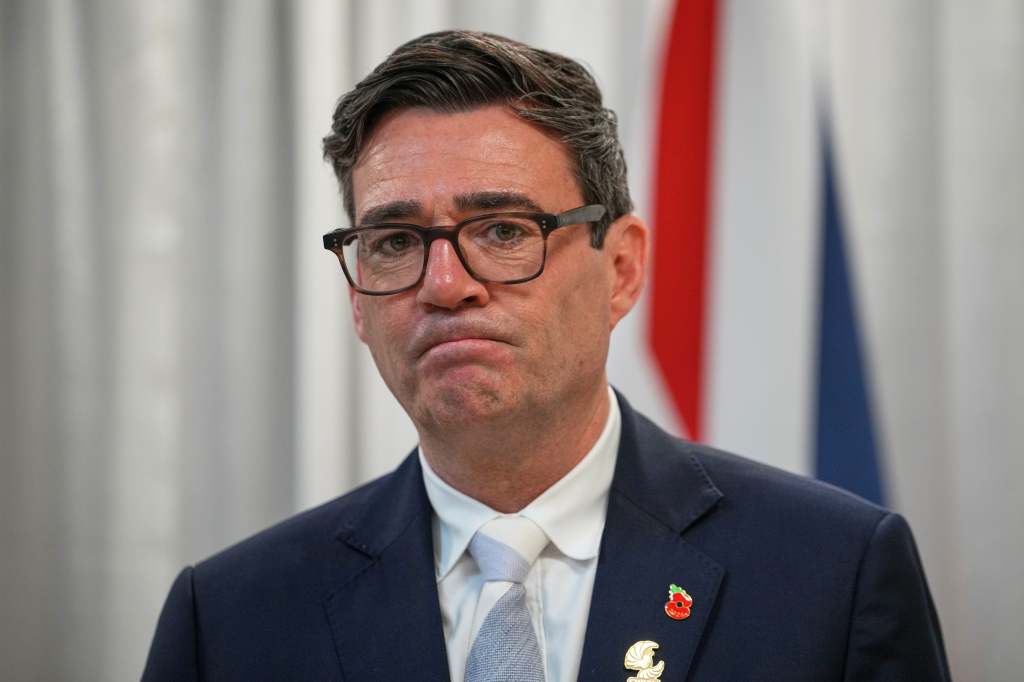
In July 2026, the government reiterated that it would not pay financial reparations. In October, Burnham again rejected financial reparations while signalling openness to an apology.
This is more specific than saying nobody listens. Officials acknowledge the history while refusing a central demand for material repair.
The contrast concerns political priorities. Census reform does not prevent reparations. But welcoming recognition while closing down financial repair leaves the distribution of wealth and power largely untouched.
Reparations campaigners are demanding justice, not personal guilt from every living British person. States and institutions must answer for their historical actions and continuing responsibilities.
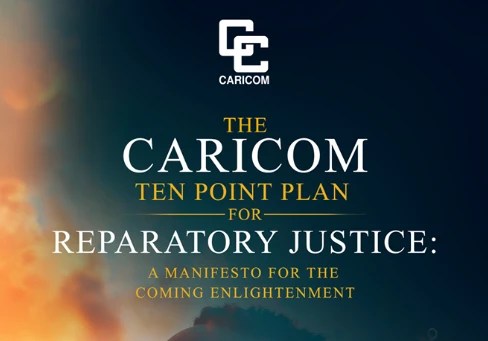
CARICOM’s reparatory programme includes health, education, psychological rehabilitation, cultural development, debt cancellation and monetary compensation. Repair is broader than a payment. Its breadth cannot justify excluding money before meaningful negotiation.
An apology must begin a process of accountability, with agreed commitments, scrutiny and remedies, rather than become the point at which the government considers its responsibility finished.
Black communities must shape repair
BLAM calls for serious negotiations on reparatory justice, with affected communities and countries shaping their scope. Black-led organisations need sustained funding and genuine decision-making power.
Black communities deserve safe care, educational support, secure housing and accountability for discrimination. Routine public services must not be relabelled as reparations.
Our freedom to name ourselves matters. Our demand for repair remains.
Reparations are justice. Recognition cannot settle the debt.

