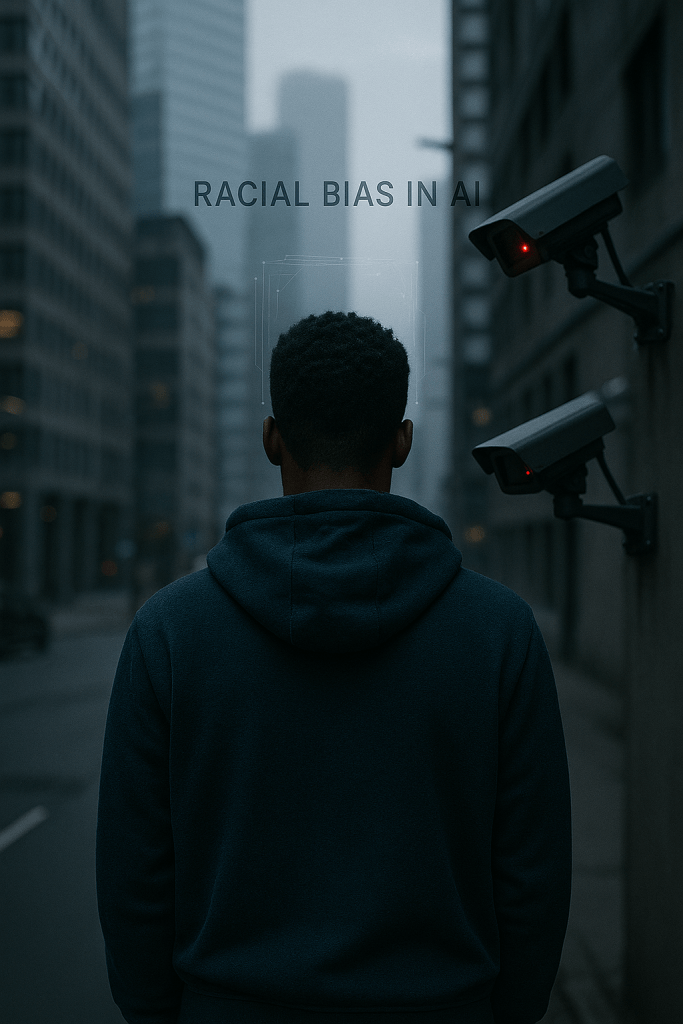
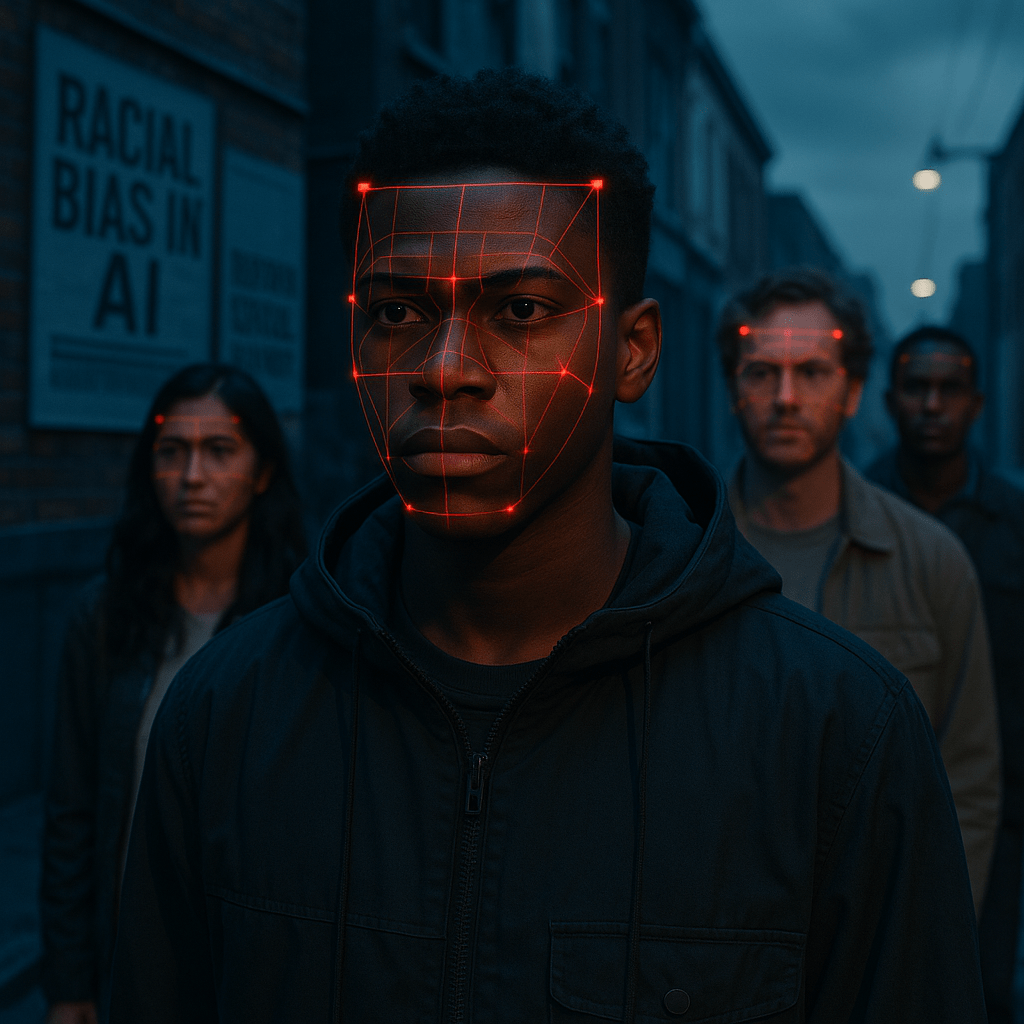
BLAM UK is launching a new project: “Investigating Racial Bias in AI-Enhanced Surveillance Technologies and Predictive Policing Models in London.”
We’re looking for a radical, strategic, and justice-oriented Senior Team Leader to help us lead this important work.
About the Project
This 18-month research project examines how AI tools used by the police, like facial recognition and predictive algorithms, may be reinforcing existing racial bias and deepening surveillance and criminalisation of Black communities in London.
These technologies are often trained on biased data, and as a result, can automate discrimination—especially against young Black people. Our goal is to uncover these harms, build legal and policy responses, and empower communities with the knowledge to challenge racist technologies.
What You’ll Do
As the Senior Team Leader, you’ll guide the full delivery of the project: from managing research activities to co-developing legal and policy recommendations. You’ll lead a small team and work closely with external legal experts and community partners.
You’ll be responsible for: 🔹 Coordinating research activities (e.g., FOI requests, interviews, analysis) 🔹 Facilitating team meetings and external partnerships 🔹 Leading the development of public reports and advocacy materials 🔹 Supporting legal accountability and grassroots campaign work
Who We’re Looking For
We want someone with a clear abolitionist lens, who understands the history and current realities of racialised policing in the UK, and who’s passionate about dismantling oppressive systems through rigorous, community-informed research.
We’re especially interested in people with experience in racial justice research, community organising, or tech policies, and who understands how policing, surveillance, and data intersect to harm Black communities.
Job Details
📝 Job Type: Freelance 💸 Pay: £25,000/year (Part-Time: 30 hours/week) 🕓 Schedule: Flexible, remote work (Monday–Friday) 📆 Application Deadline: 30 July 2025 🚀 Expected Start Date: 4 August 2025
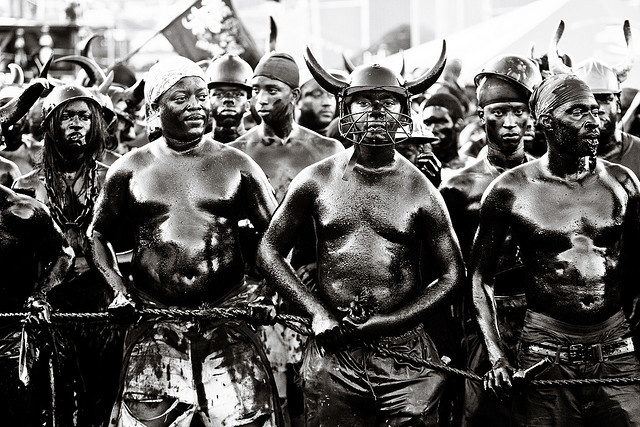
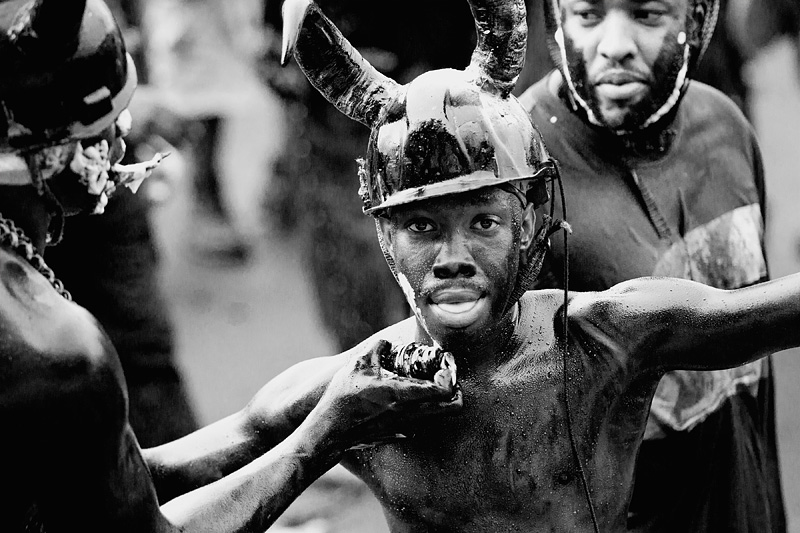
Jab Jab (from French diable, devil) is often misrepresented in media as something dark or demonic. In reality, Jab Jab is a proud Grenadian and Caribbean masquerade tradition rooted in resistance and celebration, not evil. It dates back to 1834, when slavery was abolished across the Caribbean. Freed people took to the streets at dawn on J’Ouvert, an early-morning carnival festival, covering themselves in black to celebrate liberation. Far from being servants of Satan, Jab Jabs were celebrating their freedom from devilish oppressors.
The name itself ,“Jab”, meaning devil was deliberately reclaimed by enslaved Africans who were derogatorily called “devils” by colonisers. By playing the devil, they mocked their masters. As Ian Charles of Jambalasee Grenada explains, Jab Jabs would take everything slave-owners said was “wrong” about them, their blackness, their wildness and “amplified it and took to the streets”. This is protest theatre, not devil worship. It’s the ultimate clapback: if you call me a devil, I’ll be the best devil you’ve ever seen, to flip your racist definition on its head.
Symbolism of JAB JAB:
Black Paint/Oil: Blackening the body has deep meaning. It connects participants to their African ancestry and the nightmarish torments of slavery.
On J’Ouvert, people coat themselves in oil, molasses, or paint (in London, washable paint replaces oil for safety). This was literally how freed slaves celebrated in Grenada. The black skin is not “witchcraft”; it’s a bold display of unity and Blackness, pride in the face of a world that once said their black bodies were “substandard”.
Horns: Shiny horns strapped to helmets aren’t satanic props, they’re a satirical puppet show. Enslaved people used Christian imagery against slave-owners, dressing up as the “devils” that plantation owners accused them of being.
By wearing horns, performers wear the devil’s outfit on purpose, an ancient form of rebellion. As one carnivaller put it, “We are ridiculing what the oppressors told us we are… you call me a devil? Well, I’ll show you a devil”
Chains and Props: You’ll often see chains, shackles, coffins, or even faux snakes. These aren’t tools of oppression here; they symbolize breaking out of oppression. A broken chain on the street is a powerful emblem of emancipation.
Colonial Tropes and Misunderstanding
Why then do some outsiders cry “evil!”? The answer lies in colonial history. European colonisers consistently demonised African and Caribbean traditions, branding them “primitive” or “satanic” to justify oppression. Practices like African Spirtuality or Vodou rituals were maligned as devil-worship by slave owners and missionaries.
Today, the same narrative resurfaces when well-meaning but uninformed critics misread J’Ouvert culture. Some social media users have even labeled Jab Jabs as “witchcraft” or “satanic” language lifted straight from the colonial handbook.
This is racist tropes, repackaged.
At Notting Hill Carnival (a Black British-Caribbean institution co-founded by Windrush pioneers), every year the same misunderstandings resurface. News coverage often highlights a few fearsome Jab costumed revelers as “eerie” or “devilish”, echoing the colonial script. But as Independent columnist Nadine White notes, this kind of sensationalism is exactly what those colonial masters wanted: to scare and discredit Black joy.
Reclaiming the Narrative
It’s more important than ever to reclaim Jab Jab from these tropes. Accusations of “evil” only erase the truth of this culture. Instead of gossiping that it’s satanic, we should highlight that Jab Jabs are honouring the ancestors’ resistance and creativity. As Grenada’s prime minister said, their carnival “is a collective expression of our creativity,” a release valve from centuries of grind and pain. In Britain, acknowledging the real history of Jab Jabs can help us appreciate that Notting Hill Carnival itself sprang from a legacy of racial struggle and resilience.
Cultural heritage isn’t optional or negotiable; it’s a living lineage. We reclaim Jab Jab by celebrating it openly, teaching its story, and calling out the trolls. The next time someone cries “devil!”, we can proudly say: “Yes…the devil masks, and we wear them to honor our history of triumph over slavery.” That’s how we safeguard an authentically African-Caribbean tradition for future generations, free from misunderstanding and prejudice.
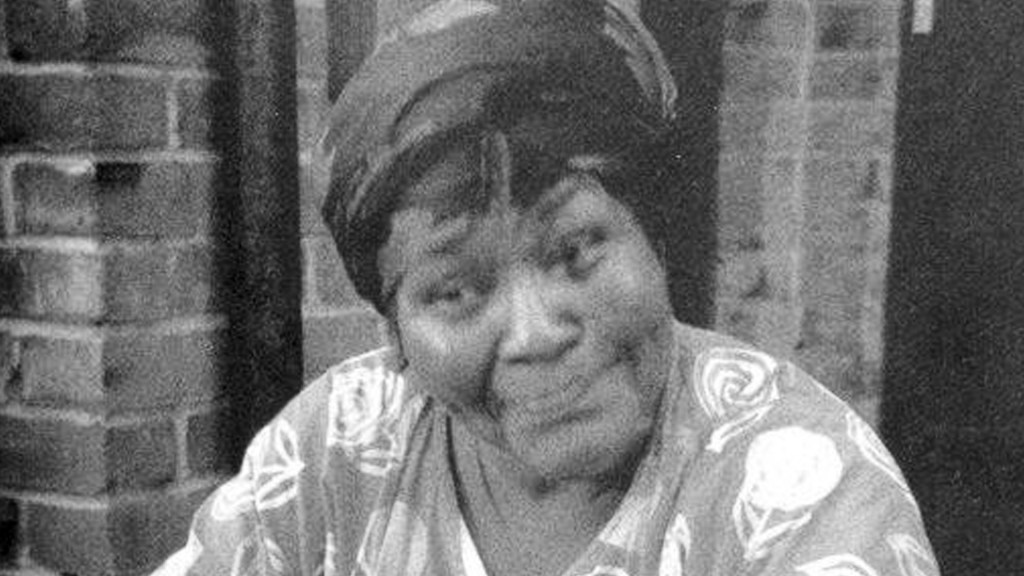
Pearl Alcock (1934–2006) was a Jamaican-born Black British artist, businesswoman, and community builder. For much of the 1970s and ’80s she ran a secret club in Brixton that became legendary , Pearl’s Shebeen, the only gay bar in the area. This underground space welcomed Black gay and bisexual patrons from across London, giving them a rare sense of safety and joy. As a proud bisexual woman, Pearl used her entrepreneurial spirit to cultivate community, “enriching the lives of so many in the queer community in Brixton”. Today, BLAM UK commemorates her during Pride Month, celebrating a life that defied racism and homophobia through creativity and care.
From Jamaica to Brixton.
Pearlina Smith was born in Kingston, Jamaica in 1934. She left Jamaica at 25 (leaving an unhappy marriage behind) with only £5 and a determination to remake her life
Like many of the Windrush generation, she arrived in Britain to face entrenched racism. Her early years in the UK were tough: she worked as a maid and in factories in Leeds, saving every penny.
By 1970 she had accumulated £1,000 and moved to London, where she opened a women’s dress boutique at 103 Railton Road in Brixton. Brixton was already a vibrant hub for Caribbean immigrants (and an emerging centre for gay rights activism), and Pearl’s arrival would soon add a new chapter to its story.
Pearl’s Shebeen: A Hidden Safe Haven.
In the mid-1970s, Pearl did something daring. She converted the basement of her Brixton dress shop into an illicit club, a shebeen called Pearl’s. For a small cover charge, patrons bought half-pints of beer and could “bring their own records”. The result was a laid-back party atmosphere, with no fights and lots of dancing. Crucially, this was a space built by a Black bisexual woman for Black queer people. It quickly became the only gay venue in Brixton and attracted mostly Black gay men from the Caribbean.
Inside Pearl’s basement, people could relax “without the cloud of cis white judgement”. Even the drinks were cheap and the music warm. Pearl herself tended bar on many nights, playing records and talking with friends. For those who knew it, Pearl’s Shebeen was a sanctuary, a place free from the racism and homophobia that lurked in most other British pubs and clubs. By refusing to serve alcohol beyond the community’s needs (and even banning fights), Pearl created an environment where Black LGBTQ+ Londoners could be themselves.
On the same block, racism was overt: the nearby George pub famously barred Black people and gay people from entering. That pub was actually burned down in the 1981 Brixton uprisings, as Black residents protested police injustice. But in Pearl’s bar there were no such exclusions; only solidarity. As one patron remembered, Pearl’s Shebeen was unique in attracting people to feel “comfortable in a queer space without the racism” found elsewhere.
Pearl ran her shebeen through much of the 1970s, but the tide was turning by decade’s end. Margaret Thatcher’s 1979 election marked a conservative shift, and local authorities began cracking down on unlicensed bars. Fearing police raids, Pearl made the hard decision to stop selling alcohol in 1980. She shut down the shebeen entirely by 1981, closing the doors to protect her patrons from harassment.
Refusing to abandon her community, Pearl moved her enterprise next door to 105 Railton Road and opened a modest café. This new café was bare-bones, one friend recalled it run “by candlelight” when bills weren’t paid, but it retained the spirit of Pearl’s hospitality. It became another refuge for local residents, mostly of West Indian heritage, to gather and talk.
However, the early 1980s were difficult for Brixton. The Brixton riots of 1981, sparked by police brutality, led to unrest on Railton Road itself. Many businesses saw customers disappear. Pearl’s boutique and café eventually closed (the café wound down by 1985). By then Pearl was facing personal hardship, but the community she built did not vanish.
Throughout these trials, Pearl acted as a quiet leader. Although not a conventional activist with speeches, she “quietly collaborated with local organisations to advocate for LGBTQ+ rights”. Her experiences of racism, sexism, and homophobia- As a Black Jamaican immigrant and bisexual woman – informed everything she did. In running safe spaces and simply caring for people, Pearl was a grassroots activist. Her bars and café weren’t just businesses; they were unspoken protest against exclusion.
Outsider Art and Creativity
After her café closed, Pearl turned inward and discovered another talent: art. She started making drawings to thank friends who had supported her. Pearl would doodle on any scrap, receipt paper from the café, birthday cards, even cardboard and give the results to people. When her friends loved these little drawings, they encouraged her to keep going. Soon she was selling handmade bookmarks for £1, and folks pitched in money to buy her paints and canvases.
Pearl Alcock was entirely self-taught, a true outsider artist. Her style quickly became distinctive: bold, abstract compositions full of colour and energy. Many canvases feature swirling lines, cosmic shapes, and figures that seem to dance. Pearl explained her process in one interview: “When I move my hands like this… it means I am smiling, and I’m singing… I take a little bit and I put it there”. Critics later noted that her work felt “authentic, spiritual and representative of her Caribbean roots”, as if each painting carried the rhythm of Jamaica within it.
Over the late 1980s and 1990s, Pearl’s artwork attracted attention in niche art circles. Local galleries in London’s scene began to exhibit her pieces (such as the 198 Gallery in Brixton, the Almeida Theatre and the Bloomsbury Theatre). In 1990 her art was chosen for the annual London Fire Brigade calendar. Yet mainstream recognition was slow: it wasn’t until 2005 that Tate Britain included her in a survey of Outsider Art. By then Pearl was 71 and still painting every day in her tiny flat. Her canvases with dreamlike scenes and joyous colour finally reached new audiences. She later recalled that art allowed her to express all she couldn’t in words: “Everything I do has to come from my head… These things just come to me.”
Fighting Marginalisation.
Pearl Alcock’s life shines a light on how intersectional identities shaped British LGBTQ+ history. As a Black bisexual woman, she navigated multiple layers of prejudice.
During her lifetime, Black queer people were largely invisible in public life. Polls of the era show that many institutions simply ignored lesbian and gay issues in Black communities, and likewise racial justice groups often sidelined queer concerns. Pearl knew these challenges firsthand: mainstream gay bars and even political groups could exclude people who looked like her.
Instead of focusing on these injustices overtly, Pearl’s response was to create community from below. The historian of Black queer Britain Jason Okundaye argues that stories like Pearl’s rarely appear in textbooks; they survive through “history from below”, in memories and family photos. Pearl’s own statement to friends, to be “authentic” and carry on painting even with nothing, became a quiet manifesto of defiance. By simply running her bar and making art on her own terms, she embodied an activism rooted in self-expression and solidarity.
Her legacy also intersects with broader political struggles. The very existence of her shebeen was a pushback against the police violence and social exclusion Black people faced. When Thatcher came to power and Section 28 later threatened LGBTQ+ and Black organising, people like Pearl had already been building safe networks for years. Her story connects to a larger tapestry of Black British queer activists, from Pride march organisers like Ted Brown to artists like Ajamu X, who all helped make room for Black gay and lesbian voices in Britain’s history.
Legacy and Recognition.
Pearl Alcock passed away in London on 7 May 2006 at age 72. Her funeral drew many friends and locals, a final testament to how beloved she was. In the years since, there has been a renewed effort to honor her contributions.
In 2019 Manchester’s Whitworth Gallery mounted the largest ever solo exhibition of Pearl’s art. Meanwhile writers and archives have begun telling the story of her legendary shebeen:
for example, Bernardine Evaristo immortalized “Pearl’s shebeen in Brixton” in her Booker-winning novel Girl, Woman, Other.
For Black LGBTQ+ Britons, she represents an early generation of pioneers who built their own spaces when society had none. By remembering Pearl Alcock this Pride Month, we honour not only her art but also all those who found hope, joy and belonging in the community she created.
Black music is riding high in summer 2025. From Recessland to Notting Hill Carnival and Wireless, genres of the Black diaspora: Afrobeats, Amapiano, grime, reggae, Dancehall and R&B dominate festival line-ups. It feels like a victory lap for Black music. But not long ago, things were very different. Black music in Britain was often criminalised, marginalised, and pushed underground. To understand today’s triumph, we must remember the journey from resistance to recognition.
Pirate Radio and Sound Systems: Innovation Out of Exclusion.
In the 1950s and 60s, Britain’s Caribbean community met with hostility. Black partygoers were often turned away from segregated “whites-only” clubs, and mainstream radio wouldn’t play their music.
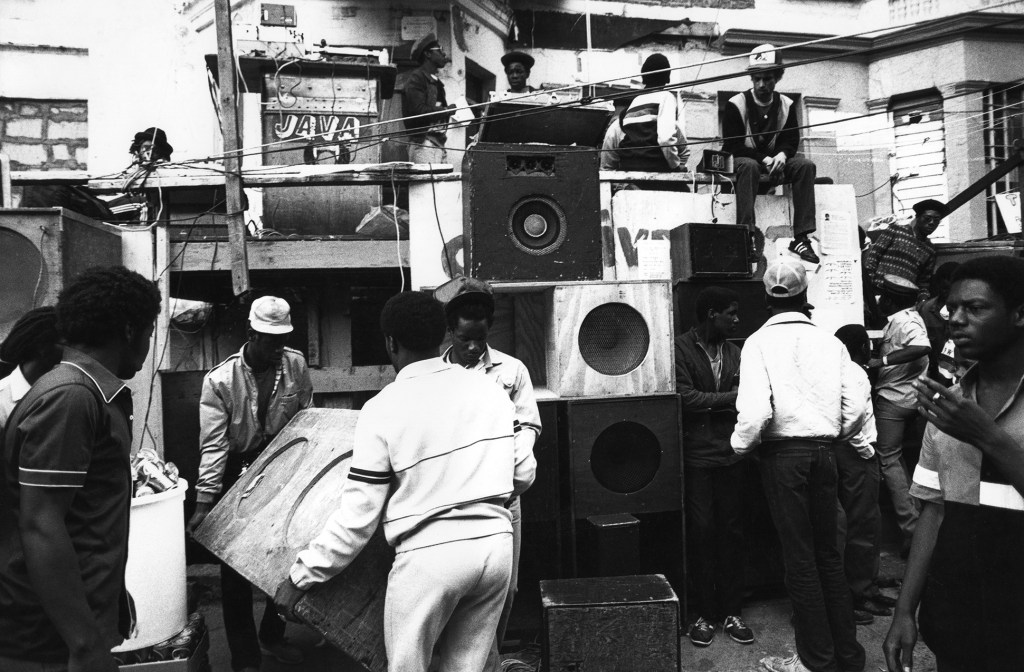
So they built their own scene: Jamaican-style sound systems – giant speaker stacks that turned living rooms into makeshift dancehalls called blues dances.
These DIY gatherings offered a taste of home and a joyful form of resistance. By 1973, Notting Hill Carnival had sound systems roaring in the streets.
By the 1980s, pirate radio was carrying Black music over the airwaves from tower block transmitters, bypassing mainstream stations. In 1981, DJ Lepke launched Dread Broadcasting Corporation (DBC) – the UK’s first Black-owned pirate station – pumping out reggae, soul, funk and more. Lepke “laid down a cultural marker” whose “ripples…were critical in shaping mainstream British music in the 21st century” according to author Lloyd Bradley. DBC set the tone for others like KISS FM, which soon went from pirate to legal by 1990. Many pirate DJs honed their skills on sound systems, learning to move crowds on their own turf. These outlaw stations fueled musical innovation when Black voices had few other outlets.
Reggae, Garage, Grime, Drill – The Sound of Black British Identity.
Each underground genre carried the voice of its generation:
Reggae & Lovers Rock (1970s–80s): The soundtrack of the Windrush generation, with rebel lyrics of pride and protest.
UK Garage (1990s): A soulful, uptempo club sound that scored mainstream hits but still faced stigma – e.g. South London’s So Solid Crew had gigs cancelled over an exaggerated “violent” reputation, even as talents like Ms Dynamite broke through to win major awards.
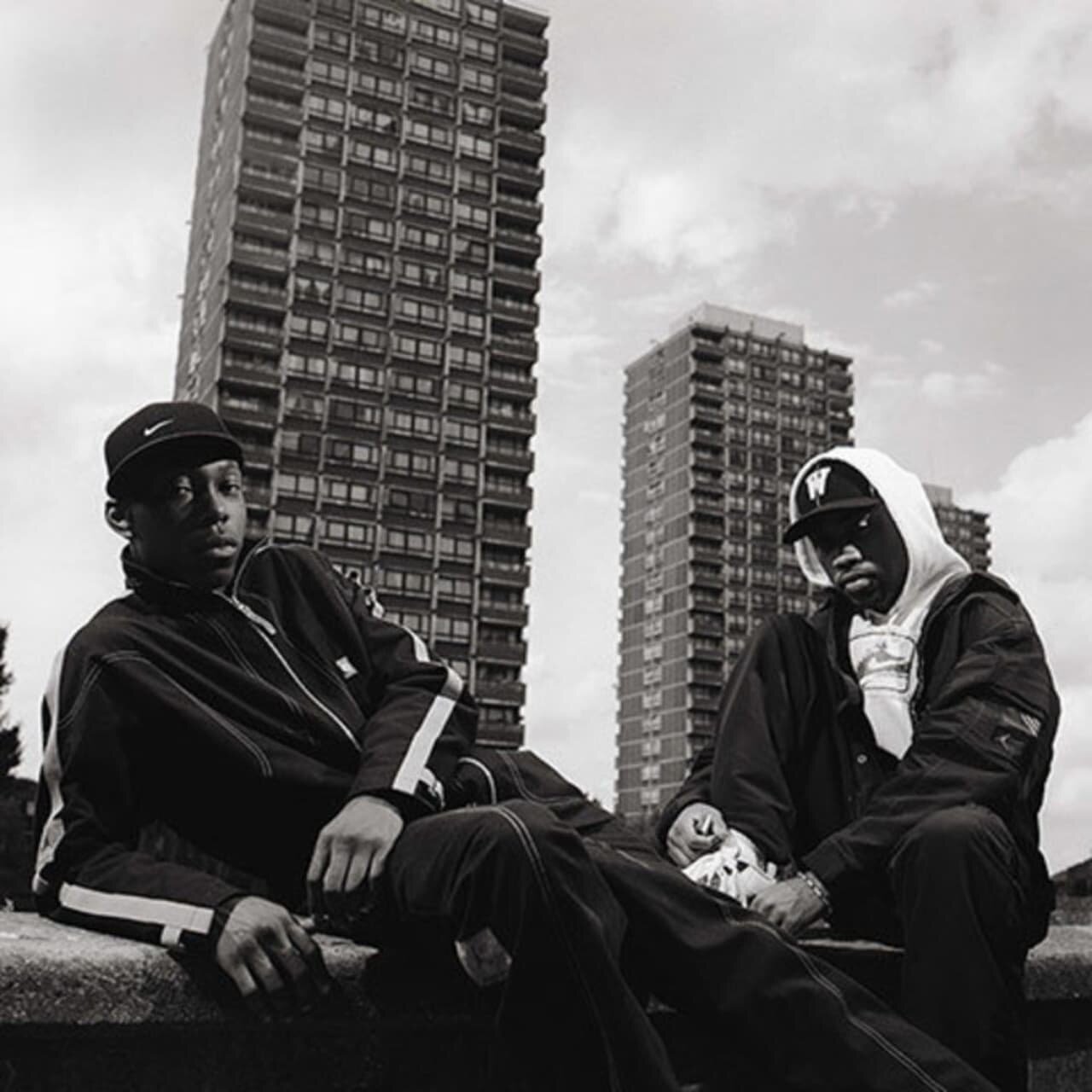
Grime (2000s): A raw, rapid-fire genre born on East London estates and pirate radio. Grime let disenfranchised youth share their truth over gritty beats. Dizzee Rascal’s Mercury Prize win in 2003 put grime on the map, even though the industry initially treated the scene as an “outsider”.
UK Drill (2010s): A hard-hitting rap style with an unapologetically British identity. Drill lyrics depict inner-city realities unflinchingly. Like its predecessors, drill drew police and media ire, yet its popularity proved impossible to silence.
Fighting Racist Policies and Policing.
Black music’s growth has continually met resistance from authorities. Police often viewed Black-led events and genres as threats to be controlled. In the 2000s, this bias took a bureaucratic form: London’s Metropolitan Police introduced Form 696, a “risk assessment” that disproportionately targeted Black music nights. The form infamously asked promoters to list the music genre and even the ethnic makeup of the crowd – a policy widely condemned as racist.
Grime shows bore the brunt, with artists like JME, Wiley and Tinchy Stryder seeing gigs pulled, and garage, reggae and R&B events also shut down under “safety” concerns. Police denied bias, but Form 696 was toned down in 2009 and finally scrapped in 2017 after public outcry.
Even before Form 696, acts such as So Solid Crew saw entire tours axed by police – reinforcing the idea that Black artists were “too risky” for live venues. In the 2010s, several drill rappers faced court orders and video bans aimed at muzzling their music. It was a heavy-handed approach that was nothing new. Yet at every turn, artists and promoters found ways to persevere.
Resilience and New Platforms.
In the face of such barriers, Black Britons doubled down on creating their own platforms. The success of pirate radio even pushed the BBC to launch 1Xtra in 2002 as a dedicated Black music station.
When mainstream TV ignored homegrown “urban” talent, the community answered with Channel U. Launched in 2003, Channel U was “one of the only” places to see authentic Black British youth culture on screen. It played grime and rap videos that MTV ignored, turning MCs like Giggs and Tinchy Stryder into stars. By building their own media and events, Black creatives ensured their music was heard.
Over time, the sounds once confined to pirate stations and basements became the pulse of the mainstream. Black music is now the main attraction at Britain’s biggest festivals. Dedicated Afrobeats festivals are booming, and even Notting Hill Carnival, once eyed with suspicion, is hailed as a proud symbol of London. What was pushed to the margins is now front and centre.
From Margins to Main Stage.
As we revel in summer 2025’s Black music takeover, we must remember this triumph did not come easy. The journey from pirate radio and underground clubs to festival main stages was hard-won. What was once dismissed as “noise” or criminalised as a “threat” is now the heartbeat of British pop culture.
Let’s celebrate how far Black British music has come and remember the roots and resistance that paved the way.
Malcolm X (1925–1965) was an African American leader whose uncompromising demand for Black dignity and self‑determination reverberated around the world. Born Malcolm Little on 19 May 1925 in Omaha, Nebraska, he witnessed violent racism from childhood – his family’s home was burned and his father killed in a likely KKK attack. These experiences drove him to seek change.
After prison he joined the Nation of Islam and adopted the surname “X” to reject his “slave” name. By the early 1960s he had become a prominent civil rights figure, known for fiery speeches and slogans like “by any means necessary”.
Unlike Martin Luther King Jr’s emphasis on integration, Malcolm often spoke of Black nationalism and pride in a separate Black identity. He called on African Americans to use education, economic power and even self-defence to achieve justice – famously saying “Education is our passport to the future”, meaning learning was essential for empowerment.
A Tour of Britain and Pan-Africanism
By late 1964 Malcolm’s global ideas were on full display. In November he toured Africa and then debated at the Oxford Union in Britain. Oxford’s prestigious “Queen and Country” debate motion that year was “Extremism in the defence of liberty is no vice…” Malcolm spoke passionately in favour, winning extended applause. One Oxford student reported that he argued Black people must “band together and do whatever… is necessary to see that our lives and property are protected”. (Unsurprisingly, the more conservative Union voted down the motion.) Malcolm’s presence at Oxford shocked many Britons. The Sun newspaper warned he was a revolutionary who wanted a separate state “where coloured people could live undisturbed” and might use violence to get it
A few months later, in February 1965, Malcolm returned to Britain for a short anti-racism tour. He visited Smethwick, near Birmingham, notorious at the time for Peter Griffiths MP’s racist campaign slogan – “If you want a nigger for a neighbour, vote Labour or Liberal”. Invited by the Indian Workers’ Association, Malcolm went to Marshall Street to witness housing discrimination firsthand.
There he shocked the world again: telling reporters he came because he was “disturbed by reports that coloured people in Smethwick are being badly treated”, and fiercely warning that he “would not wait for the fascist element in Smethwick to erect gas ovens”
After Smethwick, Malcolm returned to the U.S. and was assassinated just weeks later. But his ideas lived on. By the time of his death he had become a leading Pan-African voice. He had argued that the struggle of Black Americans was directly linked to anti-colonial struggles worldwide.
For example, after touring Ghana, Nigeria and other newly independent states, he told Americans that Africans had won freedom faster than the U.S. had, and he urged studying their example. He insisted the civil-rights movement needed international allies: “It is only in the United Nations, where everyone has an equal vote, that the plight of the Black man can be given a just hearing”.
And he extended his solidarity even further. During a 1964 trip to the Middle East, Malcolm visited Gaza, spoke with Palestinian refugees, and came to see the Israeli–Palestinian conflict as part of a global fight against colonialism.
In September 1964 he wrote a now-famous essay titled “Zionist Logic” (published in the Egyptian Gazette), warning that Zionism was a modern colonial project threatening not just Arabs but “the world” – in other words, any oppressed people. This controversial stance – far ahead of most American politicians at the time – reflected how Malcolm’s anti-racist vision embraced all struggles for self-determination.
Malcolm X’s Legacy for Black Britain Today
What does all this mean for Black Britons, and especially young people, in 2025?
Malcolm X never visited today’s multiracial London, but his lessons cross the Atlantic. He demonstrated that British society was not immune to racism – a point driven home by his Smethwick confrontation. His insistence on self-respect and community control (“We are not human beings unless we band together…” speaks directly to anyone facing prejudice here. His call for education, economic independence and running your own institutions still resonates with community organisers and entrepreneurs. And his demand for justice “by any means necessary” reminds us that while ballots are vital, no one should be left defenseless.
Today’s Black British activists also see their struggles in global context, from solidarity with African and Caribbean diaspora causes to linking with anti-racist movements worldwide, exactly as Malcolm urged. As he prophetically put it, Britain can’t claim to be the “mother country” of Black subjects without facing the truth of Black resistance.
Every year the Mental Health Foundation’s Mental Health Awareness Week (12–18 May 2025) spotlights a theme. This year, the focus is “community”, celebrating the power of connection and support. Communities give us belonging, purpose and safety – everything our mental well-being needs
But as we come together this week, we must also confront forces that harm our community. One of those is racism. In particular, anti-Black racism inflicts deep psychological wounds on individuals and entire communities. In the words of the Mental Health Foundation, “racism is a mental health issue because racism causes trauma”.
Decades of research confirm that repeated exposure to racism – from insults and microaggressions to structural discrimination – produces chronic stress, anxiety, depression, even post-traumatic stress. As Stop Hate UK notes, experiencing racism is strongly linked to poor mental health outcomes like depression, stress, anxiety and PTSD, and even the fear of racism can itself be harmful.
Education should nurture children’s potential, but too often schools do the opposite for Black students. Studies find that almost every Black pupil in Britain experiences racism at school.
BLAM UK’s new report makes this painfully clear: 84% of Black people surveyed said they had faced racism in school, 74% had been subjected to racist “jokes” or banter, and roughly half said these experiences damaged their mental well-being. It is no surprise that many Black students report feeling constantly on guard, anxious, even depressed in school settings.
In a system still steeped in colonial biases, classrooms too often teach ignorance and inflict trauma. Black history is sidelined or reduced to a narrative of oppression, and policies frequently punish Black children by policing their hair, language or culture; instead of protecting them. These forms of everyday racism accumulate, chipping away at self-esteem and sense of safety.
The reality is that racism doesn’t stay in school: it echoes in our politics and media too. Earlier this week, Prime Minister Keir Starmer warned that Britain risks becoming “an island of strangers” without strict immigration controls
Many listeners were shaken by that phrase and not just because of its timing. It echoes Enoch Powell’s infamous 1968 “Rivers of Blood” speech, in which he warned that whites would become “strangers in their own country” if Britain did not curb immigration.
Powell’s speech was immediately condemned as an “appeal to racial hatred”, and he was sacked from the shadow cabinet soon after. Yet the toxic language he used did not disappear; it helped normalise the idea that immigrants (often coded as Black or brown people) are an existential threat.
In 2025, hearing a Labour prime minister repeat the “island of strangers” trope feels like stepping into history’s darkest shadow. It retraumatises many Black Britons by reviving a narrative of exclusion and danger.
Every reference to migrants as invaders, or Black communities as outsiders, signals to Black listeners that they are suspect in the eyes of the nation. This fear can linger long after the words are spoken, fuelling stress, hyper-vigilance, and a sense of not belonging. In Mental Health Awareness Week, we must name this harm: racism and racist rhetoric contribute to a kind of racial trauma.
At BLAM UK, we are committed to providing culturally relevant support for Black communities across the UK. Our Zuri Therapy workshops offer a space for Black clients to heal racial trauma with Black therapists. Additionally, we run a unique event that combines self-defense classes with Space Space Hub, offering both empowerment and well-being through physical and creative expression. We also advocate for change in schools by conducting anti-racism training for teachers and organisations, helping to create inclusive and supportive environments. At BLAM UK, we believe in the power of community and collective action to heal, resist, and overcome the impacts of racism.
In this week of reflection, let’s channel awareness into action. Read and share BLAM UK’s report Eradicating Anti-Blackness in the UK Education System, which lays bare how schools fail Black students and calls for urgent reform. Support the campaign for a decolonised curriculum – one that teaches Black history across subjects, not just in one month. Back calls for mandatory racial-literacy training for all teachers and an end to racist school policies. Most of all, stand up against racism wherever you see it – in conversation, in policy, in daily life.
Mental Health Awareness Week is about connection, but connection means confronting hard truths. Racism disrupts the community and damages mental health. By acknowledging this, by listening to those who suffer it, and by strengthening our bonds of support, we can begin to heal. Together, as a caring and connected community, we can turn the tide on racism and protect the mental well-being of everyone. Read BLAM UK’s report, share its findings, and help build the inclusive, anti-racist schools and society that we all deserve.
Sadia Kabeya, a 23-year-old flanker for England’s Red Roses, is a rising star on the rugby pitch. She’s also the inventor of a groundbreaking satin lined scrum cap, a simple yet powerful innovation born of Black cultural wisdom. In a sport long dominated by white men, Kabeya’s creation stands out as a beacon of Black innovation, protection, and self-expression.
Protecting Black Hair on the Rugby Field.
Kabeya’s idea for a satin-lined scrum cap came from a problem she knew all too well. As a Black woman in rugby, she found that standard scrum caps weren’t designed for afro-textured hair. Wearing them over braids or curls often led to painful rubbing and hair breakage
Back in her mostly Black school team, girls would simply wear headscarves under their caps for protection. But in the wider rugby world, that kind of safeguard wasn’t available.
To solve this, Kabeya collaborated with a sports manufacturer to line a scrum cap with satin. Black women have long used satin bonnets and scarves at night to protect their hair from friction.
The satin lining dramatically reduces friction on coils and curls, preventing the “wear and tear” rough fabrics can cause, and also helps hair retain moisture to avoid brittle strands
With this extra layer inside, Black players can focus on the game without worrying about their hair. It’s a simple addition that acts like armour for our crowns – preserving both beauty and confidence on the field.
At the elite level, Black women remain few and far between, and many have felt overlooked. Kabeya is one of the new voices changing that. By creating equipment for Black hair, she sends a message that rugby can embrace us exactly as we are.
The impact goes beyond current players. Kabeya noted early on that a scrum cap for afro hair might help more Black girls stick with the sport. Seeing a top player prioritise Black hair sends a powerful signal of representation and encouragement. “I would have loved to have seen this when I was 12 or 13,” Kabeya said, reflecting on how validating it is to have someone who “felt the same way” about these struggles
Now she gets to be that role model. Young Black girls can watch an England international wearing a cap designed with them in mind – a visual reminder that they belong in rugby and that their needs matter.
Notably, this project was a by us, for us innovation. Kabeya worked with fellow Black teammates and drew on Black hair-care traditions, claiming space in a sport where Black voices have often been sidelined. As she puts it, “even though it’s such a niche thing for the community, it’s a huge thing for the diversity of the game”. In a historically white, male-dominated arena, a Black woman’s invention is improving the game.
A Symbol of Community and Pride
Today, Kabeya’s satin-lined scrum cap stands as a symbol of care, resistance, and celebration. It represents care by showing that Black athletes shouldn’t have to neglect their well-being to play the sports they love. It embodies quiet resistance by challenging the status quo – instead of Black women conforming to rugby, rugby is adapting to Black women. And it’s a celebration of Black identity: blending a satin bonnet into sporting gear is a joyful union of culture and sport.
The response has been uplifting. Since Kabeya went public with her idea, companies have reached out about making satin scrum caps widely available. Teammates and fans applaud how this invention is knocking down barriers to inclusion in rugby. For the Black community, Kabeya’s scrum cap is a visible reminder that Black joy and excellence belong in every arena.
Kabeya’s journey proves that when we create space for ourselves, we create change for everyone. Her satin scrum cap is already inspiring others to step onto the field with heads held high. This is our game too and we wear our crowns with pride.
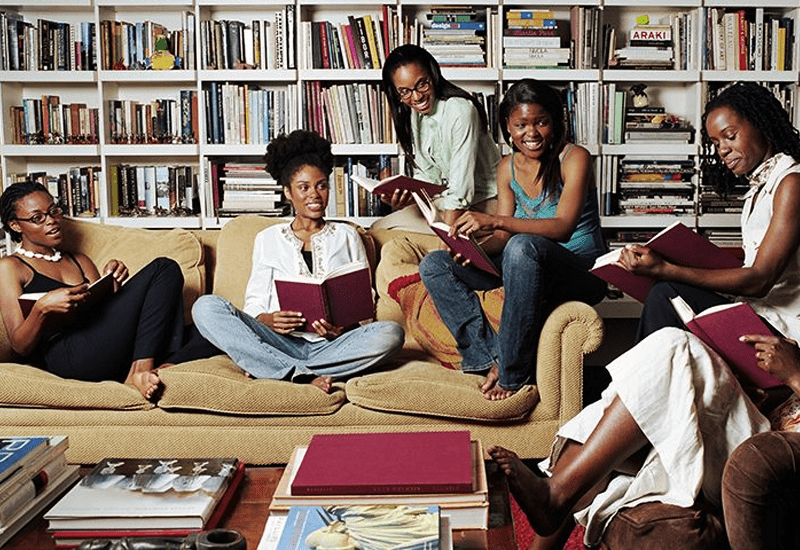
BookTok has taken over, Black literature is thriving, and social reading is more popular than ever. If you’re looking for your next great read, we’ve got you covered! Social reading is back, with more people in their twenties taking an interest in books and joining social clubs. Terms like BookTok and Black Reads are trending, so here is all the literary works by Black authors or books featuring characters from the UK, US, and Black stories everywhere the global African diaspora has touched.
So, what is BookTok? BookTok is a vibrant community on TikTok where young people, mostly Gen Z, share their love for books in creative and emotional short videos. Whether it’s dramatic reactions, aesthetic edits, or quickfire recommendations, BookTok has made reading cool again. The platform has helped launch debut authors to stardom, revive older titles, and spotlight diverse stories-all in under a minute.
For Black readers and creators, BookTok has also become a space to uplift stories that centre Blackness in all its forms: joy, love, resistance, imagination, and community.
In this blog, we’ve kindly pulled together some of the best books around. Whether you’re picking up a good habit, reading on your commute, or adding to your growing To Be Read pile, there’s something here for you.
This entry comes just a month after World Book Day , you may have even seen a TikTok with BLAM staff posting to the ‘me then vs me now’ trend including childhood pictures with children’s books they loved reading and recent pictures with books they read now. We will also be exploring recommendations from book clubs like TNSReads, BookTok creators such as John Paul, and other sources of must-read books by Black authors. Let’s dive straight in.
Across Africa, henna has long been a part of celebration, spirituality, and self-expression. For thousands of years, this natural dye – made from the leaves of the Lawsonia inermis plant – has been painted onto the skin during weddings, religious festivals, and other important life events. But today, henna is more than just a tradition from the past. It’s also a symbol of African pride, creativity, and identity.
In many African countries, henna carries deep meaning. It’s not just about beauty – it’s about community, culture, and history. As a young African, I’ve seen how henna continues to inspire new generations. We’re not only keeping it alive; we’re reinventing it. We’re blending tradition with new ideas and turning ancient designs into something bold, fresh, and powerful.
Ancient Roots Across the Continent
Henna has been part of African life for centuries. In Ancient Egypt, it was used to decorate the nails and hair of pharaohs. It was also an important part of burial rituals – a way of honouring the dead and offering spiritual protection. This shows how henna was more than decoration. It was sacred.
As henna spread across North, East, and West Africa through trade, migration, and spiritual exchange, it took on many different styles and meanings. In Mali, henna is known as diabi. Traditionally, it was worn by older women – a sign of wisdom, strength, and cultural pride. Over time, younger women began to wear it too, especially for weddings and ceremonies like baby namings. Today, Malian henna continues to evolve, yet it remains deeply respected as part of the country’s identity.
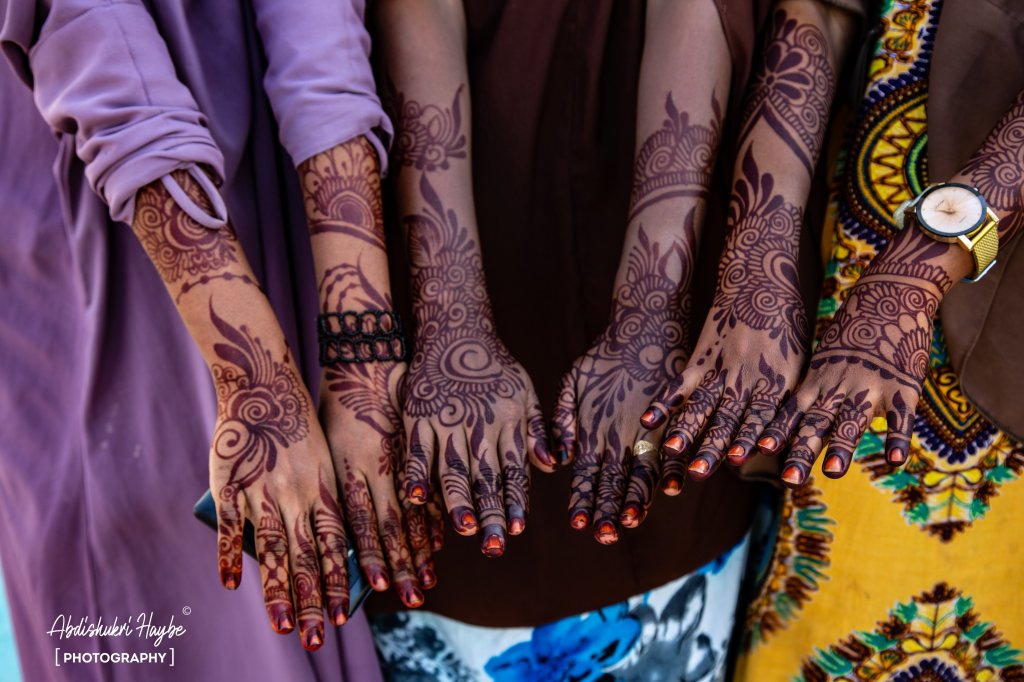
In Somalia, henna is a major part of cultural life. During weddings, Eid, and Ramadan, women wear henna on their hands, feet, arms, and even necks.
The designs are often floral or triangular, sometimes influenced by styles from the Arabian Peninsula. A small dot in the palm and dyed fingertips are also common.
Somali henna is known for its elegance – and for the beautiful way it brings women together. At pre-wedding henna parties, the bride is surrounded by female friends and relatives. As her hands are painted, the women sing traditional songs and perform the buraanbur, a joyful Somali dance full of rhythm and poetry.
Meaning in Every Line
In West Africa, especially in Mali, the henna application method is unique. Instead of drawing directly on the skin, thin strips are used to block areas where the henna won’t stain. Once the paste is washed off, bold straight-line designs are revealed.
These patterns are striking and symbolic. One common motif is the triangle. When our research team visited Mali, the local women explained that the repeated triangles represent fish scales. Fish are a sign of good fortune and abundance. As the triangles grow larger, they symbolise the hope of catching a bigger fish each time – a beautiful metaphor for growth and prosperity.
There are also new techniques being developed. Artists now arrange straight lines along curved shapes, creating designs that look like leaves or feathers. This innovation was seen at a baby naming ceremony in Bamako, where women wore these delicate, curved patterns as a way of celebrating new life. This is a clear example of how African tradition and creativity go hand in hand.
A New Generation, A New Expression
What inspires me the most is how young Africans are reclaiming and reinventing henna. No longer just something for special occasions, henna is becoming a form of everyday self-expression. It’s appearing in fashion shoots, creative campaigns, and even on social media as a tool for storytelling and identity.
We are not afraid to remix tradition. Some are combining traditional motifs with modern art styles. Others are experimenting with colour, glitter, and temporary tattoo techniques. Yet at its core, it remains a way to stay connected to who we are and where we come from.
In a world that often silences or misunderstands African voices, this is powerful. Wearing henna, and doing so proudly, becomes a quiet form of resistance and a loud form of self-love.
Wearing Culture Loud and Proud
African henna is not stuck in the past – it’s living, breathing, and growing with us. It’s a reminder that our traditions are not just history books – they are living legacies. And we are the storytellers.
So to every young African artist, bride, dancer, or dreamer wearing henna: you are honouring your ancestors and shaping your future. You are proof that tradition and creativity can live side by side. You are showing the world that African culture is bold, beautiful, and here to stay.
Henna is a celebration of identity, heritage, and imagination.
Hidden in the heart of Lagos Island lies a neighbourhood with a powerful story, a place known as the Brazilian Quarter, or Popo Aguda. What makes this area so unique is it’s legacy of a people who were kidnapped and taken across the Atlantic in chains, found freedom, and returned home carrying their memories, culture, identity, and pride.
From Enslavement to Return
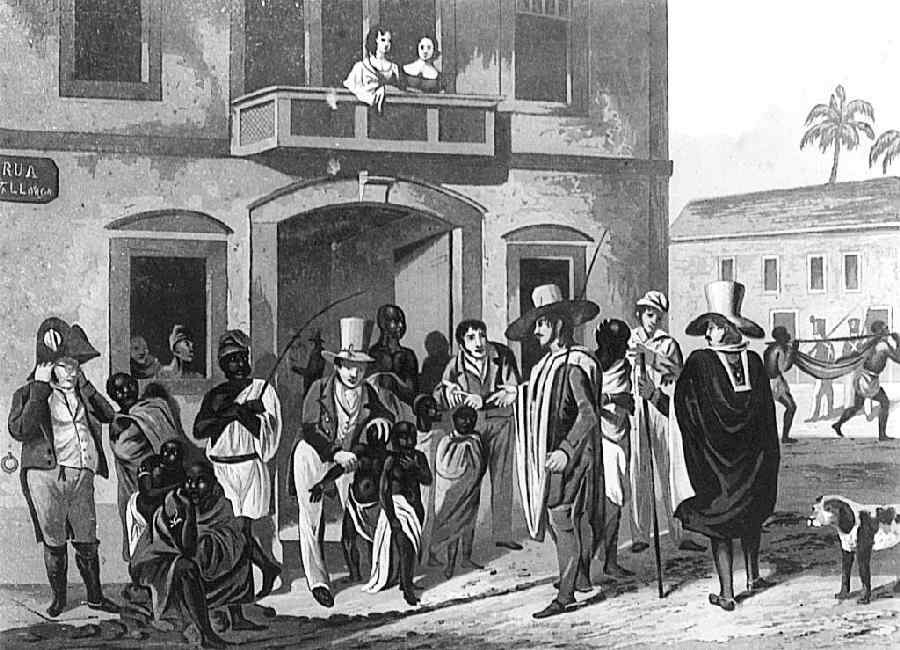
During the Trans-Atlantic slave trade, millions of Yoruba people were taken from what is now Nigeria and enslaved in Brazil. Despite facing brutality, they held tightly to their language, religion, and traditions. Cultural survival became an act of resistance.
In the late 1800s, after slavery was abolished in Brazil, many of the Yoruba who had been enslaved, known as Agudas or Emancipados, made the decision to return to Lagos. When they arrived, they brought back stories, skills, spirituality, and a strong sense of community.
Rebuilding Home with Culture.
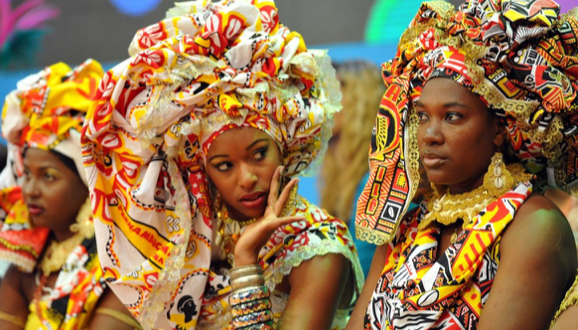
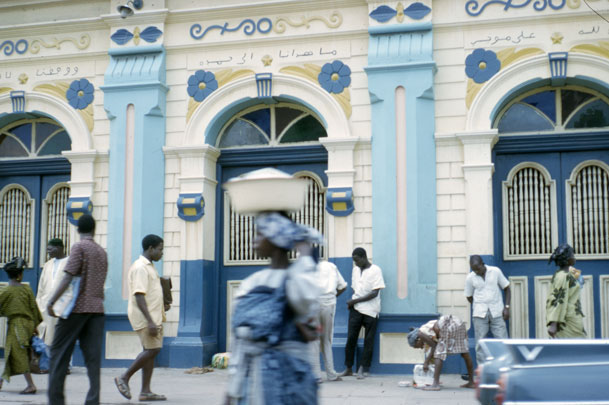
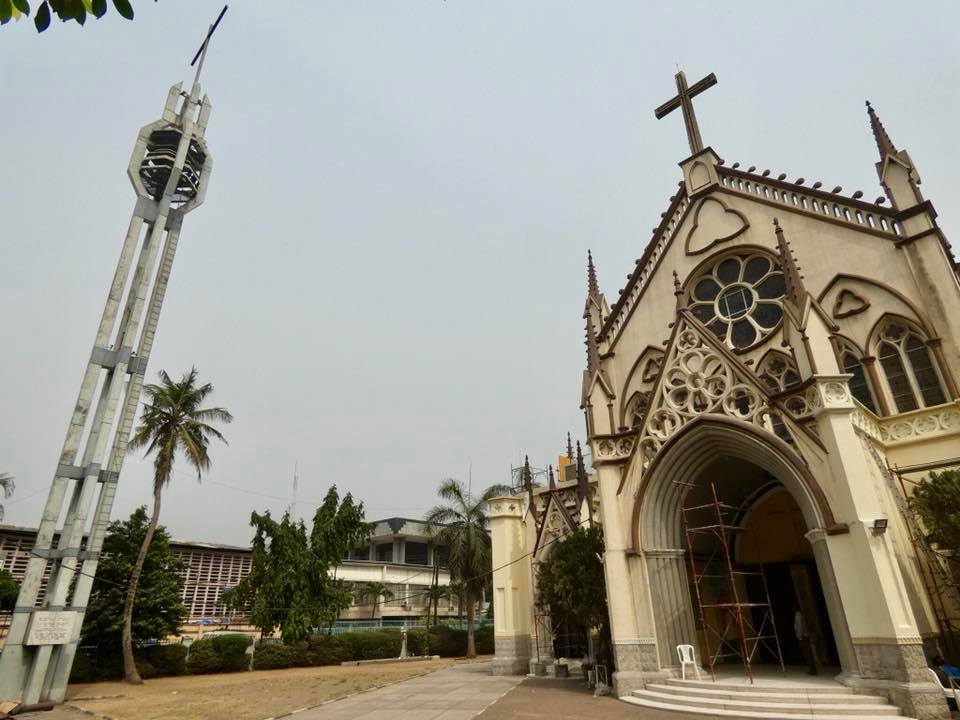
The returnees didn’t just settle in Lagos, they helped shape it. They built homes and public spaces in the Portuguese-Brazilian style, using architectural techniques they learned in Brazil. From the arched windows and stuccoed walls to the iron balconies and detailed designs, these buildings became a statements, a declaration that the returnees were no longer enslaved and that they were home, and they were proud.
Today, you can still walk through the streets of Popo Aguda and see the legacy in the buildings. Places like the Holy Cross Cathedral and the Brazilian Salvador Mosque, built by these returnees, stand as symbols of unity; both in faith and identity.
Brazilian Salvador MosqueHoly Cross Cathedral
Culture as Resistance
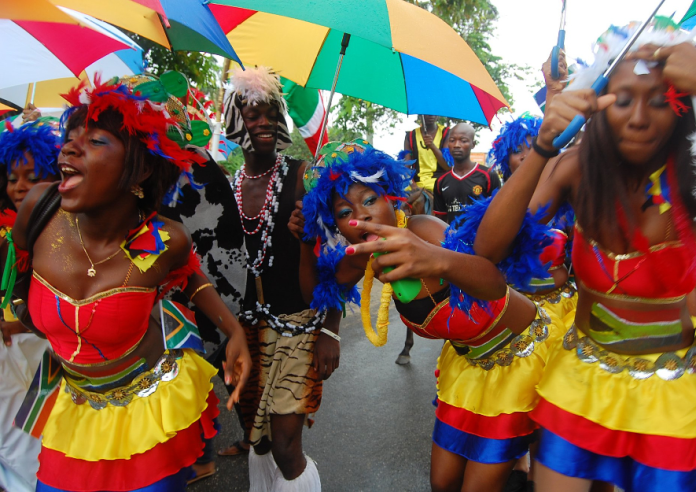
But architecture was just one piece of the puzzle. The returnees also revived and reshaped cultural traditions that have lasted for over a century. Festivals like Caretta and Meboi are still celebrated today, bringing people together across religions.
During Caretta, participants wear bright costumes and masks, dancing through the streets to music, laughter, and joy. Though it began as a Christian festival, it’s now open to everyone; Christians, Muslims, and traditionalists alike.
Meboi honours respected elders and involves parades with horse riders dressed in powerful, symbolic outfits. These celebrations are a reminder that even after centuries of separation, forced migration, and oppression, culture can still live on. In fact, culture becomes a weapon, not of violence, but of survival, strength, and healing.
Unity Through Heritage
The Brazilian Quarter is a beautiful example of how identity can be rebuilt. Despite facing religious differences, poverty, and marginalisation, the community remains united through shared history. Everyone eats the same traditional foods like Frejon on Good Friday. Everyone joins in the street celebrations. Everyone belongs.
The people of Popo Aguda continue to honour their ancestors through their language, clothing, food, and names; many still bearing Brazilian surnames like Da Silva, Martinez, Pedro, and Damazio. In doing so, they preserve a living memory of what their forebears endured and overcame.
A Legacy That Lives On
In recent years, the Brazilian Embassy has recognised the importance of this cultural connection, offering support and even planning to provide Portuguese language lessons in the community. This cross-continental bond is a reminder that the story of the African diaspora doesn’t end in suffering. It continues through celebration, resistance, and return.
The Brazilian Quarter is a living archive, a cultural landmark, and a symbol of resilience. It shows us that even when a people are scattered and oppressed, they can return, rebuild, and rise together.
In a world that often encourages division, this small part of Lagos stands as a reminder of what unity, pride, and heritage can achieve.
To preserve culture is to honour the past, protect the present, and empower the future.




















 BLAM UK CIC