BLAM UK, in partnership with The Equality Trust, is proud to announce the release of our latest report, which critically examines what an anti-racist system could look like in the UK. This report delves into the deep-rooted impact of racial trauma, calling for the development of anti-racist therapy that centers the voices and lived experiences of racialised communities.
In this pivotal report, we explore how racial trauma is not only a personal experience but a pressing public health emergency. Black people in the UK face structural inequalities across many sectors, and this report underscores the importance of addressing these through an anti-racist lens. It highlights that Black individuals are 40% more likely to access mental health services via the criminal justice system and are 3.5 times more likely to be detained under the Mental Health Act than their white counterparts.
We ask vital questions about what a truly anti-racist system would entail and provide a comprehensive analysis of how systemic racism fuels these disparities. The report also introduces a new framework for anti-racist therapy, which seeks to empower racialised people by directly addressing the intergenerational trauma that systemic racism perpetuates.
This report marks a critical step in understanding racial trauma, and we urge public health officials, policymakers, and mental health practitioners to take action by embedding anti-racist practices into all areas of society.
As we celebrate Black History Month, it’s important to remember that history is often written by those in power, leaving many key figures out of the narrative. While we rightly honour icons like Martin Luther King Jr. and Rosa Parks, there are countless Black individuals whose contributions have shaped society but remain largely forgotten. These unsung heroes, often overlooked by mainstream history, have paved the way for the freedoms and rights we cherish today. It’s time to shine a light on some of these remarkable figures and recognise the impact they’ve had on our collective story.
Olive Morris: The Revolutionary Activist
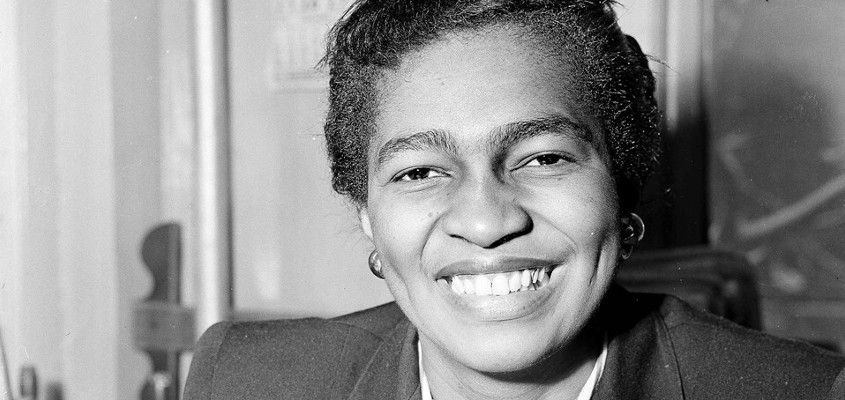
Olive Morris was a force of nature, a woman who refused to accept injustice and dedicated her life to fighting against racial and gender inequalities in Britain. Born in Jamaica in 1952, she migrated to the UK as a young child and grew up in Brixton, where she became a key figure in the Black British liberation movement.
At just 17, Olive confronted police brutality head-on when she attempted to intervene in the unlawful arrest of Nigerian diplomat Clement Gomwalk. Despite being beaten and arrested herself, this incident marked the beginning of her fierce activism. She went on to co-found the Organisation of Women of African and Asian Descent (OWAAD) and the Brixton Black Women’s Group, both of which fought for the rights of Black women in Britain. Olive’s work didn’t just focus on racial justice, but also on housing rights, squatting, and social justice for the most vulnerable.
Though she tragically died at just 27 from cancer, her legacy continues to inspire. Olive’s name might not be in school history books, but her contributions are undeniable. Her story reminds us that courage doesn’t always make headlines, but it can change the world.
Claudia Jones: The Mother of Notting Hill Carnival
Claudia Jones is often remembered as the “Mother of Notting Hill Carnival,” but her legacy goes far beyond the vibrant celebrations that bring communities together today. Born in Trinidad in 1915, Jones emigrated to the United States, where she became a staunch political activist and communist, fighting for civil rights and against racial segregation. After being deported to the UK in 1955 due to her political activities, she didn’t miss a beat.
Claudia founded the West Indian Gazette, one of the first major Black British newspapers, to provide a voice for the Caribbean community. But perhaps her most lasting contribution was founding the precursor to what we now know as the Notting Hill Carnival. Following the Notting Hill race riots of 1958, a time when racial tensions were at a boiling point, Jones organised an indoor Caribbean carnival as a celebration of West Indian culture and a way to unite people in the face of adversity. Today, Notting Hill Carnival is Europe’s biggest street festival, a vibrant expression of Black joy and culture in the UK.
Jones understood that celebration and resistance often go hand in hand. Through her work, she not only fought against racial oppression but also gave the Black British community a platform to celebrate its culture and contributions to society.
John Blanke: A Royal Trumpeter in Tudor England
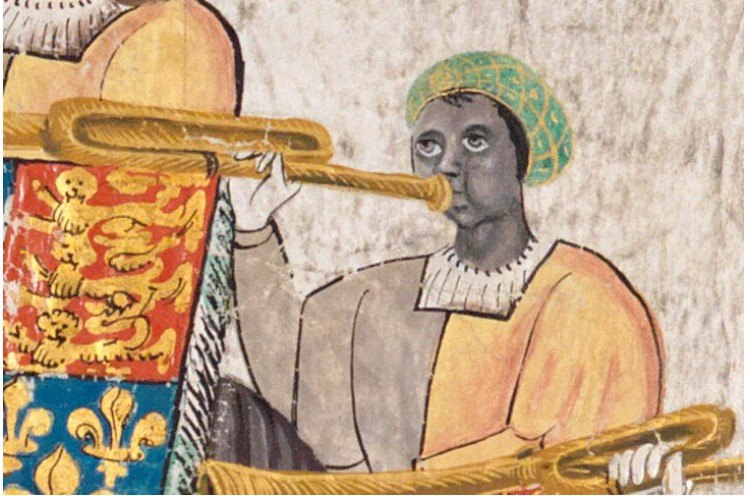
If you think Black presence in Britain is a modern phenomenon, think again. John Blanke, a Black trumpeter at the court of Henry VIII, is one of the earliest recorded Black individuals in British history. While little is known about his early life, what we do know is that Blanke was an extraordinary musician who performed at the heart of English royalty in the early 16th century.
Blanke’s image can be seen in the Westminster Tournament Roll, where he is depicted playing the trumpet at a grand royal event. This is one of the few surviving images of a Black person in Tudor England, and it serves as a powerful reminder that Black people have been integral to British society for centuries.
In 1512, John Blanke even petitioned Henry VIII for a pay rise, which was granted — an act that shows both his significance and his confidence in asserting his worth at a time when Black people were often marginalised or enslaved. His story, though brief in historical records, disrupts the notion that Black people were absent from, or peripheral to, British history. Blanke’s presence at the Tudor court highlights the diversity of British society long before the arrival of the Windrush generation.
Septimius Severus: The African Roman Emperor Who Ruled Britain
When we think of Roman emperors, images of Caesar or Augustus often come to mind, but few people know about Septimius Severus, a man of African descent who rose to become one of Rome’s most powerful leaders. Born in Leptis Magna (modern-day Libya) in AD 145, Severus hailed from a wealthy Punic family. His rise through the ranks of the Roman military was swift, and in AD 193, he was proclaimed emperor, becoming the first Roman ruler of African heritage.
Severus’s connection to Britain is particularly significant. He spent the final years of his reign in the British Isles, where he led military campaigns to strengthen Roman control and repair Hadrian’s Wall. His mission was to subdue the rebellious tribes in what is now Scotland and secure Rome’s northern frontier. During his time in Britain, Severus made York (then Eboracum) his base, making him one of the few Roman emperors to rule directly from British soil.
Despite ruling with an iron fist, Severus is remembered for his reforms and efforts to unify the empire, as well as for advancing the legal status of soldiers and non-Roman citizens. His reign brought stability to Rome after a period of civil unrest, and his military campaigns in Britain were some of the most ambitious efforts by a Roman emperor to extend Rome’s influence in the north.
Though Severus died in York in AD 211, his legacy endures, with his sons continuing his dynasty after his death. His story challenges conventional ideas of Roman history and highlights the rich diversity that existed within the ancient empire. Black presence in Britain, as exemplified by Septimius Severus, stretches back millennia, long before the modern era.
Severus’s reign as a Roman emperor of African descent defies the narrow views often presented in Western history. His presence in Britain shows that Black contributions to British history go back much further than many realise, with figures like Severus playing pivotal roles in shaping the country’s past.
Jamila Abdi is facing an unjust trial that once again highlights the deep-rooted overcriminalisation of Black and Muslim communities in this country. This is not just an attack on Jamila; it is an attack on all of us who resist state harassment and over-policing. As a community, we have a long history of standing up against racist prosecutions and this case is no different.
We must come together, as we did in the Coconut Trial with Marieha Hussain, to ensure Jamila is not yet another victim of a system that criminalises our very existence. Jamila’s case has escalated to the point where the state is determined to prosecute her for what was originally a tweet made in conversation with a mutual friend. The tweet referred to a football player using a term she frequently uses as part of her everyday language as a Black woman. Yet, despite this context, the state has chosen to frame it as malicious communication, twisting the narrative to claim she intended to cause harm, distress, or anxiety.
This level of criminalisation for such minor actions exposes the selective nature of justice in the UK. Racists walk freely on our streets, causing harm and spreading hate, but it’s Jamila – a young Black Muslim woman – who is dragged through the courts for expressing herself online. The very fact that this prosecution is happening shows the priorities of the state: policing Black languages, surveilling marginalised communities, and ensuring the silencing of those who refuse to conform to oppressive standards.
We cannot stand idly by while Jamila’s future is put at risk. A conviction would not only ruin her prospects but also send a chilling message to other Black and Brown people in this country—that any expression of our identity can be weaponised against us.
We must be clear: this prosecution is not in the public interest. It’s an attempt to isolate Jamila and others like her from their community, a tactic to silence resistance. That’s why it’s crucial that we show up. We need more people on the ground, more bodies in the courtroom, more voices speaking out against this injustice. The state thrives on our silence and our absence; we must not give them either.
We know the power we have when we come together. Let’s make sure we’re standing strong for Jamila, just as we’ve done for others who have faced this kind of harassment. This fight is bigger than Jamila—it’s about dismantling the systems of surveillance, racism, and repression that target our communities every day.
Let’s show the state that we will not be intimidated, that our voices will not be silenced, and that we will always defend our own.
October marks Black History Month in the UK, a time when the nation pauses to reflect on the rich and complex histories of African and Afro-Caribbean people. While this month is crucial for amplifying Black narratives, it’s clear that Black history should not be confined to just 31 days. At BLAM UK, we believe that Black history is British history, and it should be embedded throughout the school curriculum all year round.
Why Black History in British Schools?
The British education system has long been criticised for its Eurocentric approach, often leaving Black students disconnected from the curriculum and their peers with limited understanding of Black contributions to society. This is where BLAM UK steps in—to reshape this narrative by ensuring that Black history is integrated into everyday teaching, not just highlighted during Black History Month.
Teaching Black history is more than just an act of inclusion; it’s about correcting historical omissions. It’s about celebrating figures like Mary Seacole and Olaudah Equiano, whose contributions to British society have often been sidelined. More importantly, it allows students to understand the global impact of the African diaspora, from the cultural heritage of African nations to the histories of Black Britain, the Caribbean, and the Americas.
At BLAM UK, we’re committed to making this a reality through our workshops, teacher training programs, and resources. Our mission is simple: to create an education system that reflects the diversity of Britain.
BLAM UK’s Role in Transforming Classrooms
BLAM UK offers a wide range of services to empower educators and institutions to embrace Black narratives:
Teacher Training: We provide bespoke 1-to-1 and group training for teachers, helping them embed Black British cultural heritage, African, and Afro-Caribbean histories into their everyday teaching. Our training isn’t about adding extra burdens on teachers but equipping them with tools to naturally integrate Black narratives across subjects, from literature and history to art and geography.
Anti-Racism in Schools: We support school staff and governors in fostering anti-racism policies and practices. Our training covers best practices for anti-racism, while our assemblies for students focus on racial wellness, creating an environment where all students feel valued and seen.
Workshops & Assemblies: By working directly with schools and teachers, we aim to create learning spaces where Black narratives are not just included but celebrated. As Julie Joyce, Head of Year 9 at Archbishop Tenison School, noted, “The resources and training BLAM UK provided our school were fantastic. It has changed the way we view inclusion of Black narratives in everyday teaching.”
New Tools for a New Era: Global Black Narratives in the Classroom
To further support teachers in their mission to bring Black narratives into the classroom, BLAM UK has created “Global Black Narratives in the Classroom”, a two-part book series published by Routledge. These practical lesson plans, interactive worksheets, and activities are designed to help primary school teachers seamlessly integrate Black history across subjects, all year round.
Our books cover a truly global perspective. Volume 1 focuses on Africa, the Americas, and the Caribbean, while Volume 2 dives into Black Britain and Europe. From exploring Black culture in Great Britain to highlighting Afro-Colombian artefacts and African geophysical contributions, this book brings often-overlooked narratives to the forefront.
Why We Do This
Our work is fueled by a deep commitment to creating a curriculum that reflects the students in our classrooms. We’ve worked with schools across London for over five years, and we’ve seen firsthand that teachers want to do more—they just need the right resources. That’s why we created these books, to give educators the tools they need to weave Black history into the fabric of every lesson.
And we’re not stopping there. BLAM UK also offers corporate anti-racism workshops, helping businesses and organisations understand microaggressions, implicit bias, and how to create a culture of racial wellness in the workplace. From Lancaster University to LUSH, our training is transforming the way workplaces approach race and inclusion.
Beyond Black History Month
Black History Month is important, but it should be just the beginning. At BLAM UK, we envision a future where Black history is taught as an integral part of the British education system, fostering a generation of students who understand and appreciate the full scope of their country’s diverse heritage.
By working with BLAM UK, schools, educators, and businesses alike can make meaningful strides toward a more inclusive and accurate portrayal of history. As we often say—Black history is British history. Let’s teach it like it is.
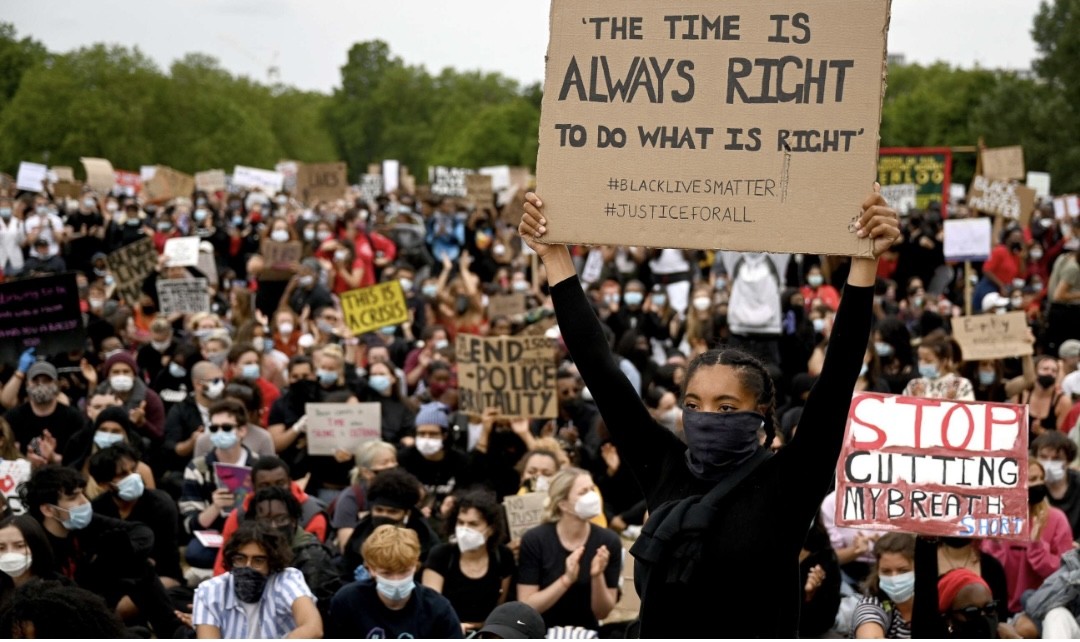
In the face of rising hate and violence, our communities have shown their unyielding strength and unity. Thousands of anti-racist warriors took to the streets across England, sIn the face of rising hate and violence, our communities have shown their unyielding strength and unity. Thousands of anti-racist warriors took to the streets across England, standing in fierce solidarity with our ethnic minority communities who have been under attack. Let it be known that the power of the people will always outshine the darkness of bigotry. The far-right, rattled and subdued, cannot and will not break our spirit!
BLAM UK is not here to ask for acceptance—we demand justice and equality. We call on our communities to stay vigilant, stay united, and stay defiant. We reject the toxic hatred that the far-right spews and instead choose to embrace the diversity that makes us powerful. The voices chanting ‘Refugees Welcome’ and ‘Racists Out’ are not just words—they are a declaration that we will not tolerate xenophobia in OUR streets or communities.
We will continue to flood the streets, not just with our numbers but with our unwavering love for each other and our determination to build a future free of racism. To the authorities, who speak of penalties and terrorism classifications—we say: direct your energy towards dismantling the systems that breed this hate. The true threat to our society comes not from those fleeing violence and persecution, but from the forces that seek to divide and oppress.
BLAM UK stand with the Muslim community, with every immigrant, with every person of colour who has ever felt the sting of prejudice. We are one, and we are many. This is not just a protest—this is a movement. And we will not be stopped!
The recent arrest and charging of a 21-year-old Black woman in the UK for using the AAVE term Nigga in a private Twitter conversation marks a disturbing and radical shift in the enforcement of the Malicious Communications Act of 1988. This heavy-handed approach not only criminalises Black people for their language use but also highlights the Crown Prosecution Service (CPS)’s disregard of Black culture and lack of understanding of linguistic justice.
BLAM UK condemns this action unequivocally. We do not support the criminalisation of Black people for their language use, particularly when that language reflects their cultural identity. BLAM’s work focuses on fighting for the rights and recognition of Black people, including advocating for linguistic justice, and addressing systemic racism.
What is linguistic Justice
Linguistic justice for Black people involves recognising Black languages, such as African American Vernacular English and Black British English, as valid forms of communication. Promoting the value and richness of Black linguistic traditions in schools, media, and public spaces, and supporting Black people’s right to use their language without facing negative judgments or consequences. In the case of the 21-year-old Black woman it means not being arrested for using a word that is historically and culturally relevant to her Black experience.
This isn’t the first time that a Black language has been criminalised or dismissed within the law. In the case of the State of Florida vs George Zimmerman, Rachel Jeantel was a leading prosecution witness, however her evidence was dismissed due to her speaking AAVE. In another case in the United Kingdom a witness who spoke Jamaican Creole (Or Patois) had his witness statement mistranscribed which could’ve had dire consequences for the witness. There are several cases like these all over the world. The dismissal of Black languages as a real or an appropriate language is rooted in racism and in language supremacy. Furthermore the arrest of the 21-year-old Black woman takes this form of linguistic racism to the extreme by criminalising language use which is also a breach of her human right to to take part in cultural life and activities and express her culture through language.
BLAM UK’s Action
We wrote to the CPS, and their response to our Freedom of Information request makes it clear that they do not recognise the term “linguistic justice,” revealing a deep-seated ignorance and unwillingness to engage with the cultural nuances of Black British English and African American Vernacular English.
BLAM UK issued a Freedom of Information request to the CPS in June 2024 and the response we received illustrates their lack of accountability and transparency around linguistic justice and the use of the Malicious Communications Act 1988 for particular offences. When asked, the CPS stated they did not have information collated regarding the conviction rate for charges under both the Malicious Communications Act 1988 and the Communications Act 2003, nor did they have the breakdown of the race or ethnicity of the offenders convicted based on these Acts. The CPS also stated that they were not obligated to give BLAM some of the data requested as the cost of compiling this information would exceed the appropriate limit for central government which is set at £800. The inability and refusal to provide comprehensive data on the prosecution of minoritised under hate speech laws show the CPS lacks accountability when reviewing how hate speech laws are used and who they are used against. The arrest of Jamila Abdi is not an isolated incident but part of a broader pattern of discriminatory policing and prosecution that targets Black and minoritised communities disproportionately in the UK.
Additionally, we wrote an open letter to the Metropolitan Police as their actions are not only discriminatory but also confusing. As whilst being questioned police officers were also using the N-word, this could also be seen as an offence under the Malicious Communications Act as the police officers in question were in a position of power when using the word in front of the arrestee.
We demand that the CPS and law enforcement agencies stop these unjust practices immediately. The targeting and criminalisation of Black individuals for their language is an affront to justice and equality. We stand firm in our commitment to advocate for true linguistic justice and the protection of Black linguistic expressions. The CPS’s actions are a direct contradiction of the principles of fairness and justice they claim to uphold.
Closing remarks
In conclusion, the case of Jamila Abdi’s arrest for using AAVE in a private conversation illustrates the urgent need for linguistic justice and the protection of Black people’s right to expression. This incident is not isolated but part of a broader, deeply concerning pattern of discrimination against Black languages and cultural expressions. It is important that law authorities such as the CPS take real steps to understand linguistic justice and incorporate linguistic justice practices moving forward in order to ensure that Black languages are not criminalised.
We have all heard about the metaphorical glass ceiling, used to describe the social barriers preventing women accessing higher management roles. But rarely is the concrete ceiling discussed, this is the barrier Black women face throughout their careers.
Today we will be examining the major barriers Black women experience in a multitude of career paths, whether the women are cleaners, or executives. Specifically we will be examining the notorious pay gap and how this disproportionately impacts Black women.
Overqualified, Overworked and Underappreciated
“It’s no surprise that so many Black women are struggling with the cost of living crisis when many earn a fifth less than men,” – Anneliese Dodds MP, Shadow Secretary of State for Women and Equalities
For over a decade, reports have been published highlighting the shocking truth regarding Black graduates who are working in roles in which they are overqualified for and have more than enough qualifications and experience to access higher paying roles. Additionally, hostile migration policies are impacting on Black African graduates specifically, with many earning 12% less for the same job. The repercussions of which impact Black women regardless of background.
This is true across all sectors, including higher education but when we explore this intersection of gender and ethnicity, the statistics are even bleaker for Black women. Out of 23,000 professors in the UK, there are only 66 Black women working across over 160 universities. There are organisations working to improve this number, such as ‘100 Black Women Professors Now’, who work to increase the number of Black women in the academic pipeline.
Make no mistake, Black talent continues to be in abundance as more and more Black people, particularly those from African backgrounds, pursue higher education to advance in their careers. Ethnically/racially minoritised children, despite the systemic barriers faced from racism, poor social mobility, cultural barriers and lack of social capital continue to excel within their education. However, large discrepancies remain where Black Caribbeans, particularly boys, continue to underachieve academically. This further highlights the requirement to provide additional support and resources to schools with high numbers of underperforming students.
There is evidence that Black and other minority ethnic groups are more likely to be overqualified than their white counterparts. Over 40% of all Black African employees with A-level and graduate-level qualifications are overqualified for their current jobs. The lack of recognition and support, fueled by institutional racism, is where the issues come to light. White colleagues doing the same work are more likely to be promoted into higher paying and better advancing roles.
The women who work hard to break the proverbial glass ceiling, which white women struggle with, are then faced with the ‘concrete ceiling’ – an almost impenetrable barrier which requires exceptional skill and force to break through, if they are not afforded the necessary social capital required to excel. With over 56% of Black women stating their workloads were unequally greater than their peers, and many feeling pressured to resign due to racial inequalities – it’s no wonder few are in senior positions.
Those who do make it into senior roles, their journeys do not get easier. It has been reported that 50% of Black Women in senior positions have resigned due to racism.
Lack of social capital, such as access to funding or network opportunities, and a lack of transparency in promotion opportunities are the most prevalent barriers.
“Black women continue to be strong, resilient and courageous, despite the fact that we are the most oppressed group in any society we live in” – Stella Dadzie
Exceptional Black Women:
Below we have highlighted exceptional Black women, who despite the cards stacked against them have excelled in their fields and paved the way for generations of Black women to come.
The Political Sphere:
Diane Abbott’s journey is marked by historic milestones and extraordinary achievements. In 1987, she shattered barriers by becoming the first Black woman elected to Parliament, a groundbreaking moment that resonates to this day.
Her legacy is defined by a series of remarkable firsts: as the inaugural Black woman MP, as the first Black MP to stand at the PMQs despatch box, and notably, as the sole Black individual from a state-funded school to attend Cambridge University during the 1970s—an accomplishment emblematic of her resilience and determination.
With nearly 35 years of dedicated service in Parliament, Abbott commands deep respect and admiration from her constituents, who have embraced her as a cherished representative.
Yet, Abbott’s journey has not been without challenges. As a Black woman in the public eye, she has bravely confronted and spoken out against the discrimination and abuse she has endured, becoming a vocal advocate for racial equality and justice.
Her commitment extends beyond rhetoric; Abbott has actively championed initiatives to empower Black women in business and to address the systemic barriers faced by Black children in education.
In Parliament, she has consistently stood on the side of justice and fairness, voting against policies that perpetuate inequality and harm. From opposing tuition fees and nuclear weapons to challenging the Government’s immigration policies, Abbott’s principled stance reflects her unwavering commitment to social justice.
Moreover, her advocacy spans a diverse range of issues, from championing LGBTQ+ rights and advocating for youth employment, to pushing for measures to combat climate change.
In Abbott’s own words, “The idea that you can be a voice for the voiceless is still very important”—a sentiment that encapsulates her enduring dedication to fighting for those whose voices are often silenced or ignored.
The Educational Sector:
It has been widely acknowledged that Olivette Otele FRHistS FLSW doesn’t merely chronicle history; she actively shapes it. In 2018, she achieved a groundbreaking milestone by becoming the first Black woman in the United Kingdom to attain the prestigious title of Professor of History, setting a new standard for inclusion in academia.
Renowned for her world-class research and insightful writing on Black history, Otele has been appointed as an inaugural Professor of the History of Slavery, a testament to her expertise and dedication to shedding light on often overlooked aspects of the UK’s collective past.
Her collaboration with Bristol University to delve into the city’s historical ties to the transatlantic slave trade underscored her commitment to confronting uncomfortable truths and fostering meaningful dialogue about the UK’s history.
She also has esteemed ranks at SOAS University of London as a Distinguished Research Professor specialising in the Legacies and Memory of Slavery. Otele continues to pave the way for women in academia, inspiring future generations to pursue their academic aspirations with confidence and determination.
The Music Industry:
Celebrated as one of the most inspirational figures among Black British women, Dr. Shirley Thompson’s contributions to music and culture are unparalleled. In 2004, she etched her name in history as the first woman in Europe to both conduct and compose a symphony in over four decades. Her masterpiece, “New Nation Rising,” not only commemorated London’s rich history but also served as a poignant tribute during the Queen’s Golden Jubilee in 2002.
Beyond the concert hall, Thompson’s compositions have found their way into the fabric of various art forms, enriching films, television productions, dance performances, and stage productions alike.
Consistently recognised for her impact, Thompson has been a fixture on the Evening Standard’s Power List of Britain’s Top 100 Most Influential Black People for an impressive seven consecutive years, which is a testament to her enduring influence and legacy in the realm of music and beyond.
Entrepreneur:
Pat McGrath stands as an unparalleled force in the world of makeup, earning accolades and recognition from industry giants like Vogue and esteemed commentators who deem her the most influential makeup artist globally.
In 2021, she made history as the first-ever makeup artist to be appointed a Dame Commander of the Order of the British Empire (DBE) in the New Year Honours: a prestigious distinction acknowledging her exceptional contributions to the fashion and beauty realms.
McGrath’s artistry has graced the faces of some of the most influential Black female icons global, including Rihanna and Beyoncé, cementing her status as a visionary collaborator and trendsetter.
Her impact extends far beyond the beauty industry, earning her a well-deserved spot on Time magazine’s list of the 100 Most Influential People in 2019.
In 2015, McGrath made waves with the launch of Pat McGrath Labs, her own line of beauty products, which swiftly ascended to a billion-dollar company by 2019-a testament to her entrepreneurial prowess and creative genius.
Consistently ranked among the top influencers in the Powerlist, McGrath continues to break barriers and inspire others with her trailblazing career.
Her mantra, “It will be a problem for you if you don’t love what you do. So make sure!” encapsulates her unwavering passion and dedication to her craft, serving as a guiding light for aspiring artists worldwide.
The Arts:
In the realm of Art, we shine a spotlight on Rayvenn Shaleigha D’Clark, honoured on the prestigious Forbes 30 Under 30 List for 2024. Based in London, she stands out as a writer, curator and sculptor, making waves with her powerful creations. Notably, she has secured one of the largest sculpture commissions ever awarded to a woman under 30.
D’Clark’s art is deeply rooted in politics, as she skillfully reframes and readdresses the narrative of transatlantic slavery and Black history. Her work serves as a poignant commentary on societal issues, challenging established norms and perceptions.
Her art has graced the halls of esteemed institutions such as the Royal College of Arts, Victoria & Albert Museum, and Saatchi Gallery, garnering critical acclaim and admiration from audiences worldwide.
In her own words, D’Clark articulates, “My work is a visual representation of individuals who share my experiences, individuals often overlooked in the dominant narrative.”
Absolutely, the resilience and achievements of Black women in the face of systemic barriers are truly remarkable. Despite often being overqualified, overworked, and underpaid, many persist and excel in their fields, showcasing incredible talent and determination. Just imagine the possibilities if these barriers were dismantled and Black women were collectively given equal opportunities to rise and thrive. The potential for innovation, creativity, and progress would be boundless! It’s imperative that we recognise and remove/counter the obstacles that hinder their advancement, and actively work towards creating a more equitable and inclusive society where all individuals, regardless of ethnicity/race or gender, can reach their full potential.
“This idea that we all have the same life is false. Race, Class, and Gender come together to shape the life chance of people in very different ways” – Kimberlé Williams Crenshaw
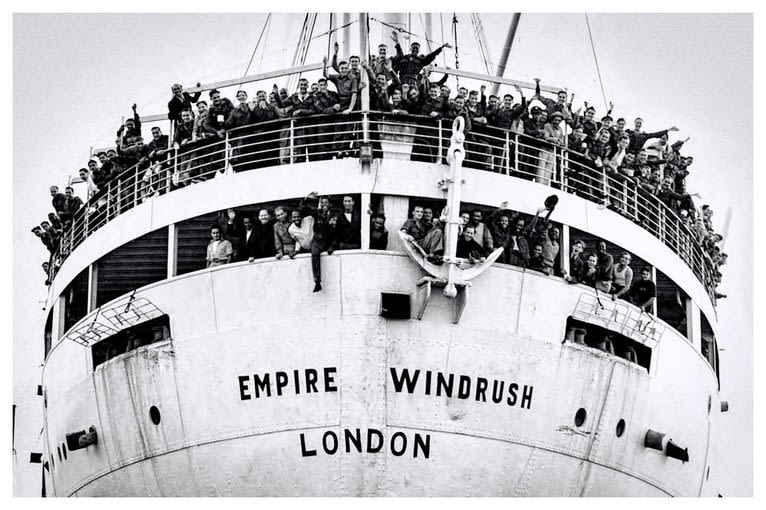
This year the 22nd of June will mark Windrush Day, a day commemorating the 76th anniversary of the Empire Windrush’s arrival in Britain in 1948 and the many Caribbean people who migrated to Britain in the decades to follow.
Did You Know: Approximately 50,000 people from the Caribbean were invited to the UK. The Empire Windrush alone carried over 800 Caribbean passengers.
A Brief History:
In 1948, the British Nationality Act granted citizenship and right of abode to all members of the British Empire, including those from the Caribbean. Many travellers between 1948 and 1971 came from Jamaica, Trinidad, St Lucia, Grenada and Barbados, all ready to start new lives.
Despite being invited to relocate in Britain, many Caribbeans experienced racism and discrimination, particularly in education, employment and housing, creating numerous challenges which are still being felt by generations today.
Today, Windrush Day is used to celebrate the culture and legacy of the Windrush Generation, and an opportunity to celebrate the contributions of British Caribbean communities to British society, and their influence on British culture. It is also important to recognise the sacrifices many Caribbean people made when coming to Britain such as leaving children and other family members behind, with hopes of reuniting at a later time.
The descendants of the Windrush generation have worked hard to keep the histories and stories of their families alive.
Andrea Levy’s famous novels were inspired by her Jamaican heritage. Her novel Small Island was adapted into a two-part television drama by the BBC in 2009. In an revealing and significant scene, ‘Hortense Dreams of England’, the narrative captures how the Caribbean migrants were socialised into believing imperialism and white supremacy would benefit them. The scene is a powerful indicator of the beliefs and mindset which influenced the initial experiences of some of the Windrush Generation.
Did You Know: Empire Windrush’s first stop was in Essex at Tilbury Dock, before heading towards London.
BLAM’s Research on Windrush:
Over the years, BLAM UK has researched the histories of the Windrush Generation.
As part of the Grounded Project, BLAM has taught primary and secondary schools about the influence the Windrush Generation has had on British culture. Such as the creation of Lovers Rock genre, invented in response to racial discrimination and alienation. Additionally, BLAM has examined how Black British Fashionwas shaped by the arrival of the Windrush Generation. Our blog delves into the historical significance of the skills, styles and fashions brought over from the Caribbean which enriched the fashion landscape with vibrant and diverse influences. It also celebrates the trailblazing influencers who have paved the way for contemporary designers to shine on a global scale.
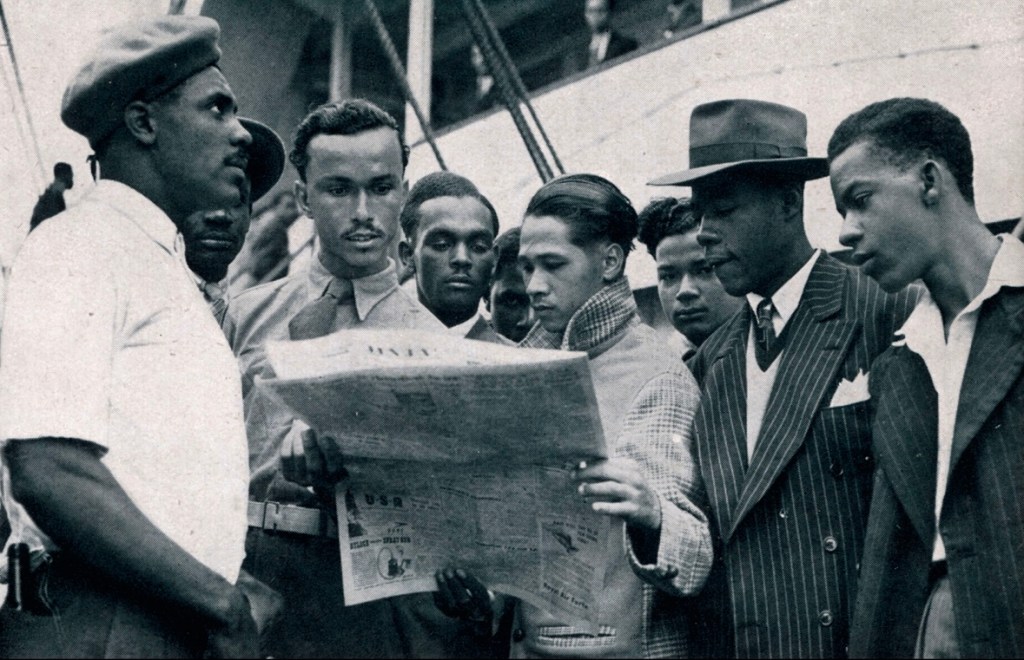
[1948: Jamaicans on board the Empire Windrush, copyright Illustrated London News Ltd. Mary Evans]
Brixton is sometimes referred to as ‘Little Jamaica’ due to its large Jamaican population. It is also home to Windrush Square, an open space in the heart of Brixton commemorating the arrival of the Empire Windrush.
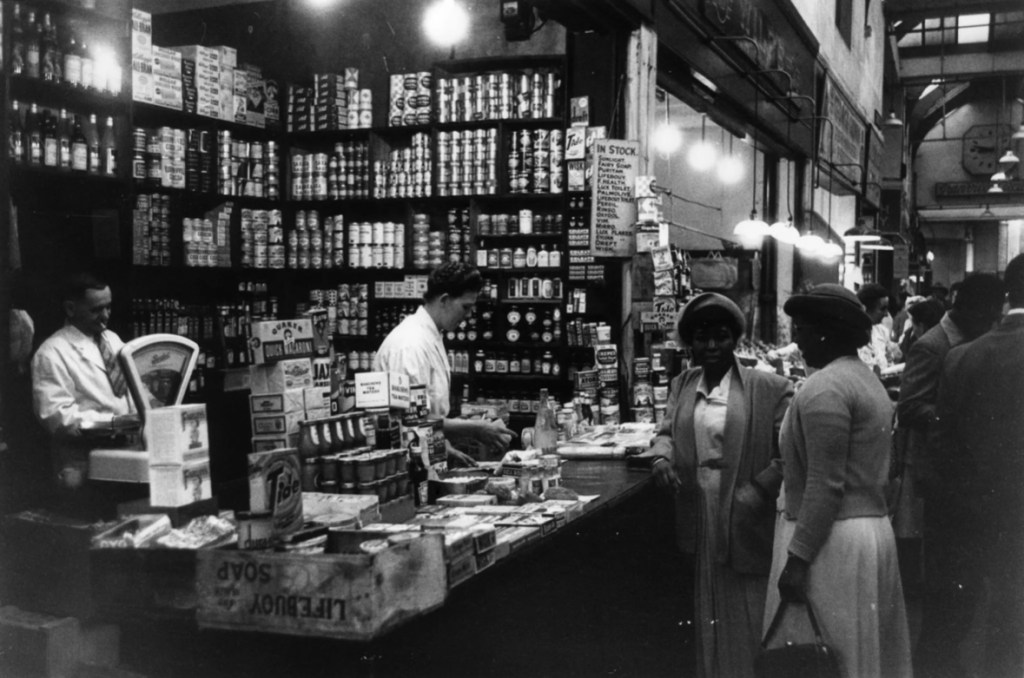
Following World War II, the Windrush Generation built up their communities in Brixton, providing foods which had never been sold before to become more accessible, such as plantain and yams. This growth had a trickle down effect on other communities such as Indian and West African migrants who were also able to preserve their cultures in a new environment.
Did you know: Approximately 800,000 thousand Jamaicans and those of Jamaican descent live in the U.K.
[6th September 1952: West Indian shoppers in Brixton market. Original Publication: Picture Post – 6044 – Breeding A Colour Bar ? – pub. 1952 (Photo by Charles Hewitt/Picture Post/Hulton Archive/Getty Images)]
The Controversies:
BLAM has also delved into the The Lesser-Known Stories Behind the Windrush Scandal. This publication followed the 2018 controversy stemming from government sanctioned offences which saw Afro-Caribbean descendants’ human rights violated through unlawful detainment, and even deportation orders being executed. Evidence was found regarding discriminatory legislations and practices occurring for years before the news was exposed. Our book, which we will share in more detail later, highlights the responses to the Windrush scandal, particularly looking at the Poems on the Underground: Windrush. This archive of poems by Caribbean authors expresses their experiences during that time and examines the implications for Black British culture today.
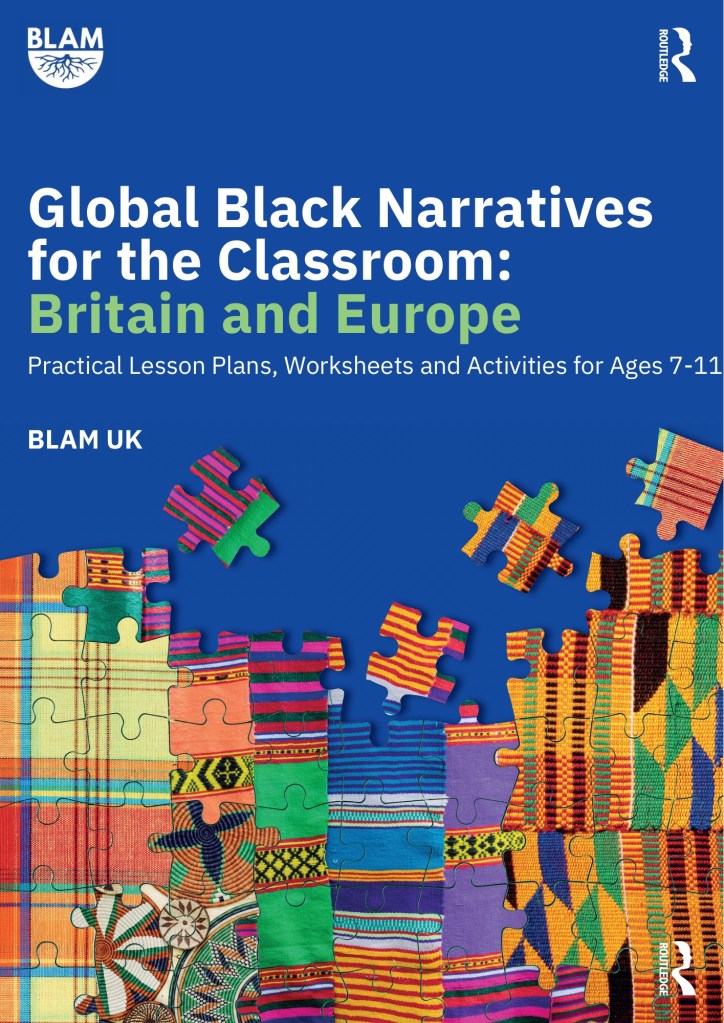
Learn more about Windrush with our practical resource guide, Global Black Narratives for the Classroom: Britain and Europe. It offers primary education teachers a comprehensive outline of Black history, culture, and life within the UK’s National Curriculum.
Chapter 13 – (From one Small Island to another – Windrush), offers an in-depth study of the Windrush Era. It includes engaging activity tasks and resources. The main objectives of our Windrush era lessons are: to develop empathy through engaging with Caribbean authors, to understand cultural experiences through word retrieval, and to reflect on how Black identities shaped social experiences through migration.
Global Black Narratives covers historical figures such as Claudia Jones, a.k.a Mother of Notting Hill Carnival, her community activism in response to racial tension. Historic events such as the Bristol Bus Boycott which parallels the US Civil Rights Movement. Also exploring the Caribbean Artists Movement (CAM) and how it became a creative catalyst for change within the community.
Each topic in this essential book equips teachers, teaching assistants, senior leaders, and parents with historical, geographic, and cultural context to confidently plan and teach from decolonised perspective, with culturally aware content. It includes full lesson plans, printable worksheets, and tips for developing future lessons aligned with the explored themes.
More about Global Black Narratives:
Created by BLAM UK,this highly informative yet practical resource is an essential read for any teacher, teaching assistant or senior leader who wishes to diversify their curriculum and address issues of Black representation within their school.
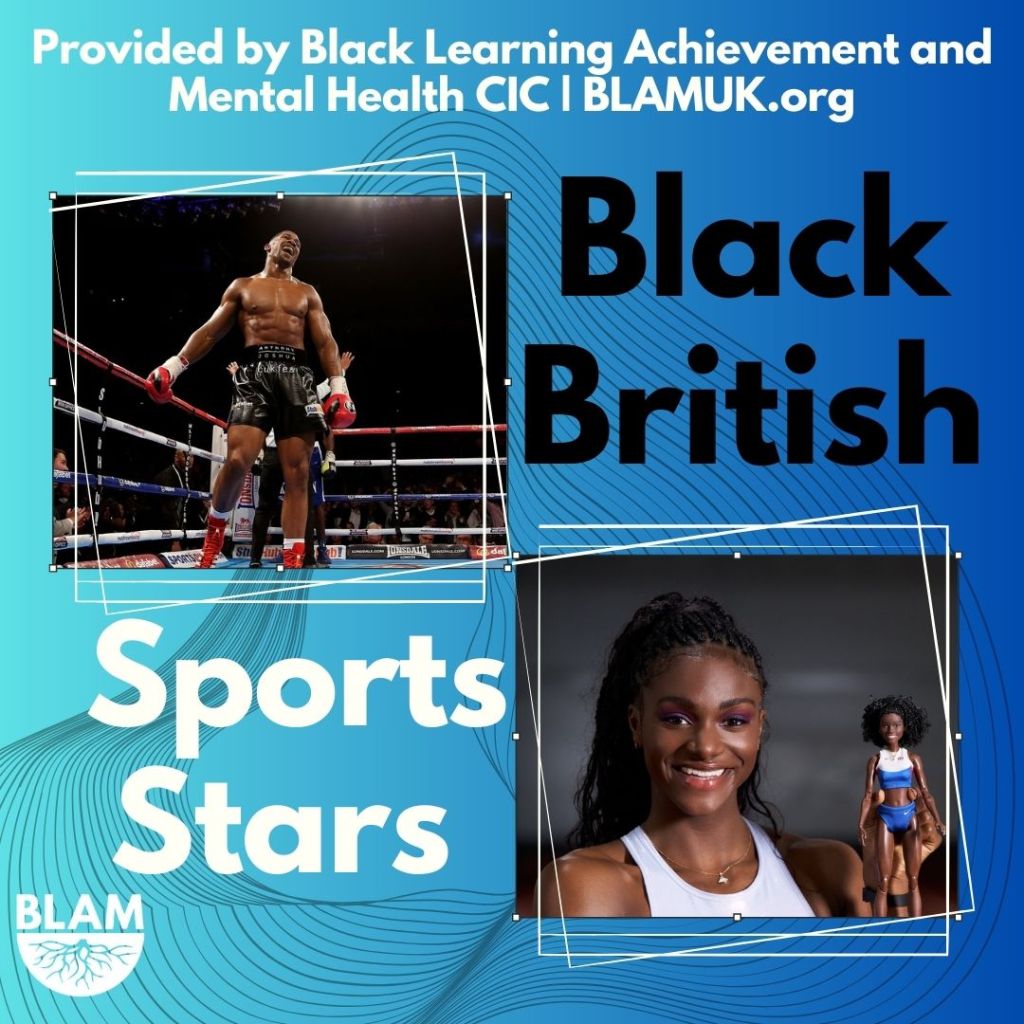
Today BLAM UK honours the incredible achievements of contemporary Black British Sports Stars!
Let’s shine a spotlight on their remarkable accomplishments across various fields and applaud the profound impact they’ve had on British society. Join us as we shower these present-day heroes with well-deserved recognition and pay homage to their outstanding successes!
Let’s kick off with football:
Name: Marcus Rashford (26)
Heritage: Jamaican and St Kittitian
Profession: Footballer and Activist
Rashford is known nationally as a changemaker due to his active work addressing racism in the UK, childhood poverty, homelessness and child hunger. Rashford has spoken at great lengths about his early years and experiences with poverty in Manchester and why he is passionate about campaigning. This has landed him recognition globally, with Time 100 recognising him as one of the most influential people of 2021.
Achievements:
Youngest English player to score at his first international match in 2016.
Youngest player at the UEFA Euros 2016.
Youngest recipient of an honorary doctorate from the University of Manchester for his work combating child poverty in the UK.
Expert Panel Special Award in the 2020 BBC Sports Personality of the Year.
Campaigner Of The Year in the 2020 GQ Men Of The Year.
Now let’s enter the boxing ring:
Name: Anthony Joshua (34)
Heritage: Nigerian and Irish
Profession: Boxer
Joshua only began boxing at the age of 18. Before pursuing boxing professionally, Joshua worked as a bricklayer whilst still doing amateur boxing matches. He was inspired by his cousin, Gbenga Ileyemi, the 2011 ABA heavyweight champion. Alongside crowded matches, Joshua can often be seen on screens modelling for well known brands such as BOSS.
Achievements:
Competed in the 2012 London Olympics before turning professional.
Won Team GB’s final medal during the Olympic games.
Won Gold in the super heavyweight category at just 22 years old.
First British heavyweight to win gold at the Olympics.
First British heavyweight to win a world title by a major professional sanctioning body.
Next we sprint to:
Name: Karé Adenegan (23)
Heritage: British Nigerian
Profession: Wheelchair sprint distances in T34 racing
Adenegan was born with Diplegic Cerebral Palsy, a genetic condition impacting her lower limbs and mobility. Adenegan is outspoken about how this condition impacted her physical education as a child. Adenegan continues to advocate for greater inclusion for people living with disabilities within sports. She speaks at various national events and via her podcast ‘Sporting for His Glory’, a podcast sharing stories about Christians in the sports world.
Achievements:
At just 14 years old, won double bronze at the IPC Athletics World Championships 2015.
At just 17 years old, Adenegan set a new world record in the Women’s T34 100m with a time of just 16.8 seconds.
Won a gold medal in the Berlin European Championships 2018.
Won bronze and silver in the Rio Paralympics 2016.
During the World Championships in London 2017 won silver and bronze.
Won two silver medals in the 2019 World Para-Athletics Championships.
Won two silver medals during the 2023 Paralympic Games in Tokyo.
Won two silver medals during the 2023 World Para-Athletics Championships.
Named BBC Young Sports Personality of the year 2018.
Watch Adenegan talk about her experiences here:
Time to relay to another record maker:
Name: Dina Asher-Smith (28)
Heritage: Jamaican and Trinidadian
Profession: Sprinter
Asher-Smith’s multifaceted achievements make her an icon both on, and off the track, inspiring generations with her talent and determination. From an early age, Asher-Smith showcased her talent, setting a world best time for the 300m at just 13 years old. She is often referred to as the ‘world’s fastest teenager’ after competing at the European Indoor Championships. Asher-Smith is seen as a true role model and celebrated internationally by girls and women alike.
Achievements:
At just 13 years old, she ran a world best time for 300m (39.16).
Declared ‘world’s fastest teenager ever over 60m and 200m’ winning silver at the European Indoor Championships in Prague.
Aged 17, Dina was the youngest athlete on the British team for the IAAF World T&F Championships in Moscow 2013.
Holds British records in the 100m and 200m races.
Is the first British woman to win a world title.
Holds records in the European Junior Indoor record for 200m.
Youngest ever female World Championship relay medallist.
Broke records at the World Championships in Beijing during the 200m and 4x100m.
Walked for Off-White during Paris Fashion Week 2018.
Let’s change gears and drive over to:
Name: Lewis Hamilton (39)
Heritage: Grenadian and British
Profession: Race-car driver
Hamilton is known globally for annihilating expectations and his refusal to conform to stereotypes. Since Hamilton was a child he has been redefining what a Formula 1 (F1) driver looks like and who can be one. Being the first Black driver in F1 has inspired him to launch a commission, in collaboration with the Royal Academy of Engineering, aimed at identifying ways to encourage more Black people to participate in the British motorsport industry. Since launching in 2020, the Hamilton Commission has worked to provide recommendations to make engineering more inclusive and accessible. Hamilton also founded the charity Mission 44, which works to make a fairer, more inclusive world for young people by investing in solutions to empower young people to overcome social injustice.
Achievements:
Aged 8 years old began karting.
Aged 13 was the youngest driver contracted by an F1 team- ‘greatest rookie performances in F1 history’.
As a teen, won the British Karting Championship in the Cadet Class.
First Black person to drive in F1.
Youngest ever 30th F1 World Champion.
First ever driver to record 100 grand prix victories.
Has won seven championships.
In 2008 was the first Black driver to win the F1 world drivers’ championship.
Now we swim over to:
Name: Alice Dearing (26)
Heritage: Ghanaian and British
Profession: Swimmer
Dearing made history in 2021 when she was announced to be Team GB’s first ever Black female swimmer at the Olympics. Since she was six years old, Dearing has been an avid swimmer and has not allowed barriers to get in her way. She regularly speaks on and writes about her experiences. Dearing’s experiences have resulted in her founding the ‘Black Swimming Association’, a charitable organisation dedicated to encouraging more Black people to take up swimming and advocating for water safety and inclusion.
Achievements:
World and European Junior Champion 2016.
Team GB’s first Black female Swimmer 2021 Olympic Games.
Olympic Marathon Swimmer.
The Sunday Times Changemaker Of The Year award 2022.
Sports Journalist of the Year award 2022.
Listed third on the BBC’s Woman’s Hour Power list 2023.
LETS CONCLUDE BY RIDING OFF INTO THE SUNSET:
Name: Khadijah Mellah (24)
Heritage: Kenyan and Algerian
Profession: Jockey
Mellah is a competitive British horse racer, who made history by becoming the first jockey to wear a hijab. More impressively, she won the Magnolia Cup at Goodwood whilst completing her A-Levels! Mellah’s story has been so inspiring that a TV series documenting her journey is available to watch: Riding A Dream. Mellah has made sure to leave the door wide open for other hijabi women to pursue their riding dreams, through her ‘Riding A Dream Academy’ and scholarships.
Achievements:
Made history as the first Hijabi jockey.
Winner of the Magnolia Cup 2019.
The Times Young Sportswoman of the Year 2019.
Founded ‘The Riding A Dream Academy’ and the Khadijah Mellah Scholarship in 2021.
The controlling nature of retributive justice can be seen to act as a barrier to progress, maintaining injustices and failing to tackle the underlying causes of them. The system must change to combat institutional problems and the focus needs to shift to Transformative Justice – instead of excessively incarcerating minorities, shrouding the State in protection and accepting the dysfunctional fatal system of policing, we should hold people accountable for harm they cause, identify root causes of issues and tackle their perpetuation by societal and systemic change.
Chief Constable Peter Fahy’s proposal of ‘Place Based Integration’ acknowledged concerns of police culture and the internal politics of hierarchically-based organisations. He implemented ‘Place Based Integration’ and ‘Integrated Neighbourhood Teams’ in Greater Manchester which required officers to refer vulnerable people to the appropriate service instead of invoking the CJS – shifting police resources into local preventative schemes, allowing holistic, suitable responses to matters such as mental health. Transformative Justice calls for the CJS to be recognised as responsible for the violent oppression of marginalised communities, and encourages responding instead to interpersonal or community violence within more intimate community or civil systems. Fahy’s programmes intrinsically reduces unnecessary over-policing and the system had beneficial impact, shifting philosophical perceptions and ‘working directly with people and communities to understand why the traditional system is often unable to do the right things’. Afterall, ‘[i]n an advanced, prosperous country people with mental disorder should receive their care from the health services and not the police’. Despite Place Based Integration evidencing success, reducing the number of people detained by inappropriate police powers due to mental ill-health by 90%, such schemes have not been mirrored in any other UK police force. Transformation, as opposed to restoration and retribution, recognises the context of structural conditions in which violence takes place, such as poverty, racism, sexism, homophobia, ableism, and other systemic forms of violence. A Transformative Justice System would have mechanisms to tackle harm, not by causing further harm through punishment from a body with embedded inequalities, but by rehabilitation, education and improved community support addressing root causes of harm-ful and harm-causing behaviour.
At BLAM, we see how the ‘double discrimination’ of Black people with mental health issues manifests against young children. Many parents struggle to gain a mental health diagnosis for their child, they feel let down by CAMHS and doctors. Even where a diagnosis has been received, we have seen children wait 10 months for an effective Education Health and Care
Plan (ECHP) when they are meant to take no more than 20 weeks to complete, and some schools fail to implement an appropriate care plan at all. These children are often neglected and excluded as their behaviour is misunderstood and mismanaged. We see children who have been in contact with CAMHS from as young as 8 years old face persistent failures from schools and the State – instead of receiving support, and consideration for struggling with the schooling structure, such children are often deemed ‘problematic’ and excluded. The exclusion to prison pipeline is well documented and goes to show another systemic failure of the State. From healthcare to schooling to policing, the system is both damaged and damaging, particularly for Black people. As such, BLAM intercepts these exclusions, acting
as a Transformative Justice mechanism fighting the multilayered oppression excluded Black children face. It is vital that people can access community-based mental health support and that our systems are addressed and improved. This is Transformative Justice’s agenda. This improvement can only happen with the re-funding of community support systems and the destruction of discriminatory assumptions embedded in State structures. Police involvement in mental health matters can be stigmatising and would be better managed with well-funded community-based experts who possess the ‘emotional intelligence and empathy to diminish the need for physical restraint’. The institutional use of surveillance, policing and imprisonment serves only white, heterosexual, cisgendered, able people and manifests systemic issues and marginalisation of Black people. Transformative Justice aims to address and confront the oppressions at the root of harm and prevent the domino effect. Such processes include political education around sexist, racist, abelist and other oppressive behaviour, sexual violence prevention work, victim-offender mediation and healing processes. These mechanisms challenge the social system that currently fights harm with harm, and create a move towards a Transformative Justice system.