
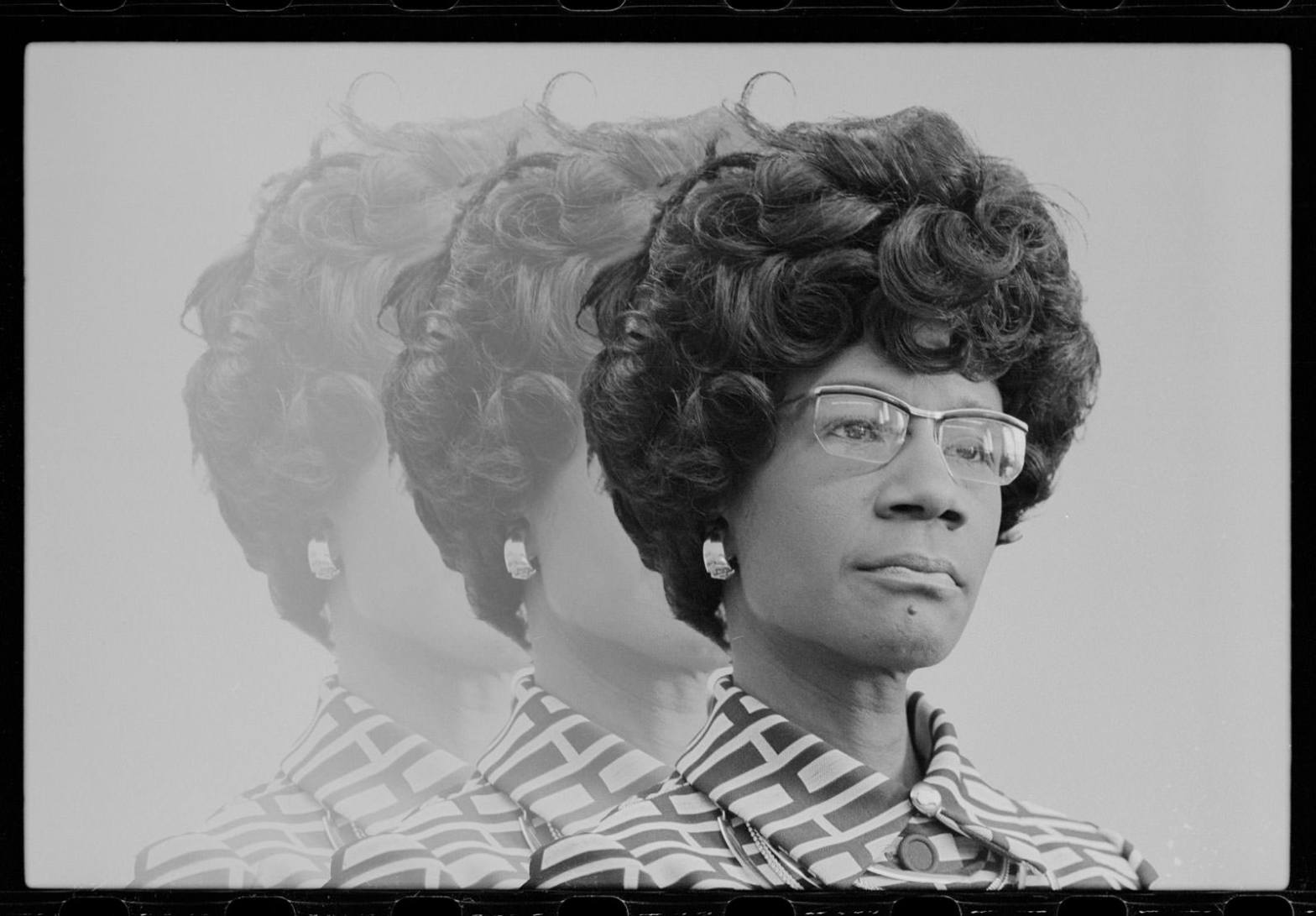
Black women are making American election history again. But behind every celebrated “first” sits another question. Why did the door remain closed for so long?
This week, Keisha Lance Bottoms became the first Black woman elected governor in United States history. Melat Kiros became the first Black woman Colorado elected to Congress. These victories deserve recognition. They also demand a conversation about the difference between entering institutions and transforming the conditions facing Black communities.
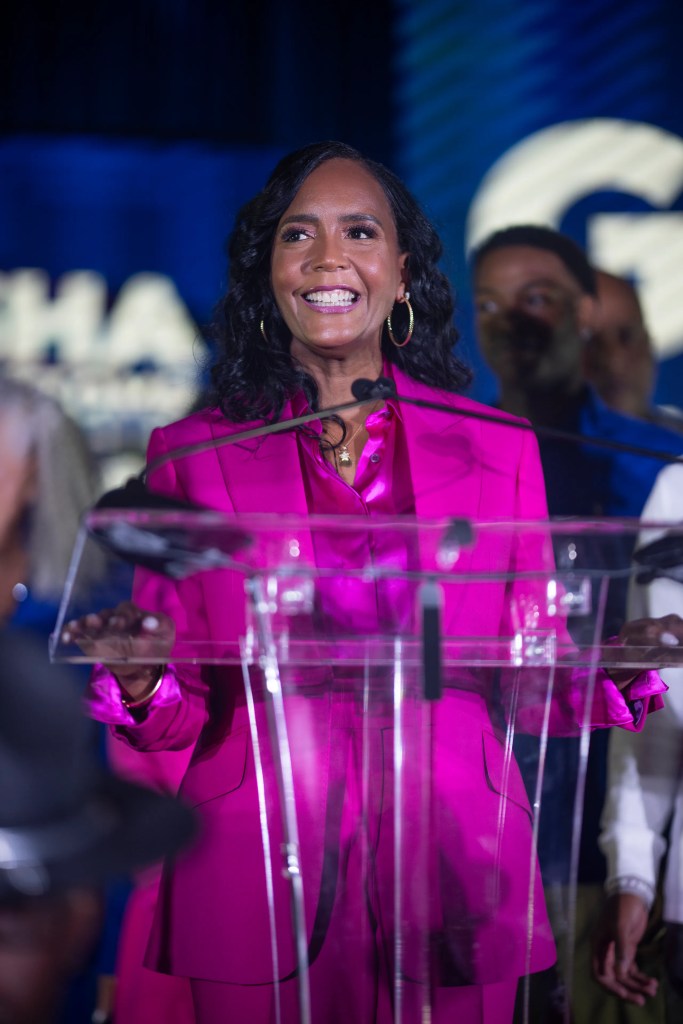
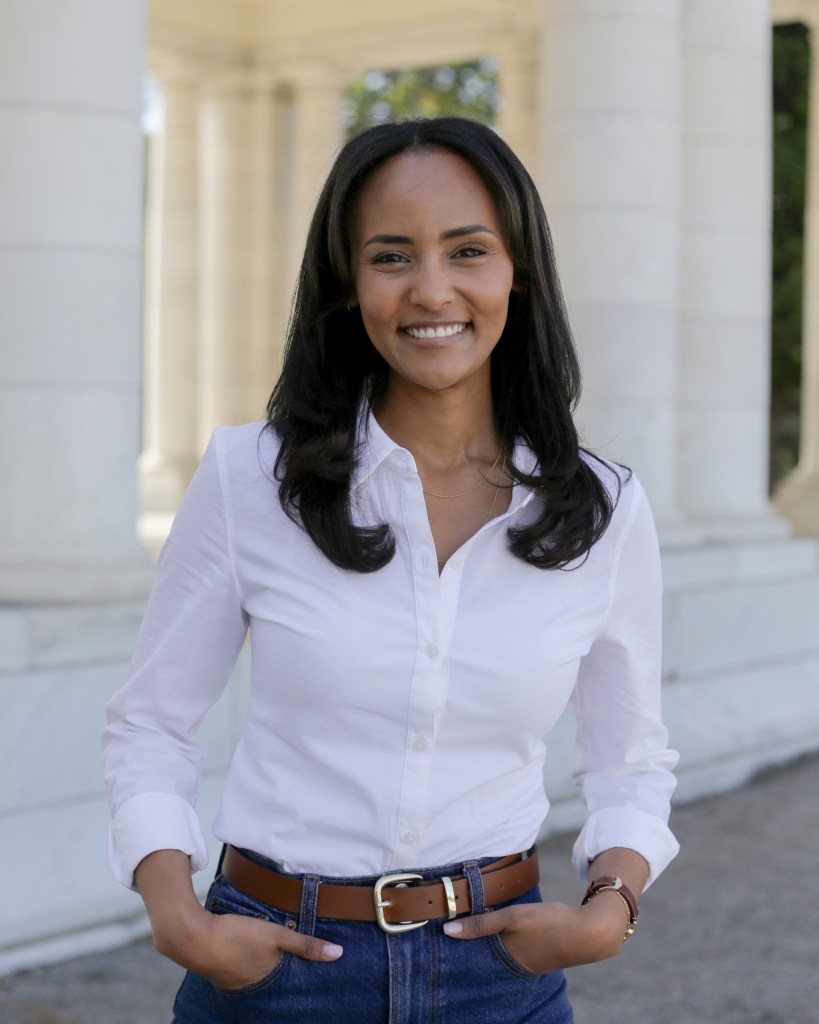
On 5 November 2026, that conversation takes us back exactly 58 years.
Unbought and unbossed
On 5 November 1968, Shirley Chisholm became the first Black woman elected to the US Congress.
A Brooklyn educator with Caribbean roots, Chisholm entered national politics carrying experiences that institutions of power routinely dismissed. She understood racism, sexism and the struggles of working people through her community, her work and her family.
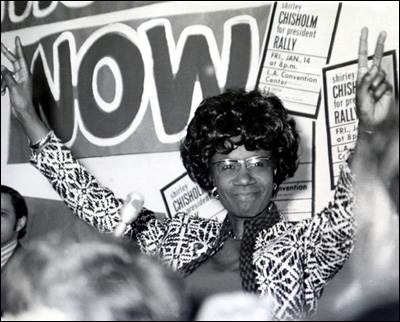
Her campaign slogan, “Unbought and Unbossed”, expressed an insistence on political independence. Four years later, she sought the Democratic presidential nomination, challenging assumptions about who could claim the country’s highest office.
Remembering her only as a “first” makes her politics smaller than they were.
Chisholm advocated for expanded food assistance, supported domestic workers’ rights and opposed the Vietnam War. Her record connects political representation to questions of survival, dignity and the distribution of public resources.
When visibility becomes the finish line
Historic victories can widen what people imagine possible. For Black girls watching these results, seeing Black women win office can challenge generations of messages about who belongs.
But visibility alone cannot redistribute wealth, secure housing or dismantle racist institutions.
Black politicians hold different political commitments. A shared racial identity does not automatically produce shared interests, policies or accountability. The question must therefore extend beyond who occupies an office to whose lives improve through the decisions made there.
Against the backdrop of Trump’s politics and the far right, resisting racist exclusion remains urgent. Yet our ambitions must reach beyond securing entry into institutions that have helped reproduce inequality.
We should demand changes to how those institutions exercise power.
Power that answers to our communities
For Black communities in Britain, these questions are familiar.
Representation matters in Parliament, schools, workplaces and public services. Its value must also be assessed through what happens to Black children facing exclusion, families seeking secure homes and communities subjected to discriminatory policing.
Who shapes the priorities? Who controls the resources? Who can challenge decisions and secure meaningful change?
A Black radical reading of Chisholm’s legacy asks us to keep those questions alive after election night. It places collective freedom, economic justice and community accountability at the centre of how we judge political success.
Elected office is one site of struggle. Organising, political education, advocacy and solidarity remain essential sources of power.
At BLAM UK, honouring Black history means engaging with the demands and unfinished struggles behind its milestones.
We can celebrate these victories while expecting more than symbolic inclusion.
Fifty eight years after Chisholm’s election, the task remains collective.
Celebrate the wins. Demand what follows. Keep organising for Black liberation.

