There is an unequivocal push to shed light on the deepening racial divides that continue to underpin the Black experience in the 21st Century. Black liberation movements around the world, from the bustling streets of London to the southeastern coasts of Jamaica, have brought the importance of blackness to the fore. Not only as a tool for understanding the Black identity, but also as a theoretical framework from which to view our emancipatory commitment to social justice, liberation and reconstruction.
From analyses of diaspora to the entangled processes of the transatlantic slavery, colonialism and modernity- Black thought has long been concerned with questions of race, place, and power. Yet, it’s plausible to suggest that these developments, which span centuries and continents, have been systematically excluded from more traditional notions of geography.
Within the past five years, however, Black Geographies as a discipline and epistemology has gained increasing institutional clout, with thanks to the tenacity and ingenuity of Black scholars to carve out institutional spaces for Black intellectual production. But, what exactly is meant by Black Geographies?
“Black Geographies’ is diasporic in its foundation through centuries of race projects of displacement, concealment, and marginalization that seek to render the Black body as “ungeographic” (McKittrick, 2006)
As a critical nascent body of scholarship, Black Geographies pinpoints Black spatial agency and the intersections between race, the state, and the dynamic distributions of power present in society. From the transatlantic slave trade to the lack of racial integration of Black and white families with similar class affiliations, to the mass incarceration of Black people, Black Geographies examines Black spatial experiences, including how Black life is reproduced in the wake of gentrification and redevelopment. In doing so, Black Geographies exposes the rich processes of Black socio-cultural and spatial reproduction to resist the confines of slavery, underdevelopment, and traditional human geographies.
Importantly, Black Geographies is not just for geographers. Amongst other schools of thought Black Geographies can also provide a foundation of understanding for the various means of organising political movements to both undermine systems of oppression, and efforts to positively contribute to the communal well-being of Black communities; as opposed to the individuality and exclusivity of our current Western world. Indeed, the scholarship of Black Geographies transcends boundaries outside of formal geography.
As the Black Lives Matter movement sweeps the globe, renewed efforts to address the ongoing injustices of racism and inequality further challenges the formal canon of disciplinary geography that we seem to value so much. We have reached a critical moment, and it is now time to re-examine our complicity in racial processes, evaluate the processes and frameworks that address issues of racial inequality, and reengage the scholarship of Black Geographies as a body of scholarship. This new body of thought must add to our understanding of the ways that race and place are inextricably linked.
Written by Malaika Laing-Grant– BLAM’s Volunteer Blog editor
Malaika is a professional with over five years’ practical experience in the international development space, providing comprehensive programmatic support to drive programme success in areas such as youth and politics, social and economic development, education and capacity building. She is a strong believer in the power of the Black community, Malaika is also committed to education as a form of Black empowerment to dismantle cycles of oppression and systems of social injustice
Source
McKittrick, K. (2006). Demonic grounds: Black women and the cartographies of struggle. Minneapolis: Univ. of Minnesota Press
The distinction between Black feminism and white feminism has long been established, due to the triple burden facing many Black women of race, class and gender. Black feminists have and continue to, highlight the differences in their experiences and issues they are confronted with. On the key issues of family, patriarchy and reproduction,
Black women have distinctly different realities to that of their white middle class counter parts, that often centre the feminist movement.[1] Black women are consistently confronted with racism, resistance and further oppression which white feminism has undermined and silenced. It was in acknowledgment of this that OWAAD was formed in 1978.[2]OWAAD functioned as an umbrella organisation, bringing together various groups of women with divergent interests and focuses.[3] OWAAD had a prominent impact on the women’s liberation movements in Britain, by placing the experiences of Black and Asian women on the liberation agenda. Attracting over 300 women to its first national conference, OWAAD successfully prompted the establishment of Black women’s groups across London.
The ‘Brixton’s Black Women’s Group’ opened in London as the first Black Women’s Centre and Asian and African – Caribbean women founded the ‘Southall Black Sisters’ in North West London.[4] As well as its undeniable influence, OWAAD contributed to several campaigns for the progression of the black experience in the United Kingdom. OWAAD joined the campaign to scrap the SUS laws, which gave the police the powers of stop and search without any cause and was disproportionately used against young Black men.[5] The impact of OWAAD and its initiatives are undeniably powerful and revolutionary. As Stella Dadzie (co-founder of OWAAD) emphasised, OWAAD worked to ‘show people sisterhood in operation’.[6] Not only did OWAAD take on the responsibility of upholding the Black-british community, they also established a legacy of justice and perseverance that remains a fundamental pillar of Black British History.
BLAM UK is seeking a Consultant Education Lawyer to support our Advocacy Team, particularly within our School Exclusions Project.
This role involves providing legal guidance and expertise to help protect the educational and racial justice rights of Black children and young people. The successful candidate will work closely with our advocacy team to ensure that families receive clear legal guidance when navigating school exclusions and other education related challenges.
BLAM UK runs the UK’s only school exclusions advocacy service dedicated to supporting Black children and young people. Through advocacy, legal guidance, and community engagement, we work to challenge systemic inequalities in education and ensure that Black children and families are treated fairly within the education system.
Key Responsibilities
Provide expert legal advice to the advocacy team on education law matters.
Support cases relating to school exclusions and other education-related issues.
Assist with reviewing documents, preparing legal guidance, and advising on best practice for advocacy.
Work closely with the team to ensure the rights and welfare of Black children and young people are central to all interventions.
Requirements
Qualified solicitor or barrister with experience in education law.
Strong understanding of school exclusions, safeguarding, and issues specifically affecting Black children and young people.
Demonstrated commitment to equity, inclusion, and culturally competent advocacy.
Excellent communication and collaborative skills.
Ability to work flexibly and remotely, managing 5 hours per week.
Role Details
Hours: 5 hours per week (between 9am–5pm, Monday–Friday) Rate: £28 per hour Location: Remote / Flexible
How to Apply
Please send your CV and a short covering letter outlining your experience and suitability for the role to:
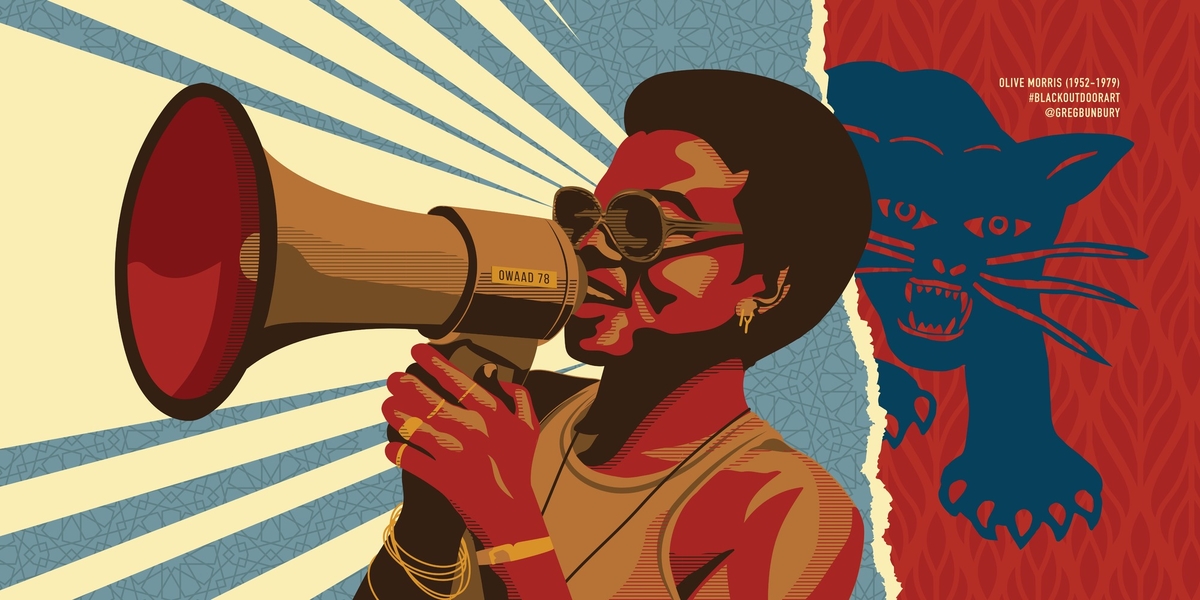
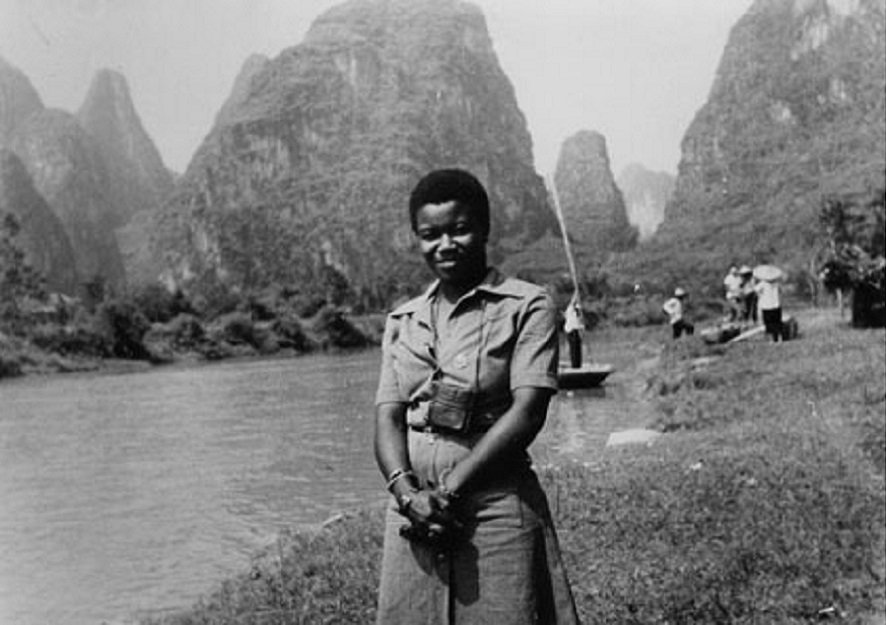
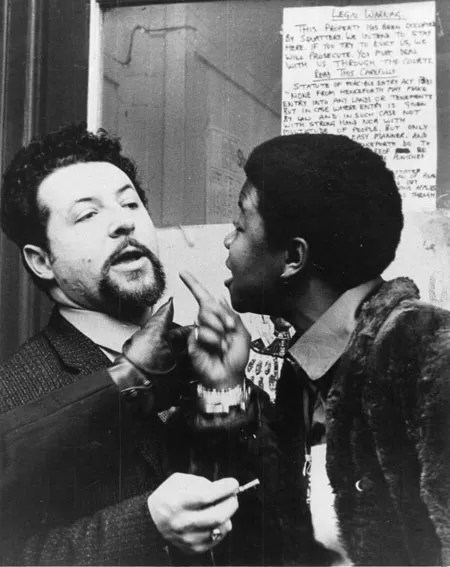
March is Women’s History Month, and the theme this year is “Give to Gain.” For me, the name that immediately comes to mind is Olive Morris. Born in 1952 in Harewood, Jamaica, she moved to south London at nine years old. From a young age she saw Britain’s inequalities and, by her teens, she was already giving to her community. At 17 she intervened when police brutally harassed a Nigerian diplomat in Brixton and was herself beaten and arrested. Instead of backing down, she joined the youth wing of the British Black Panthers and dedicated herself to fighting for housing, education and justice. Olive gave everything she had, her youth, her courage, her labour, in order for her community to gain rights and dignity.
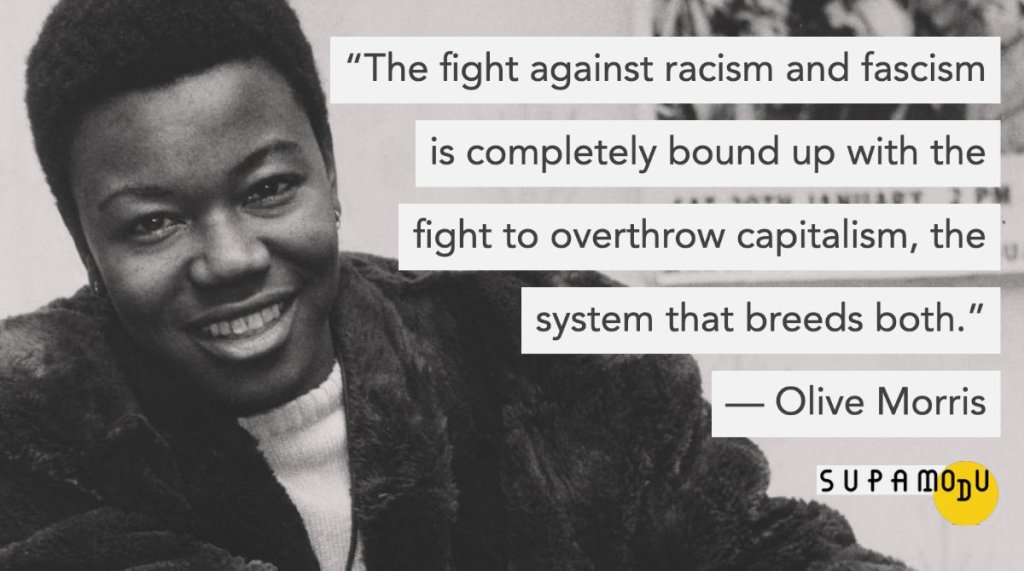
Olive’s own journey shows why we celebrate her today. In an era when Britain’s feminist movement often ignored race and class, Olive insisted that Black women be front and centre of liberation. She once cautioned that “if we don’t speak for ourselves, we’ll always be spoken for“. A statement anticipating the term intersectionality. She shifted the conversation from glass ceilings to the urgent issues Black women faced: police brutality, substandard housing and immigration law.
Building Black Feminism
In 1973 Olive co-founded the Brixton Black Women’s Group (BBWG). This was one of the UK’s first organisations specifically for Black women, and it created a space free from the racism of mainstream feminism and the sexism of male-dominated Black politics. Through study circles, newsletters and community projects, BBWG highlighted issues like childcare, education, domestic violence and workplace discrimination that white-led groups had ignored. In practice, BBWG put children’s centres, supplementary schools and housing justice at the heart of feminism.
Later Olive helped launch the Organisation of Women of African and Asian Descent (OWAAD) in 1978. This national network brought together Black and Asian women activists from across Britain to build solidarity and share strategies. Hundreds attended OWAAD’s first conference, a watershed moment in UK Black feminism. Olive and her comrades made it clear that any genuine women’s movement must fight racism and class exploitation as fiercely as patriarchy.
Housing as a Human Right
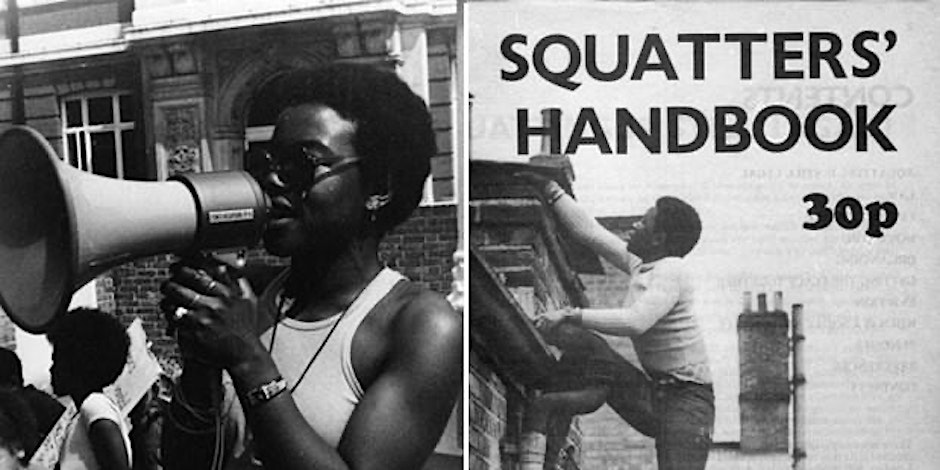
Olive’s activism in the 1970s proved that direct action could change lives. In 1972 she and friend Liz Obi squatted 121 Railton Road in Brixton to house homeless youth and community groups. They resisted multiple eviction attempts, even staging the famous scene of Olive on the roof refusing to come down. The flat became a hub for Black organising and eventually hosted Sabarr, one of Britain’s first Black community bookshops. Olive made clear her politics: housing is a right, not a privilege. She often said a “roof over your head isn’t a privilege – it’s a right”. This principle still drives tenants’ campaigns today. As Britain once again faces a housing and rent crisis, activists still invoke her example of squatters’ resistance and mutual aid for decent homes.
Confronting Police and ‘Sus’ Laws
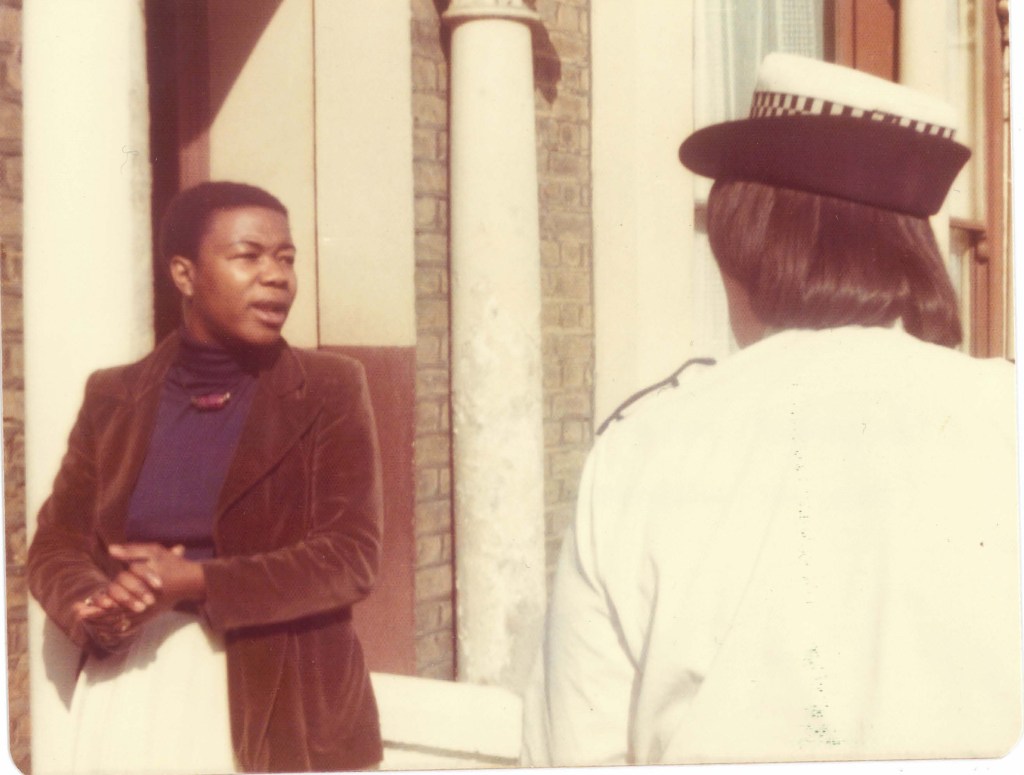
Police harassment was another battlefield for Olive. After her own 1969 beating by the police, she refused to let that violence go unchallenged. In 1978 she returned to Brixton as a law student and worked at the local Community Law Centre, campaigning to scrap the infamous ‘sus’ laws that allowed officers to stop and search people on mere suspicion. Olive exposed how those racist laws terrorised the Black community – a problem that echoes today’s debates over stop-and-search. Her leadership meant that resistance to police brutality was rooted in Black women’s organising and legal struggle. Olive’s message was clear: Black women cannot rely on others to lead for them, because history shows they would be sidelined otherwise. She insisted working-class Black women must take charge of their own freedom.
Legacy: Giving to Gain
Olive Morris died at just 27 years old, but her impact was far beyond her years. In less than a decade of activism she built community centres, bookshops, schools and legal projects that still exist today. She gave her youth and safety to build movements that benefit us all. In the words of Women’s History Month’s theme, she truly gave in order for future generations to gain. By investing every ounce of her energy in collective struggle, she gained a blueprint for Britain’s future that we still follow.
As we honour women’s history this month, Olive Morris stands out as a perfect example of “give to gain.” She reminds us that leadership and sacrifice know no age limit. Her story, from squatting homes to forming feminist networks, has been under-told, but every Black activist today draws on the foundations she built. Everyone reading this should know her name and carry forward her legacy. How will we give to gain in our time?
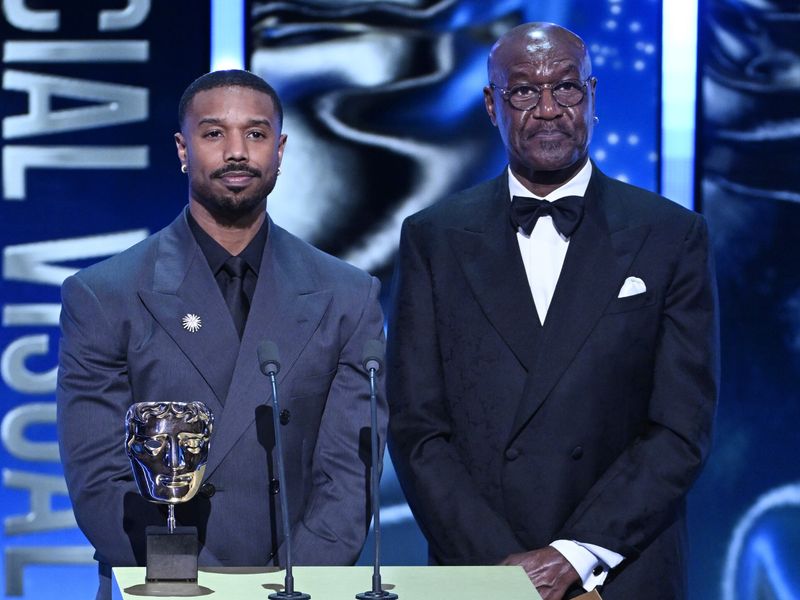
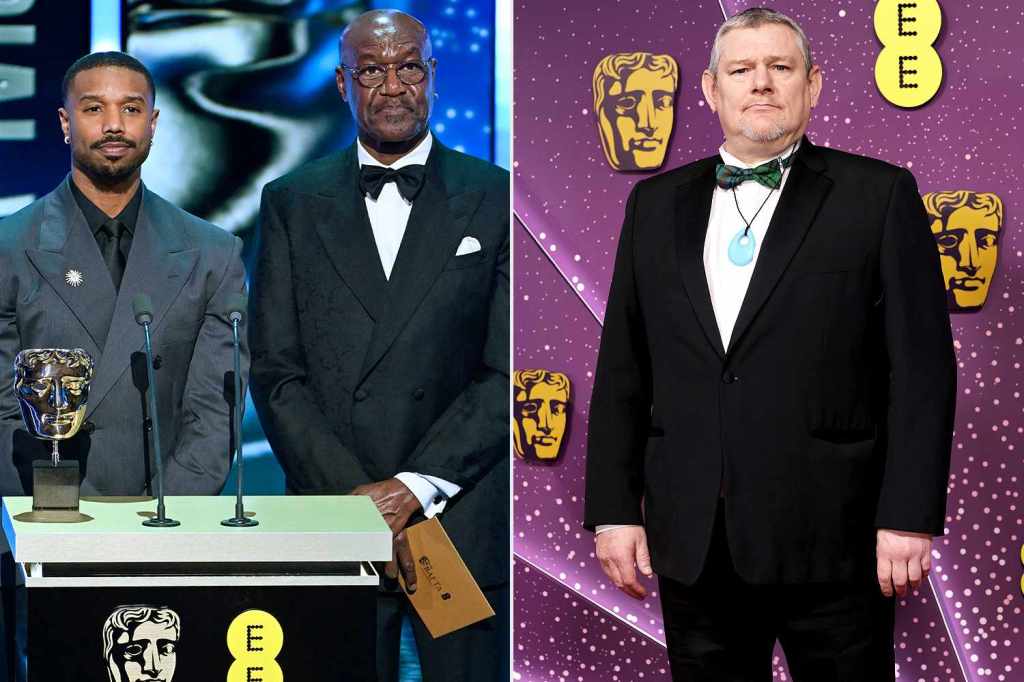
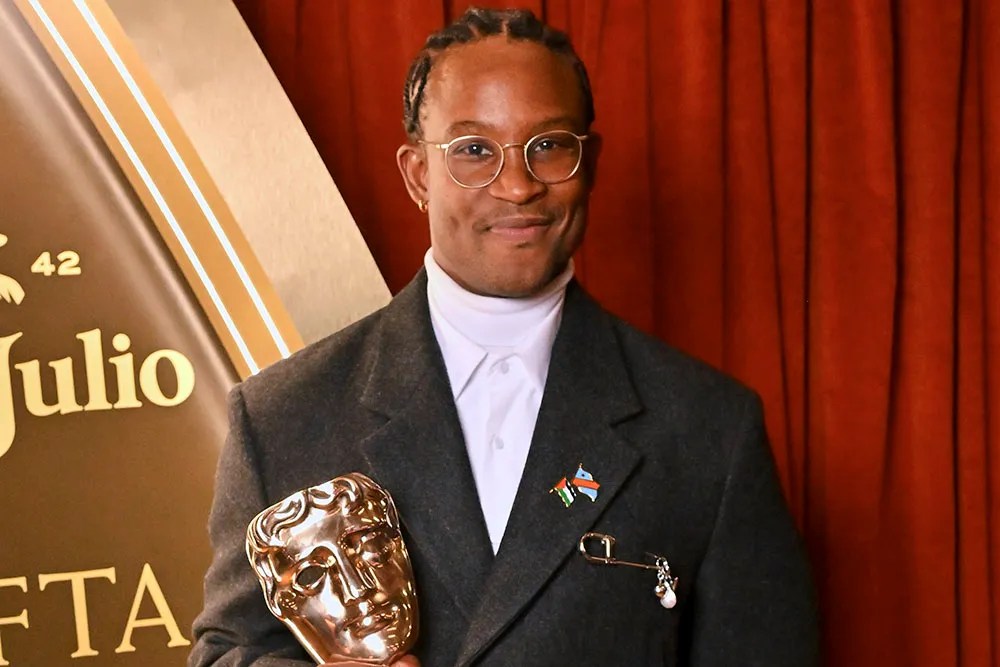
On 22 February 2026, the BBC broadcast the BAFTA Film Awards from the Royal Festival Hall. During the ceremony, Michael B. Jordan and Delroy Lindo were presenting when an audience member, John Davidson, audibly shouted an anti Black racial slur as part of an involuntary Tourette syndrome tic.
It matters to say this with care. Tourette syndrome is real. Involuntary tics are real. Yet harm is still harm when millions hear a slur in their living rooms. The editorial question is not whether the tic was intentional. It is why a broadcaster with time to edit still broadcast the slur at all.
Did you know there was a two hour window to protect viewers
Did you know the ceremony began at around 5pm, but the television broadcast began at 7pm. That means the programme was not live television in the simplest sense. It was a delayed broadcast with an edit window.
That same broadcast was also edited down from roughly three hours to a two hour slot. So decisions were being made about what stays in, what comes out, and what gets treated as urgent.
Here is where selective urgency becomes visible. Reporting confirmed that part of an acceptance speech by Akinola Davies Jr that included the words Free Palestine was removed from the broadcast.
We cannot honestly present motive as fact, because the broadcaster has publicly pointed to practical editing constraints in coverage. But we can still name the political meaning audiences read into the outcome. Palestinian solidarity was treated as removable content, while anti Black harm was treated as survivable background noise. That is interpretation, but it is interpretation rooted in the pattern of what institutions repeatedly choose to protect.
This is not the first time the N word has appeared on British screens
This is not an isolated editorial accident. In 2020, the Ofcom assessed a BBC regional news report that included the N word spoken in full in pre recorded packages. Ofcom stated that the use of highly racially offensive language in full was unjustified in that context, even though it did not pursue further investigation because the BBC had already taken action.
That same incident triggered mass complaints and eventually a public apology by BBC leadership after initial defence.
So when Black viewers say we are tired, we are not being dramatic. We are tracking a history of being asked to absorb trauma for someone else’s editorial framing of context, education, realism, or authenticity.
The law can name some harms clearly and still leave others vague
Under the Equality Act 2010, harassment related to race is unlawful when it has the purpose or effect of violating dignity or creating a hostile, degrading, humiliating, or offensive environment.
So why does broadcast culture still treat anti Black abuse as a debate instead of a clear breach of dignity. That is partly an institutional habit, but it is also about what gets named and operationalised.
The UK Government formally adopted the International Holocaust Remembrance Alliance working definition of antisemitism in 2016, and government guidance and parliamentary material repeatedly stress the definition is non legally binding, a tool rather than a statute. The IHRA text itself also states that criticism of Israel similar to that levelled against any other country cannot be regarded as antisemitic.
Did you know there is no equivalent UK wide, government adopted working definition named anti Black racism, even though race discrimination is covered in law. You can find definitions in local and organisational frameworks, but the absence of a shared national working definition is not neutral. It shapes what feels enforceable, legible, and urgent.
This is bigger than one broadcast
The point is not that only one broadcaster is failing. It is that anti Blackness is structurally normalised across British life.
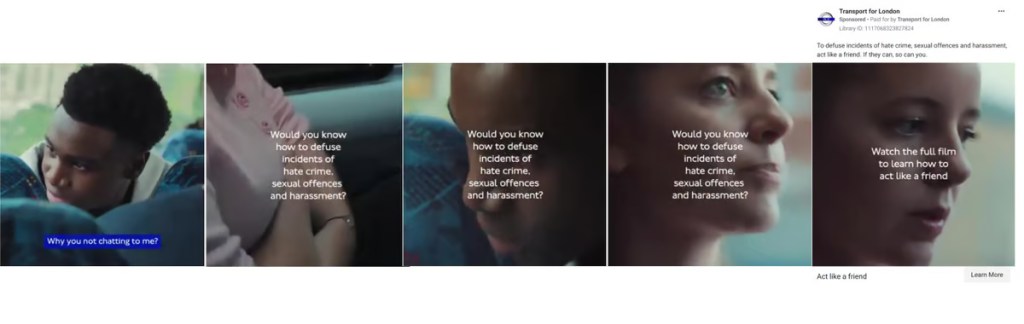
In February 2026, Transport for London had a social media advert banned by the Advertising Standards Authority because it reinforced a harmful racial stereotype linking Black boys with threatening behaviour.
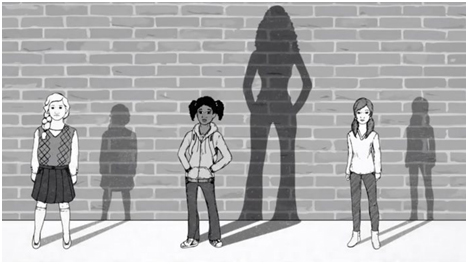
In schools and policing, adultification bias has been repeatedly documented, where Black children are perceived as older, less innocent, and more culpable, with serious consequences.
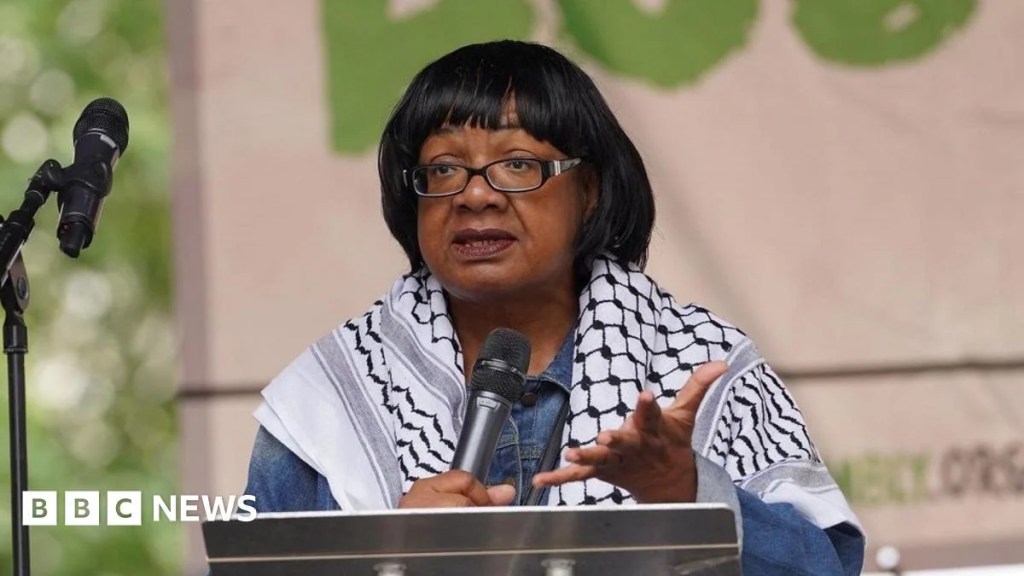
In politics, Diane Abbott has faced disproportionate racist and misogynistic abuse, including findings that she received an extreme share of abusive messages compared with other women MPs.
Black radical thought teaches us to read moments like this not as a one off glitch, but as encoded institutional practice. Stuart Hall reminded us that media is not just reflecting reality, it is producing meaning through decisions made at every stage of production. That is why an apology without change can feel like manipulation. The mechanism stays intact.
What Black communities are demanding is simple. Never broadcast the slur. Never treat our dignity as optional. Publish what failed in the compliance chain, and what will be changed before the next delayed broadcast.
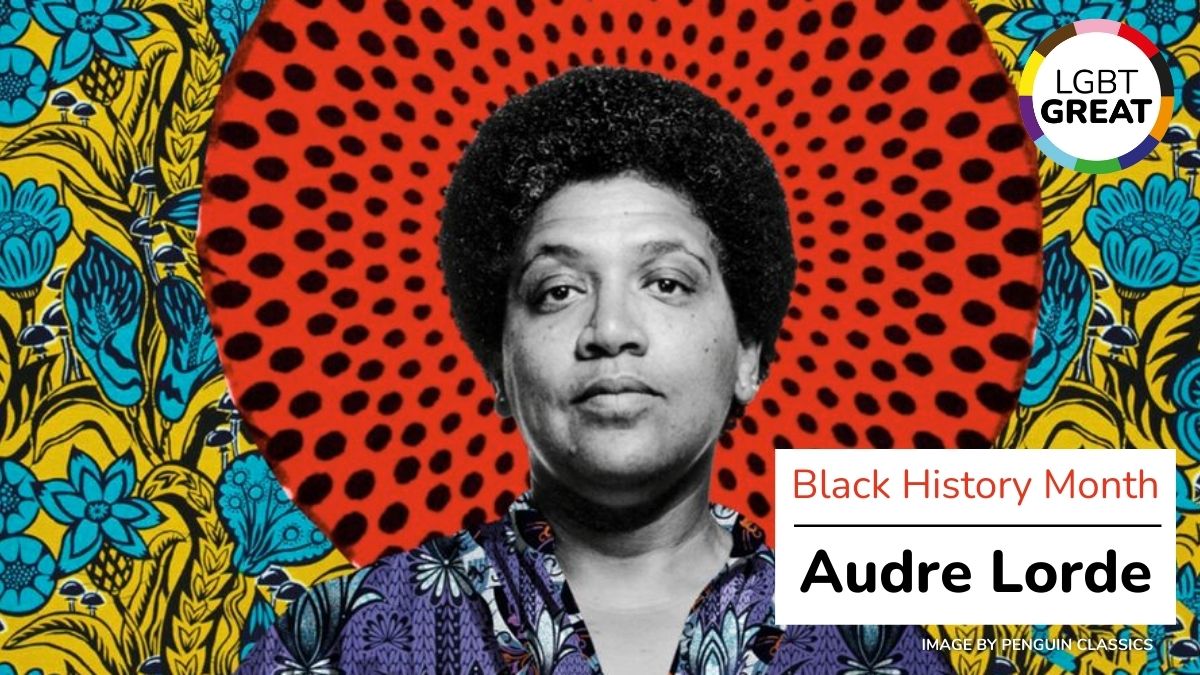
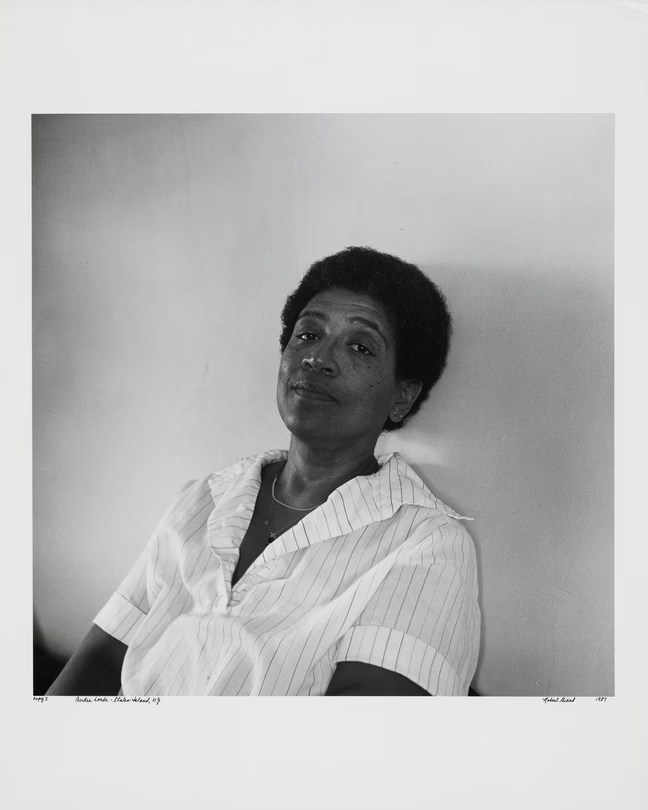
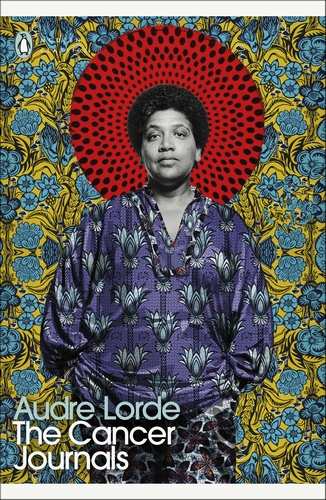
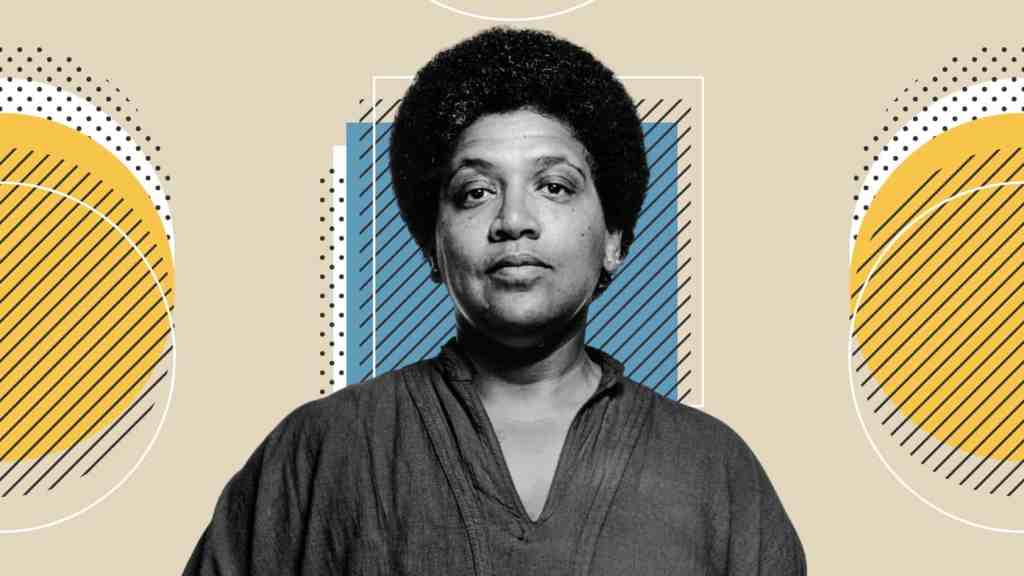
Audre Lorde in 1980. Audre Lorde was a Black, queer feminist poet and activist who transformed the way we understand identity, care, and resistance. Through her writings and speeches, Lorde urged marginalized people to prioritize self-care as an act of survival, asserting that nurturing one’s own well-being is not selfish – it’s a necessary weapon against oppression. As we mark Lorde’s birthday (February 18) during U.S. Black History Month, we celebrate how this “warrior poet” used radical self-care to empower herself and her community in the fight for justice.
A Warrior Poet in the Fight for Justice
Audre Lorde often introduced herself as a “Black, lesbian, mother, warrior, poet,” signaling the many facets of her identity and struggle. Born in 1934 in Harlem to Caribbean immigrant parents, she came of age amidst racism and segregation. Lorde found her voice through poetry at a young age and later became a librarian and educator. By the 1960s she was deeply involved in activism – from the Civil Rights movement to the women’s liberation and gay rights movements. Her experiences as a Black queer woman in America fueled her demand for intersectionality in social justice: she insisted that the different parts of our identities (race, gender, sexuality, class) cannot be separated in the struggle for equality. Lorde’s activism was broad and global.
She spoke at the 1979 National March on Washington for Lesbian and Gay Rights and co-founded Kitchen Table: Women of Color Press in 1981 to publish works by Black feminists. She even helped build connections with activists in apartheid South Africa. Through all her work, Lorde was a fearless truth-teller, unafraid to call out racism in feminist spaces or homophobia in Black spaces. Her life’s mission was to empower those rendered voiceless by society – and to show that embracing one’s full, authentic self is a potent act of resistance.
Self-Care as Self-Preservation
One of Audre Lorde’s most enduring lessons is her redefinition of self-care. In 1988, while battling terminal cancer, Lorde wrote the now-famous words: “Caring for myself is not self-indulgence, it is self-preservation, and that is an act of political warfare.” At a time when Black women like herself were expected to be selfless caregivers or strong workhorses, Lorde turned that idea on its head. She declared that preserving her own health, sanity, and spirit was a political act – a way to refuse the destructive pressures of a racist, sexist society. For Lorde, self-care was not about pampering or consumer comforts. It was “the sustenance that sustained her ability to enact change”. As a Black queer woman, she knew that the society around her did not prioritize her well-being at all – so she had to prioritize it herself. Lorde likened her fight against oppression to her fight against cancer.
In both battles, survival required strength and vigilance. She warned against “overextending” oneself in activism, noting that burnout and exhaustion only serve the systems that want to silence oppressed voices. By caring for her body and mind, Lorde equipped herself to keep speaking out, writing, and fighting. She urged her peers to do the same, especially Black women who faced the double trauma of racism and sexism every day. This holistic view, that mental and physical health are part of the freedom struggle, was groundbreaking. It challenged the idea that activism must equal self-sacrifice, and instead proposed that self-preservation is a form of political resistance.
Legacy of a Radical Vision
Audre Lorde’s radical self-care philosophy resonates powerfully to this day. In recent years, we have seen a resurgence of her ideas in movements like Black Lives Matter and Black feminist organizing. Activists cite Lorde when reminding each other to rest and heal, knowing that rest is resistance and that we can’t pour from an empty cup. Especially for Black people, women of color, LGBTQ+ folks and others on the margins, Lorde’s words offer permission to care for ourselves in a world that often neglects or attacks us.
Her influence is evident in the modern discourse around “radical self-care” and “community care.” For example, wellness initiatives in activist communities and the rise of groups like The Nap Ministry (which advocates rest as reparations for Black people) draw directly from Lorde’s insight that caring for oneself is not a luxury.
Moreover, Lorde’s life exemplifies that self-care and community care go hand in hand. She fostered communities of support – whether through creating a publishing press for women of color or organizing healing circles for Black women with cancer (as she did in The Cancer Journals). By openly discussing her struggles – from racism to her health – she showed that sharing pain and caring for each other can dismantle the system that wants Black and brown people to “keep it all inside”. Today, scholars and activists credit Audre Lorde for this crucial reframing of self-care. What started as a deeply personal revelation – a Black lesbian poet listening to her body and spirit – became a rallying cry for collective survival. Lorde’s legacy teaches us that tending to ourselves is not selfish, it is self-preservation, and in her words, “better we learn to mother ourselves” than to capitulate to a world that would see us used up.
As we honor Audre Lorde on her birthday and during Black History Month, we are reminded that her voice is a guiding light. Lorde showed that the act of self-care is a radical declaration of worth – a way of saying that we deserve to thrive even in a system that aims to break us. Her life’s work, spanning poetry, essays, and activism, continues to inspire new generations to speak up, to embrace their identities fully, and to care fiercely for themselves and each other. In Lorde’s spirit, caring for ourselves is not about escaping the world’s problems; it is about equipping ourselves with the strength to change the world. This Black History Month, let Audre Lorde’s example ignite in us the courage to rest when weary, to love ourselves unapologetically, and to fight on for liberation – because our self-preservation is an act of political warfare
Many people think of Black British history in terms of London events like the Windrush arrival or Notting Hill. But important stories happened all over Britain. Black communities in cities like Bristol, Leeds and Newcastle have reshaped the country culturally, politically and socially. Let’s explore some inspiring tales: a bus boycott in Bristol, Martin Luther King Jr’s visit to Newcastle, ancient Roman soldiers in Cumbria, and Britain’s first Caribbean carnival in Leeds.
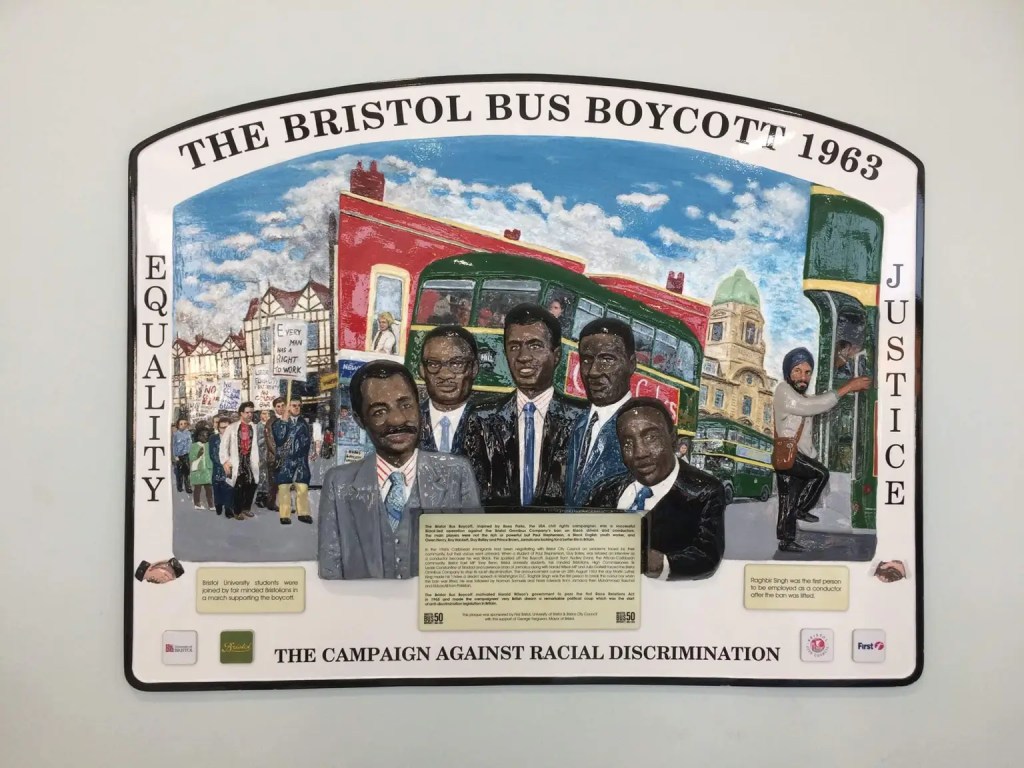
Bristol’s Bus Boycott of 1963
In 1963 Bristol’s bus company refused to hire Black or Asian people as drivers. Youth worker Paul Stephenson and others led a protest against this “colour bar”. For four months local activists and the West Indian community boycotted the buses until the company finally agreed to hire drivers of all races. Their victory made headlines. It inspired Britain’s first Race Relations Act (1965), which made racial discrimination in public life illegal. The Bristol Bus Boycott is remembered as one of Britain’s earliest and most powerful Black-led campaigns for equality.
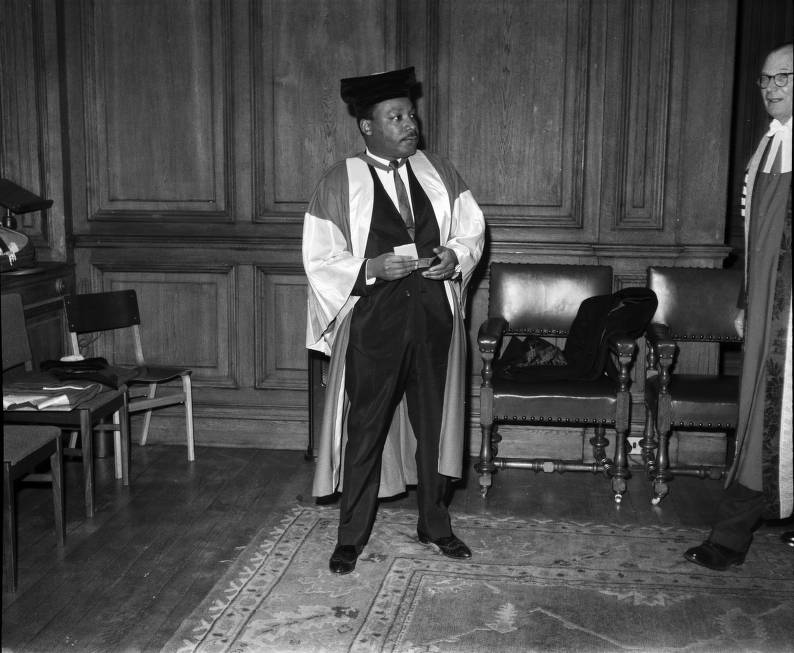
Martin Luther King Jr in Newcastle, 1967
In the north of England, Newcastle has its own civil rights moment. On 13 November 1967, Dr Martin Luther King Jr crossed the Atlantic for a one-day visit to receive an honorary doctorate from Newcastle University. (It was the only UK university to honour him in his lifetime.) During the ceremony, King gave an unexpected speech warning against racist ghettos and poverty in Britain. He told the audience that “Racism is … the coloured man’s burden and the white man’s shame”. Decades later, King’s brief visit links Britain’s struggle for equality with the American Civil Rights Movement, showing how ideas crossed the ocean.
African Soldiers in Roman Cumbria
Black British history goes back far beyond the twentieth century. In north west England, at a Roman fort called Aballava (near modern Burgh by Sands, Cumbria), archaeologists found evidence of North African soldiers in Britain. A Roman altar dating to around AD 253 records that Caelius Vibianus, commander of the Numerus Maurorum Aurelianorum (a unit of Berber soldiers from Mauretania, now Morocco and Algeria), was stationed there. In fact, Cumbria is home to Britain’s first recorded African community, some 1,800 years ago. These findings show that people from North Africa lived and had families in Britain in the third century. It is a striking “did you know?” story: Black people were part of Britain’s story long before most of us think.
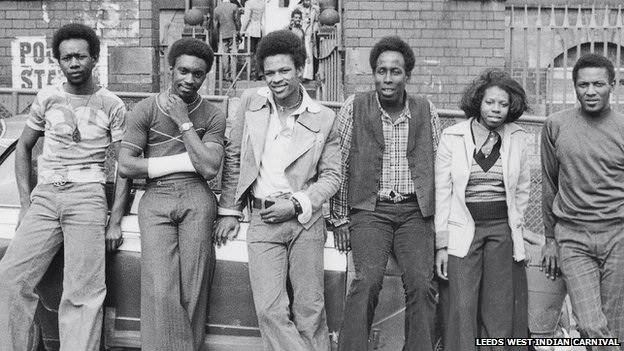
Leeds’s First Caribbean Carnival, 1967
In 1967 Leeds became the site of Britain’s first Caribbean-style carnival parade. Community leader Arthur France, a student from St Kitts-Nevis, organised the very first West Indian carnival in Chapeltown, Leeds. Hundreds of people in colourful costumes and steel bands marched from Potternewton Park to Leeds Town Hall as part of the new “West Indian Carnival” procession. About 1,000 locals watched that inaugural event. This Leeds carnival set the trend for later festivals – including London’s famous Notting Hill Carnival. Today the Leeds West Indian Carnival is a huge annual celebration of Caribbean culture and community. In other words, a party in Leeds in 1967 helped reshape British culture.
Across Britain
These stories show that Black history in Britain is not confined to London. From Roman soldiers in Cumbria to activists in Bristol and Newcastle, to cultural pioneers in Leeds, Black people have made their mark across the country. Each event helped change Britain – overturning racism, inspiring hope, and celebrating identity. As one writer notes, these Black communities outside London “have reshaped the country, culturally, politically and socially”. By learning these local stories, we get a fuller view of Black British history – one that truly reaches from coast to coast.
Observations from sitting in Courtroom 73 of the Royal Courts of Justice.
By Ogechi Obioha.
At the Royal Courts of Justice, before Lord Justice Holgate and Mrs Justice Farbey, a fundamental question about the relationship between technology, privacy, and police power is being tested.
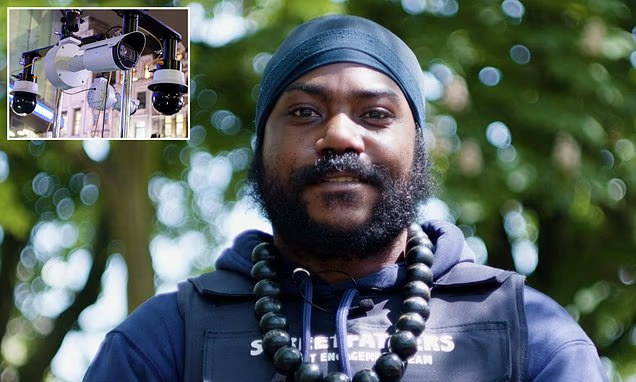
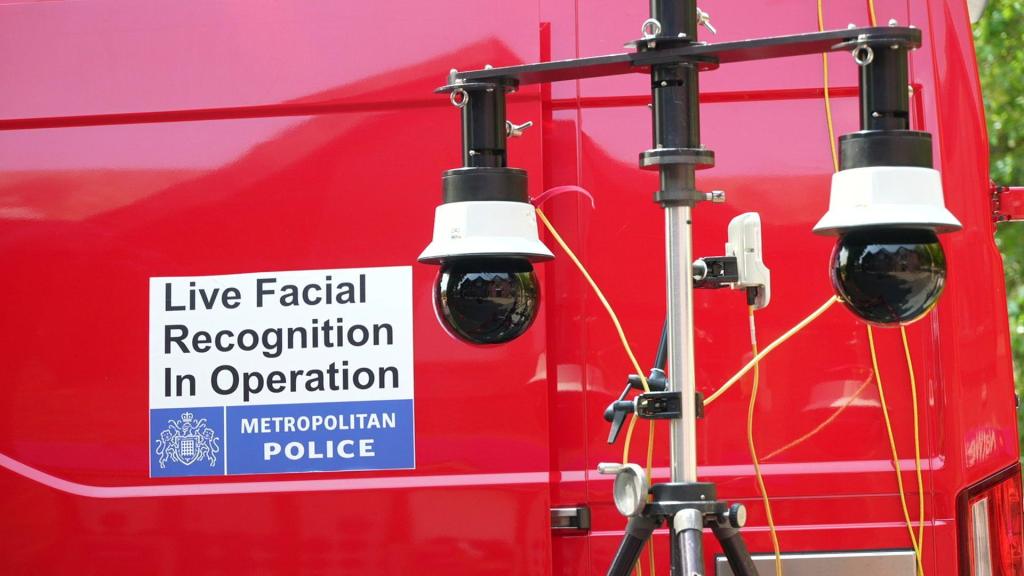
This has been brought about by applicants Shaun Thompson, an anti-knife crime campaigner, and Silkie Carlo, the director of the civil liberties campaign group Big Brother Watch. Mr. Thompson was stopped outside London Bridge where officers asked for his fingerprints. After being wrongly identified by police facial recognition as a suspect, he brings the first case of its kind to review the Metropolitan Police’s use of the AI technology.
The case of Thompson (and another) v Commissioner of Police of the Metropolis asks: how much discretion should police have in deploying Live Facial Recognition (LFR) technology across London’s streets?
Why is this important?
Live Facial Recognition (LFR) is not just another surveillance tool. As the Metropolitan Police themselves describe it during their submissions, LFR is “game-changing” and has “revolutionised crime detection”.
The technology works by converting facial features into numerical codes, then checking those codes against police watchlists in real-time. When someone passes an LFR camera, their biometric data is captured, processed, and compared against databases of wanted individuals.
With that power comes a profound civil liberties concern: should police be able to turn any public space into a biometric checkpoint?
The Core Legal Question.
At the heart of this judicial review is the concept of arbitrariness. In law, a power is considered arbitrary when decision-makers can act without sufficient constraints, rules, or principles guiding their choices. The claimants argue that the Met’s current LFR policy leaves too much to individual officer discretion, particularly regarding where these cameras are deployed.
This isn’t the first time British courts have grappled with LFR. The Court of Appeal’s decision in Ed Bridges v South Wales Police established that while LFR use is not inherently unlawful, there must be sufficient protections against arbitrary deployment. That case focused on South Wales Police’s use of the technology. Now, London’s approach is under scrutiny.
The Claimants’ Case: Too Much, Too Broad.
Dan Squires KC, representing the claimants, painted a picture of unchecked discretion. His central arguments include:
The Geography Problem: According to the claimants’ analysis, approximately 47% of London qualifies as a “crime hotspot” under the Met’s policy. When “access routes” (main roads leading to these areas) are added, the coverage becomes extensive. Squires argues that this gives officers discretion to deploy LFR across a large amount of the capital.
The Public Space Transformation: Perhaps most powerfully, the claimants argue that LFR fundamentally changes the nature of public spaces. Unlike border controls at airports, where people expect to be checked, LFR can turn Paddington Station or any busy street into a place where your biometric data is captured, processed, and checked multiple times a day.
The Parliamentary Question: Squires suggests this is a decision of such magnitude that Parliament, not police operational officers, should determine where and when such intrusive technology is deployed. As society grapples with what level of surveillance it finds acceptable, should that choice rest with elected representatives rather than police policy?
The Reality of “False Alerts”: While the Met Police offers a false alert rate of just 1 in 33,000, Shaun Thompson’s own experience illustrates the human cost of even “accurate” systems. When wrongly flagged, he had his passport and fingerprints taken, an extraordinary intrusion for someone who had committed no crime.
The Defence: Necessary Powers, Sufficient Safeguards.
Anya Proops KC, representing the Metropolitan Police, offered a vigorous defence of LFR deployment. Her arguments included:
Public Safety Imperative: The Met argues that criminals who pose a threat to public safety walk amongst us and are near impossible to find using normal police tactics. LFR provides a crucial capability to identify wanted individuals who would otherwise evade detection. Without this tool, dangerous offenders remain at large.
Policy Constraints Are Sufficient: The defence points to specific safeguards embedded in the Met’s policy that prevent arbitrary deployment. These include a clear definition of “crime hotspots” using quantitative crime data, mandatory proportionality assessments, clear procedures that officers must follow for each deployment, specific watchlist criteria, and compliance with the Surveillance Camera Code of Practice. Proops argues these constraints provide a “clear roadmap” that prevents arbitrary decision-making. Officers are not making capricious choices, but following detailed guidance that embodies legal principles of necessity and proportionality.
Broad Discretion Is Not Necessarily Unlawful: Drawing on case law including In the matter of an application by Lorraine Gallagher for Judicial Review, the Met argues that having broad discretion, even covering large areas, is not inherently problematic. What matters is whether the law governing that discretion is sufficiently clear and precise. The Met contends their policy meets this standard.
The Glukhin Distinction: The defence references Glukhin v Russia, where the European Court of Human Rights found against “unconditioned use” of facial recognition. The Met argues their approach is fundamentally different: it’s targeted, regulated, and proportionate, rather than blanket surveillance.
Looking Ahead
This is a judicial review case. That is a fundamental check on how public bodies exercise their powers over citizens. The court is not deciding whether LFR should exist, but whether the Met’s current framework for deploying it is lawful. That distinction matters enormously for what happens next.
If the claimant succeeds in his application, the implications could be far-reaching. The Met may need to redesign its LFR policy with tighter constraints on where and when the technology can be deployed. Questions that currently seem settled might be reopened: Must police seek explicit consent through prominent signage in areas operating LFR? Should people have a meaningful opportunity to leave an area before their biometric data is captured? Could deployment be restricted to specific intelligence-led operations rather than broad “crime hotspot” sweeps?
If the Met Police succeed in their defence, the consequences flow in the opposite direction. The Met has indicated plans to expand LFR use across London. A judicial blessing of the current policy framework could accelerate that expansion. More cameras, more locations, more Londoners having their biometric data captured and checked, potentially multiple times daily. The number of innocent people experiencing what the claimants term “intrusion of their privacy” could grow substantially.
Whatever the court decides will set the parameters for biometric surveillance across the UK. This judgment will determine not just the legality of current practice, but the boundaries of what is permissible.
This analysis is based on courtroom observations and should not be considered legal advice. The case remains ongoing and judgment is awaited.
Every February, the United States observes Black History Month. It grew from historian Carter G. Woodson’s 1915 call to preserve Black heritage. In 2026 the theme “A Century of Black History Commemorations” marks a century since the first Negro History Week.
Inspired by that theme, BLAM UK highlights African‑American radicals whose activism in Britain forged connections that continue to influence Black life on both sides of the Atlantic.
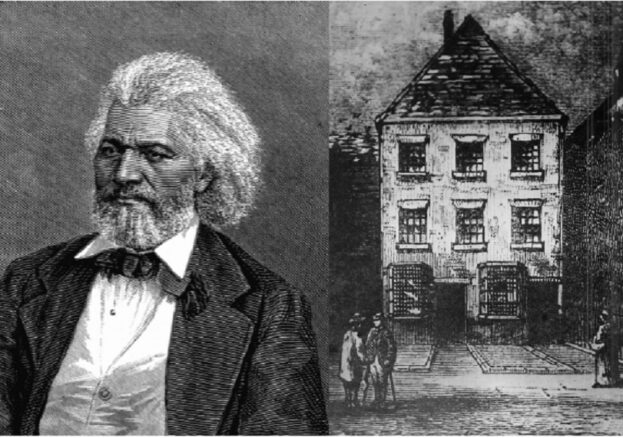
Frederick Douglass: freedom forged in Britain
A former slave turned leading abolitionist, Douglass crossed to the British Isles in 1845. Over nearly two years he toured England, Scotland and Ireland delivering powerful lectures against American slavery. His speeches drew large audiences and raised funds for the abolitionist cause. Douglass said he could dine with parliamentarians and feel “a human being”. The welcome sharpened his critique of American racism.
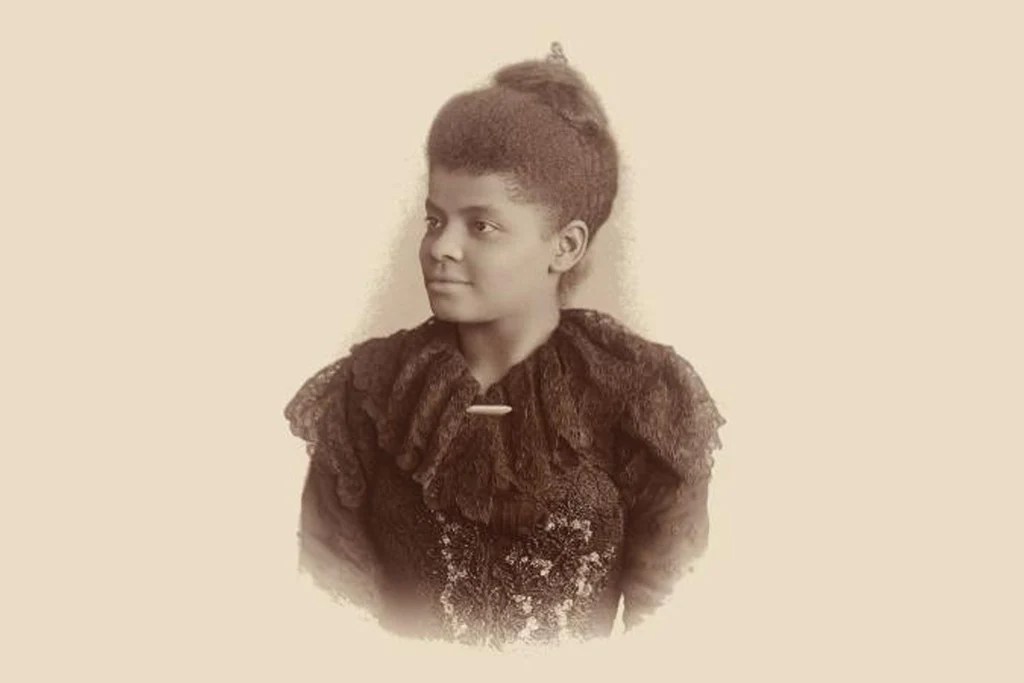
Ida B. Wells: internationalising anti‑lynching
Journalist Ida B. Wells travelled to Britain in 1893 and 1894 to denounce lynching. University of Chicago archives record that she spoke to large crowds about the “crime and terrorism of lynching” and helped establish the London Anti‑Lynching Committee. Wells argued that lynching enforced racial subjugation. Newspapers reported packed halls in Aberdeen and Edinburgh where she described the continuing oppression of Black Southerners. Her tours internationalised the anti‑lynching struggle and rallied British allies to pressure U.S. authorities.
James Baldwin: transatlantic dialogues
James Baldwin used Britain to debate racism and freedom. At the University of Cambridge in February 1965 he debated conservative commentator William F. Buckley, declaring that the “American Dream is at the expense of the American Negro”. The audience sided with Baldwin. 4 years later the filmBaldwin’s Nigger (1969) captured him and Dick Gregory in conversation with young Black Brits about imperialism and race. These encounters linked Black American radicalism with Britain’s Black diaspora.
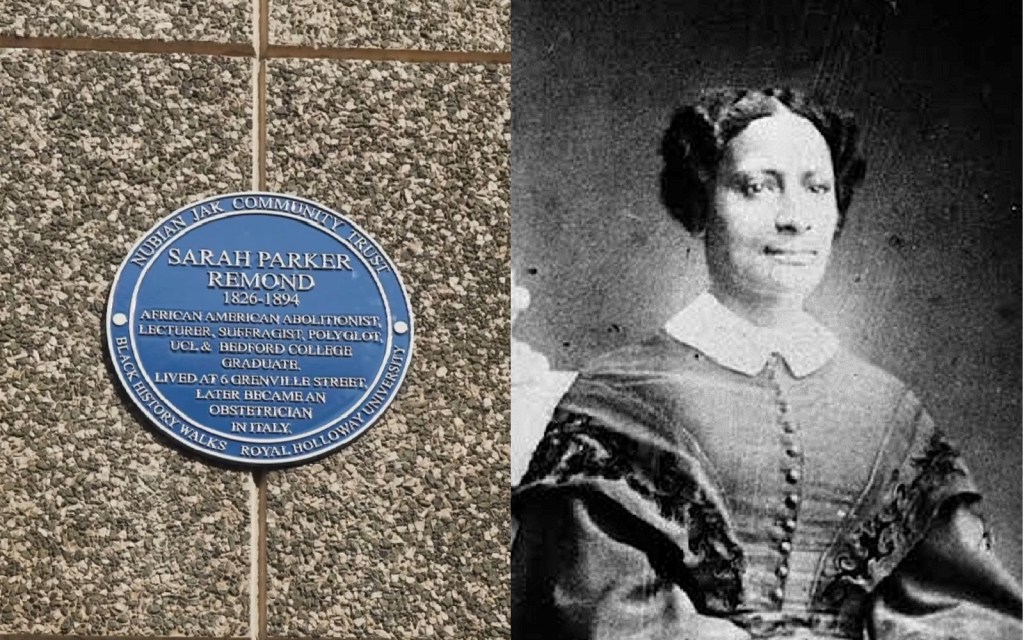
Sarah Parker Remond: pioneering lecturer
Sarah Parker Remond, a free Black American, sailed to Liverpool in 1859 seeking refuge and a platform for abolition. Her Manchester lectures condemned the denial of political and social rights to free people of colour and described enslaved people as treated like “things with no rights – political, social, domestic or religious”. She continued speaking in London to enthusiastic applause and joined the London Emancipation Committee. Remond studied at Bedford College and became the first Black woman to lecture to mass audiences in Britain.
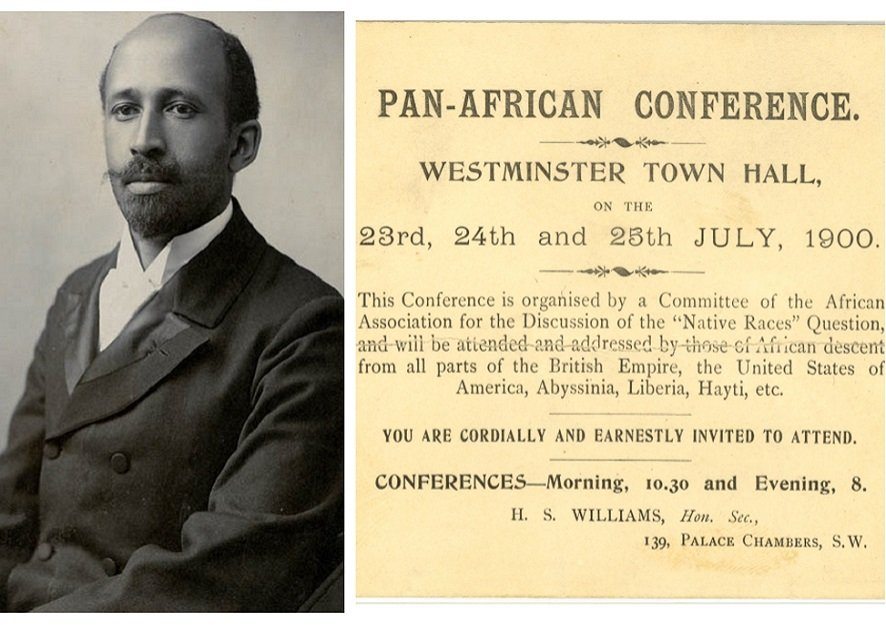
W.E.B. Du Bois: Pan‑Africanism in London
London hosted the first Pan‑African Conference in July 1900. Organised by Trinidadian lawyer Henry Sylvester Williams, the meeting brought delegates from Africa, the Caribbean, North America and Britain. W.E.B. Du Bois chaired the committee that drafted the “Address to the Nations of the World,” urging European powers to end racism and permit self‑government for colonised peoples. Du Bois warned that “the problem of the 20th century is the problem of the colour‑line”, linking Pan‑Africanism to London.
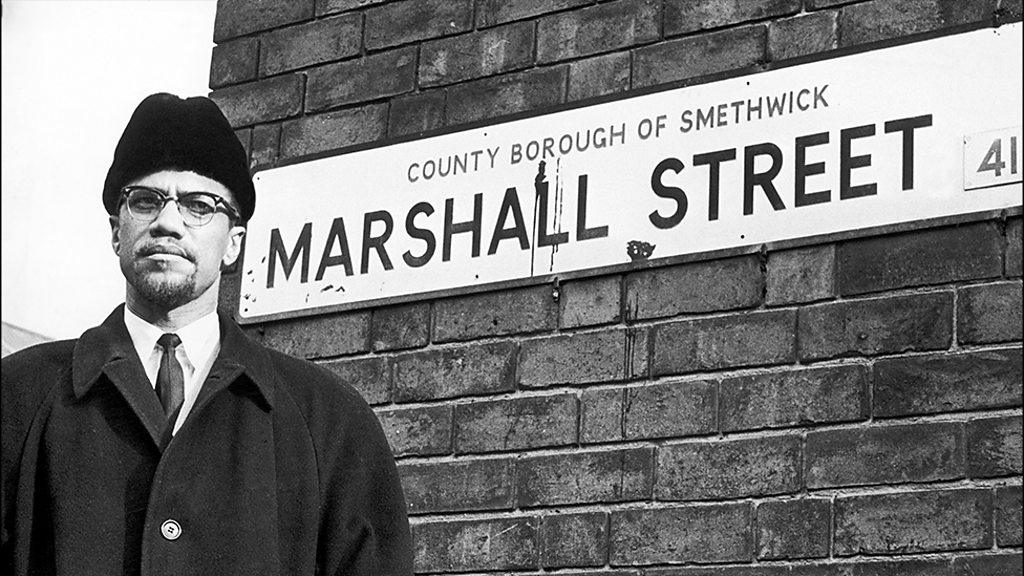
Malcolm X: confronting British racism
In 1964–65 Malcolm X brought his uncompromising message to Britain. On 3 December 1964 he addressed the Oxford Union, arguing that “extremism in the defence of liberty is no vice” and insisting that Black people were justified in defending their freedom. He also spoke to students at the London School of Economics and visited Smethwick, a town notorious for racist housing policies, to highlight discrimination. His tour exposed British racism and linked Black liberation struggles across continents.
Interconnected struggles and remembrance
From Douglass’s liberation campaign to Malcolm X’s solidarity visit, these stories show that Black history is not solely American or British but a shared struggle forged through travel, speeches and alliances. As we celebrate A Century of Black History Commemorations, BLAM UK invites readers to honour the transatlantic partnerships that nurtured Black freedom. Remembering these connections is a radical act: it affirms that our histories are entwined and that the fight against racism transcends borders.
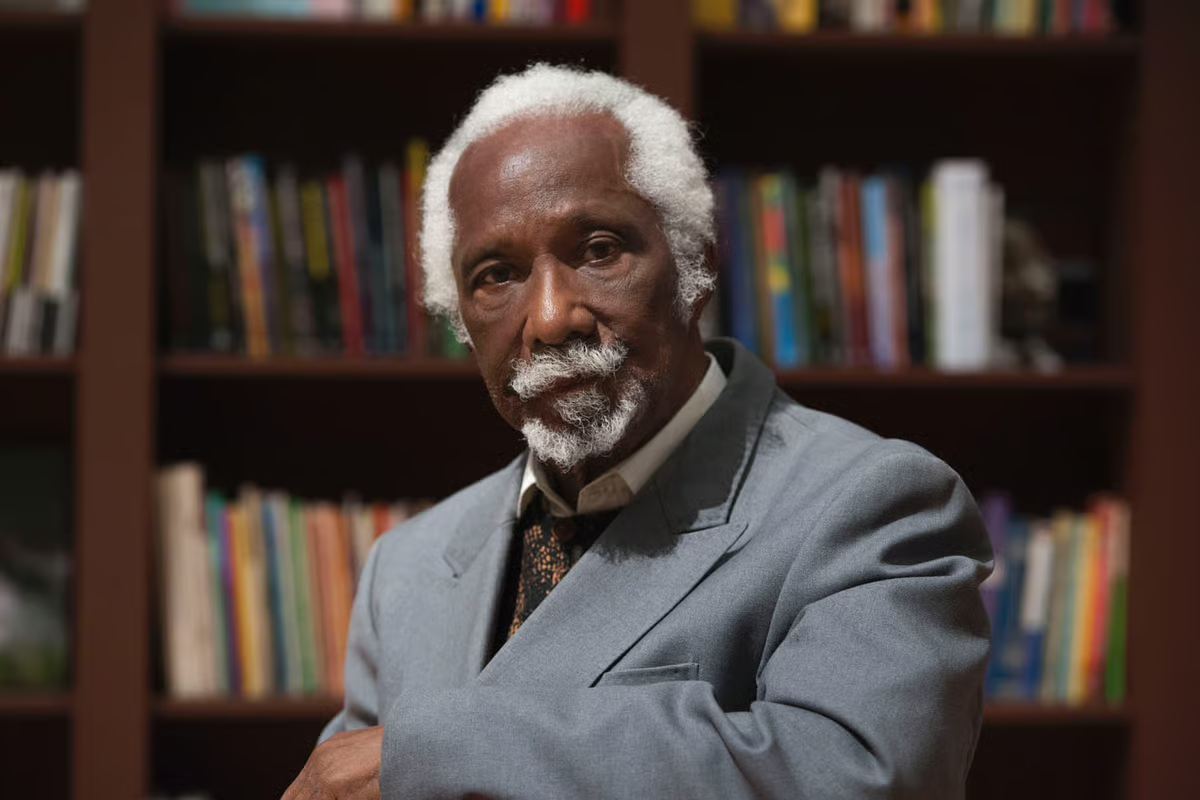
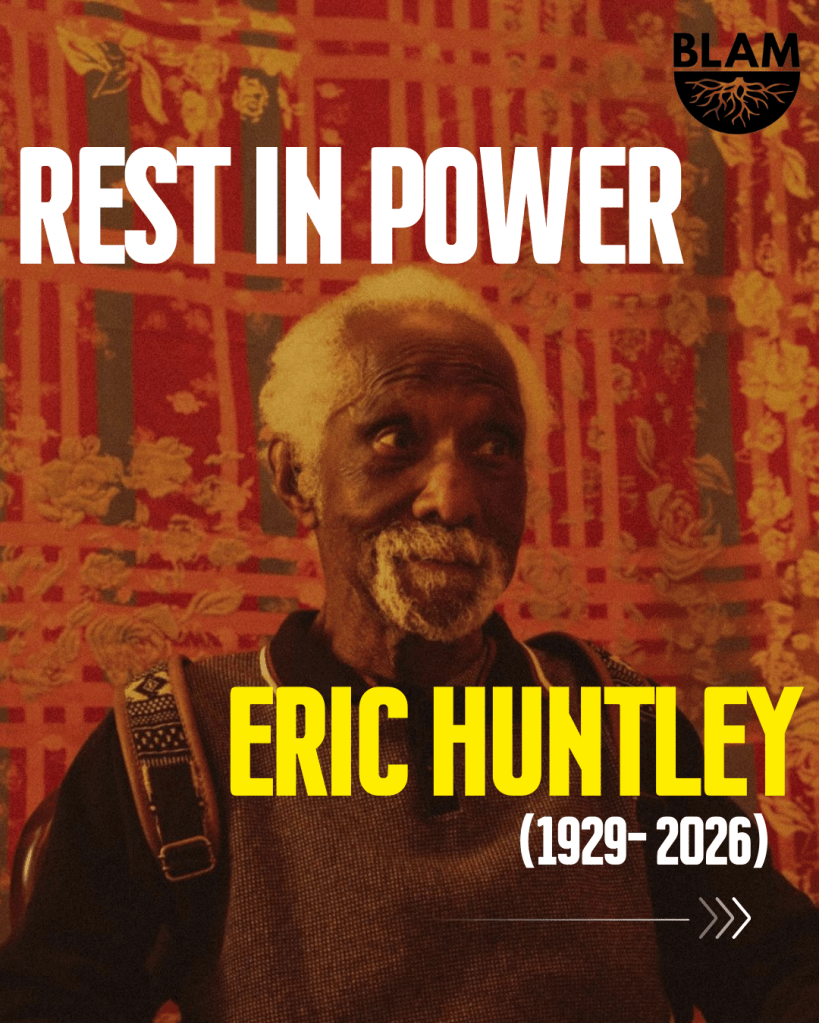
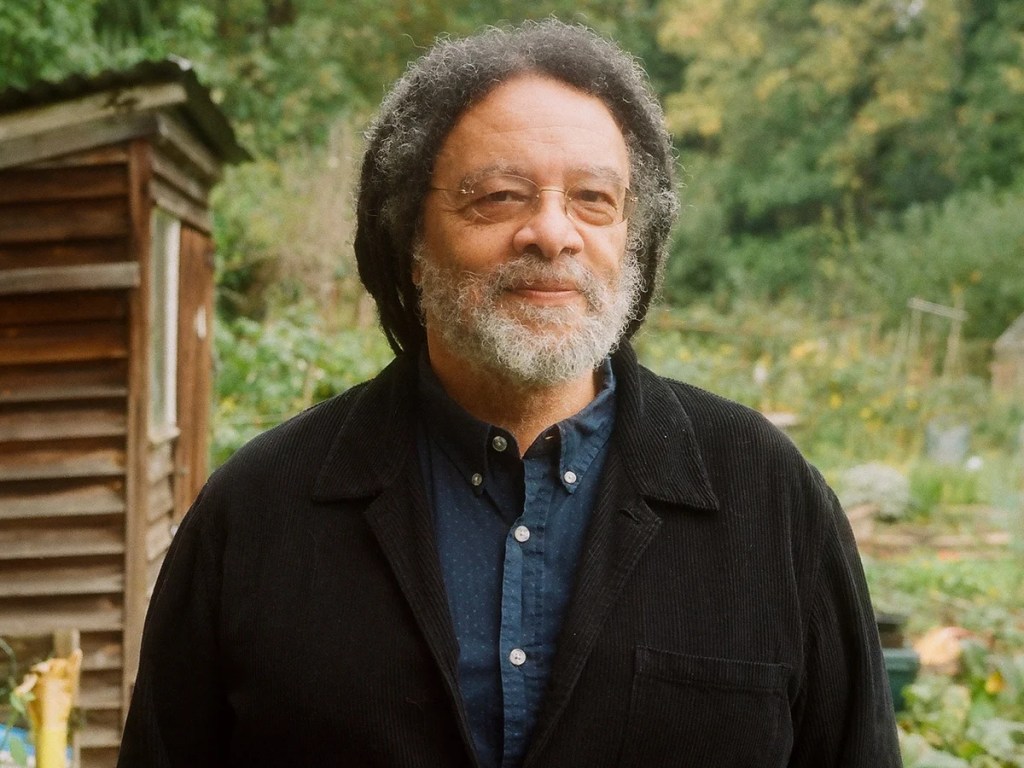
Eric Huntley passed away on 21 January 2026 at the age of 96. We at BLAM UK honour his memory and the remarkable contributions he made as an educator, publisher and activist.
Born in 1929 in British Guiana (now Guyana), Eric became politically active from a young age. He helped found the People’s Progressive Party (PPP) in Guyana to fight for independence. His activism led to a year in prison in 1953 when the colonial government cracked down on democracy. In 1957 Eric moved to London with his wife Jessica, determined to continue the struggle for racial justice.
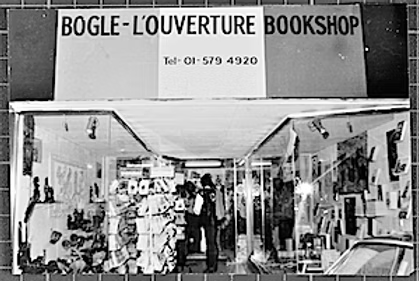
In London, Eric and Jessica quickly became voices of the Black community. In 1968 they co-founded Bogle L’Ouverture Publications, one of Britain’s first radical Black publishing houses. Named after Caribbean heroes Paul Bogle and Toussaint L’Ouverture, Bogle L’Ouverture gave a platform to writers who were often ignored by the mainstream. Its first book was Walter Rodney’s The Groundings with My Brothers, published in 1969. Over the years the press released works by Linton Kwesi Johnson, Valerie Bloom, Andrew Salkey and many others. Through this publishing effort, Eric helped bring Black history and culture to many readers.
Eric’s commitment went beyond books. He and Jessica opened the Walter Rodney Bookshop in West Ealing in 1974, creating a vibrant hub for community events. They were founding members of the Caribbean Education and Community Workers Association, working to improve schools for Black children. In 1975 they helped set up the Black Parents Movement in response to the wrongful arrest of a Black schoolboy. This campaign fought unfair treatment of Black students. In 1981, after the devastating New Cross fire in London, Eric helped organise the Black People’s Day of Action – a protest of 20,000 Black people demanding justice. These efforts showed how he linked education, community and justice.
The legacy of Eric and Jessica Huntley has been honoured in many ways. In 2018 a blue plaque was unveiled on their Ealing home to mark their contributions to Black British culture. Their archive of books and papers is held at the London Metropolitan Archives, preserving a treasure trove of Black British history. But perhaps the most important tribute is how we continue their work today.
At BLAM UK we carry on that work. Our mission is to embed Black narratives throughout UK education, not just one month of the year. We run school programmes like the Grounded Project, which brings Black history workshops into classrooms across London. We also offer advice and representation at school exclusion panels for Black British students, just as the Huntleys fought for fairness in schooling. In 2023 we published Global Black Narratives for the Classroom, a series of practical lesson-plan books for primary teachers that cover Black histories from Britain to Africa and the Caribbean. These books are full of practical lesson plans, interactive worksheets and activities, making it easier than ever for teachers to bring Black history into every lesson.
Eric Huntley’s life shows us what dedication to education and justice looks like. He built bridges between continents and generations. We at BLAM UK remain determined to dismantle anti-blackness in schools and celebrate Black heritage year-round. May he rest in power, and may his work continue to inspire. Rest in power, Eric Huntley.
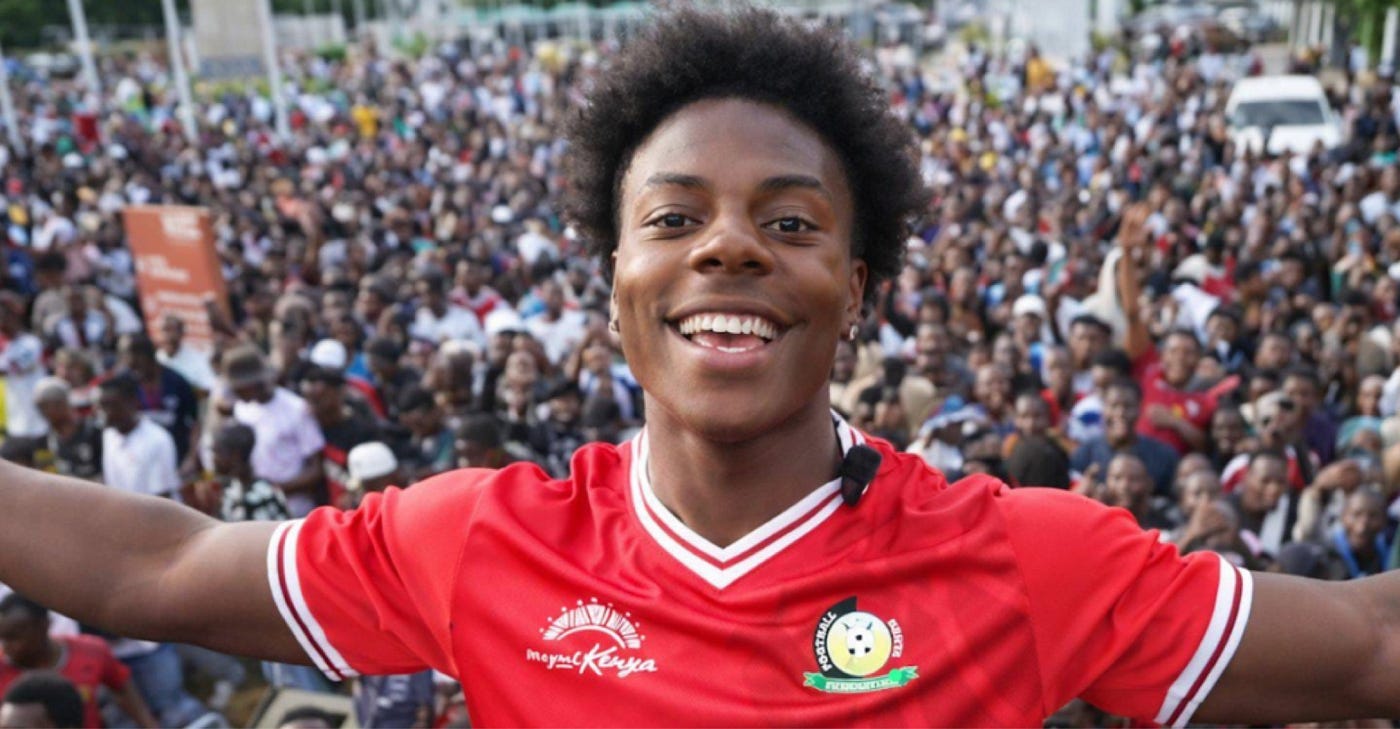
The American streamer IShowSpeed (Darren Watkins Jr.) is currently live-streaming his travels through Africa, turning social media into a live classroom for millions of young viewers. This new generation of learning, through unscripted livestreams, allows people to discover history and culture in an engaging way. Speed’s trip became a lesson in African history and pride. By questioning guides and locals on camera, he helped his viewers “open their minds” to a fuller story of Africa’s past and present.
Ethiopia’s Proud History
In Ethiopia, Speed learned why the country has a unique place in colonial history. Ethiopia defeated Italian invaders at the Battle of Adwa (1896) and preserved its independence. Europe then recognised Ethiopia as sovereign, making it famously one of only two African nations (with Liberia) to escape being carved up in the 19th-century “Scramble for Africa”. In Addis Ababa and surrounding cities, local hosts showed Speed monuments and told stories of legendary warriors and emperors. These encounters reframed Africa not as a monolithic “poor continent,” but as home to ancient civilizations. As Speed’s camera captured it, Ethiopia’s rich past became obvious to his young, global audience.
Ethiopia defeated Italy at Adwa in 1896, winning its independence.
Apart from a brief Italian occupation in the 1930s, Ethiopia remained uncolonised, one of only two African countries to do so.
Ethiopia is celebrated as the birthplace of coffee, with wild coffee plants traced back to its highland forests.
The country has a long history of learning – early Christian schooling in Axum around 330 AD shows that Africa had educational traditions from ancient times.
These facts helped fans see Africa in a new light. Instead of hearing only about poverty or conflict, Speed’s viewers saw pride, history, and culture; a form of decolonising education through an internet platform.
Botswana and the Diamond Trade
In Botswana, Speed’s curiosity led him into a diamond office, where he was shocked to learn he could not buy rough diamonds on the spot. Locals explained why: Botswana’s diamond industry is mostly run by Debswana, a 50:50 joint venture between the government and De Beers. Under recent contracts, the state-owned Okavango Diamond Company is only allowed 30–40% of the production. In other words, Botswana owns the land and mines, but much of the value is captured by foreign companies. Speed’s livestream showed this asymmetry in real time. As he held a rough diamond on camera, viewers discussed how the gems were routed abroad to cutting centres in India and Europe. The live clip traced a pipeline: “Botswana holds the land and labor. Branding, resale and markups happen elsewhere,” as one analysis noted. In effect, Speed taught his audience about neocolonial patterns: the way colonial-era trade structures still influence Africa’s economy. A young fan watching might not see this math class lesson in real life, but he saw it live on YouTube and he learned how historic deals still shape modern wealth.
Botswana’s diamonds are managed by Debswana (a 50/50 JV with De Beers), and only 30–40% of output goes to Botswana’s Okavango Diamond Company.
Most rough stones are sold under fixed contracts (to big international buyers), so locals cannot just buy diamonds off the shelf.
Speed’s visit highlighted how the value of Botswana’s diamonds often flows overseas: local miners extract the stones, but the cutting, branding, and profit happen in foreign markets.
By questioning the guides, Speed educated his fans about how control of resources still reflects old colonial ties. The lecture wasn’t in a classroom; it was in a diamond office in Gaborone, streamed live to the world.
Zambia: Belonging and Shared Heritage
On a lighter note, Speed’s Zambia stop drove home another lesson: diaspora unity and pride. In his tour, Speed stood on a pickup truck in Zambia at sunset and admitted, “I haven’t been anywhere here where I didn’t feel like I belonged,”. His genuine emotion (backed by millions of online viewers) underlined the warm reception he received across Africa. In many countries, crowds danced, cheered, and embraced him. Media reports noted Speed felt at home “everywhere” he went, with communities welcoming him with “open arms”; a direct challenge to the myth of inevitable distance between Black Africans and Black Americans. One viewer online even said it changed how she saw her roots: watching a young Black American return and “be treated like a human, with respect and love… changed something in me”. In short, Speed’s continental trip helped rebuild a sense of shared pride. Seeing diaspora ties celebrated in real life – rather than told as political rhetoric – showed his fans that Africa and its diaspora are connected by more than stereotypes.
Decolonising Education and Rebuilding Pride
Speed’s tour illustrates a new generation method of learning. Instead of learning about Africa only from textbooks or news reports or docummentaries, millions of young people saw real-time history, geography, and economics taught through travel and conversation. In doing so, they also participated in the decolonisation movement of the mind: they are replacing colonial-era lies with knowledge of Africa’s true legacy and potential. By celebrating Ethiopia’s victory, by questioning diamond trade inequalities, and by feeling unity in Zambia, Speed and his audience “opened their minds” to alternative narratives.
In every step of his Africa tour, Speed’s journey opened a window to pride. Pride in history, in resources, and in shared humanity. His adventures show how a streamer can become an educator: inspiring young people to think critically and feel proud of African heritage. Such exposure can spark curiosity, leading viewers to learn more about decolonisation and to honour Africa’s rich past. In this way, new-media learning contributes to rebuilding pride and rewriting history from an African perspective.
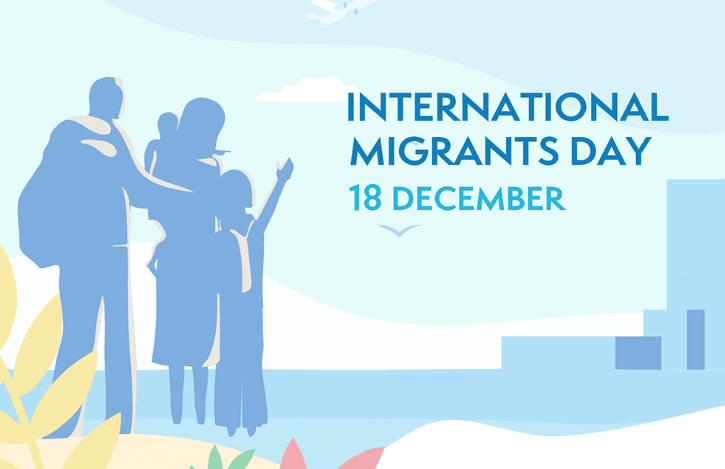
International Migrants Day prompts us to reflect on our own stories. For Black Brits, whether from the Afro-Caribbean or African diasporas, migration isn’t just a distant concept, it is family history. Our parents, grandparents, and communities often arrived as migrants, helping build this country.
On this day we recall those journeys and the truths they teach us. Thinkers like Stuart Hall and Paul Gilroy help explain how Black identity is forged in motion and exchange. We also confront today’s politics: from the Prime Minister’s warning of an “island of strangers” to Nigel Farage and Tommy Robinson’s “great replacement” myths. By centering Black British voices, from academics to artists, we reclaim the migrant narrative.
Remembering Our Migrant Roots
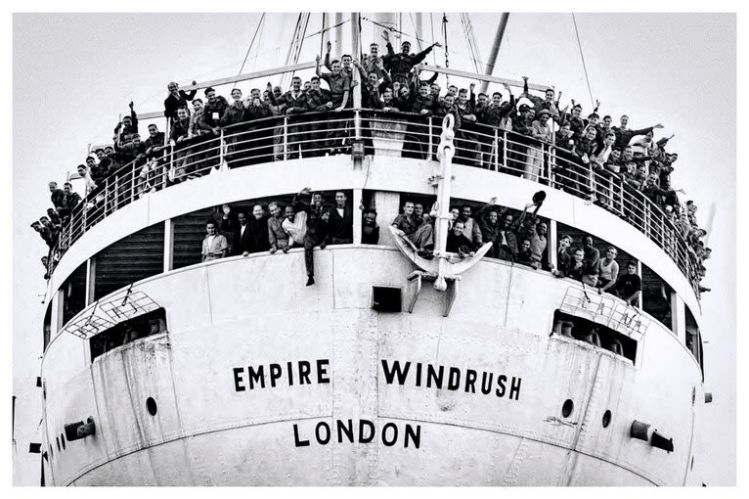
We must honor the very real contributions of Black migrants to Britain’s story. The post-war Windrush generation is emblematic: on 22 June 1948, 400+ Jamaicans arrived on the HMT Empire Windrush to answer Britain’s call to help rebuild the economy and new NHS.
Within days, many had jobs; by 1958 roughly 125,000 West Indians (and tens of thousands from India and Pakistan) had come to work here. Black migrants filled crucial roles in public life. For example, by 1971 about 31% of NHS doctors in England were born and educated abroad. Caribbean nurses and African doctors ran wards that few Britons wanted. These dedicated pioneers did the work that kept schools, hospitals and businesses running, even as they faced racism at home.
Post-war pioneers: More than 400 Caribbean migrants on the Empire Windrush arrived in 1948 to help rebuild Britain, especially the fledgling NHS. Many West Indian women became nurses, often working “immaculately starched” in British hospitals as their descendants proudly remember.
Vital workers: By the late 1960s, foreign-trained staff were everywhere. In 1971, nearly one-third of English NHS doctors were educated overseas. Migrant porters, cleaners and cooks kept schools and hospitals open. Without them, as advocates note, “the history of the NHS is also the history of migration”.
Building communities: Caribbean and African migrants founded businesses, churches, Carnival celebrations, sports clubs and more. They raised generations of British-born children who are simultaneously proud Londoners and proud of their heritage.
These facts show that migrants, our communities included, made Britain work. Remembering this history challenges any claim that we “don’t belong” here.
Black British scholars have long explored what it means to live between worlds.
Stuart Hall (Jamaican-born theorist) famously said he lived “in the shadow of the black diaspora – ‘in the belly of the beast’”.
He described cultural identity as a process, not a fixed label. Hall argued that beneath surface differences there is a shared Caribbean and African legacy, a sort of collective one true self, that each diaspora member must discover, excavate.
In his writings on Black popular culture, Hall even noted that people of the Black diaspora have “found the deep form, the deep structure of their cultural life in music” – capturing how art and culture keep our stories alive. In short, Hall’s life and work embodied how migration and colonial history shape identity.
Paul Gilroy (London-born scholar of the African Diaspora) builds on this. In The Black Atlantic, Gilroy argues Black identity in Britain, the US and the Caribbean is inherently transnational.
He shows that over 150 years Black intellectuals and artists have “traveled and worked in a transnational frame” – thinking and creating across oceans, rather than being rooted in one nation. Gilroy’s “Black Atlantic” model reminds us that African and Caribbean cultures cross borders. We carry those voyages in us: our music, stories and politics connect to global Black history, not just to Britain.
Kehinde Andrews (Birmingham-born academic and activist) adds a modern perspective. As Britain’s first professor of Black Studies, he urges the diaspora to unite globally.
Andrews insists that, “as Black and African people, our true power… is in organizing ourselves globally”. In other words, Black Britons benefit by seeing ourselves as part of a wider struggle with Africans and the world’s Black communities, not just as an isolated group.
He also speaks frankly about our relation to Britain. For many of us, as he notes, “racism is as British as a cup of tea, which is why so many of us reject both the nation and the monarchy”. This blunt truth reminds us that Black Britons often view Britain’s national myths differently, understanding that the country’s wealth came from colonialism and slavery.
These thinkers teach us: our identities are complex and creative, forged across journeys. They encourage pride in diaspora roots and solidarity with other Black people globally.
Confronting Fear: Debunking the “Island of Strangers”
Last year even the Labour leader warned that the UK might become an “island of strangers” – echoing Enoch Powell’s infamous 1968 trope. But Black voices push back strongly. As one British-letter-writer put it: “Immigration doesn’t lead to an ‘island of strangers’, rather to a diverse, modern nation. The UK shapes immigrants, and in turn this country is shaped by immigrants and their descendants.”. Indeed, diversity is our reality and strength. Rather than division, migration has remade Britain’s identity again and again, making it a more modern, global nation.
On the far right, figures like Nigel Farage and Tommy Robinson peddle conspiracies like the “Great Replacement” – the idea that white Britons are being “replaced” by immigrants. But this is baseless. As a Guardian analysis notes, anti-immigrant fringe groups merge xenophobia with other agenda (such as anti-abortion) into claims that migrants “replac[e] white Brits”.
Even Tommy Robinson has promoted the same “great replacement” narrative. We must reject these scare tactics. We know from history (and from our own lives) that migrants and native-born people live and work side by side. Britain’s needs, from care workers to teachers, have long been met by immigrants, not hurt by them. In reality, warnings about being “submerged” or “invaded” are a political ploy to divide us.
Instead, we remember the real picture: our families, like one Chinese-Vietnamese family in London wrote in response to the “strangers” remark, not only became successful by running businesses and education, but loved being British. Diverse communities support each other: on one street neighbours of all backgrounds join together in celebrations and mutual aid, not isolation.
Culture and Identity: Our Stories in Art
Our perspective also comes through art and culture. British music has powerful stories of migration. For example, the rapper Dave (a British-Nigerian artist) released a song called “Black” that many of us found deeply personal. In it he declares “Black ain’t just a single fuckin’ colour, man – there’s shades to it”. Dave’s line reminds us that within Black identity there are many histories and backgrounds: Caribbean, African, mixed heritage, and more. The song even becomes a brief history lesson “West Africa, Benin, they called it slave coast”, highlighting how the Atlantic slave trade and colonisation still echo in our lives today.
Songs like Dave’s “Black” and other cultural works give voice to our collective memory. They celebrate that “Black is beautiful, Black is excellent” (as Dave also proclaims), while also calling out injustice: “A kid dies, the blacker the killer, the sweeter the news…” (another lyric) argues he, underscoring media bias. Listening to these artists, we feel seen: they echo Paul Gilroy’s idea that our shared histories travel through music, and Stuart Hall’s insight that diaspora cultures “play solos in tune and in contradiction” with Britain. When we hear our own stories in songs, literature or films, it affirms our place here and connects us to a larger Black creative legacy.
On this Migrants Day, we stand in solidarity with all migrants.
We remember that history offers undeniable evidence of the meaningful and enduring contributions made by migrants, refugees, and asylum seekers. This is no abstract claim; it is our history. In fact, hundreds of UK organisations recently pledged themselves to unity, declaring Britain an “island of solidarity, not strangers”. Their statement explicitly affirms the inherent right to live in peace, dignity and hope of every migrant. We Black Brits endorse that pledge. We know every immigrant, our parents, grandparents and neighbours, has that right.
So on International Migrants Day we do more than observe; we remember our own journey. We think of the courage of ancestors who crossed oceans, and the pride of cousins, children and friends born here. We draw inspiration from Stuart Hall’s, Paul Gilroy’s and Kehinde Andrews’s ideas: they teach us that we belong in multiple worlds at once, and that our home is enriched by all those who come to it. We celebrate our culture, from steel drums to grime rap, that blends African, Caribbean and British elements. We reject divisive myths (Farage’s and Robinson’s) and instead pledge community support.
International Migrants Day is a reminder that migrants built this country, and that Black people are a central part of that story.






 BLAM UK CIC