Haka and the Black Struggle: United in Resistance

A powerful moment of protest in Aotearoa (New Zealand) recently captured global attention. Hana-Rawhiti Maipi-Clarke, the youngest Māori MP at just 22 years old, made headlines when she performed the Haka in Parliament while tearing up a copy of the controversial Treaty Principles Bill. Her act of defiance against the bill, introduced by the ACT Party, sparked a collective Haka and became a rallying cry for the protection of Māori rights and sovereignty.

This viral moment is a reminder of the shared legacies of colonial oppression faced by Māori people and Black communities across Africa and the Caribbean. It speaks to the power of cultural pride and unity in the fight against erasure and injustice.

The Treaty of Waitangi and the Controversial Bill

The 1840 Treaty of Waitangi is a foundational document in New Zealand’s history, signed between Māori chiefs and the British Crown. Its core values were intended to protect Māori sovereignty while fostering a relationship between the two groups. However, colonial practices saw the treaty’s promises repeatedly broken, leading to widespread land theft, cultural suppression, and systemic marginalisation of Māori communities.

In recent decades, New Zealand has worked to weave the principles of the treaty into its laws as part of efforts to redress historical wrongs. The Treaty Principles Bill, introduced by the ACT Party, argues for a legal definition of these principles. While some view this as necessary for clarity, critics, including Maipi-Clarke, argue the bill undermines Māori sovereignty and dilutes the treaty’s original intent.

Her protest symbolised the deep mistrust many Indigenous people feel when governments attempt to reinterpret or redefine agreements designed to protect their rights.

Who Are the Māori People and What Is the Haka?

The Māori are the Indigenous people of Aotearoa with a culture that is deeply connected to the land, community, and Te Reo Māori (Māori language). Colonisation significantly disrupted their way of life, leading to ongoing battles for land rights, cultural preservation, and self-determination.

The Haka is a ceremonial dance that embodies unity, strength, and defiance. Traditionally performed by warriors before battle, it has since become a symbol of Māori identity, used to mark significant occasions and to resist oppression. For Māori people, the Haka is not merely a performance—it is a declaration of sovereignty, a connection to their ancestors, and an expression of collective power.

Shared Struggles: How This Relates to the Black Diaspora

The Māori struggle resonates deeply with Black communities across Africa and the Caribbean. Colonisation left an indelible mark on both groups, resulting in:

• The transatlantic slave trade, which stole millions from their homelands.

• The exploitation of land and natural resources.

• Genocide, cultural erasure, and systemic racism that persists today.

Like the Māori, Black communities have fought to reclaim their histories, preserve their cultural traditions, and resist the systems that continue to marginalise them.

How does the Māori struggle inspire movements for justice within Black communities?

Cultural Resistance: A Global Legacy

The Haka is part of a broader history of resistance through cultural pride:

The Bois Caïman Ceremony (Haiti): A spiritual gathering in 1791 united enslaved Africans, sparking the Haitian Revolution and establishing Haiti as the first free Black republic.

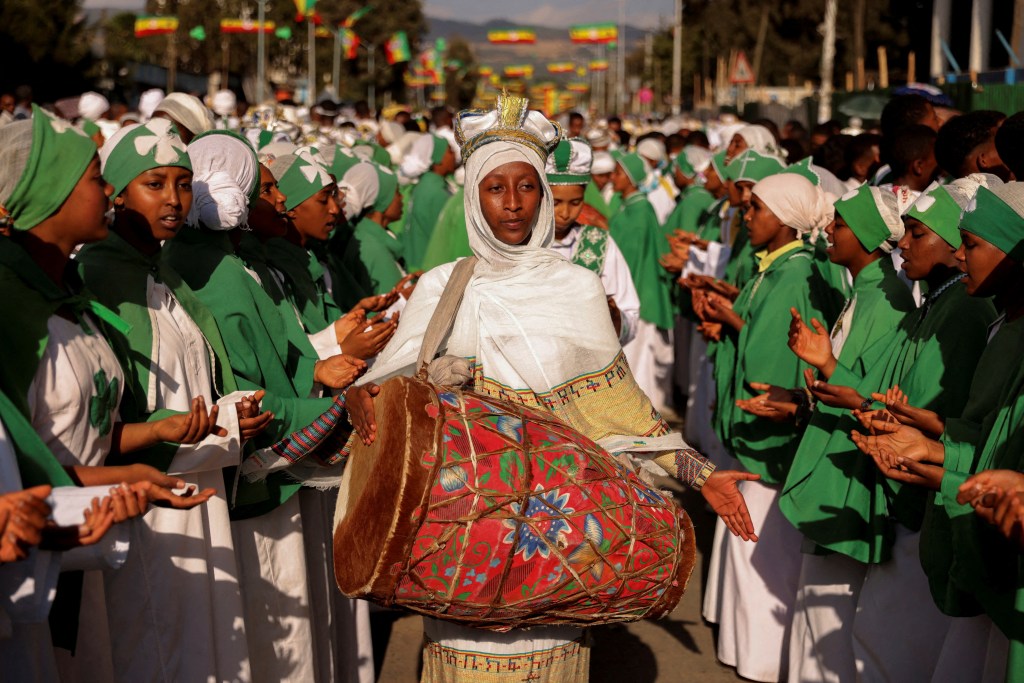
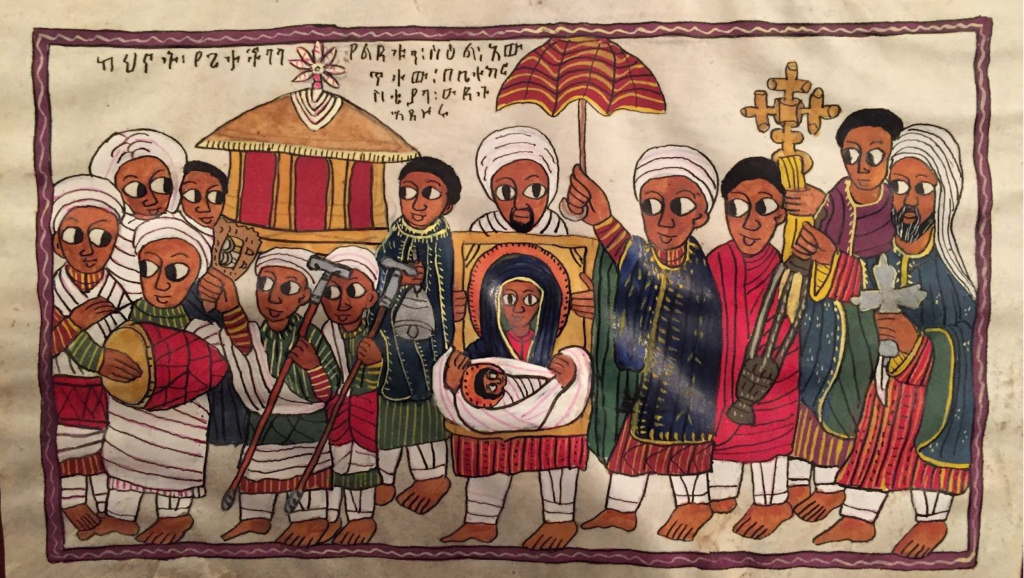
The Battle of Adwa (Ethiopia): Ethiopian war chants rallied unity and courage, enabling a decisive victory over Italian colonial forces in 1896, a symbol of African resistance to colonisation.

South African Anti-Apartheid Chants: During the anti-apartheid movement, the rallying cry “Amandla! Awethu!” (“Power! To the People!”) united voices in defiance of systemic oppression.

Each of these moments shows how cultural pride can inspire unity, defiance, and liberation.

The Power of Solidarity

Hana-Rawhiti Maipi-Clarke’s protest and the viral Haka serve as a powerful reminder of the strength found in unity. Across the world, from Māori communities to the African diaspora, marginalised groups have turned to their cultures to resist injustice, reclaim their rights, and honour their ancestors.

This moment speaks to a universal truth: cultural pride is more than a celebration—it is a weapon against erasure and a call to action for justice.

Reclaiming Heritage, Reclaiming Power

The Māori and Black diaspora share histories of resilience in the face of colonial oppression. Their struggles remind us of the importance of preserving cultural heritage, building unity, and standing firm in the fight for justice.

The Haka, like the chants of “Amandla! Awethu!” and the spiritual power of the Bois Caïman ceremony, reminds us that resistance begins with reclaiming who we are. Together, we can honour our past, inspire the present, and build a future rooted in equity and pride.

#BLAMUK #CulturalPride #Haka #BlackDiaspora #Resistance #UnityInDiversity

Racial Empathy Bias: Why the World Turns Away from Sudan’s Pain

Imagine a country where 11.5 million people have been displaced by war, entire communities have been torn apart, and millions are facing hunger. Now, imagine that this country, despite enduring one of the worst humanitarian crises in modern history, is met with near silence from the global media. This is the reality in Sudan.

Why is the world so indifferent to the suffering of Black communities? The answer lies in the deeply entrenched racial empathy bias—a phenomenon where people are less likely to empathise with the pain of Black individuals and communities compared to their White counterparts. This bias, coupled with anti-Blackness and colourism, ensures that crises affecting predominantly Black nations like Sudan are overlooked, underreported, and devalued.

The Invisible Crisis in Sudan

Since the war erupted in Sudan, over 11.5 million people have been displaced, making it the world’s largest displacement crisis. Humanitarian organisations like the UN, UNICEF, and the World Food Program (WFP) have issued alarming reports: 18 million people face food insecurity, with many at risk of starvation. Yet, these staggering figures barely register in global headlines.

Contrast this with the extensive media coverage of conflicts affecting White populations. Western audiences are inundated with stories of war in Ukraine or the Middle East, often accompanied by heartfelt imagery and urgent calls to action. In comparison, Sudan’s pain is muffled, sidelined as just another African tragedy.

Racial Empathy Bias: The Root of the Silence

Racial empathy bias isn’t just an abstract concept—it’s a tangible force shaping how the world engages with suffering. Studies show that people are more likely to feel empathy for those who look like them or belong to dominant cultural groups. For Black communities, this means their pain is not only ignored but actively dismissed.

This bias stems from centuries of colonialism and racism, which have dehumanised Black people and perpetuated the idea that their struggles are less urgent or deserving of compassion. When we fail to empathise, we fail to act—and this failure is devastating for Sudan.

Anti-Blackness and Colourism: Deepening the Divide

The underreporting of Sudan’s crisis is also a reflection of pervasive anti-Blackness and colourism in global narratives. Anti-Blackness is the systemic marginalisation of Black individuals and communities, rooted in a world order that prioritises White lives and experiences.

Colourism, the preference for lighter skin tones even within communities of colour, compounds this issue. The global media often centres narratives involving White skin or those closer to whiteness, reinforcing the idea that darker-skinned individuals—like the majority of Sudan’s population—are less worthy of visibility or compassion. This is why Sudan’s war doesn’t make front-page news, even though the human suffering is unparalleled.

The Consequences of Bias

When the world ignores Sudan, the consequences are catastrophic. Aid organisations struggle to secure funding, leaving millions without food, water, or medical care. International pressure on warring parties is diminished, prolonging the conflict and deepening the humanitarian crisis. Most heartbreakingly, millions of Sudanese people are left to feel that their lives are invisible and their suffering unimportant.

This silence is a form of violence. By turning away from Sudan, the global community reinforces the idea that Black lives don’t matter as much as others—a narrative we must dismantle.

Breaking the Cycle: What Can Be Done

The first step is acknowledging the biases that shape how we engage with global crises. We must confront racial empathy bias, anti-Blackness, and colourism in ourselves, our media, and our institutions. This means amplifying Sudanese voices—both on the ground and in the diaspora—and pushing for more equitable representation in media coverage.

Follow activists and organisations like @londonforsudan, @madaniya.sdg, and @yassmin_a to stay informed and help raise awareness. Demand that media outlets cover Sudan with the same urgency they give to conflicts affecting White populations. Support humanitarian efforts through donations or volunteering, ensuring that Sudanese communities receive the aid they desperately need.

A Call to Action

At BLAM UK, we believe that all lives matter equally, and we stand against the systemic biases that silence Black voices and diminish Black pain. The world cannot continue to turn its back on Sudan—it’s time to break the silence and demand justice for the millions suffering in darkness.

Let’s hold the media accountable. Let’s educate ourselves and others about racial empathy bias and its consequences. Most importantly, let’s remind the world that Sudan’s pain is our collective responsibility.

Because when we turn away, we choose complicity. And when we act, we choose humanity.

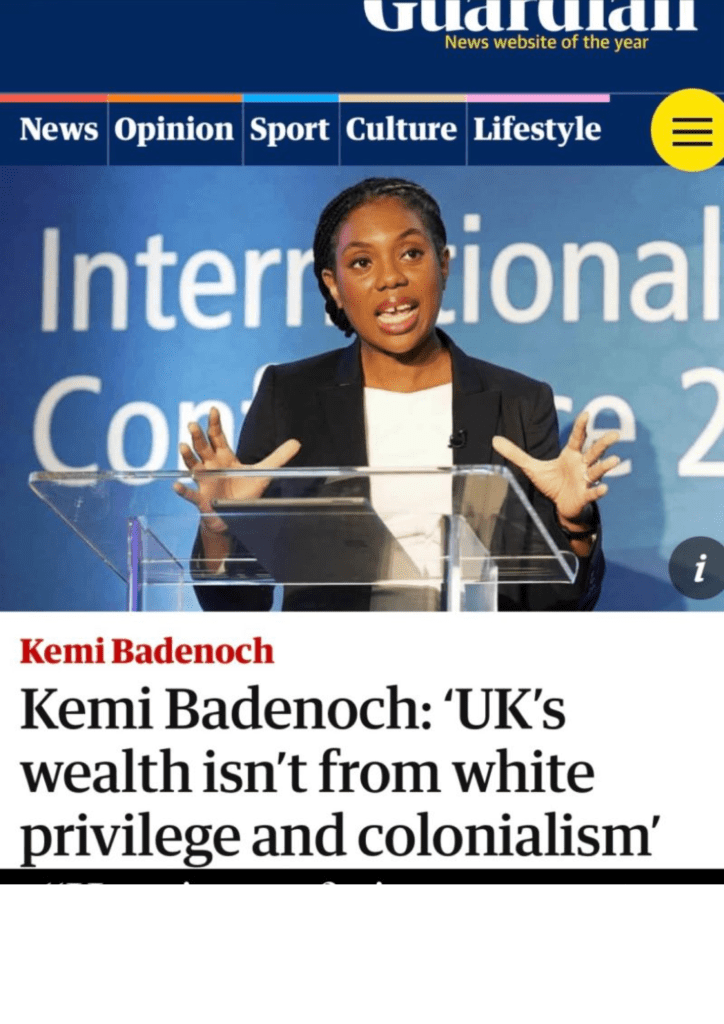
What Does Kemi Badenoch Really Mean for Black Britain?

In an unprecedented moment, Kemi Badenoch stands as the first Black leader of a major UK political party—a milestone, yes, but not the triumph some might celebrate it as. Instead, it serves as a wake-up call for Black communities and allies in Britain. Is this a victory for true representation, or just a convenient facade to suppress authentic Black voices by promoting someone who won’t challenge the system?

To understand what Badenoch’s rise truly signifies, we must ask: is she here to break down barriers or to quietly fortify them? It’s a question not just of personality but of purpose, strategy, and legacy.

The Empire Has Always Had Black Administrators

Professor Kehinde Andrews, a leading Black radical thinker, warns us of a familiar pattern: “The empire has always relied on Black and Brown administrators to uphold its structures.” What Andrews means is that, historically, the British Empire has often placed Black faces in powerful positions, not to dismantle oppressive systems, but to uphold them. This tactic is as old as colonialism itself.

During Britain’s colonial conquests, Black and Brown figures were strategically positioned in administrative roles, offering the illusion of inclusivity, all the while operating as gatekeepers of the colonial status quo. Whether through collaborators in British-occupied Africa or local administrators in the Caribbean, the empire has consistently used individuals from within the oppressed communities to tighten its grip.

And now, centuries later, here we are: Badenoch’s leadership seemingly reflects this same tactic. Instead of challenging the systems that continue to harm Black communities, she reaffirms them. By ascending to this role, does she carry the mandate to uplift and empower, or merely to pacify and contain? We cannot afford to ignore the real, historical playbook at work here, for her presence in power may, in reality, represent control, not liberation.

Dismissing Colonial Legacy and Denying White Privilege

Kemi Badenoch’s views on Britain’s past paint a troubling picture. She asserts that Britain’s success isn’t tied to its colonial history, dismissing the undeniable roles of exploitation and white privilege in building British wealth.

This stance comforts those who prefer a whitewashed history, where colonial atrocities are minimised or ignored entirely. But for Black communities, this isn’t just uncomfortable; it’s erasure. By sanitising the colonial legacy, Badenoch allows discussions around race, reparations, and historical accountability to fade, thereby protecting those who benefit from this carefully constructed amnesia.

This denial doesn’t serve Black people; it shields the structures and individuals who continue to gain from a legacy of injustice. It is precisely this comfort with silence and omission that allows racial disparities to persist unchecked. For a Black leader to perpetuate this erasure doesn’t represent progress but betrayal. When someone in her position refuses to acknowledge Britain’s bloody path to “greatness,” they signal a loyalty not to Black communities but to those who find solace in a history that absolves them of guilt.

The Comfort of Whitewashed “British Values”

Badenoch’s resistance to acknowledging institutional racism, her vocal opposition to reparations, and her relentless promotion of a selectively whitewashed version of “British values” speak volumes. Her stance has made her a favourite among right-wing figures like Michael Gove, who are keen to sidestep Britain’s colonial legacy. Instead of standing as a reminder of how far we’ve come—or how much further we have to go—her leadership becomes a tool for burying history and insulating Britain from confronting its injustices.

True “British values” should embrace honesty, justice, and accountability. But Badenoch’s approach seems to use those values as a shield against critique, turning them into slogans to dismiss the demands of Black communities rather than principles to advance justice and reconciliation.

Token Representation is Not Progress

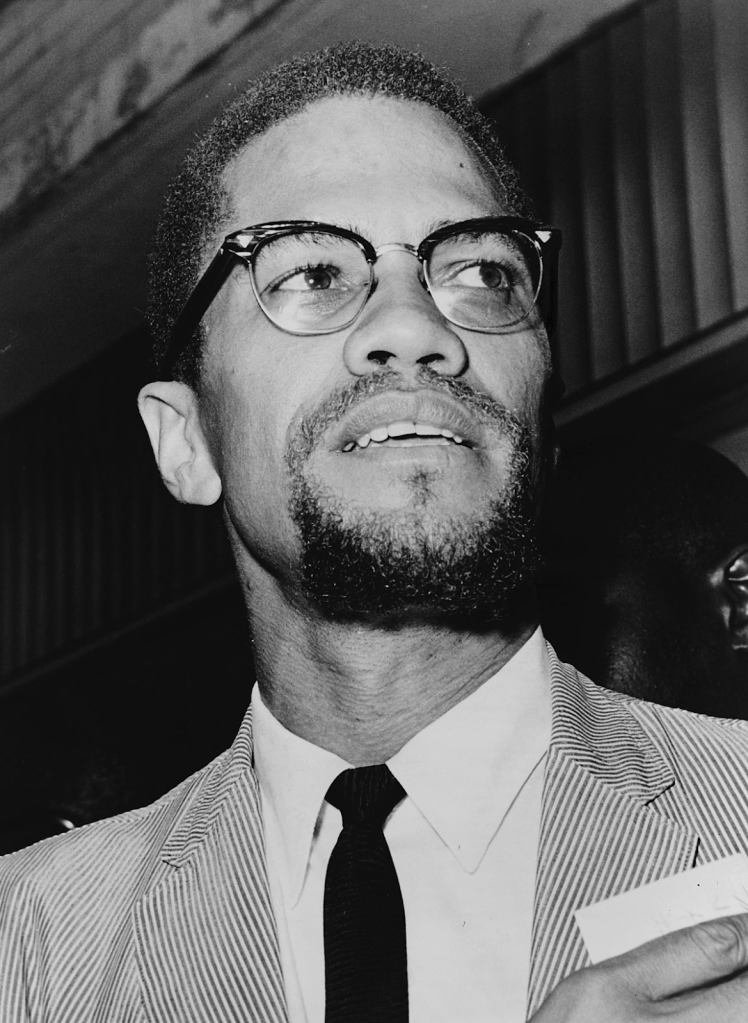
As Malcolm X famously declared, “If you stick a knife in my back nine inches and pull it out six inches, there’s no progress. If you pull it all the way out, that’s not progress. The progress is healing the wound that the blow made.” His words remind us that representation alone, especially when it comes without justice or accountability, does not equate to real change. Badenoch’s leadership doesn’t confront or seek to heal; it offers symbols over substance. The knife is still in.

For real progress, we need leaders who challenge, not uphold, systems of oppression. When Black faces are used to reinforce harmful structures, it’s not liberation; it’s control dressed up as diversity. Such leadership is not designed to change society but to keep it comfortably stagnant, insulated from the demands for real equity.

The Fight for True Leadership

Black communities deserve leaders who champion justice, equity, and truth—not those who silence our history, struggles, and aspirations. Leaders like Kemi Badenoch may represent visibility, but they do not represent the radical, transformative progress our communities need and deserve. A true leader stands with us, understanding that progress is not about easing discomfort but about confronting, healing, and reforming the systems that continue to oppress us.

So, let’s not be lulled by symbolic diversity. Real progress comes from those who fight for lasting change, from those who seek to dismantle and rebuild, not from those who uphold a façade that keeps Black communities subdued. As we look ahead, let us be vocal, vigilant, and unyielding in our demand for more than tokenism—for a leadership that seeks not to suppress, but to liberate.

BLAM UK and The Equality Trust Release Groundbreaking Report: Reimagining an Anti-Racist System and Addressing Racial Trauma

BLAM UK, in partnership with The Equality Trust, is proud to announce the release of our latest report, which critically examines what an anti-racist system could look like in the UK. This report delves into the deep-rooted impact of racial trauma, calling for the development of anti-racist therapy that centers the voices and lived experiences of racialised communities.

In this pivotal report, we explore how racial trauma is not only a personal experience but a pressing public health emergency. Black people in the UK face structural inequalities across many sectors, and this report underscores the importance of addressing these through an anti-racist lens. It highlights that Black individuals are 40% more likely to access mental health services via the criminal justice system and are 3.5 times more likely to be detained under the Mental Health Act than their white counterparts.

We ask vital questions about what a truly anti-racist system would entail and provide a comprehensive analysis of how systemic racism fuels these disparities. The report also introduces a new framework for anti-racist therapy, which seeks to empower racialised people by directly addressing the intergenerational trauma that systemic racism perpetuates.

This report marks a critical step in understanding racial trauma, and we urge public health officials, policymakers, and mental health practitioners to take action by embedding anti-racist practices into all areas of society.

Take a minute to read the full report here.

Contact: serena BLAM UK
Email:Serenaxblamuk@gmail.com
Website: https://equalitytrust.org.uk/evidence-base/advancing-anti-racist-therapy-for-racialised-communities/

Discover Hidden Histories: Black Pioneers You’ve Never Heard Of

As we celebrate Black History Month, it’s important to remember that history is often written by those in power, leaving many key figures out of the narrative. While we rightly honour icons like Martin Luther King Jr. and Rosa Parks, there are countless Black individuals whose contributions have shaped society but remain largely forgotten. These unsung heroes, often overlooked by mainstream history, have paved the way for the freedoms and rights we cherish today. It’s time to shine a light on some of these remarkable figures and recognise the impact they’ve had on our collective story.

Olive Morris: The Revolutionary Activist

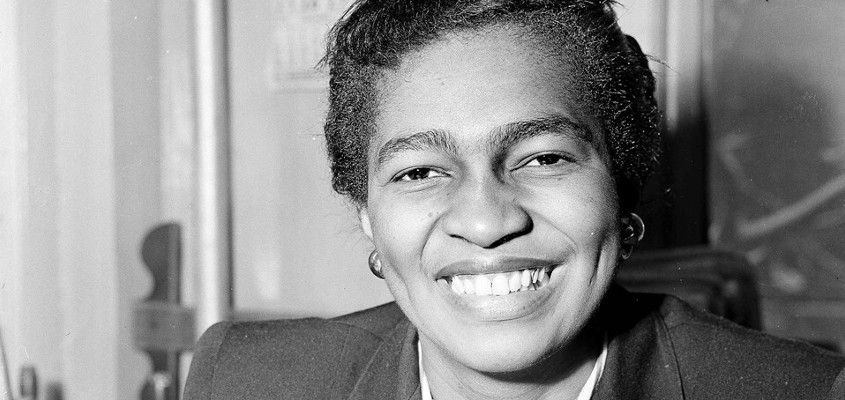
Olive Morris was a force of nature, a woman who refused to accept injustice and dedicated her life to fighting against racial and gender inequalities in Britain. Born in Jamaica in 1952, she migrated to the UK as a young child and grew up in Brixton, where she became a key figure in the Black British liberation movement.

At just 17, Olive confronted police brutality head-on when she attempted to intervene in the unlawful arrest of Nigerian diplomat Clement Gomwalk. Despite being beaten and arrested herself, this incident marked the beginning of her fierce activism. She went on to co-found the Organisation of Women of African and Asian Descent (OWAAD) and the Brixton Black Women’s Group, both of which fought for the rights of Black women in Britain. Olive’s work didn’t just focus on racial justice, but also on housing rights, squatting, and social justice for the most vulnerable.

Though she tragically died at just 27 from cancer, her legacy continues to inspire. Olive’s name might not be in school history books, but her contributions are undeniable. Her story reminds us that courage doesn’t always make headlines, but it can change the world.

Claudia Jones: The Mother of Notting Hill Carnival

Claudia Jones is often remembered as the “Mother of Notting Hill Carnival,” but her legacy goes far beyond the vibrant celebrations that bring communities together today. Born in Trinidad in 1915, Jones emigrated to the United States, where she became a staunch political activist and communist, fighting for civil rights and against racial segregation. After being deported to the UK in 1955 due to her political activities, she didn’t miss a beat.

Claudia founded the West Indian Gazette, one of the first major Black British newspapers, to provide a voice for the Caribbean community. But perhaps her most lasting contribution was founding the precursor to what we now know as the Notting Hill Carnival. Following the Notting Hill race riots of 1958, a time when racial tensions were at a boiling point, Jones organised an indoor Caribbean carnival as a celebration of West Indian culture and a way to unite people in the face of adversity. Today, Notting Hill Carnival is Europe’s biggest street festival, a vibrant expression of Black joy and culture in the UK.

Jones understood that celebration and resistance often go hand in hand. Through her work, she not only fought against racial oppression but also gave the Black British community a platform to celebrate its culture and contributions to society.

John Blanke: A Royal Trumpeter in Tudor England

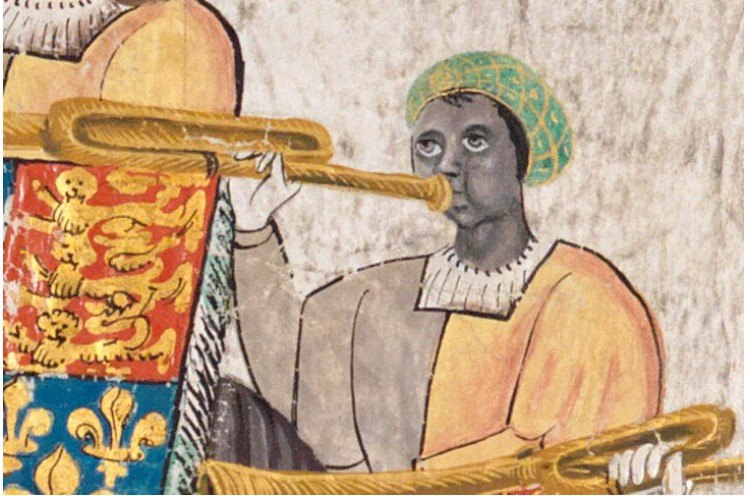
If you think Black presence in Britain is a modern phenomenon, think again. John Blanke, a Black trumpeter at the court of Henry VIII, is one of the earliest recorded Black individuals in British history. While little is known about his early life, what we do know is that Blanke was an extraordinary musician who performed at the heart of English royalty in the early 16th century.

Blanke’s image can be seen in the Westminster Tournament Roll, where he is depicted playing the trumpet at a grand royal event. This is one of the few surviving images of a Black person in Tudor England, and it serves as a powerful reminder that Black people have been integral to British society for centuries.

In 1512, John Blanke even petitioned Henry VIII for a pay rise, which was granted — an act that shows both his significance and his confidence in asserting his worth at a time when Black people were often marginalised or enslaved. His story, though brief in historical records, disrupts the notion that Black people were absent from, or peripheral to, British history. Blanke’s presence at the Tudor court highlights the diversity of British society long before the arrival of the Windrush generation.

Septimius Severus: The African Roman Emperor Who Ruled Britain

When we think of Roman emperors, images of Caesar or Augustus often come to mind, but few people know about Septimius Severus, a man of African descent who rose to become one of Rome’s most powerful leaders. Born in Leptis Magna (modern-day Libya) in AD 145, Severus hailed from a wealthy Punic family. His rise through the ranks of the Roman military was swift, and in AD 193, he was proclaimed emperor, becoming the first Roman ruler of African heritage.

Severus’s connection to Britain is particularly significant. He spent the final years of his reign in the British Isles, where he led military campaigns to strengthen Roman control and repair Hadrian’s Wall. His mission was to subdue the rebellious tribes in what is now Scotland and secure Rome’s northern frontier. During his time in Britain, Severus made York (then Eboracum) his base, making him one of the few Roman emperors to rule directly from British soil.

Despite ruling with an iron fist, Severus is remembered for his reforms and efforts to unify the empire, as well as for advancing the legal status of soldiers and non-Roman citizens. His reign brought stability to Rome after a period of civil unrest, and his military campaigns in Britain were some of the most ambitious efforts by a Roman emperor to extend Rome’s influence in the north.

Though Severus died in York in AD 211, his legacy endures, with his sons continuing his dynasty after his death. His story challenges conventional ideas of Roman history and highlights the rich diversity that existed within the ancient empire. Black presence in Britain, as exemplified by Septimius Severus, stretches back millennia, long before the modern era.

Severus’s reign as a Roman emperor of African descent defies the narrow views often presented in Western history. His presence in Britain shows that Black contributions to British history go back much further than many realise, with figures like Severus playing pivotal roles in shaping the country’s past.

Press Release: Defend Jamila Abdi – Stand Against Racist Prosecutions and State Surveillance

Jamila Abdi is facing an unjust trial that once again highlights the deep-rooted overcriminalisation of Black and Muslim communities in this country. This is not just an attack on Jamila; it is an attack on all of us who resist state harassment and over-policing. As a community, we have a long history of standing up against racist prosecutions and this case is no different.

We must come together, as we did in the Coconut Trial with Marieha Hussain, to ensure Jamila is not yet another victim of a system that criminalises our very existence. Jamila’s case has escalated to the point where the state is determined to prosecute her for what was originally a tweet made in conversation with a mutual friend. The tweet referred to a football player using a term she frequently uses as part of her everyday language as a Black woman. Yet, despite this context, the state has chosen to frame it as malicious communication, twisting the narrative to claim she intended to cause harm, distress, or anxiety.

This level of criminalisation for such minor actions exposes the selective nature of justice in the UK. Racists walk freely on our streets, causing harm and spreading hate, but it’s Jamila – a young Black Muslim woman – who is dragged through the courts for expressing herself online. The very fact that this prosecution is happening shows the priorities of the state: policing Black languages, surveilling marginalised communities, and ensuring the silencing of those who refuse to conform to oppressive standards.

We cannot stand idly by while Jamila’s future is put at risk. A conviction would not only ruin her prospects but also send a chilling message to other Black and Brown people in this country—that any expression of our identity can be weaponised against us.

We must be clear: this prosecution is not in the public interest. It’s an attempt to isolate Jamila and others like her from their community, a tactic to silence resistance. That’s why it’s crucial that we show up. We need more people on the ground, more bodies in the courtroom, more voices speaking out against this injustice. The state thrives on our silence and our absence; we must not give them either.

We know the power we have when we come together. Let’s make sure we’re standing strong for Jamila, just as we’ve done for others who have faced this kind of harassment. This fight is bigger than Jamila—it’s about dismantling the systems of surveillance, racism, and repression that target our communities every day.

Let’s show the state that we will not be intimidated, that our voices will not be silenced, and that we will always defend our own.

Join us in court. Stand with Jamila.

Why Teaching Black History Matters: The Role of BLAM UK in Shaping British Education

October marks Black History Month in the UK, a time when the nation pauses to reflect on the rich and complex histories of African and Afro-Caribbean people. While this month is crucial for amplifying Black narratives, it’s clear that Black history should not be confined to just 31 days. At BLAM UK, we believe that Black history is British history, and it should be embedded throughout the school curriculum all year round.

Why Black History in British Schools?

The British education system has long been criticised for its Eurocentric approach, often leaving Black students disconnected from the curriculum and their peers with limited understanding of Black contributions to society. This is where BLAM UK steps in—to reshape this narrative by ensuring that Black history is integrated into everyday teaching, not just highlighted during Black History Month.

Teaching Black history is more than just an act of inclusion; it’s about correcting historical omissions. It’s about celebrating figures like Mary Seacole and Olaudah Equiano, whose contributions to British society have often been sidelined. More importantly, it allows students to understand the global impact of the African diaspora, from the cultural heritage of African nations to the histories of Black Britain, the Caribbean, and the Americas.

At BLAM UK, we’re committed to making this a reality through our workshops, teacher training programs, and resources. Our mission is simple: to create an education system that reflects the diversity of Britain.

BLAM UK’s Role in Transforming Classrooms

BLAM UK offers a wide range of services to empower educators and institutions to embrace Black narratives:

Teacher Training: We provide bespoke 1-to-1 and group training for teachers, helping them embed Black British cultural heritage, African, and Afro-Caribbean histories into their everyday teaching. Our training isn’t about adding extra burdens on teachers but equipping them with tools to naturally integrate Black narratives across subjects, from literature and history to art and geography.

Anti-Racism in Schools: We support school staff and governors in fostering anti-racism policies and practices. Our training covers best practices for anti-racism, while our assemblies for students focus on racial wellness, creating an environment where all students feel valued and seen.

Workshops & Assemblies: By working directly with schools and teachers, we aim to create learning spaces where Black narratives are not just included but celebrated. As Julie Joyce, Head of Year 9 at Archbishop Tenison School, noted, “The resources and training BLAM UK provided our school were fantastic. It has changed the way we view inclusion of Black narratives in everyday teaching.”

New Tools for a New Era: Global Black Narratives in the Classroom

To further support teachers in their mission to bring Black narratives into the classroom, BLAM UK has created “Global Black Narratives in the Classroom”, a two-part book series published by Routledge. These practical lesson plans, interactive worksheets, and activities are designed to help primary school teachers seamlessly integrate Black history across subjects, all year round.

Our books cover a truly global perspective. Volume 1 focuses on Africa, the Americas, and the Caribbean, while Volume 2 dives into Black Britain and Europe. From exploring Black culture in Great Britain to highlighting Afro-Colombian artefacts and African geophysical contributions, this book brings often-overlooked narratives to the forefront.

Why We Do This

Our work is fueled by a deep commitment to creating a curriculum that reflects the students in our classrooms. We’ve worked with schools across London for over five years, and we’ve seen firsthand that teachers want to do more—they just need the right resources. That’s why we created these books, to give educators the tools they need to weave Black history into the fabric of every lesson.

And we’re not stopping there. BLAM UK also offers corporate anti-racism workshops, helping businesses and organisations understand microaggressions, implicit bias, and how to create a culture of racial wellness in the workplace. From Lancaster University to LUSH, our training is transforming the way workplaces approach race and inclusion.

Beyond Black History Month

Black History Month is important, but it should be just the beginning. At BLAM UK, we envision a future where Black history is taught as an integral part of the British education system, fostering a generation of students who understand and appreciate the full scope of their country’s diverse heritage.

By working with BLAM UK, schools, educators, and businesses alike can make meaningful strides toward a more inclusive and accurate portrayal of history. As we often say—Black history is British history. Let’s teach it like it is.

BLAM UK Statement Against Far Right Extremism

In the face of rising hate and violence, our communities have shown their unyielding strength and unity. Thousands of anti-racist warriors took to the streets across England, sIn the face of rising hate and violence, our communities have shown their unyielding strength and unity. Thousands of anti-racist warriors took to the streets across England, standing in fierce solidarity with our  ethnic minority communities who have been under attack. Let it be known that the power of the people will always outshine the darkness of bigotry. The far-right, rattled and subdued, cannot and will not break our spirit!

BLAM UK is not here to ask for acceptance—we demand justice and equality. We call on our communities to stay vigilant, stay united, and stay defiant. We reject the toxic hatred that the far-right spews and instead choose to embrace the diversity that makes us powerful. The voices chanting ‘Refugees Welcome’ and ‘Racists Out’ are not just words—they are a declaration that we will not tolerate xenophobia in OUR streets or communities.

We will continue to flood the streets, not just with our numbers but with our unwavering love for each other and our determination to build a future free of racism. To the authorities, who speak of penalties and terrorism classifications—we say: direct your energy towards dismantling the systems that breed this hate. The true threat to our society comes not from those fleeing violence and persecution, but from the forces that seek to divide and oppress.

BLAM UK stand with the Muslim community, with every immigrant, with every person of colour who has ever felt the sting of prejudice. We are one, and we are many. This is not just a protest—this is a movement. And we will not be stopped!

BLAM UKs Statement against the Criminalisation of Black Languages

Untitled design.zip - 1.jpg

The recent arrest and charging of a 21-year-old Black woman in the UK for using the AAVE term Nigga in a private Twitter conversation marks a disturbing and radical shift in the enforcement of the Malicious Communications Act of 1988. This heavy-handed approach not only criminalises Black people for their language use but also highlights the Crown Prosecution Service (CPS)’s disregard of Black culture and lack of understanding of linguistic justice.


BLAM UK condemns this action unequivocally. We do not support the criminalisation of Black people for their language use, particularly when that language reflects their cultural identity. BLAM’s work focuses on fighting for the rights and recognition of Black people, including advocating for linguistic justice, and addressing systemic racism.

Untitled design.zip - 2.jpg


What is linguistic Justice


Linguistic justice for Black people involves recognising Black languages, such as African American Vernacular English and Black British English, as valid forms of communication. Promoting the value and richness of Black linguistic traditions in schools, media, and public spaces, and supporting Black people’s right to use their language without facing negative judgments or consequences. In the case of the 21-year-old Black woman it means not being arrested for using a word that is historically and culturally relevant to her Black experience.

The myth of “proper” English – How the ban on Black British English  continues a colonial tradition of linguistic injustice – BLAM UK CIC


This isn’t the first time that a Black language has been criminalised or dismissed within the law. In the case of the State of Florida vs George Zimmerman, Rachel Jeantel was a leading prosecution witness, however her evidence was dismissed due to her speaking AAVE. In another case in the United Kingdom a witness who spoke Jamaican Creole (Or Patois) had his witness statement mistranscribed which could’ve had dire consequences for the witness. There are several cases like these all over the world. The dismissal of Black languages as a real or an appropriate language is rooted in racism and in language supremacy. Furthermore the arrest of the 21-year-old Black woman takes this form of linguistic racism to the extreme by criminalising language use which is also a breach of her human right to to take part in cultural life and activities and express her culture through language.


BLAM UK’s Action


We wrote to the CPS, and their response to our Freedom of Information request makes it clear that they do not recognise the term “linguistic justice,” revealing a deep-seated ignorance and unwillingness to engage with the cultural nuances of Black British English and African American Vernacular English.

Netpol: Kettling at Black Lives Matter protest in London was  disproportionate and unlawful - Netpol


BLAM UK issued a Freedom of Information request to the CPS in June 2024 and the response we received illustrates their lack of accountability and transparency around linguistic justice and the use of the Malicious Communications Act 1988 for particular offences. When asked, the CPS stated they did not have information collated regarding the conviction rate for charges under both the Malicious Communications Act 1988 and the Communications Act 2003, nor did they have the breakdown of the race or ethnicity of the offenders convicted based on these Acts. The CPS also stated that they were not obligated to give BLAM some of the data requested as the cost of compiling this information would exceed the appropriate limit for central government which is set at £800. The inability and refusal to provide comprehensive data on the prosecution of minoritised under hate speech laws show the CPS lacks accountability when reviewing how hate speech laws are used and who they are used against. The arrest of Jamila Abdi is not an isolated incident but part of a broader pattern of discriminatory policing and prosecution that targets Black and minoritised communities disproportionately in the UK.


Additionally, we wrote an open letter to the Metropolitan Police as their actions are not only discriminatory but also confusing. As whilst being questioned police officers were also using the N-word, this could also be seen as an offence under the Malicious Communications Act as the police officers in question were in a position of power when using the word in front of the arrestee.


We demand that the CPS and law enforcement agencies stop these unjust practices immediately. The targeting and criminalisation of Black individuals for their language is an affront to justice and equality. We stand firm in our commitment to advocate for true linguistic justice and the protection of Black linguistic expressions. The CPS’s actions are a direct contradiction of the principles of fairness and justice they claim to uphold.


Closing remarks


In conclusion, the case of Jamila Abdi’s arrest for using AAVE in a private conversation illustrates the urgent need for linguistic justice and the protection of Black people’s right to expression. This incident is not isolated but part of a broader, deeply concerning pattern of discrimination against Black languages and cultural expressions. It is important that law authorities such as the CPS take real steps to understand linguistic justice and incorporate linguistic justice practices moving forward in order to ensure that Black languages are not criminalised.


BLAM UK

Black Women and the Gender Pay Gap

Written By Avila Chidume

We have all heard about the metaphorical glass ceiling, used to describe the social barriers preventing women accessing higher management roles. But rarely is the concrete ceiling discussed, this is the barrier Black women face throughout their careers.

Today we will be examining the major barriers Black women experience in a multitude of career paths, whether the women are cleaners, or executives. Specifically we will be examining the notorious pay gap and how this disproportionately impacts Black women. 

Overqualified, Overworked and Underappreciated 

“It’s no surprise that so many Black women are struggling with the cost of living crisis when many earn a fifth less than men,” – Anneliese Dodds MP, Shadow Secretary of State for Women and Equalities

For over a decade, reports have been published highlighting the shocking truth regarding Black graduates who are working in roles in which they are overqualified for and have more than enough qualifications and experience to access higher paying roles. Additionally, hostile migration policies are impacting on Black African graduates specifically, with many earning 12% less for the same job. The repercussions of which impact Black women regardless of background. 

This is true across all sectors, including higher education but when we explore this intersection of gender and ethnicity, the statistics are even bleaker for Black women. Out of 23,000 professors in the UK, there are only 66 Black women working across over 160 universities. There are organisations working to improve this number, such as ‘100 Black Women Professors Now’, who work to increase the number of Black women in the academic pipeline. 

Make no mistake, Black talent continues to be in abundance as more and more Black people, particularly those from African backgrounds, pursue higher education to advance in their careers. Ethnically/racially minoritised children, despite the systemic barriers faced from racism, poor social mobility, cultural barriers and lack of social capital continue to excel within their education. However, large discrepancies remain where Black Caribbeans, particularly boys, continue to underachieve academically. This further highlights the requirement to provide additional support and resources to schools with high numbers of underperforming students.   

There is evidence that Black and other minority ethnic groups are more likely to be overqualified than their white counterparts. Over 40% of all Black African employees with A-level and graduate-level qualifications are overqualified for their current jobs.  The lack of recognition and support, fueled by institutional racism, is where the issues come to light. White colleagues doing the same work are more likely to be promoted into higher paying and better advancing roles. 

The women who work hard to break the proverbial glass ceiling, which white women struggle with, are then faced with the ‘concrete ceiling’ an almost impenetrable barrier which requires exceptional skill and force to break through, if they are not afforded the necessary social capital required to excel. With over 56% of Black women stating their workloads were unequally greater than their peers, and many feeling pressured to resign due to racial inequalities – it’s no wonder few are in senior positions. 

Those who do make it into senior roles, their journeys do not get easier. It has been reported that 50% of Black Women in senior positions have resigned due to racism.

Lack of social capital, such as access to funding or network opportunities, and a lack of transparency in promotion opportunities are the most prevalent barriers. 

“Black women continue to be strong, resilient and courageous, despite the fact that we are the most oppressed group in any society we live in”Stella Dadzie 

Exceptional Black Women: 

Below we have highlighted exceptional Black women, who despite the cards stacked against them have excelled in their fields and paved the way for generations of Black women to come.

The Political Sphere:

Image may contain Necklace Jewelry Accessories Accessory Diane Abbott Clothing Apparel Human Person and Face

Diane Abbott’s journey is marked by historic milestones and extraordinary achievements. In 1987, she shattered barriers by becoming the first Black woman elected to Parliament, a groundbreaking moment that resonates to this day.

Her legacy is defined by a series of remarkable firsts: as the inaugural Black woman MP, as the first Black MP to stand at the PMQs despatch box, and notably, as the sole Black individual from a state-funded school to attend Cambridge University during the 1970s—an accomplishment emblematic of her resilience and determination.

With nearly 35 years of dedicated service in Parliament, Abbott commands deep respect and admiration from her constituents, who have embraced her as a cherished representative.

Yet, Abbott’s journey has not been without challenges. As a Black woman in the public eye, she has bravely confronted and spoken out against the discrimination and abuse she has endured, becoming a vocal advocate for racial equality and justice.

Her commitment extends beyond rhetoric; Abbott has actively championed initiatives to empower Black women in business and to address the systemic barriers faced by Black children in education.

In Parliament, she has consistently stood on the side of justice and fairness, voting against policies that perpetuate inequality and harm. From opposing tuition fees and nuclear weapons to challenging the Government’s immigration policies, Abbott’s principled stance reflects her unwavering commitment to social justice.

Moreover, her advocacy spans a diverse range of issues, from championing LGBTQ+ rights and advocating for youth employment, to pushing for measures to combat climate change.

In Abbott’s own words, “The idea that you can be a voice for the voiceless is still very important”—a sentiment that encapsulates her enduring dedication to fighting for those whose voices are often silenced or ignored.

The Educational Sector:

Olivette Otele

It has been widely acknowledged that Olivette Otele FRHistS FLSW doesn’t merely chronicle history; she actively shapes it. In 2018, she achieved a groundbreaking milestone by becoming the first Black woman in the United Kingdom to attain the prestigious title of Professor of History, setting a new standard for inclusion in academia.

Renowned for her world-class research and insightful writing on Black history, Otele has been appointed as an inaugural Professor of the History of Slavery, a testament to her expertise and dedication to shedding light on often overlooked aspects of the UK’s collective past.

Her collaboration with Bristol University to delve into the city’s historical ties to the transatlantic slave trade underscored her commitment to confronting uncomfortable truths and fostering meaningful dialogue about the UK’s history.

She also has esteemed ranks at SOAS University of London as a Distinguished Research Professor specialising in the Legacies and Memory of Slavery. Otele continues to pave the way for women in academia, inspiring future generations to pursue their academic aspirations with confidence and determination.

The Music Industry:

Picture

Celebrated as one of the most inspirational figures among Black British women, Dr. Shirley Thompson’s contributions to music and culture are unparalleled. In 2004, she etched her name in history as the first woman in Europe to both conduct and compose a symphony in over four decades. Her masterpiece, “New Nation Rising,” not only commemorated London’s rich history but also served as a poignant tribute during the Queen’s Golden Jubilee in 2002.

Beyond the concert hall, Thompson’s compositions have found their way into the fabric of various art forms, enriching films, television productions, dance performances, and stage productions alike.

Consistently recognised for her impact, Thompson has been a fixture on the Evening Standard’s Power List of Britain’s Top 100 Most Influential Black People for an impressive seven consecutive years, which is a testament to her enduring influence and legacy in the realm of music and beyond.

Entrepreneur:

Pat McGrath

Pat McGrath stands as an unparalleled force in the world of makeup, earning accolades and recognition from industry giants like Vogue and esteemed commentators who deem her the most influential makeup artist globally.

In 2021, she made history as the first-ever makeup artist to be appointed a Dame Commander of the Order of the British Empire (DBE) in the New Year Honours: a prestigious distinction acknowledging her exceptional contributions to the fashion and beauty realms.

McGrath’s artistry has graced the faces of some of the most influential Black female icons global, including Rihanna and Beyoncé, cementing her status as a visionary collaborator and trendsetter.

Her impact extends far beyond the beauty industry, earning her a well-deserved spot on Time magazine’s list of the 100 Most Influential People in 2019.

In 2015, McGrath made waves with the launch of Pat McGrath Labs, her own line of beauty products, which swiftly ascended to a billion-dollar company by 2019-a testament to her entrepreneurial prowess and creative genius.

Consistently ranked among the top influencers in the Powerlist, McGrath continues to break barriers and inspire others with her trailblazing career.

Her mantra, “It will be a problem for you if you don’t love what you do. So make sure!” encapsulates her unwavering passion and dedication to her craft, serving as a guiding light for aspiring artists worldwide.

The Arts:

In the realm of Art, we shine a spotlight on Rayvenn Shaleigha D’Clark, honoured on the prestigious Forbes 30 Under 30 List for 2024. Based in London, she stands out as a writer, curator and sculptor, making waves with her powerful creations. Notably, she has secured one of the largest sculpture commissions ever awarded to a woman under 30.

D’Clark’s art is deeply rooted in politics, as she skillfully reframes and readdresses the narrative of transatlantic slavery and Black history. Her work serves as a poignant commentary on societal issues, challenging established norms and perceptions.

Her art has graced the halls of esteemed institutions such as the Royal College of Arts, Victoria & Albert Museum, and Saatchi Gallery, garnering critical acclaim and admiration from audiences worldwide.

In her own words, D’Clark articulates, “My work is a visual representation of individuals who share my experiences, individuals often overlooked in the dominant narrative.”

Absolutely, the resilience and achievements of Black women in the face of systemic barriers are truly remarkable. Despite often being overqualified, overworked, and underpaid, many persist and excel in their fields, showcasing incredible talent and determination. Just imagine the possibilities if these barriers were dismantled and Black women were collectively given equal opportunities to rise and thrive. The potential for innovation, creativity, and progress would be boundless! It’s imperative that we recognise and remove/counter the obstacles that hinder their advancement, and actively work towards creating a more equitable and inclusive society where all individuals, regardless of ethnicity/race or gender, can reach their full potential.

“This idea that we all have the same life is false. Race, Class, and Gender come together to shape the life chance of people in very different ways”Kimberlé Williams Crenshaw