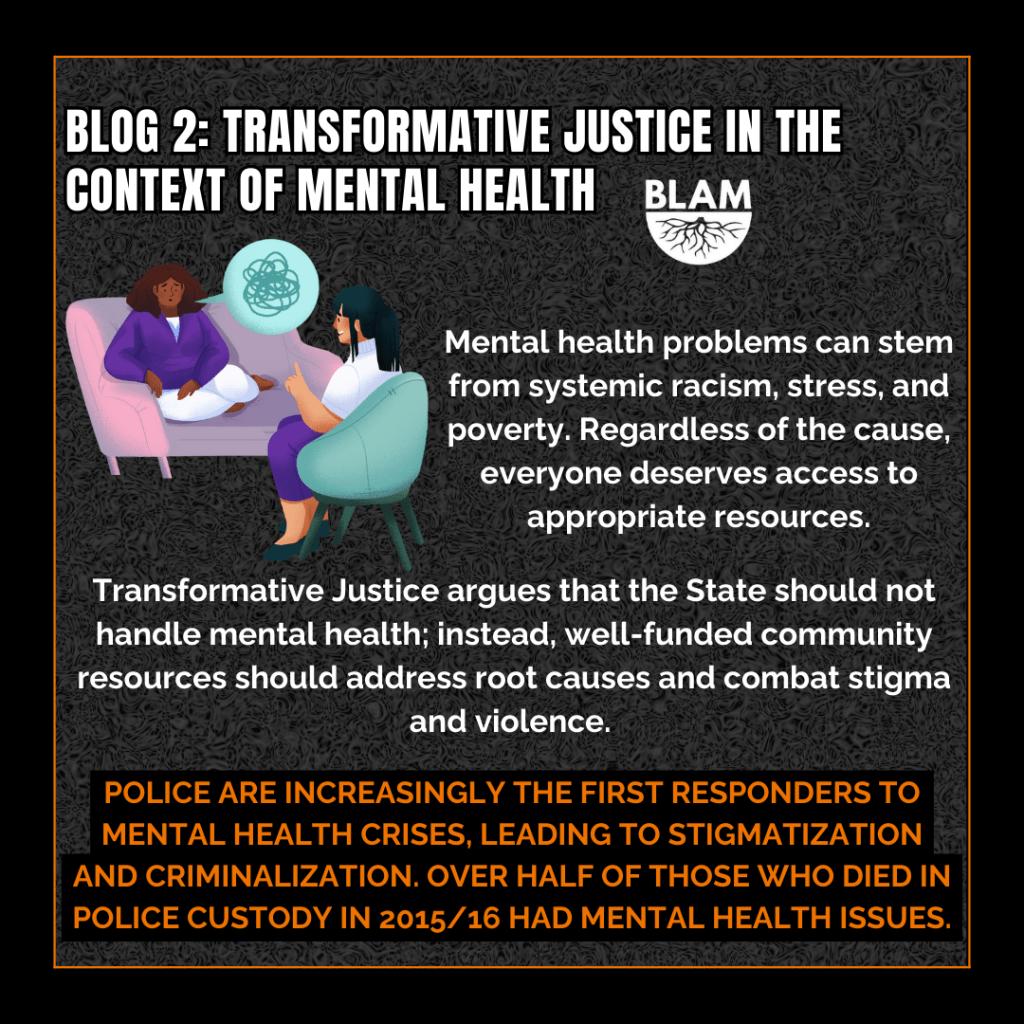
Mental health issues can arise from external issues such as systemic racism, stress and poverty, and sometimes they are unprovoked – either way those struggling with mental ill-health should have equal access to appropriate resources. The causes and effects of mental health should be appropriately handled by informed systems, not stigmatised, misunderstood and politicised. Transformative Justice would say that the State as it stands has no place in mental health, and that community resources must be adequately funded and trained to allow for root causes of mental ill-health to be addressed and systemic stigma and violence about mental health to be destroyed. However, community mental health resources in the UK have been continuously defunded, leaving the State responsible for handling mental health.
The Color Purple by Alice Walker, was originally a novel following Celie, an African American woman, as she wrote letters to God detailing her life in the early 1900s. It portrays Celie’s journey towards empowerment, overcoming oppression and abuse to find fulfilment and independence.
The novel received widespread acclaim for its portrayal of Black female characters, the way it provided marginalised groups a voice, and its use of African-American Vernacular. Additionally, Walker defined the term “womanist”, which celebrates the unique struggles and strengths of Black women while feminism acts as a subtype. Womanist emphasises the importance of intersectionality, Black women’s agency and empowerment which are themes explored in the book and movies. According to Walker, “Womanist is to feminist as purple is to lavender.”
The book was first published in 1982 and critically acclaimed, so much so that it earned Walker a Pulitzer Prize in fiction, making her the first African American woman to win one since the awards began in 1948. Today, The Color Purple is considered an American classic due to its diversity in storytelling and its deep socio-cultural significance, highlighting Black women’s experiences in a white supremacist, patriarchal world.
The book is also included in the Library of Congress. It is now taught in schools internationally and is included in the British education curricula in Key Stage 5 as it contributes to discussions on race, gender and literature.
The first movie was released in 1985 and starred a majority Black cast which was not common at the time. The movie was so well received by fans of the book and the wider American public that it was nominated for 11 Academy Awards, and propelled Whoopi Goldberg and Oprah Winfrey’s acting careers. In 2005, the book was adapted for Broadway with Oprah being one of the producers. The production’s hit music and star studded cast won two Tony Awards in 2016.
The themes addressed in The Color Purple encompass various aspects of societal struggles and personal growth. Firstly, the novel delves into sexism, highlighting the challenges faced by Black women and emphasising the importance of sisterhood, this is demonstrated by the consistent letters Celie’s sister, Nettie, writes to her whilst navigating her own living situation abroad. Both sisters write of powerlessness but from different perspectives but with similar emotions and a need for belonging and reconnection.
Additionally, it confronts racism, depicting the oppression experienced by African Americans in the early 1900s and addressing ongoing issues still relevant today. Furthermore, the narrative explores abuse within familial, platonic, and romantic relationships. We see this through the abuse suffered by the sisters at their father’s hands when young and how that translates to their adult relationships.
It also delves into religious themes, including the questioning of faith and the impact of community beliefs. The novel exists because Celie has turned to her only confidant- God, for comfort following the abuse she has faced.
Finally, the novel addresses themes of sexuality and identity, particularly focusing on the denial of queer love, which was notably censored in the original movie adaptation despite featuring a kiss between two female characters, Celie and Shug, on screen.
The latest movie adaptation, released in 2023, is based on the Broadway musical and utilises Black music rooted in the struggles of the Black community to express the emotions and experiences of the characters. The narrative portrays both sadness and the empowerment that comes from overcoming adversity and surviving against all odds. To commemorate the movie’s release, influencers have embraced social media platforms like TikTok, recreating dance numbers and musical moments from the film.
Today, The Color Purple stands as a significant cultural landmark, captivating readers and audiences worldwide. Its themes, especially those on abuse within the home and religious connection, were not openly discussed at the time Walker published her book. The book has received criticism for its raw and unfiltered nature for discussing issues such as child abuse early on, however Walker has defended herself against this criticism, stating statistics on child abuse within the United States. The characters, and the compelling narrative ignite crucial dialogues on intersectionality and social justice, leaving a profound impact on subsequent literary, theatrical, and cinematic creations.
The Color Purple by Alice Walker, was originally a novel following Celie, an African American woman, as she wrote letters to God detailing her life in the early 1900s. It portrays Celie’s journey towards empowerment, overcoming oppression and abuse to find fulfilment and independence.
The novel received widespread acclaim for its portrayal of Black female characters, the way it provided marginalised groups a voice, and its use of African-American Vernacular. Additionally, Walker defined the term “womanist”, which celebrates the unique struggles and strengths of Black women while feminism acts as a subtype. Womanist emphasises the importance of intersectionality, Black women’s agency and empowerment which are themes explored in the book and movies. According to Walker, “Womanist is to feminist as purple is to lavender.”
The book was first published in 1982 and critically acclaimed, so much so that it earned Walker a Pulitzer Prize in fiction, making her the first African American woman to win one since the awards began in 1948. Today, The Color Purple is considered an American classic due to its diversity in storytelling and its deep socio-cultural significance, highlighting Black women’s experiences in a white supremacist, patriarchal world.
The book is also included in the Library of Congress. It is now taught in schools internationally and is included in the British education curricula in Key Stage 5 as it contributes to discussions on race, gender and literature.
The first movie was released in 1985 and starred a majority Black cast which was not common at the time. The movie was so well received by fans of the book and the wider American public that it was nominated for 11 Academy Awards, and propelled Whoopi Goldberg and Oprah Winfrey’s acting careers. In 2005, the book was adapted for Broadway with Oprah being one of the producers. The production’s hit music and star studded cast won two Tony Awards in 2016.
The themes addressed in The Color Purple encompass various aspects of societal struggles and personal growth. Firstly, the novel delves into sexism, highlighting the challenges faced by Black women and emphasising the importance of sisterhood, this is demonstrated by the consistent letters Celie’s sister, Nettie, writes to her whilst navigating her own living situation abroad. Both sisters write of powerlessness but from different perspectives but with similar emotions and a need for belonging and reconnection.
Additionally, it confronts racism, depicting the oppression experienced by African Americans in the early 1900s and addressing ongoing issues still relevant today. Furthermore, the narrative explores abuse within familial, platonic, and romantic relationships. We see this through the abuse suffered by the sisters at their father’s hands when young and how that translates to their adult relationships.
It also delves into religious themes, including the questioning of faith and the impact of community beliefs. The novel exists because Celie has turned to her only confidant- God, for comfort following the abuse she has faced.
Finally, the novel addresses themes of sexuality and identity, particularly focusing on the denial of queer love, which was notably censored in the original movie adaptation despite featuring a kiss between two female characters, Celie and Shug, on screen.
The latest movie adaptation, released in 2023, is based on the Broadway musical and utilises Black music rooted in the struggles of the Black community to express the emotions and experiences of the characters. The narrative portrays both sadness and the empowerment that comes from overcoming adversity and surviving against all odds. To commemorate the movie’s release, influencers have embraced social media platforms like TikTok, recreating dance numbers and musical moments from the film.
Today, The Color Purple stands as a significant cultural landmark, captivating readers and audiences worldwide. Its themes, especially those on abuse within the home and religious connection, were not openly discussed at the time Walker published her book. The book has received criticism for its raw and unfiltered nature for discussing issues such as child abuse early on, however Walker has defended herself against this criticism, stating statistics on child abuse within the United States. The characters, and the compelling narrative ignite crucial dialogues on intersectionality and social justice, leaving a profound impact on subsequent literary, theatrical, and cinematic creations.
Explore stories of community initiatives, grassroots movements in the UK, and organisations that focus on promoting joy, unity, and empowerment.
Highlight the positive impact of community leaders and role models
What does community mean to you?
Cambridge Dictionary: ‘the people living in one particular area or people who are considered as a unit because of their common interests, social group, or nationality’
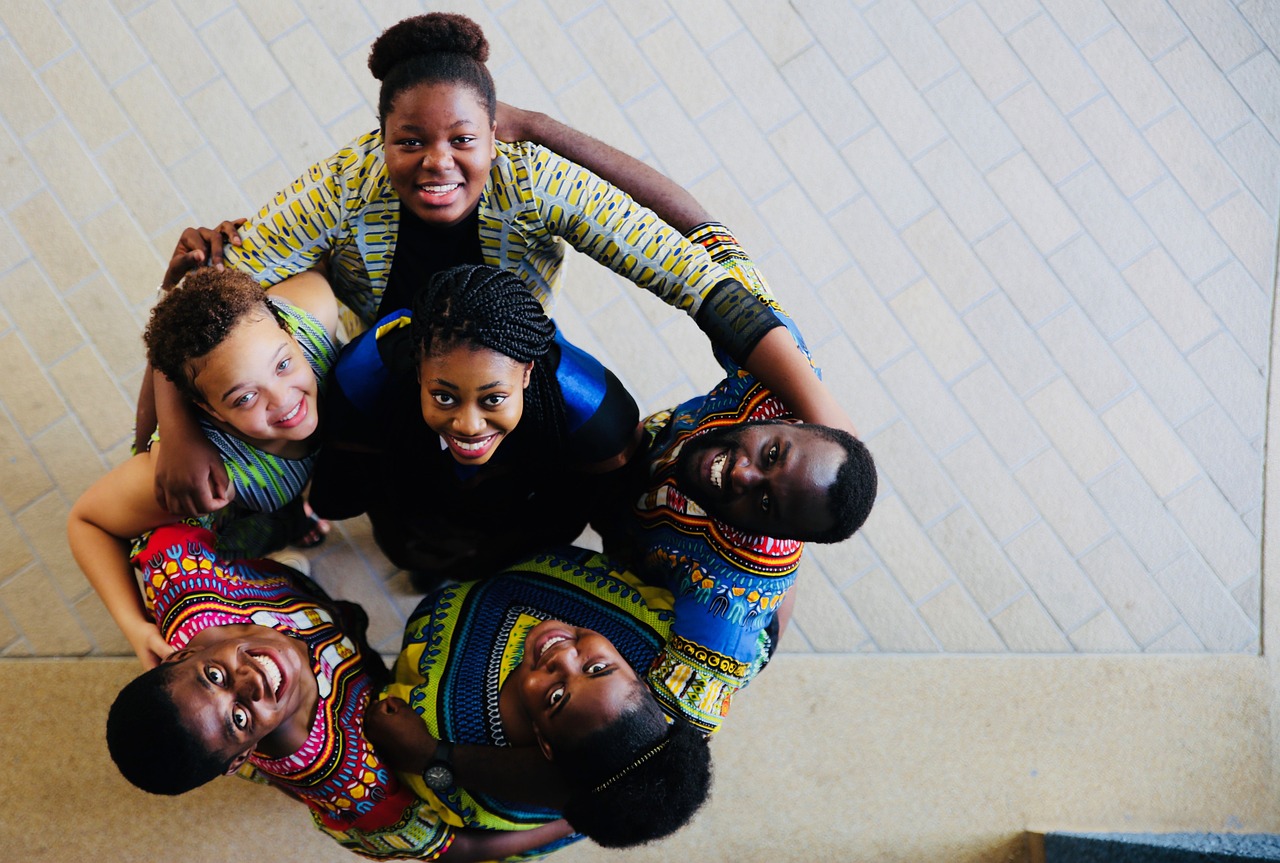
For many, communities symbolise unity and empowerment, they are extended chosen families which instil joy and peace in our lives. They create a sense of belonging in environments where historically people may have been excluded.
Within the UK there are numerous communities working to promote joy, unity and empowerment. These communities can be found in many forms, through neighbourhoods, employment, hobbies, grassroots movements, and social clubs. There is something for everyone who may be seeking their tribe.
Communities thrive from strong leadership and role models, people who unite and motivate others to achieve their dreams. Leaders tend to be reflective of their communities and as a result empower their members to attain similar standards and work ethics as seeing people who ‘look like you’ can empower and motivate people to aspire to being in similar roles. For many, particularly those from underrepresented groups, role models from similar backgrounds ‘can change the course of [their] life: instilling confidence, inspiring others, and creating space for the underrepresented.’
Let’s examine some amazing communities and grassroots movements, the work they are doing to improve lives and the amazing leaders they have.
Bristol based charity, Babbasa, is a prominent organisation with a proven track record in empowering youth from underrepresented young people.
Their three core programs – Support, Challenge, and Placement – offer a range of soft skills training, mentoring opportunities, career-oriented events, and personalised recruitment assistance for young people. By allowing young people to progress at their own pace, these initiatives create a clear pathway for participants to enhance confidence, develop skills, establish connections with employers and mentors, and gain valuable workplace experience. Babbasa’s success is evidenced by numerous awards and a robust network of over 500 organisations spanning various sectors. To date, they have positively impacted over 2,200 young individuals from diverse cultural backgrounds, aiding them in achieving their professional goals.[3]
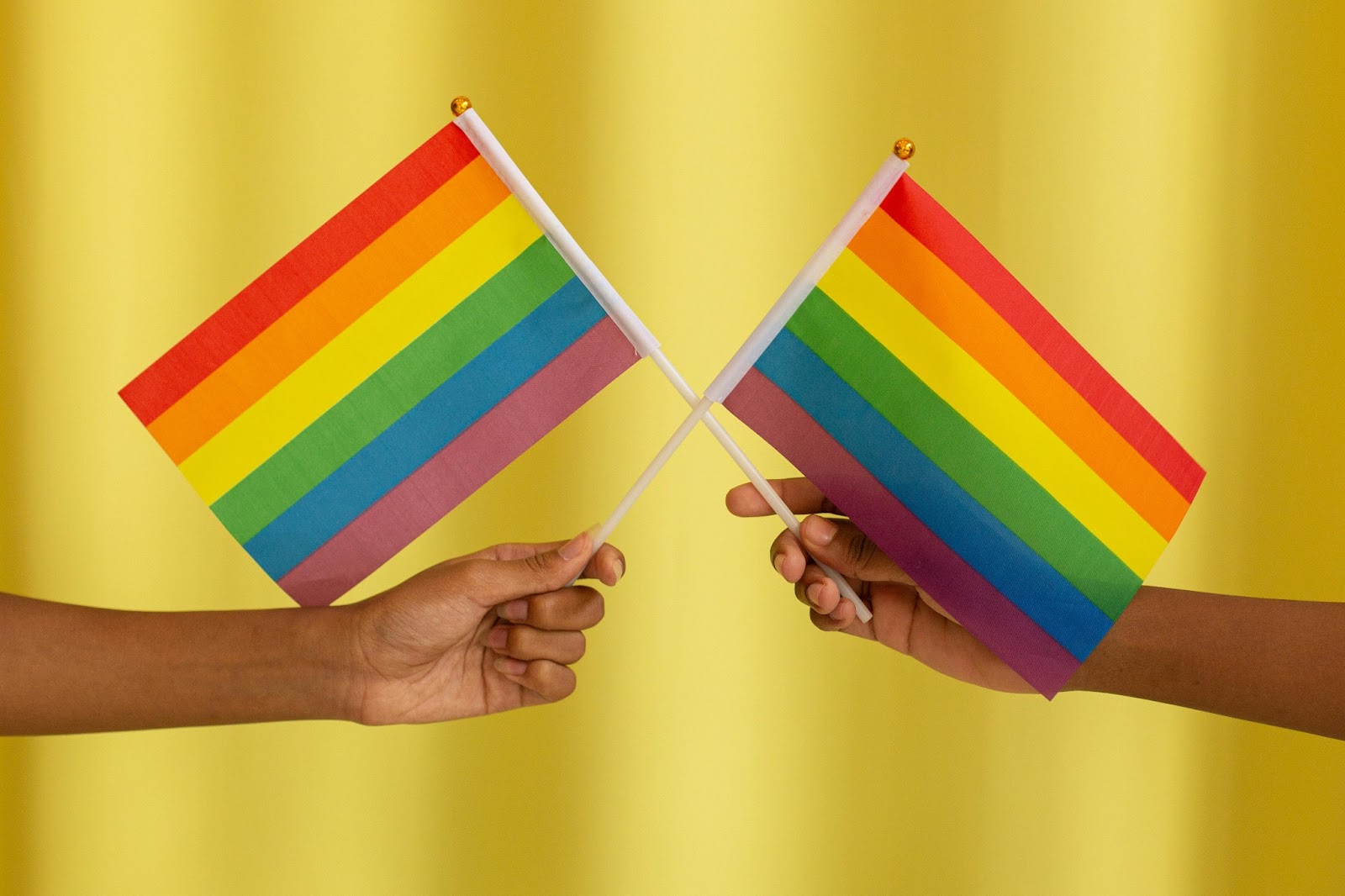
UK Black Pride (UKBP) is the world’s largest celebration for LGBTQI+ people of African, Asian, Caribbean, Latin American and Middle Eastern-descent.
Co-founded by Lady Phyll (Phyll Opoku-Gyimah) in 2005, it began as a safe space for Black queer women. Today, UK Black Pride’s mission is ‘strength through unity’.[4]
For many in the LGBTQI+ community it offers a space for people to ‘feel seen and validated’ as stated by a member. Oftentimes, Black queer people are expected to ‘compromise’ themselves in order to ‘fit into certain spaces’. UKBP celebrates intersecting identities and has created a safe community for many marginalised groups.[5]
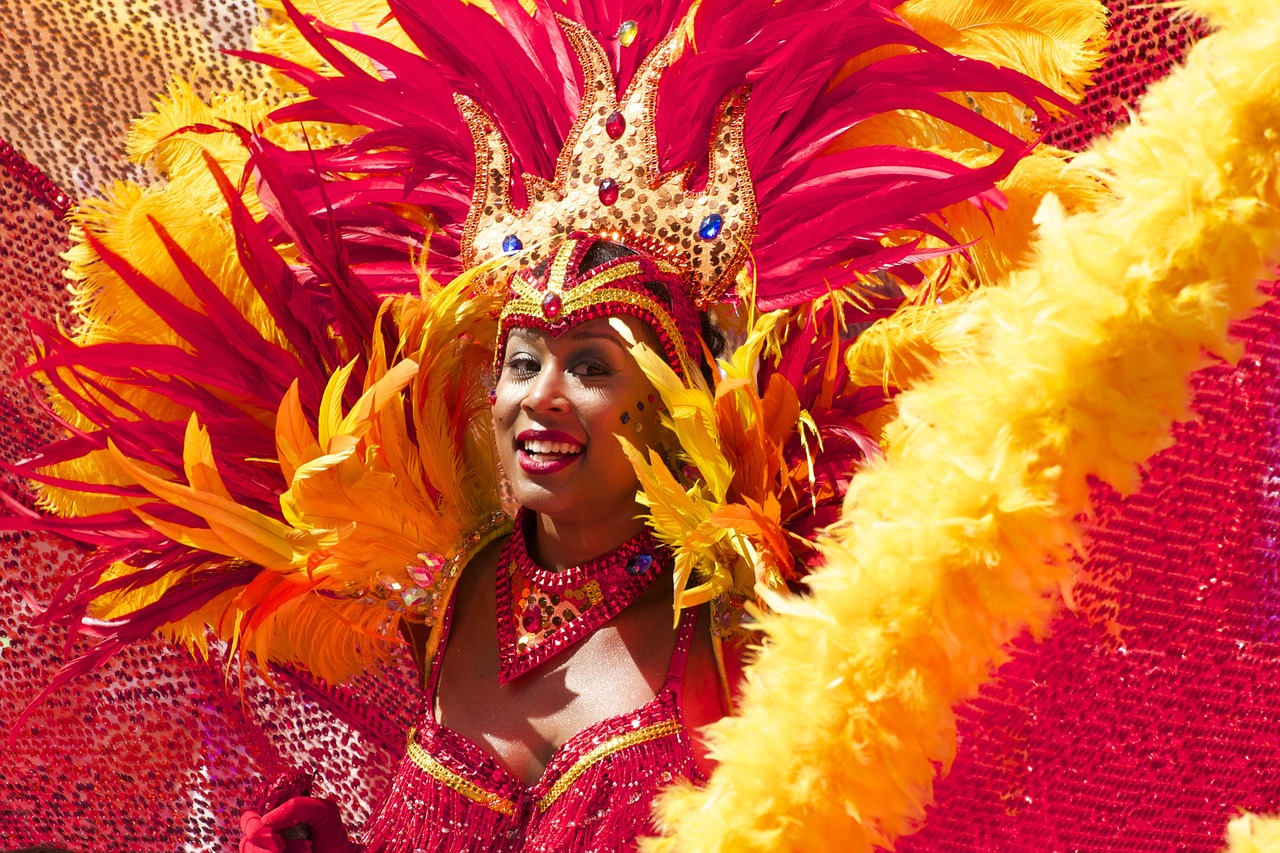
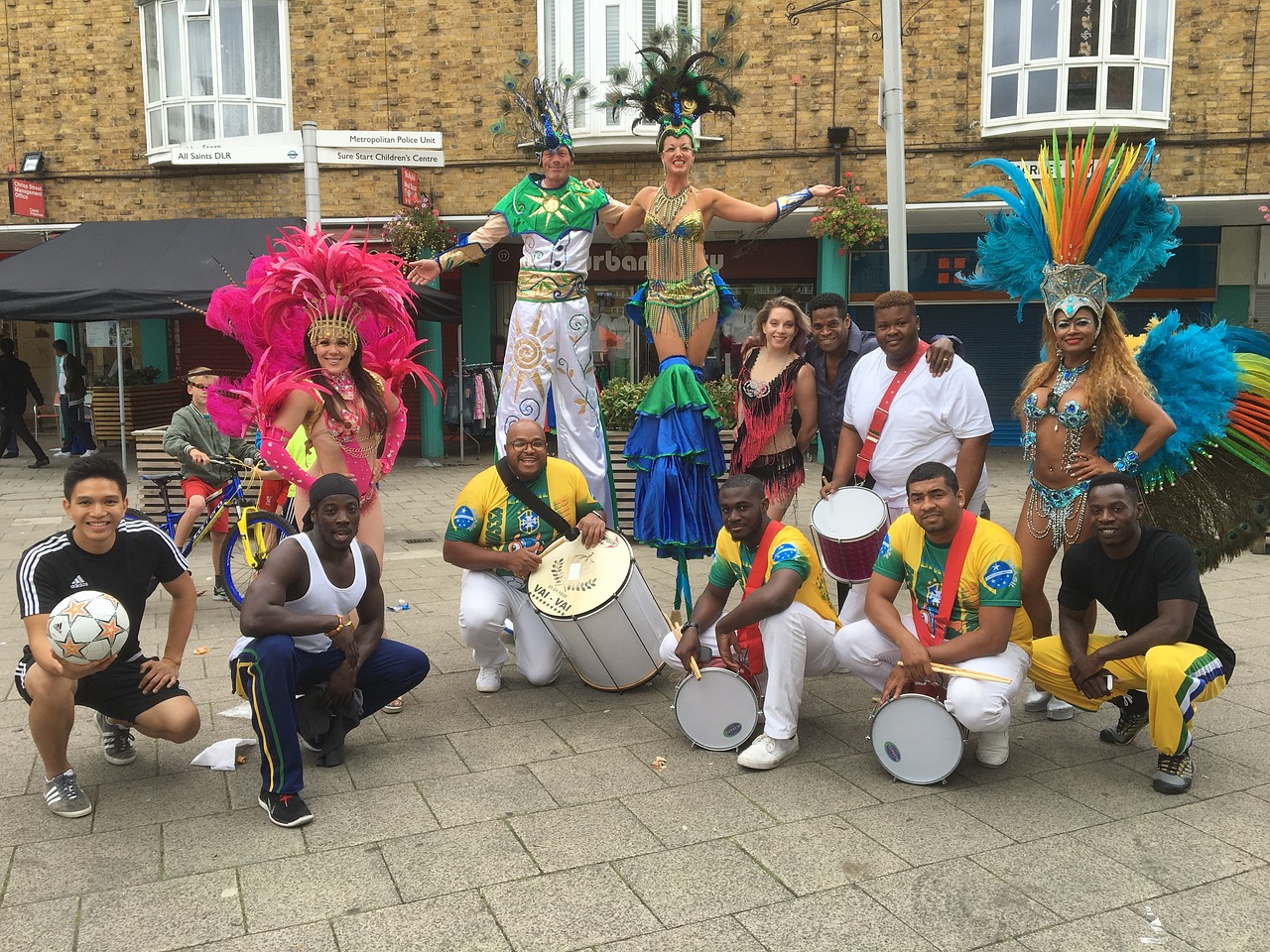
London based Notting Hill Carnival celebrates the resilience, cultural diversity and the rich history of the Caribbean communities of London. It has its origins in the carnival traditions of the Caribbean and the social and political conditions of the post-1948 migration of peoples from the Caribbean to Britain. Following the arrival of the SS Empire Windrush in 1948, more than 300,000 people from the Caribbean settled in Britain. By the 1950s, Brixton and Notting Hill had the largest population of Caribbean people in Britain.[6]
Claudia Jones, a Trinidadian human rights activist, is credited with introducing Carnival and creating the space for Caribbean people to celebrate their heritage during times of prevalent racial tension and discrimination.
In 2023, an estimated 1.5 million attended and experienced the sense of global community that Carnival brings. Notting Hill Carnival is still proudly a community-led event, its ever-increasing popularity over the last 5 decades has seen it become the wonderfully diverse and vibrant event it is today. [7]
These communities showcase the power of resilience and perseverance in forming and sustaining groups, particularly among marginalised communities. Despite enduring years of oppression, they are now led by influential figures who work tirelessly to challenge societal perceptions and uplift their communities.
Community Empowerment:
Explore stories of community initiatives, grassroots movements in the UK, and organisations that focus on promoting joy, unity, and empowerment.
Highlight the positive impact of community leaders and role models
What does community mean to you?
Cambridge Dictionary: ‘the people living in one particular area or people who are considered as a unit because of their common interests, social group, or nationality’
For many, communities symbolise unity and empowerment, they are extended chosen families which instil joy and peace in our lives. They create a sense of belonging in environments where historically people may have been excluded.
Within the UK there are numerous communities working to promote joy, unity and empowerment. These communities can be found in many forms, through neighbourhoods, employment, hobbies, grassroots movements, and social clubs. There is something for everyone who may be seeking their tribe.
Communities thrive from strong leadership and role models, people who unite and motivate others to achieve their dreams. Leaders tend to be reflective of their communities and as a result empower their members to attain similar standards and work ethics as seeing people who ‘look like you’ can empower and motivate people to aspire to being in similar roles. For many, particularly those from underrepresented groups, role models from similar backgrounds ‘can change the course of [their] life: instilling confidence, inspiring others, and creating space for the underrepresented.’
Let’s examine some amazing communities and grassroots movements, the work they are doing to improve lives and the amazing leaders they have.
Bristol based charity, Babbasa, is a prominent organisation with a proven track record in empowering youth from underrepresented young people.
Their three core programs – Support, Challenge, and Placement – offer a range of soft skills training, mentoring opportunities, career-oriented events, and personalised recruitment assistance for young people. By allowing young people to progress at their own pace, these initiatives create a clear pathway for participants to enhance confidence, develop skills, establish connections with employers and mentors, and gain valuable workplace experience. Babbasa’s success is evidenced by numerous awards and a robust network of over 500 organisations spanning various sectors. To date, they have positively impacted over 2,200 young individuals from diverse cultural backgrounds, aiding them in achieving their professional goals.[3]
UK Black Pride (UKBP) is the world’s largest celebration for LGBTQI+ people of African, Asian, Caribbean, Latin American and Middle Eastern-descent.
Co-founded by Lady Phyll (Phyll Opoku-Gyimah) in 2005, it began as a safe space for Black queer women. Today, UK Black Pride’s mission is ‘strength through unity’.[4]
For many in the LGBTQI+ community it offers a space for people to ‘feel seen and validated’ as stated by a member. Oftentimes, Black queer people are expected to ‘compromise’ themselves in order to ‘fit into certain spaces’. UKBP celebrates intersecting identities and has created a safe community for many marginalised groups.[5]
London based Notting Hill Carnival celebrates the resilience, cultural diversity and the rich history of the Caribbean communities of London. It has its origins in the carnival traditions of the Caribbean and the social and political conditions of the post-1948 migration of peoples from the Caribbean to Britain. Following the arrival of the SS Empire Windrush in 1948, more than 300,000 people from the Caribbean settled in Britain. By the 1950s, Brixton and Notting Hill had the largest population of Caribbean people in Britain.[6]
Claudia Jones, a Trinidadian human rights activist, is credited with introducing Carnival and creating the space for Caribbean people to celebrate their heritage during times of prevalent racial tension and discrimination.
In 2023, an estimated 1.5 million attended and experienced the sense of global community that Carnival brings. Notting Hill Carnival is still proudly a community-led event, its ever-increasing popularity over the last 5 decades has seen it become the wonderfully diverse and vibrant event it is today. [7]
These communities showcase the power of resilience and perseverance in forming and sustaining groups, particularly among marginalised communities. Despite enduring years of oppression, they are now led by influential figures who work tirelessly to challenge societal perceptions and uplift their communities.
Explore the joy and empowerment found in expressing cultural identity through fashion.
Black British Fashion
The phrase ‘Often Imitated, Never Duplicated’ captures the essence of Black British fashion and its global influence. While many may attempt to replicate the style, the originality and authenticity of Black fashion trends remain unparalleled. The unique blend of cultural heritage, innovation, and self-expression within Black UK fashion sets it apart, making it a trendsetter that resonates on an international scale.
From pioneering designers like Walé Adeyemi, to trailblazing models like Naomi Campbell, Black British individuals have played an integral role in shaping the fashion landscape.
The Influence of the Windrush Generation
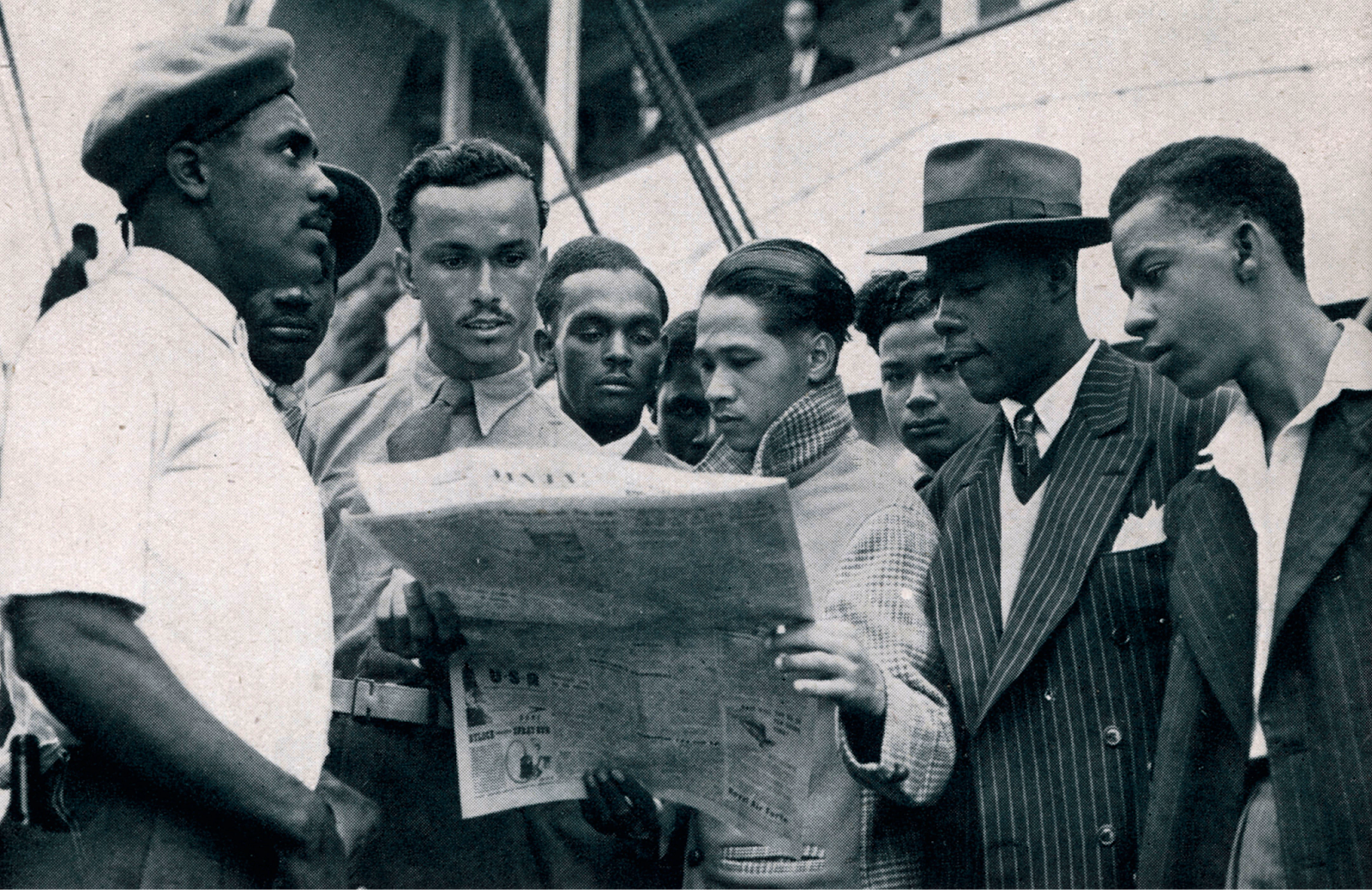
[1948: Jamaicans on board the Empire Windrush, copyright Illustrated London News Ltd. Mary Evans]
The Windrush generation, on arriving in the UK, brought with them a rich tapestry of new skills, styles and fashions. Seamlessly integrating their cultural heritage into the fabric of British society, enriching the fashion landscape with vibrant and diverse influences. For instance, The Zoot suit was often worn by Caribbean men and consisted of high waisted, wide-legged trousers, worn with a long jacket.
Many aboard the HMT Empire Windrush brought with them the rich tradition of clothes-making, from shoemakers to tailors, each individual brought expertise to their new home. Despite facing racism, they sought to establish a new sense of identity in the UK. Their fashion choices reflected a blend of international influences, showcasing pride and determination.
Alethea McNish, born in Trinidad and moved to the UK in the 50’s was known for her colourful designs which stood out in the post-war period. She often worked with large fashion houses such as Christian Dior.
Today’s Trailblazers
Nigerian-British designers such as Fisayo Longe and Clint Ogbenna, have made significant strides in the fashion industry, establishing successful businesses that have dressed celebrities such as Saweetie and Drake. Their entrepreneurial endeavours not only showcase their talent and creativity but also contribute to shaping contemporary fashion trends and influencing popular culture.
Their creative expressions blend elements of African and Caribbean heritage with contemporary British aesthetics, offering a fresh perspective that resonates across diverse communities. Through their bold designs, vibrant colours, and innovative approaches, they challenge norms, celebrate diversity, and redefine standards of beauty.
Black British Women’s Influence
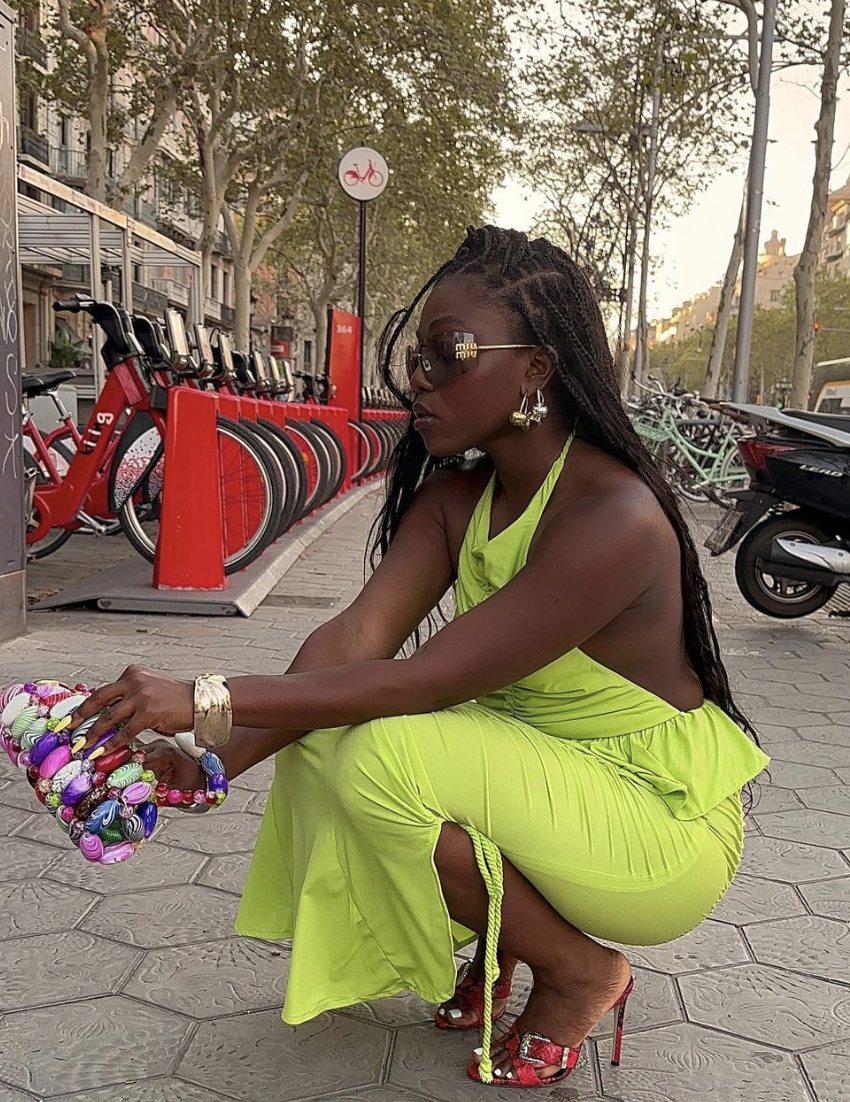
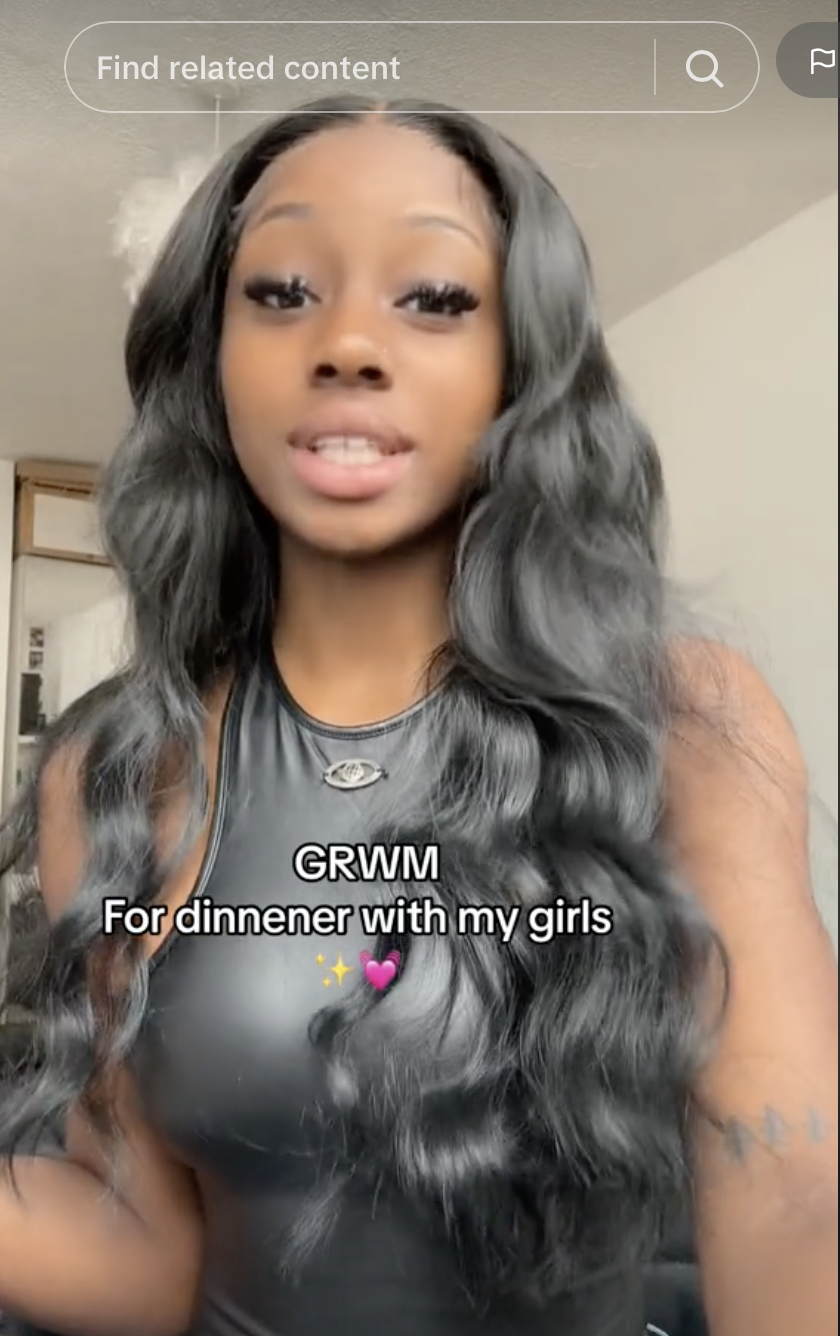
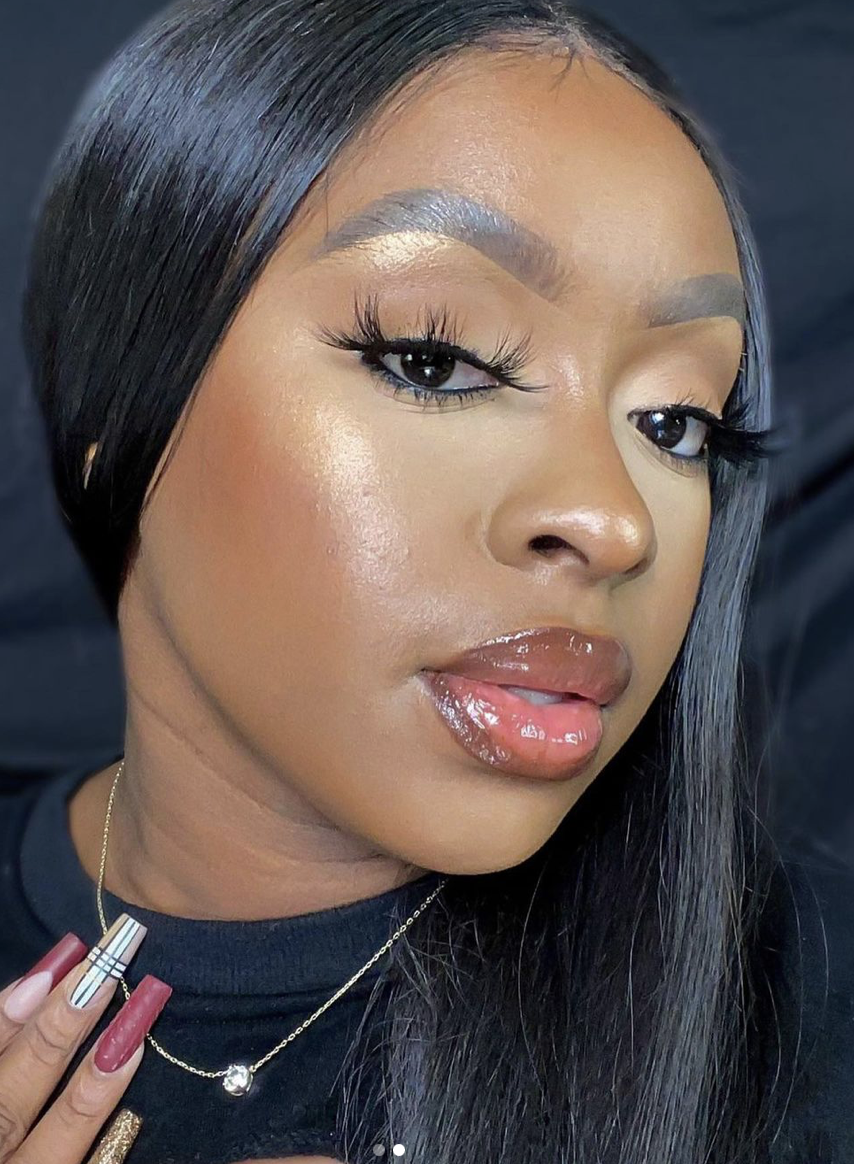
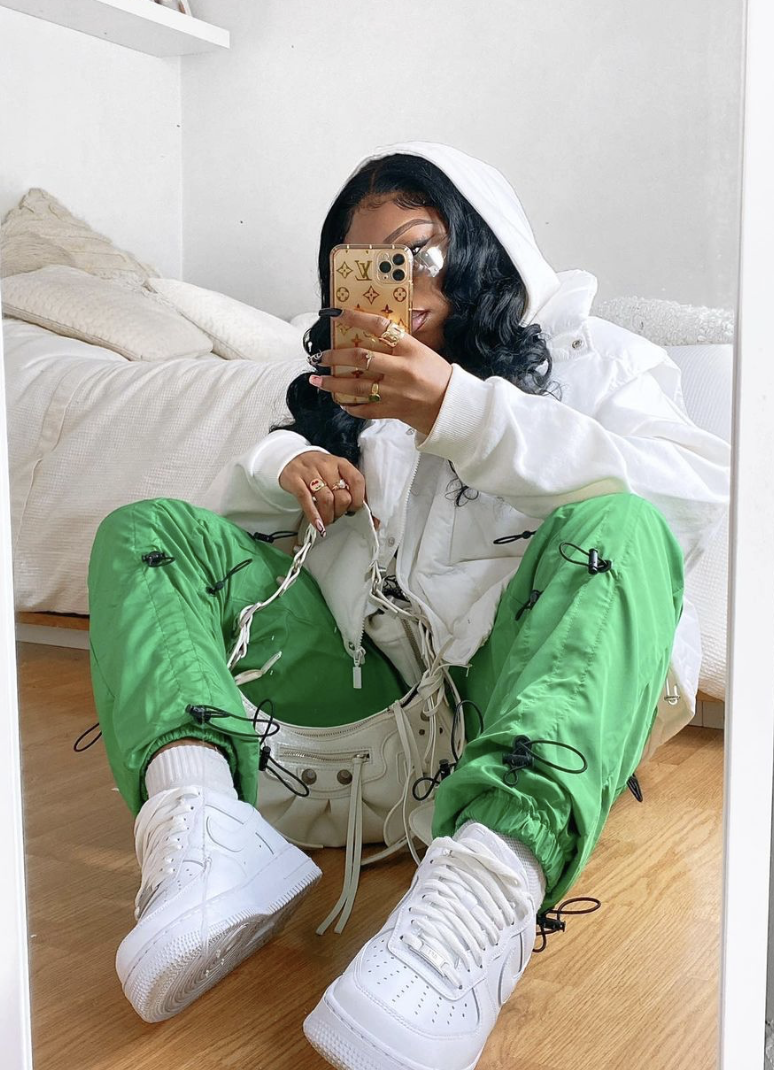
Black British women are increasingly influential in shaping global fashion trends, with their impact amplified by social media platforms. Captivating “get ready with me” videos are used to authentically express themselves, showcasing unique styles and perspectives that resonate with diverse audiences worldwide in real-time, underscoring the relevance and power of their influence in today’s fashion landscape.
Women are celebrated for their exceptional fashion sense and the significant impact it exerts on the global stage. This is evident in hashtags such as #UKBlackGirlAesthetic, boasting over 1000 posts dedicated to showcasing the distinctive styles of Black women in the UK, highlighting their unique fashion expressions that set them apart from counterparts in other regions across the globe.
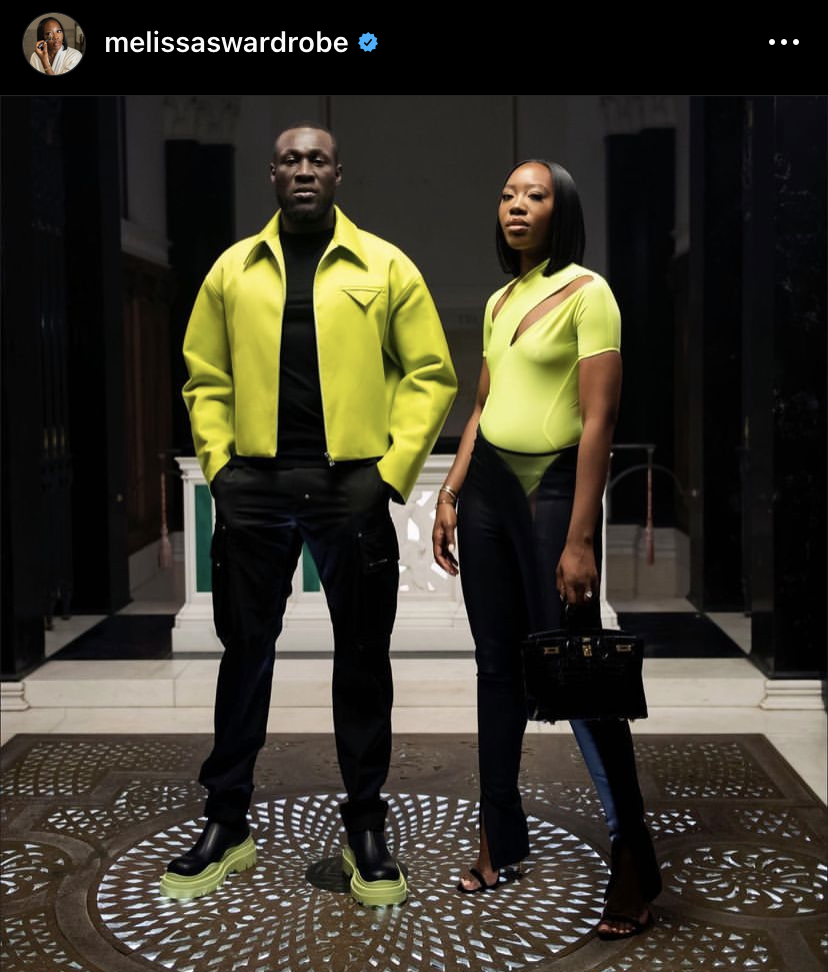
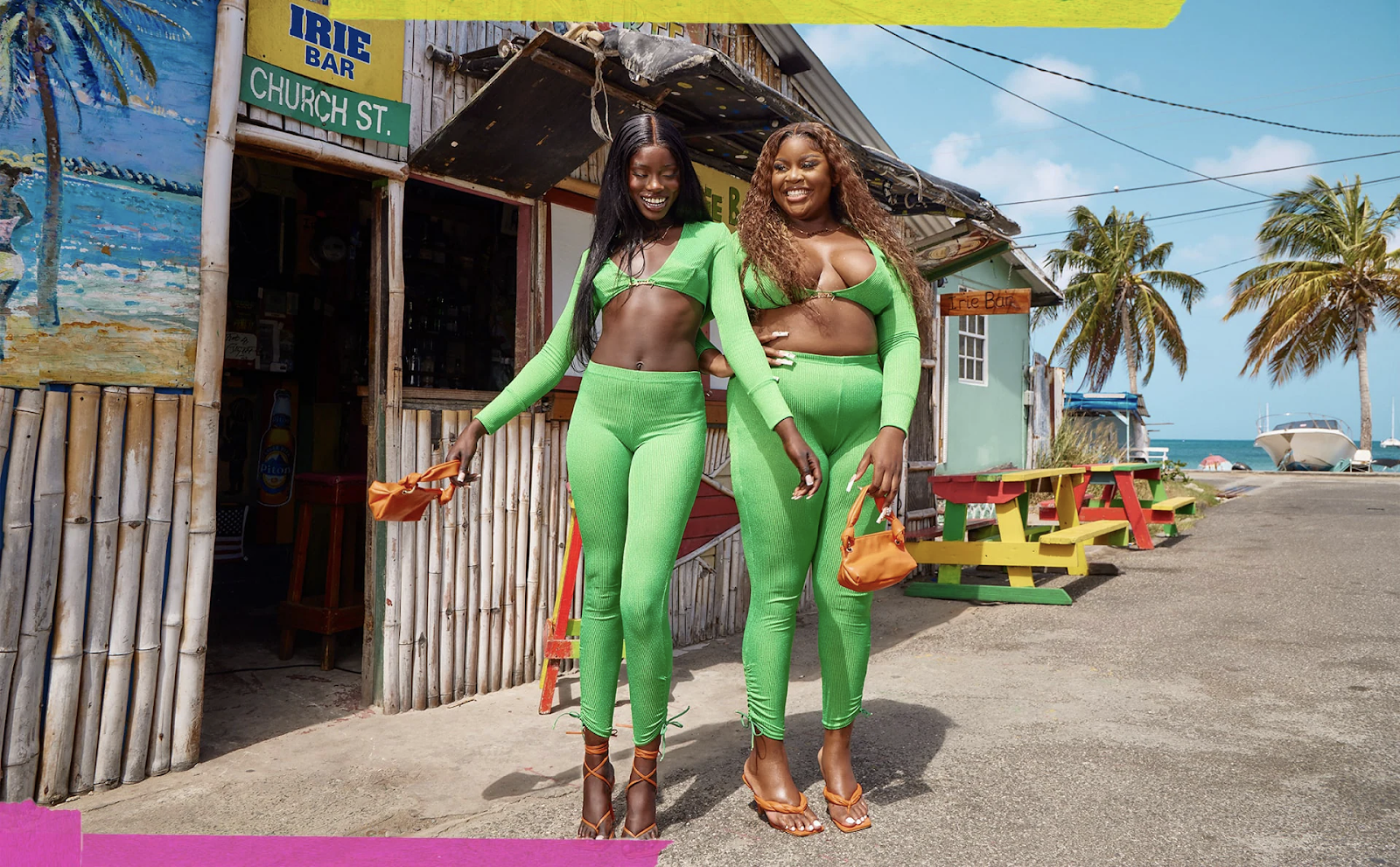
Influencers such as celebrity fashion stylist, Melissa Holdbrook-Akposoe of Melissa’s Wardrobe and Nella Rose, are driving trends in the UK through popular “try on hauls,” where they showcase their favourite clothing items and highlight standout shops. These videos often go viral, significantly influencing the fashion landscape and the trends embraced by individuals across the country.
Their influence has garnered immense popularity, leading them to partner with global brands and even launch their own fashion lines. These lines not only reflect their personal style but also serve as a platform to influence trends centred around joy and empowerment. Through their fashion endeavours, they continue to inspire and uplift others, spreading body positivity and confidence throughout the industry.
[Melissa’s Wardrobe on Instagram] + [Pretty Little Thing x Nella Rose Collaboration]
Black British Men’s Influence
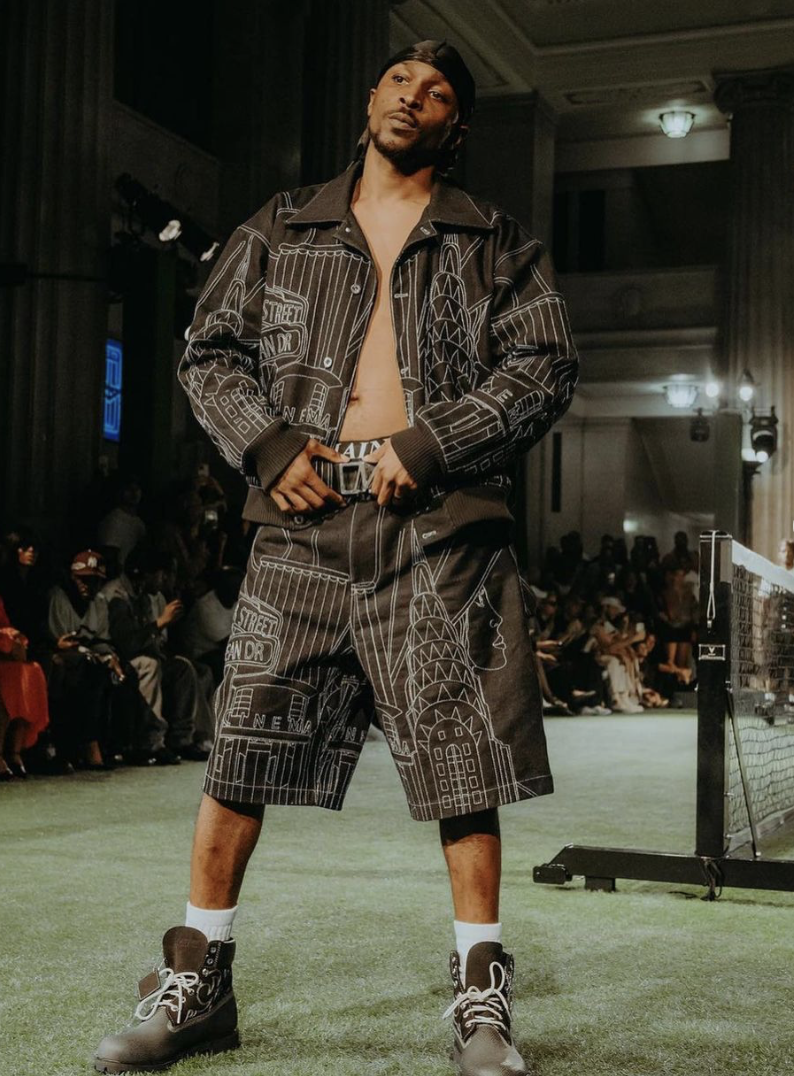
A standout figure in contemporary British fashion is Skepta, also known as Joseph Adenuga, renowned as a fashion icon and a regular presence at London Fashion Week. His distinct style has earned him recognition as one of Britain’s best-dressed men.
This year, Skepta expanded his influence with the launch of Mains London, a ready-to-wear line debuting at London Fashion Week. Blending streetwear with sophistication, his collection captivated audiences and critics alike, challenging norms and reflecting the diversity of British culture.
Skepta’s venture into fashion marks a significant milestone, reshaping the landscape of British fashion with his innovative designs and creative vision. As a trailblazer in both music and fashion, Skepta embodies the spirit of self-expression at the core of Black British identity.
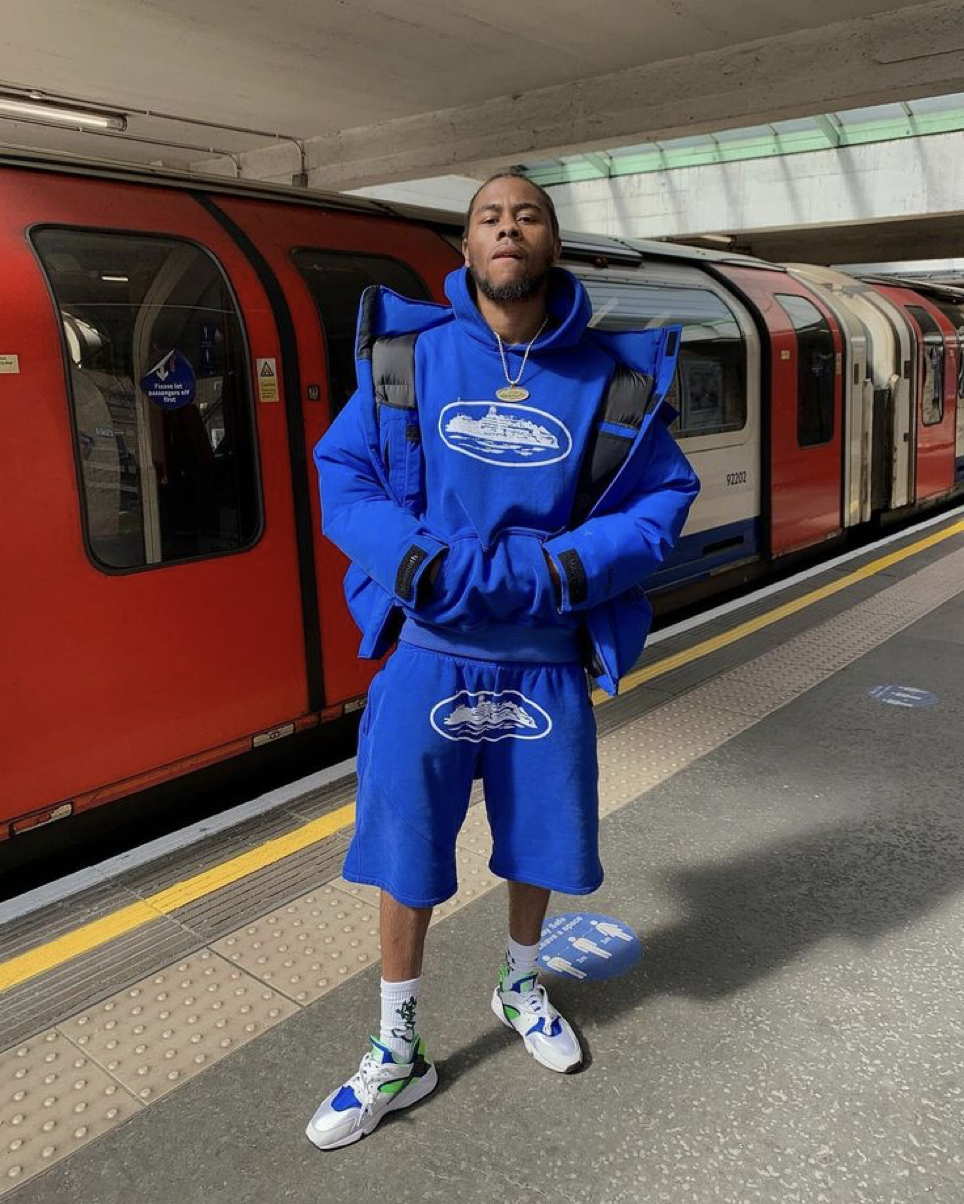
The association between Black men and puffer jackets, as well as designer tracksuits influenced by Grime music, creates a symbiotic relationship where fashion trends inspire and are inspired by cultural movements. Celebrities, alongside the youth who admire them, play a pivotal role in shaping these trends, with their style choices setting the tone for broader fashion landscapes. Music videos serve as influential platforms, promoting particular images that subsequently permeate social settings and communities, reinforcing and amplifying these fashion statements.
The incorporation of sportswear into contemporary youth culture in the UK by Grime artists is increasingly prevalent and robust. From Skepta’s highly anticipated collections with Nike, to Stormzy’s Adidas collaboration, their influence is undeniable and continues to grow stronger with each passing day.
The discussion surrounding professionalism and appropriateness in fashion, particularly in the UK, is complex and often contentious. There are negative associations attached to certain styles, such as streetwear commonly worn by many Black men in London, which can be unfairly linked to antisocial behaviour or the stereotype of ‘roadmen.’
On the other hand, hairstyles like cornrows and other protective styles, prevalent among individuals of African and Caribbean descent, are consistent within the community but not outside of it, often deemed unprofessional.
However, when these styles are adopted by white individuals or fashion designers, they are often perceived as edgy streetwear or high-fashion statements, receiving praise and attention during fashion weeks. This disparity highlights broader issues of cultural appropriation and the double standards that persist within the fashion industry. Another example being Balaclavas- seen negatively on Black individuals but perfect for high fashion brands like Gucci’s runways.
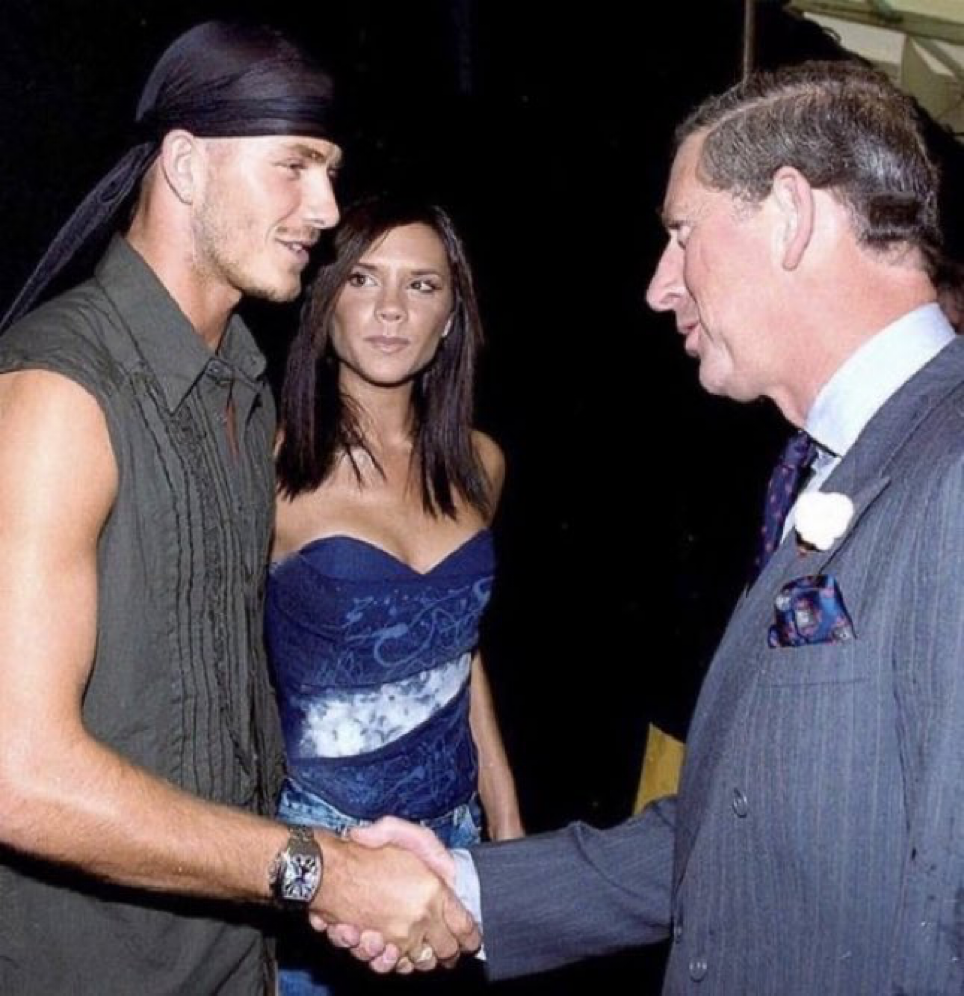
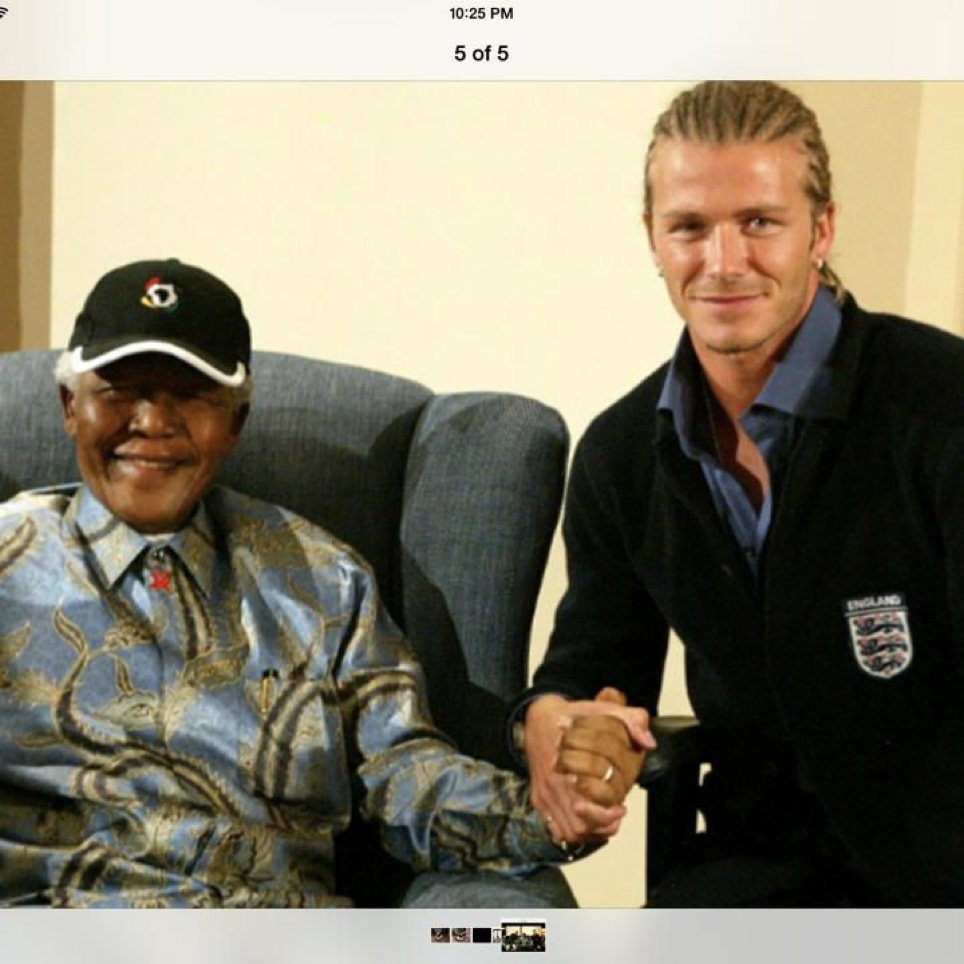
Celebrities like David Beckham have sparked conversations by incorporating traditionally Black accessories into their fashion choices. For instance, Beckham notably wore a durag during a meeting with the now King of England, and he also styled his hair in cornrows when meeting Nelson Mandela. Growing up in London, Beckham’s fashion influences are deeply rooted in the diverse cultural landscape of the city. However, Beckham has expressed ‘regret’ over his past fashion choices, particularly the cornrows, acknowledging that they may have been perceived as ‘unprofessional’, especially in formal settings. Such rhetoric is “anti-Black” and dangerous to Black people and Black culture as individuals may be victims of discrimination because of their hairstyles in “professional” settings. Beckham’s fashion choices highlight the ongoing dialogue about cultural appropriation and the importance of understanding the cultural significance of certain fashion choices.
Recognising Trailblazers
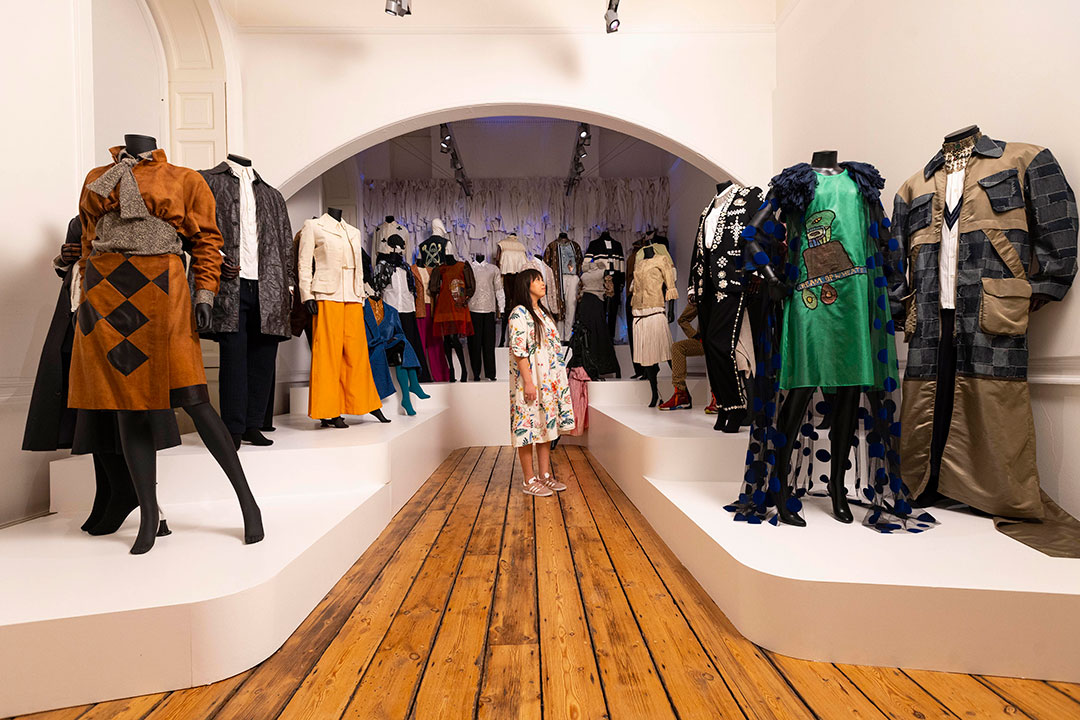
In September 2023, as London Fashion Week drew to a close, Somerset House unveiled a groundbreaking exhibition titled “The Missing Thread: Untold Stories of Black British Fashion.” This exhibition aimed to celebrate the last 50 years of British fashion while shining a spotlight on the often-overlooked successes and influence of Black designers and the evolution of Black British fashion.
Curated by the Black Orientated Legacy Development Agency (BOLD), a dynamic creative and design development agency, the exhibition sought to catalyse structural and institutional change within the fashion industry and beyond. BOLD, conceived by visionaries Andrew Ibi, Harris Elliot, and Jason Jules, is dedicated to championing diversity, equity, and inclusion within the creative sphere.
Through compelling storytelling and visually arresting displays, “The Missing Thread” offered a platform to showcase the remarkable contributions of Black designers and creatives, shedding light on their impact on British fashion history and their enduring legacy. By amplifying these voices and narratives, the exhibition served as a powerful catalyst for dialogue, reflection, and action, driving forward a more inclusive and equitable future for the fashion industry.
The clothing choices and styling preferences of Black individuals should be regarded with respect. There’s a pressing need for less appropriation and more appreciation to recognise the cultural influence of Black people, not only within UK fashion but also on a global scale.
Black British Fashion Due 15th Of Feb:
Highlight the influence of Black British fashion and style on global trends.
Explore the joy and empowerment found in expressing cultural identity through fashion.
Black British Fashion
The phrase ‘Often Imitated, Never Duplicated’ captures the essence of Black British fashion and its global influence. While many may attempt to replicate the style, the originality and authenticity of Black fashion trends remain unparalleled. The unique blend of cultural heritage, innovation, and self-expression within Black UK fashion sets it apart, making it a trendsetter that resonates on an international scale.
From pioneering designers like Walé Adeyemi, to trailblazing models like Naomi Campbell, Black British individuals have played an integral role in shaping the fashion landscape.
The Influence of the Windrush Generation
[1948: Jamaicans on board the Empire Windrush, copyright Illustrated London News Ltd. Mary Evans]
The Windrush generation, on arriving in the UK, brought with them a rich tapestry of new skills, styles and fashions. Seamlessly integrating their cultural heritage into the fabric of British society, enriching the fashion landscape with vibrant and diverse influences. For instance, The Zoot suit was often worn by Caribbean men and consisted of high waisted, wide-legged trousers, worn with a long jacket.
Many aboard the HMT Empire Windrush brought with them the rich tradition of clothes-making, from shoemakers to tailors, each individual brought expertise to their new home. Despite facing racism, they sought to establish a new sense of identity in the UK. Their fashion choices reflected a blend of international influences, showcasing pride and determination.
Alethea McNish, born in Trinidad and moved to the UK in the 50’s was known for her colourful designs which stood out in the post-war period. She often worked with large fashion houses such as Christian Dior.
Today’s Trailblazers
Nigerian-British designers such as Fisayo Longe and Clint Ogbenna, have made significant strides in the fashion industry, establishing successful businesses that have dressed celebrities such as Saweetie and Drake. Their entrepreneurial endeavours not only showcase their talent and creativity but also contribute to shaping contemporary fashion trends and influencing popular culture.
Their creative expressions blend elements of African and Caribbean heritage with contemporary British aesthetics, offering a fresh perspective that resonates across diverse communities. Through their bold designs, vibrant colours, and innovative approaches, they challenge norms, celebrate diversity, and redefine standards of beauty.
Black British Women’s Influence
Black British women are increasingly influential in shaping global fashion trends, with their impact amplified by social media platforms. Captivating “get ready with me” videos are used to authentically express themselves, showcasing unique styles and perspectives that resonate with diverse audiences worldwide in real-time, underscoring the relevance and power of their influence in today’s fashion landscape.
Women are celebrated for their exceptional fashion sense and the significant impact it exerts on the global stage. This is evident in hashtags such as #UKBlackGirlAesthetic, boasting over 1000 posts dedicated to showcasing the distinctive styles of Black women in the UK, highlighting their unique fashion expressions that set them apart from counterparts in other regions across the globe.
Influencers such as celebrity fashion stylist, Melissa Holdbrook-Akposoe of Melissa’s Wardrobe and Nella Rose, are driving trends in the UK through popular “try on hauls,” where they showcase their favourite clothing items and highlight standout shops. These videos often go viral, significantly influencing the fashion landscape and the trends embraced by individuals across the country.
Their influence has garnered immense popularity, leading them to partner with global brands and even launch their own fashion lines. These lines not only reflect their personal style but also serve as a platform to influence trends centred around joy and empowerment. Through their fashion endeavours, they continue to inspire and uplift others, spreading body positivity and confidence throughout the industry.
[Melissa’s Wardrobe on Instagram] + [Pretty Little Thing x Nella Rose Collaboration]
Black British Men’s Influence
A standout figure in contemporary British fashion is Skepta, also known as Joseph Adenuga, renowned as a fashion icon and a regular presence at London Fashion Week. His distinct style has earned him recognition as one of Britain’s best-dressed men.
This year, Skepta expanded his influence with the launch of Mains London, a ready-to-wear line debuting at London Fashion Week. Blending streetwear with sophistication, his collection captivated audiences and critics alike, challenging norms and reflecting the diversity of British culture.
Skepta’s venture into fashion marks a significant milestone, reshaping the landscape of British fashion with his innovative designs and creative vision. As a trailblazer in both music and fashion, Skepta embodies the spirit of self-expression at the core of Black British identity.
The association between Black men and puffer jackets, as well as designer tracksuits influenced by Grime music, creates a symbiotic relationship where fashion trends inspire and are inspired by cultural movements. Celebrities, alongside the youth who admire them, play a pivotal role in shaping these trends, with their style choices setting the tone for broader fashion landscapes. Music videos serve as influential platforms, promoting particular images that subsequently permeate social settings and communities, reinforcing and amplifying these fashion statements.
The incorporation of sportswear into contemporary youth culture in the UK by Grime artists is increasingly prevalent and robust. From Skepta’s highly anticipated collections with Nike, to Stormzy’s Adidas collaboration, their influence is undeniable and continues to grow stronger with each passing day.
The discussion surrounding professionalism and appropriateness in fashion, particularly in the UK, is complex and often contentious. There are negative associations attached to certain styles, such as streetwear commonly worn by many Black men in London, which can be unfairly linked to antisocial behaviour or the stereotype of ‘roadmen.’
On the other hand, hairstyles like cornrows and other protective styles, prevalent among individuals of African and Caribbean descent, are consistent within the community but not outside of it, often deemed unprofessional.
However, when these styles are adopted by white individuals or fashion designers, they are often perceived as edgy streetwear or high-fashion statements, receiving praise and attention during fashion weeks. This disparity highlights broader issues of cultural appropriation and the double standards that persist within the fashion industry. Another example being Balaclavas- seen negatively on Black individuals but perfect for high fashion brands like Gucci’s runways.
Celebrities like David Beckham have sparked conversations by incorporating traditionally Black accessories into their fashion choices. For instance, Beckham notably wore a durag during a meeting with the now King of England, and he also styled his hair in cornrows when meeting Nelson Mandela. Growing up in London, Beckham’s fashion influences are deeply rooted in the diverse cultural landscape of the city. However, Beckham has expressed ‘regret’ over his past fashion choices, particularly the cornrows, acknowledging that they may have been perceived as ‘unprofessional’, especially in formal settings. Such rhetoric is “anti-Black” and dangerous to Black people and Black culture as individuals may be victims of discrimination because of their hairstyles in “professional” settings. Beckham’s fashion choices highlight the ongoing dialogue about cultural appropriation and the importance of understanding the cultural significance of certain fashion choices.
Recognising Trailblazers
In September 2023, as London Fashion Week drew to a close, Somerset House unveiled a groundbreaking exhibition titled “The Missing Thread: Untold Stories of Black British Fashion.” This exhibition aimed to celebrate the last 50 years of British fashion while shining a spotlight on the often-overlooked successes and influence of Black designers and the evolution of Black British fashion.
Curated by the Black Orientated Legacy Development Agency (BOLD), a dynamic creative and design development agency, the exhibition sought to catalyse structural and institutional change within the fashion industry and beyond. BOLD, conceived by visionaries Andrew Ibi, Harris Elliot, and Jason Jules, is dedicated to championing diversity, equity, and inclusion within the creative sphere.
Through compelling storytelling and visually arresting displays, “The Missing Thread” offered a platform to showcase the remarkable contributions of Black designers and creatives, shedding light on their impact on British fashion history and their enduring legacy. By amplifying these voices and narratives, the exhibition served as a powerful catalyst for dialogue, reflection, and action, driving forward a more inclusive and equitable future for the fashion industry.
The clothing choices and styling preferences of Black individuals should be regarded with respect. There’s a pressing need for less appropriation and more appreciation to recognise the cultural influence of Black people, not only within UK fashion but also on a global scale.
In the ongoing conversation about mental health, one crucial aspect often overlooked is the unique intersectionality experienced by the Black community. From systemic racism to historical trauma and cultural stigmas, Black mental health faces multifaceted challenges that demand attention and action. In this blog post, we delve into why Black mental health matters and explore the key factors contributing to its significance.
Systemic Racism: A Barrier to Mental Wellness
Systemic racism pervades various aspects of society, including healthcare systems, education, employment, and criminal justice. In the context of mental health, Black individuals often encounter discriminatory practices that hinder their access to quality care and support.
Studies consistently highlight racial disparities in mental health treatment, with Black Brits receiving less adequate care compared to their white counterparts. This inequity is compounded by factors such as implicit bias among healthcare providers, lack of culturally competent services, and unequal distribution of resources in predominantly Black communities.
Moreover, experiences of racism and discrimination contribute significantly to the psychological distress experienced by Black individuals. The cumulative effects of microaggressions, racial profiling, and systemic injustices can lead to increased rates of anxiety, depression, and post-traumatic stress disorder (PTSD) within the Black community.
Historical Trauma: Healing Generational Wounds
The legacy of slavery, segregation, and systemic oppression has left a profound impact on the mental well-being of Black people. Historical trauma refers to the collective emotional and psychological wounds passed down through generations as a result of past atrocities and injustices.
For many Black individuals, the intergenerational trauma stemming from centuries of enslavement, racial violence, and institutionalised racism manifests in various forms of psychological distress. These unresolved traumas can perpetuate cycles of dysfunction, substance abuse, and interpersonal violence within Black families and communities.
Addressing historical trauma requires acknowledgment, validation, and healing on both individual and societal levels. By recognizing the enduring effects of historical injustices, we can create spaces for healing, resilience, and empowerment within the Black community.
Disparities in Access to Care: Bridging the Gap
Access to mental health care remains a significant challenge for many Black individuals due to various socioeconomic barriers and systemic inequalities. Factors such as lack of insurance, transportation limitations, and geographical disparities in mental health services disproportionately affect Black communities, particularly those living in underserved areas.
Additionally, cultural stigma surrounding mental illness often deters Black individuals from seeking help or disclosing their struggles. The fear of being labelled as “weak” or “crazy” within their own communities can further isolate those in need of support.
Efforts to bridge the gap in mental health access must prioritise culturally sensitive interventions, community-based initiatives, and equitable distribution of resources. By dismantling systemic barriers and promoting inclusive, accessible care, we can ensure that Black individuals receive the support they need to thrive.
Cultural Stigma and Spiritual Beliefs: Navigating Complexities
Within many Black cultures, there exists a complex interplay between mental health, spirituality, and cultural beliefs. Traditional healing practices, spiritual rituals, and religious faith often play integral roles in coping with mental illness and distress.
However, stigma surrounding mental health remains pervasive in some Black communities, where issues such as depression or anxiety may be attributed to spiritual causes like “jinns” or “bad spirits.” While spiritual beliefs can offer solace and support, they should not serve as substitutes for evidence-based treatment and professional care.
Breaking the stigma surrounding mental health within Black communities requires open dialogue, education, and de-stigmatisation efforts tailored to cultural contexts. By fostering culturally relevant conversations and promoting understanding of mental health as a holistic concept, we can empower individuals to seek help without fear of judgement or shame.
Breaking the Stigma: Advocating for Change
In conclusion, addressing the complexities of Black mental health requires a multifaceted approach that acknowledges the intersecting influences of systemic racism, historical trauma, access disparities, and cultural stigma. By amplifying Black voices, advocating for policy reform, and investing in culturally competent care, we can work towards a future where Black individuals have equitable access to mental health resources and support.
Together, let us recognise the importance of Black mental health and commit to breaking down the barriers that stand in the way of healing, resilience, and collective well-being. The journey towards equity and justice begins with each of us taking a stand for Black mental health.
As we strive for progress, let us remember the words of Audre Lorde: “Caring for myself is not self-indulgence, it is self-preservation, and that is an act of political warfare.” In prioritising Black mental health, we affirm the inherent value and dignity of every individual, fostering a world where all can thrive
London, UK – April 19, 2024 – Ife Thompson, the esteemed founder of BLAM UK, a leading Non-Profit advocating for Black Language Justice, delivered a compelling address at the United Nations Permanent Forum on People of African Descent. Thompson’s impassioned speech took place during the cultural rights session, where she shed light on the importance of linguistic freedom, protection and justice for Black and Creole Language speakers.
The Permanent Forum, convened by the Office of the United Nations High Commissioner for Human Rights, serves as a critical platform for discussing issues pertinent to people of African descent worldwide. Thompson’s participation underscored the urgency of addressing linguistic discrimination particularly in Schools and Courtrooms and promoting the preservation and celebration of Black languages and dialects.
During her address, Thompson eloquently articulated the ongoing need for Black Language Justice as a fundamental component of cultural preservation and identity affirmation. She emphasized the historical marginalisation of Black languages and the detrimental impact of linguistic prejudice on Black communities globally.
“There can be no cultural rights without Language Justice rights ,” stated Thompson. “Language is not only a means of communication but a powerful tool for, cultural transmission, and resistance against systemic oppression.”
Thompson’s powerful message resonated deeply with attendees, garnering widespread acclaim for its thought-provoking insights and call-to-action for policymakers and stakeholders within the UN Forum to prioritise Black Language Justice initiatives.
BLAM UK remains committed to advancing the cause of Black Language Justice and stands ready to collaborate with international partners and advocates to effect meaningful change.
For media inquiries or further information, please contact:
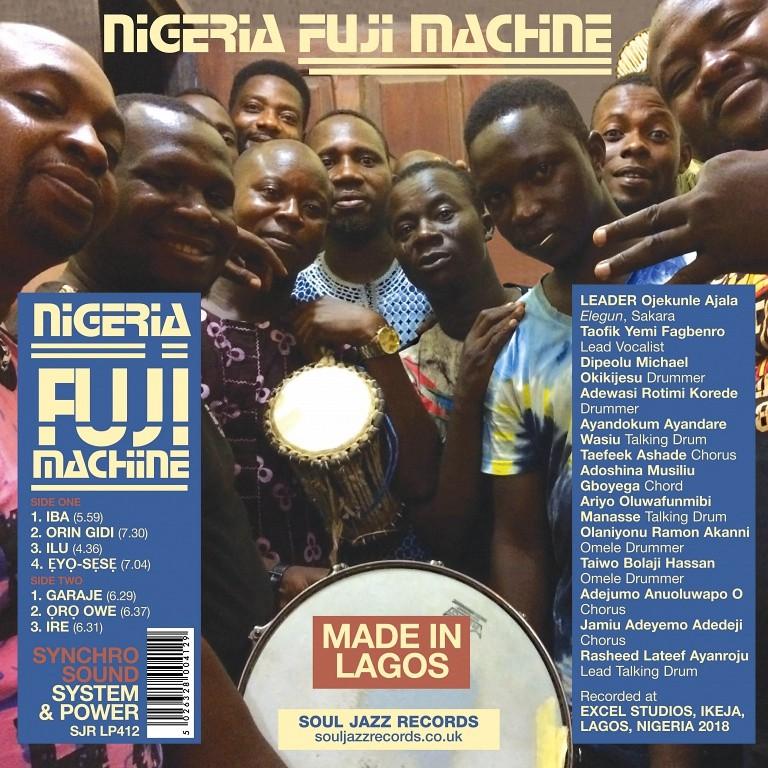
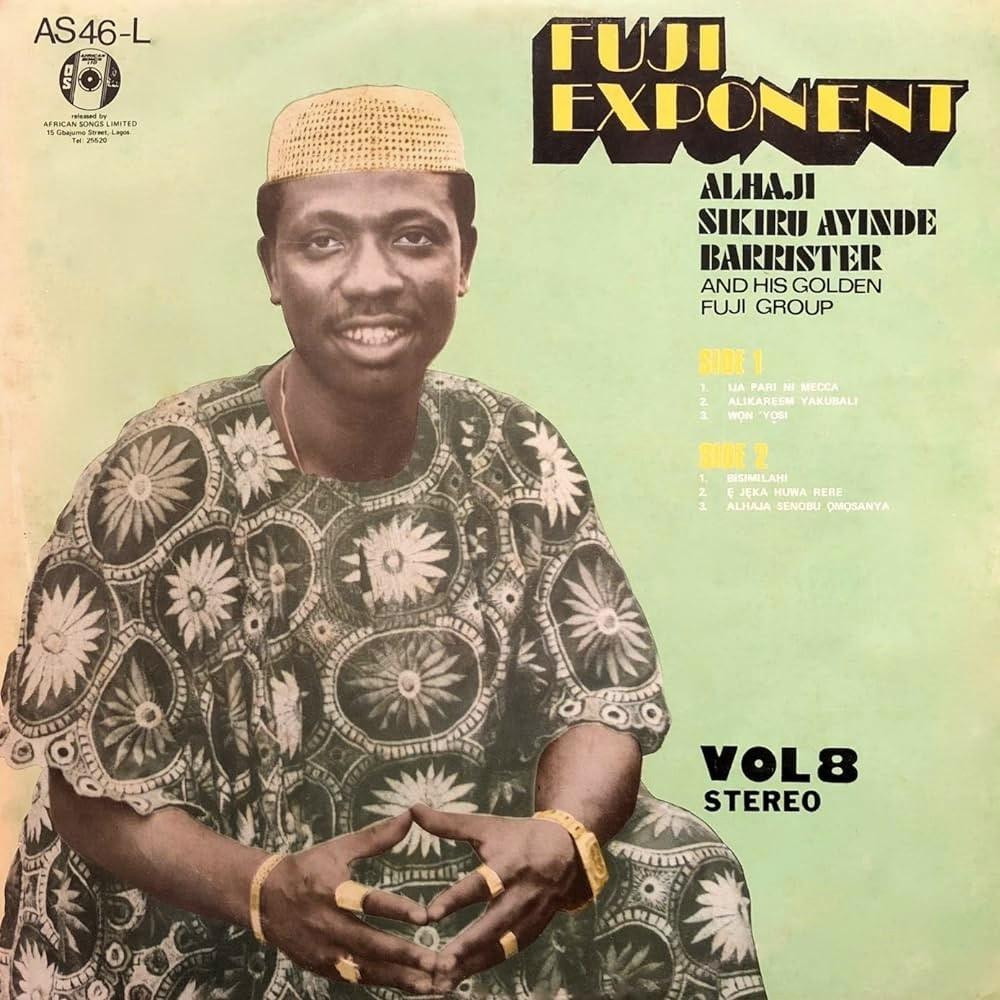
Greetings, music enthusiasts! Today, we embark on a rhythmic journey into the vibrant world of Fuji Music, a genre that not only resonates with soul-stirring melodies but also carries the essence of African pride and identity.
Fuji Music, a captivating musical genre hailing from the lively city of Lagos, Nigeria, had its inception in the late 1960s. This rhythmic phenomenon is deeply rooted in the cultural fabric of the Yoruba people, who possess a profound appreciation for expressive art forms. The very name “Fuji” draws inspiration from Mount Fuji in Japan, symbolically representing the genre’s pinnacle and significance.
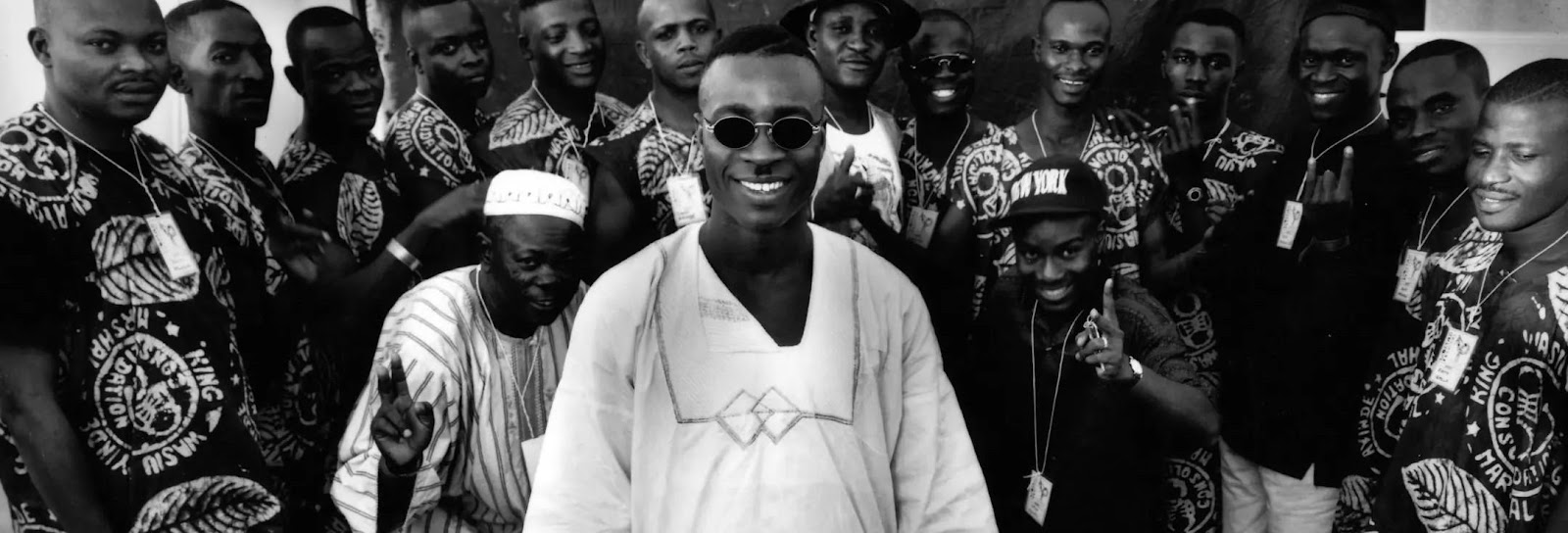
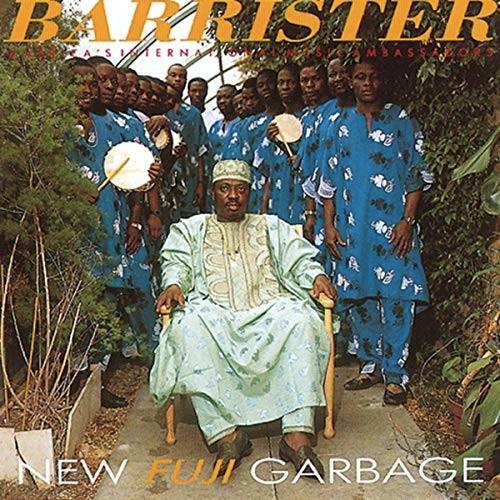
Now, let’s explore the historical backdrop that gave rise to Fuji Music. The 1960s and 1970s witnessed Nigeria undergoing substantial social and political shifts. Against this dynamic backdrop, Fuji Music emerged as a resonant musical response, becoming the melodious voice through which the Yoruba people articulated their joys, challenges, and aspirations. Musical maestros like Sikiru Adepoju and Ayinde Barrister played pivotal roles in pioneering Fuji Music, transforming it into a cultural phenomenon that struck a chord with the masses.
This genre, with its pulsating rhythms and evocative lyrics, became a sonic reflection of the times, providing a platform for the Yoruba community to narrate their stories and experiences. The emergence of Fuji Music during this transformative period further solidified its role as a cultural conduit, preserving and transmitting the essence of the Yoruba heritage.
Themes of Innovation, African Pride, and Identity:
In the artistic alchemy of Fuji, the traditional Yoruba percussion instruments take center stage. The mesmerising beats of the talking drum (gangan) and the rhythmic resonance of the bata drums echo through the ages, providing a link to ancestral traditions. Yet, Fuji Music is not confined to the echoes of the past; it boldly strides into the present with a fusion of modern elements.
Synthesisers and electric guitars seamlessly intertwine with the traditional instruments, crafting a sonic tapestry that mirrors the duality of the Yoruba cultural experience – a harmonious blend of ancient rhythms and contemporary beats.
This amalgamation of tradition and modernity within Fuji Music births a unique auditory experience, a distinctive sound that not only captivates the ears but also encapsulates the very essence of the Yoruba people’s heritage. It is a musical journey that transcends time, resonating with both the echoes of history and the pulsating beats of the present.
The lyrical narratives within Fuji Music serve as a potent vessel for cultural storytelling. Delving into societal issues, folklore, and the tapestry of everyday experiences, the lyrics become a mirror reflecting the resilience and spirit of the Yoruba people. Through the poetic verses and rhythmic cadence, Fuji Music becomes a living chronicle, narrating tales of triumphs and tribulations, echoing the collective heartbeat of a community.
Crucially, Fuji Music functions as a powerful medium for cultural preservation. As the melodies dance through the air, they carry with them the echoes of a rich cultural legacy, resonating through generations. The younger audience, enveloped in the pulsating rhythms, finds themselves not only entertained but also intricately connected to their roots and heritage. Fuji Music becomes a bridge between the past and the present, ensuring that the flame of cultural identity continues to burn brightly in the hearts of those who sway to its beats.
The Muslim Connection:
Ayinde Barrister, a trailblasing figure in the Fuji Music scene, not only embraced Islam but also skillfully incorporated Islamic themes into the lyrical fabric of his compositions. This harmonious fusion of music and religion is far from a mere artistic choice; it imbues Fuji with a spiritual depth that resonates beyond the musical notes. The inclusion of Islamic elements creates a unique resonance, tapping into the spiritual sensibilities of both musicians and audiences alike.
This amalgamation of Fuji Music with Islamic influences extends beyond the personal choices of individual artists. It becomes a cultural bridge, connecting diverse communities through the shared language of music and faith. Fuji, with its Islamic undertones, fosters a sense of unity that transcends cultural and religious boundaries, reinforcing the idea that music can serve as a unifying force.
The Muslim connection in Fuji is not a divisive factor but rather a unifying thread that stitches together the diverse tapestry of Nigerian society. It highlights the beauty of cultural harmony, showcasing how Fuji Music becomes a common ground where people from different backgrounds can come together, share in the spiritual experience, and appreciate the rich diversity that defines Nigerian culture.
In the words of the great Ayinde Barrister, “Music is the heartbeat of a nation, and Fuji is the rhythm of our heritage.” These melodies serve as more than just entertainment; they are threads weaving a narrative of resilience, pride, and unity. Fuji Music, with its roots firmly planted in the soil of Yoruba culture, has blossomed into a vibrant flower that continues to bloom with each beat.
As we reflect on the journey through the rhythmic landscapes of Fuji Music, let’s take a moment to appreciate the genre’s profound impact. It goes beyond preserving cultural identity; it serves as a bridge connecting generations, a testament to the enduring spirit of a people proud of their heritage.
So, let the beats of Fuji Music linger in your ears, and may they remind you of the beauty found in the fusion of tradition and innovation. As we celebrate the harmonious notes that reverberate through time, let’s embrace the unity that Fuji Music inspires, transcending boundaries and fostering a shared sense of pride in our African heritage.
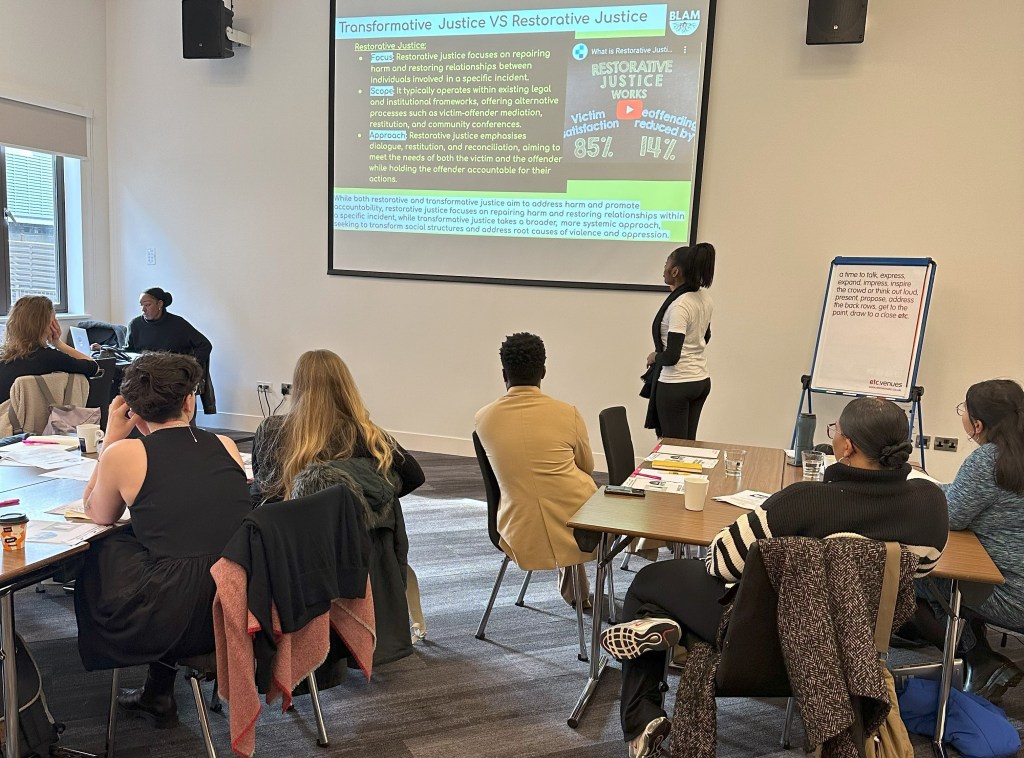
On the 15th February BLAM UK had the privilege of being invited by Young Minds to deliver a training session on Transformative Justice in the workplace. The session sparked engaging discussions and challenged everyone to consider the ways in which transformative justice principles can be included in their daily workplace practices.
In the session we delved into the essence of transformative justice, exploring its historical roots which are in Black and People of Colour communities with oppressed intersecting identities. And defining Transformative Justice as an approach aimed at healing, accountability, and transformation for all involved in addressing harm and conflict. We also highlighted the importance of recognising that transformative justice is completely against punitive justice systems, advocating for the dismantling of systemic power structures that perpetuate violence against marginalised communities
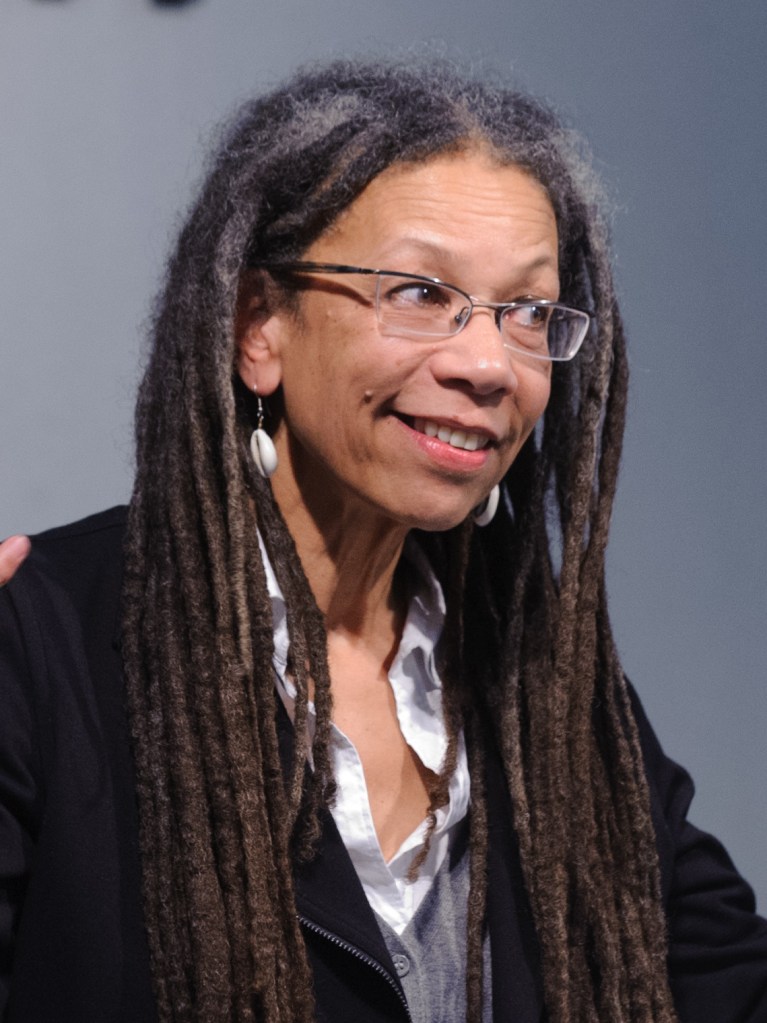
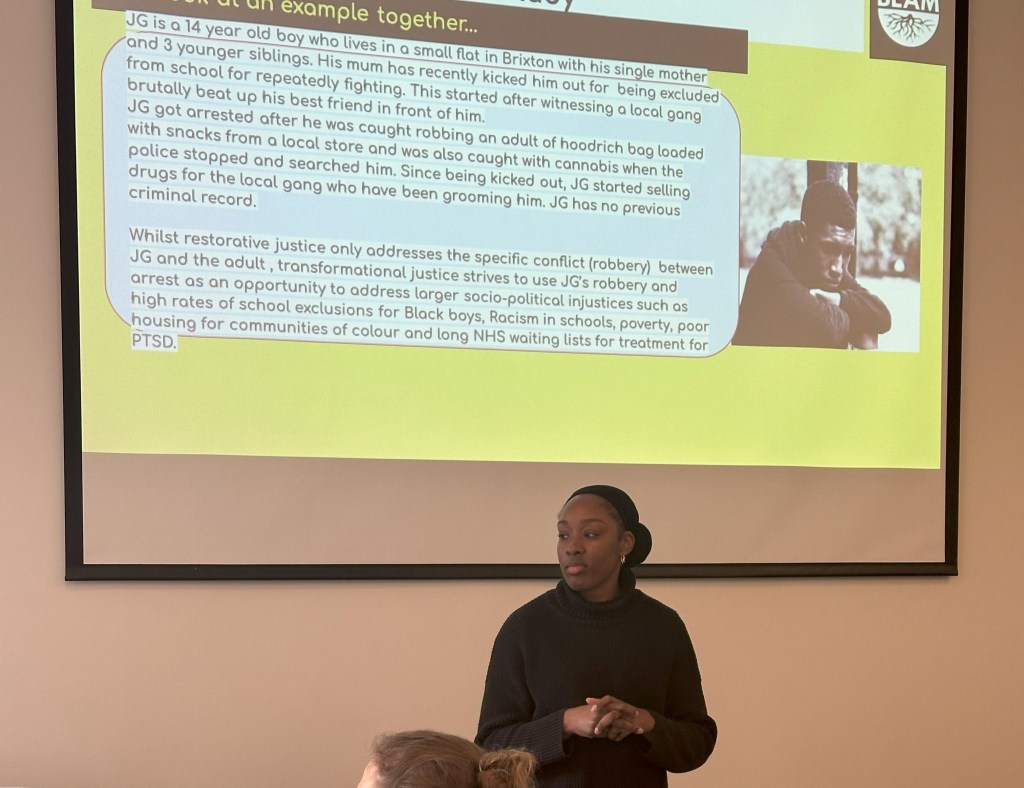
Drawing on the differences between transformative justice and restorative justice we highlighted how transformative justice takes a broader, systemic approach, seeking to address the root causes of violence and oppression. We also learned about key figures such as Ruth Wilson Gilmore and Mariame Kaba and highlighted them for their dedication and leadership in the transformative justice movement.
– Mariame Kaba– Ruth Wilson Gilmore
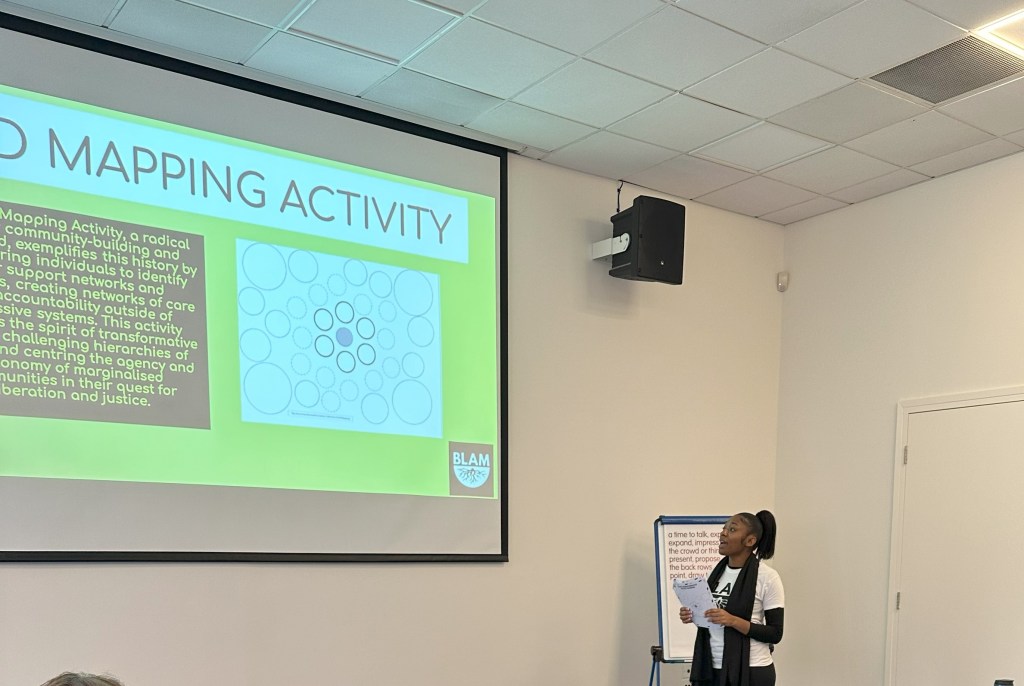
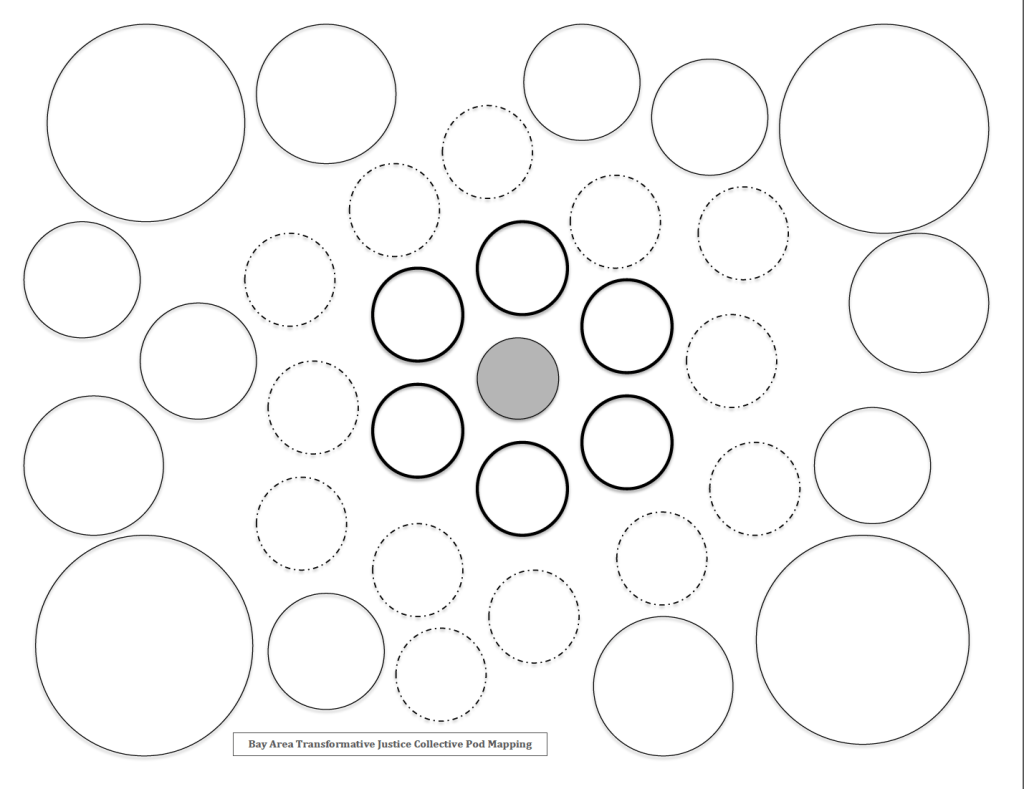
Through interactive discussions and real-life examples, we all explored how transformative justice could be applied within the workplace setting. We discussed strategies for accountability, holistic healing, and tools like pod-mapping for community building.
These are some of the key points & take aways highlighted: Accountability: “the ability to acknowledge one’s role in impacting another person, and to take meaningful action to recognise and repair the harm one caused.” Holistic Healing: Transformative Justice approaches harm as a complex process that requires holistic healing for all parties involved. Holistic healing and healing justice is a framework/set of practices for the whole self including emotional, psychological, and spiritual support as well as practical assistance. Pod-mapping: This is a radical tool for community building. We used this as an activity to help the attendees to identify their community. Steps for transformative intervention: Strategies for addressing harm: x Identify who has been harmed x Find out and try to understand their needs x Determine who is responsible for ensuring these needs are met x Identify the culture and conditions that allowed for harm to take place x Come up with methods to address the underlying cause in order to prevent future harm.
Acknowledging challenges in implementing transformative justice, some shared their difficulty in using these practices when faced with resistance from some individuals. This led to fruitful conversations on overcoming obstacles. Success stories shared during the session also demonstrated the positive impact transformative justice can have on individuals and communities.
Overall the training session was incredible, insightful and informative. The feedback that we received from the attendees was overwhelmingly positive with many insisting they wished they could have had more time with us. Reflecting on this training session it is evident that this training is necessary to revolutionise and reshape organisational perspectives and practices.
We would encourage and urge you to further explore transformative justice or book us to deliver our training at your organisation, and to consider how transformative justice can be applied in your everyday practices. We invite you to learn more about the work of BLAM UK and Young Minds, and how transformative justice lenses can enhance community engagement and social change.
To book BLAM UK for a Transformative Justice in the Workplace session, just email us at christivie@blamuk.org and our team will work with you to tailor the sessions to meet your organisation’s specific needs.
Dive with me into the exhilarating world of Black British nightlife, where the beats are infectious, the vibes are electric, and the stories are as rich as the cultures that converge on the dance floor. From the nostalgia of my first bashment party in Camden at 16, where Vybz Kartel’s tunes set the tone, to the rhythmic euphoria of “Straight jeans and fitted, in a white t-shirt, we did it, we rocked those shades to the limit”. In that dimly lit, overcapacity sweatbox, I discovered a connection to Caribbean culture that, although not my own, left an indelible mark on my appreciation for the diversity of Black British Culture in London. – it was more than a party; it was a cultural awakening.
As I delve into the historical context of Black British nightlife, the Twitter page @blackandbritishh, and experience the immersive storytelling in Small Axe’s Lovers Rock and Mangrove episodes, a vivid panorama of the 1960s unfolds before us. It’s a tumultuous era where the heartbeat of Black British nightlife faced relentless challenges. Notably, the Mangrove in Notting Hill became a battleground, weathering a staggering 12 police raids under the suspicion of drug dealings, suspicions that time and again proved baseless.
The story is mirrored in the premature closure of Brixton’s Queer Shebeen, a vibrant hub succumbing to the pressures of escalating police raids during the Thatcher era. The narrative then fast-forwards to the 2015 revelation, laying bare the discriminatory practices within London’s West End nightclubs. DSTRKT, Libertine, and Mahiki were exposed for their racist and colourist door policies, a revelation that saw Black women unfairly burdened with double entrance fees or, worse still, outright denial of entry”
However, the oppressive weight of discrimination took a bureaucratic turn with the introduction of Form 696. A creation of the Metropolitan police, this risk-assessment document became a formidable hurdle for Black-run events, exacerbating the already challenging landscape. Organisers were compelled to divulge intricate details, from the ethnic makeup of their clientele to the genre of music that would echo through the venue. This regulatory burden served as a stifling force, systematically obstructing and shutting down events that celebrated Black culture and music. It was ANTI BLACK.
The narrative takes a hopeful turn as we reach November 2017, marking the much-needed demise of Form 696. Its abolition was a collective sigh of relief for the Black British nightlife community, symbolising a step towards dismantling structural barriers that hindered the free expression and celebration of Black culture. The removal of this oppressive document allowed for a resurgence of creativity and community in the Black-run events scene, enabling a more vibrant and inclusive landscape to emerge. It’s a testament to the resilience of a community that, despite historical setbacks, continues to forge ahead, ensuring that the rhythm of Black British nightlife beats stronger and freer than ever before.
Discover Now: Two Vibrant Black-Led UK Nightlife Experiences You Can’t Miss!
Step into the dynamic realm of contemporary Black British nightlife, where joy, identity, and culture intertwine seamlessly. This isn’t just about the UK; it’s a global celebration, echoing from Africa to Europe and beyond. Join me as we shine a spotlight on two electrifying Black-owned UK club nights that not only encapsulate the spirit of Black joy but also proudly showcase the essence of Black British culture.
RECESS ( @rec.ess).
Meet Jojo and David Sonubi, the brilliant minds behind RECESS, who spotted a gap in Black representation at British music events in the mid-2010s. What kicked off as a cozy gathering in venues like the Ace Hotel has evolved into a powerhouse marking its fifth anniversary at the iconic Fabric. RECESS is not just a party; it’s a vibe, a community thriving on friendships, memories, and experiences. From intimate gatherings, to taking over Dreamland Margate theme park for their 100th party, RECESS has not only hosted Stormzy and Headie One but has also taken its beats from Accra to Paris. This isn’t merely a brand; it’s a cultural phenomenon.
Jojo and David Sonubi
MOTHALAND (@mothalandhq).
Now, step into Mothaland, DJ Dibs’ brainchild, supported by an all-woman team with a mission to reshape the narrative around the African lens. Their radio shows champion grassroots talent, evident in party line-ups seamlessly blending resident DJs with carefully curated guests. Mothaland is more than a party; it’s a community space where education and cultural engagement share the spotlight with pure enjoyment. The crowd, as described by Dibs, is mostly young, music lovers, creatives, and Black diaspora-leaning, yet open to everyone. From their debut in Ghana to eyes set on New York City, Mothaland is gearing up for global recognition.
In the vibrant mosaic of Black British culture, RECESS and Mothaland shine as symbols of innovation and inclusivity. Their influence isn’t confined by borders; it stretches from France to Ghana and beyond. These aren’t just nightspots; they’re sanctuaries where pulsating beats echo resilience, dance floors witness cultural convergence, and the night sky beams with the vibrancy of Black British nightlife. As these establishments continue to break barriers and redefine the narrative, they invite you to join a community where culture, music, and unity intersect in the most exhilarating ways.
Come, let’s dance through the stories and celebrate the rhythm of Black British nightlife!
Championing Linguistic Justice: BLAM UK’s Open Letter to tes magazine
In a bold move towards promoting linguistic justice and dismantling racial discrimination, BLAM UK, a prominent grassroots organisation advocating for the Black community in the UK, recently penned an open letter to tes magazine. This letter addresses concerns regarding the article titled ‘Slang Safeguarding Risks’, published on February 14th, 2024.
At the core of BLAM UK’s mission lies a commitment to advocating against anti-Black racism and injustice, particularly focusing on its detrimental effects on the well-being of Black communities and safeguarding the legal and child rights of its members. Our organisation’s letter articulates three main points of contention with the article, highlighting its racially discriminatory and harmful nature:
Harm to Racial Esteem and Well-being: BLAM UK stresses how the article’s characterization of Black British English (BBE) as “slang” perpetuates negative stereotypes and undermines the linguistic identity and self-esteem of Black children.
Normalisation of Anti-Black Linguistic Racism: The organisation emphasises how the article contributes to the normalisation of linguistic racism by flagging BBE words and phrases as “misogynistic” or “sexist” without understanding their cultural significance and context within the Black community.
Violation of Children’s Rights: BLAM UK argues that the article’s approach to policing BBE in schools violates the UN Convention on the Rights of the Child, which emphasises the importance of minority children enjoying their own culture and language.
Moreover, BLAM UK challenges the concept of “Slang Safeguarding,” advocating for a more inclusive approach that acknowledges and respects linguistic diversity among children, particularly Black children.
The letter concludes with a call to action, urging tes magazine to remove the article, provide training on language discrimination for its team, and adjust future articles to celebrate and educate on BBE and other languages used by students from Black backgrounds. BLAM UK also extends an olive branch, expressing willingness to collaborate with tes magazine to promote linguistic justice and provide education on Black British English and heritage.
This open letter exemplifies BLAM UK’s unwavering commitment to advocating for racial justice and empowering the Black community. By challenging harmful narratives and advocating for linguistic inclusivity, BLAM UK continues to pave the way for a more equitable and just society.
In the face of silence or inaction, BLAM UK remains steadfast in its determination to pursue further action, underscoring the urgency and importance of addressing these issues.
As we move forward, let us heed BLAM UK’s call to action and strive towards a future where linguistic diversity is celebrated, and all children are empowered to embrace their cultural heritage without fear of discrimination or prejudice.
Our Letter to TES magazine –
Re: Banning and Policing of the Use of Black British English
This is a letter from Black Learning Achievement and Mental Health (“BLAM”), a Black grassroots organisation that supports the Black Community in the UK under three limbs: cultural education, advocacy and wellbeing.
In a very short summary, we have a shared commitment to advocating on anti-Black racism/ injustice with particular concern for the impacts of these injustices on the well-being of Black communities and/or safeguarding the legal & child rights of members of our community. More details can be found about BLAM here.
Fundamentally, we write to raise our concerns with your ‘slang safeguarding risks’ article published on the 14th February 2024 and ask that you revise your article with immediate effect as it is racially discriminatory and harmful. We state this for the three following reasons:
It harms the racial esteem and in turn well-being of Black children
It reproduces and normalises Anti-Black Linguistic Racism
It is not in line with the UN Convention on the Rights of the Child (1989)
We note from the tes magazine article, that you want to ensure parents, teachers and carers are ‘vigilant about the world that our students are living in and, as much as possible, make sure that we are part of it’. We hope to work constructively with you and your team to address this issue and to ensure Black British English speaking students’ rights are respected going forwards.
History of the Black British English Language
Oxford Dictionary defines language as
“the principal method of human communication, consisting of words used in a structured and conventional way and conveyed by speech, writing, or gesture.”
Black British English (‘BBE’) is a Black language form. It is a Creolised language including influences from Patois, Nigerian Pidgin, African-American Venacular English (AAVE) and BBE terms. BBE is sometimes incorrectly referred to as ‘slang’ as it is in your article. BBE has its own syntactic and grammatical structure which is different to white mainstream English. However, the differences does not mean that BBE is or should be referred to as slang.
The freedom to use and embrace BBE is crucial. Words such as ‘bunda’ and ‘nyash’ have derived from Nigerian Pidgin and Gambian Creole. Flagging words like this as possibly ‘misogynistic’, ‘sexist’ or a ‘potential safeguarding issue(s)’ is gross misinformation and discriminatory. Highlighting these words and phrases with origins in Black heritage, without an understanding of the cultural practices of BBE speakers, aids in the continued negative perception of Black British English. In fact, using ‘sexist’ and ‘misogynistic’ when referring to BBE phrases such as ‘bunda’, speaks to the lack of cultural analysis and awareness of this article. It is ill-informed as there is a clear and ongoing history of these phrases being used to celebrate women of Black heritage. Whilst it can be argued that those words, like all words, can be used in ways that can be deemed problematic, the assumption that these words are inherently problematic emboldens education providers that have for years been policing BBE in school with long-term consequences such as exclusions. The urgency to revise the article becomes especially important when we understand that BBE speakers are ‘five times more likely to be excluded than their white peers’. The article facilitates the use of racist practices and policies around language which have, and will, result in Black children being negatively labelled, harshly sanctioned and ultimately excluded.
It is harmful and degrading, in particular to the identity of Black students who use this language. It can also lead to the internalisation of negative perceptions about themselves and their fellow language speakers. To that effect, it is important to highlight the policing of BBE speech amounts to institutionalised code-switching. We at BLAM UK along with many Linguistic Activists reject code-switching because it places whiteness and white mainstream English on a pedestal while showcasing Blackness and Black Language as inferior, lesser, and secondary. Instead, we encourage, utilise, and elevate the beauty and brilliance in Blackness and Black Language. The American academic April Baker-Bell explains that Black students
” – – are being asked to switch their language, their cultural way of being and knowing, their community, their blackness in favour of a white middle-class identity.”
It encourages Black students to arrive in educational, and personal, spaces as half of themselves, internalising their policing. We reject the guise of professionalism and preparation for the future as explanations for the policing. The BBE words identified on the list allow for expression, personality, celebration and creativity. Subsequently, enabling Black students to enjoy their own culture.
UN Convention on the Rights of the Child
The United Nations Convention on the Rights of the Child, emphasises the importance of minority children being able to enjoy their own culture or use their own language (Article 30). The Convention highlights minority groups as including linguistic minorities.
As a respected journalistic organisation, tes should be promoting the enjoyment of international children’s rights within learning environments, and advocating for the unlearning of anti-Black linguistic racism. tes should instead be using its article as an opportunity to celebrate the ways in which BBE is a rich and diverse landscape of the language within the Black British community and the creative role students are taking in preserving it. tes should also be seeking out experts within the community ( for example – BLAM) to ensure that their articles are legally and historically accurate.
Radical Safeguarding
Radical Safeguarding is ‘a radical approach to child safety…that traces the root cause of harms to children’. It is the understanding that current safeguarding measures do not do the work of creating safety for all children, particularly young people and children of colour. It is a commitment to reduce harm by taking an informed and diverse look at safeguarding issues.
Resources such as Radical Safeguarding – A Social Justice Workbook for Safeguarding Practitioners can be used to further build conviction on linguistic discrimination, and how it is harmful to the children policed by it. It can be used to educate readers on what inclusive safeguarding really is, how it is not a one-size fits all approach or how different uses of language isn’t a case of right or wrong.
Conclusion
We invite tes magazine to use the current experience as a chance to promote the understanding of the culture and history of Black people. Our organisation BLAM UK would be happy to assist in a collaboration to educate as to Black British English and heritage and find ways your organisation can promote linguistic justice.
BBE is a rich language and a form of expression amongst Black children in particular. The association of this language with ‘slang’ and noting the use of words from BBE such as ‘plug’ and ‘nyash’ found in songs, spoken by our parents and form part of our day-to-day speak as ‘safegaurding concerns’ reinforces white linguistic supremacy. The policing and demonisation of a language used primarily amongst Black students is disproportionate and is incompatible with the UN Convention on the Rights of the Child. Further, the conflation of ‘safeguarding concerns’ for children’s day-to-day speak ignores that some safeguarding measures, when inflexible to conditions such as race, end up doing more hard than good.
Please, therefore:
Remove the article with immediate effect;
Ensure your team attend professional training on language discrimination;
Adjust your articles to honour and educate on BBE and other languages used by students from Black backgrounds.
We are open to collaborating with your organisation and provide appropriate training and education on Black British English and heritage and find ways your organisation can promote linguistic justice.
In the event that this letter is ignored, we will have no option but to take further action in regard to this matter.
Yours faithfully,
Black Learning Achievement and Mental Health (BLAM UK)










 BLAM UK CIC