BLAM UK’s Open Letter to Ark All Saints Academy

Open Letter to:

All Saints School Academy 

140 Wyndham Rd,

London,

SE5 0UB

By Email Only                                                                                                      07 October 2021

Dear Ms Lucy Frame,

Re: Banning and Policing of the Use of Black British English  

This is a letter from Black Learning Achievement and Mental Health (“BLAM”), a Black grassroots organisation that supports the Black Community in the UK under three limbs: cultural education, advocacy and wellbeing. 

In a very short summary, we have a shared commitment to advocating on anti-Black racism/ injustice with particular concern for the impacts of these injustices on the wellbeing of Black communities and/or safeguarding the legal rights of members of our community. More detail  can be found about BLAM here

Fundamentally, we write to raise our concerns with your “banned” language list and demand that you reverse this policy with immediate effect as it is unlawful, racially discriminatory and harmful. We state this for the three following reasons:

  1. It harms the racial esteem and in turn well-being of Black children 
  2. It reproduces and normalises Anti-Black Linguistic Racism
  3. It is not in line with the Equality Act 2010, The UN Convention on the Rights of the Child (1989) and The Education Act 2002. 

We note from The Guardian Newspaper, that Your Academy wants to ensure its students thrive in all areas of life. We hope to work constructively with you and your senior leadership team to address this issue and to ensure that your students’ rights are respected going forwards. 

History of the Black British English Language

Oxford Dictionary defines language as 

the principal method of human communication, consisting of words used in a structured and conventional way and conveyed by speech, writing, or gesture.”

Black British English (‘BBE’) is a language and a form of expression. BBE is sometimes incorrectly referred to as ‘slang’. BBE is the intersection between African and Caribbean languages and white mainstreamed English. The creolisation of these various languages was initially recognised as Black British Creole, but today is also referred to as Black British English. BBE has its own syntactic and grammatical structure which is different to white mainstreamed English. Recognising this language as slang or ‘poor English’ is harmful and degrading in particular to the identity of Black students who use this language. It can also lead to the internalisation of negative perceptions about themselves and their fellow language speakers.We explain this below.

The freedom to use and embrace BBE is crucial. When describing the progression of Black British culture author Alison Donnell states

 “Creole in Britain has since become the language of Afro-Caribbean and, more generally of Black youth culture.” 

Negative attitudes towards BBE is a widely studied and well-known area amongst linguists and scholars. Professor Vivian Edwards as far back as 1979 conducted a study that highlighted linguistic misconceptions and negative attitudes towards Black Creoles historically. She noted Black Creoles have been strongly associated with disadvantage and not recognised as a distinct language. Another 1979 study showed Creole as an “integral part” of a Black person’s identity. 

Banning this language in formal environments amounts to institutionalised code-switching, with the acceptance of punishment as a given, if not adhered to. It is of note that in the UK Black Children are already over-punished within the education system; they remain 3 times more likely to be excluded from school than their white counterparts. We at BLAM UK along with many Linguistic Activists reject code-switching because it places whiteness and white mainstream English on a pedestal while showcasing Blackness and Black Language as inferior, lesser, and secondary. Instead, we encourage, utilise, and elevate the beauty and brilliance in Blackness and Black Language. The American academic April Baker-Bell explains that Black students 

” – – are being asked to switch their language, their cultural way of being and knowing, their community, their blackness in favour of a white middle-class identity.”  

We reject the guise of professionalism and preparation for the future as explanations for the ban. The exclusive application of the policy to formal learning settings reinforces the ideology of the inferiority of Black languages. This links back to historically racist and imperialist views of Black people that position us as less than. It also doesn’t allow for the normalisation of the fact that some Black students may be going to work in Black spaces like music, arts, journalism, film and other cultural spaces. These are spaces that would require them to be fluent and well versed in Black British English. It is in fact:​​ “super ironic that Black English speech is dismissed and devalued as being linguistically broken, and at the same time is one of the richest sources of lexical innovation in English”. It should be treated and celebrated as such in all spaces. 

The Equality Act 2010

The Equality Act 2010 (‘EA 2010) imposes a number of legal obligations on the workplace, public bodies and wider society to protect against unlawful discrimination on the grounds of “protected characteristics” which include race and ethnicity.

Section 13 of the EA 2010 prohibits direct discrimination based on a protected characteristic.

Section 19 prohibits indirect, which includes policies that are seemingly harmless, but disproportionately affect any group because of their protected characteristic.

Section 149 places a Public Sector Equality Duty on authorities exercising a public function. In doing so, they must to have due regard to 

  1. eliminate discrimination, harassment, victimisation and any other conduct that is prohibited by or under this Act;
  2. advance equality of opportunity between persons who share a relevant protected characteristic and persons who do not share it;
  3.  foster good relations between persons who share 

Therefore, if your current policy does not allow for the lawful exercise of Black British English, a Black language, in the learning space, then that policy is unlawful. Black children who are bilingual speakers and those who speak Black British English as a second language will be indirectly more affected by this ban than their racial counterparts who do not speak this language. The ban disproportionately notes words used by Black British English speakers. Any decisions taken in the application of the policy must be proportionate and in accordance with the law, including that set out above.

Education Act 2002

Section 78 of the 2002 Education Act which applies to all maintained schools states; 

General requirements in relation to curriculum:

  1. The curriculum for a maintained school or maintained nursery school satisfies the requirements of this section if it is a balanced and broadly based curriculum which—
  1. promotes the spiritual, moral, cultural, mental and physical development of pupils at the school and of society, and
  2. prepares pupils at the school for the opportunities, responsibilities and experiences of later life.

Academies are also required to offer a broad and balanced curriculum in accordance with Section 1 of the 2010 Academies Act.

The current Language ban does not allow Black British Students to have access to an educational curriculum that accounts for their bilingualism. They are instead punished for speaking two languages which instead harms the cultural development of pupils at the school. Language mastery should not solely be limited to white manistreamed English; children should have the option within their learning environment to become well versed in language that they and their peers regularly use. If the school was promoting a broad and balanced Educational curriculum they would have a language curriculum that is in line with the Education Act 2002, s.78 (1b) that prepares them for opportunities and experiences in later life as Black- British English speakers. 

It is also of note that the decision to ban Black British English from the learning space would mean that the works of Black British Poets like Benjamin Zephaniah and Linton Kwesi Johnson could no longer be studied within classrooms at your school. Benjamin Zephaniah is a poet that has been widely read and studied in schools across the UK. 

If the school was acting in line with its duty to provide a broad and balanced education, Black Language would be acknowledged and studied within the current curriculum. In providing a broad and balanced education teachers must engage their students with an understanding of anti-Black linguistic racism whilst providing them with the tools to have the agency to critically decide when to use their language, whilst giving them an understanding of the current white linguistic hegemonies in society and ways in which they can disrupt and dismantle this.

UN Convention on the Rights of the Child

The United Nations Convention on the Rights of the Child, in which the young people at your Academy are individual rights holders under, emphasises the importance of minority children being able to enjoy their own culture or use their own language (Article 30).

The Convention highlights minority groups as including linguistic minorities. 

The BBE words identified on the list allow for expression, personality and creativity. Subsequently, enabling Black students to enjoy their own culture. While a distinction was made by the headteacher in the Guardian article that this policy will not apply to “general use” and “social interactions” the article does not stipulate there is a limitation as to when the culture may be enjoyed.

As a Public Body the school should be promoting the enjoyment of international children’s rights within its learning environment, the current school policy directly prohibits this for Black British English speakers.

Conclusion 

We invite the school to use the current experience as a chance to promote the understanding of the culture and history of Black people. Especially, given the present timeliness of Black History Month. Our organisation BLAM UK would be happy to assist in a collaboration to educate as to Black British English and heritage and find ways your school can promote linguistic justice.

BBE is a rich language and a form of expression amongst Black children in particular. The association of this language with ‘slang’ and seeing those using the language as unable to articulate clearly and accurately is racist. The ban of a language used primarily amongst Black students is disproportionate and is incompatible with the Equality Act 2010 and Education Act 2002. Further, the ban amounts to a gross failure to comply with the Public Sector Equality Duty under s.149 EA 2010. Finally, it appears that the policy is contrary to your own policy and ethos as well as the school’s common goals.

Please, therefore:

  1. Reverse the policy with immediate effect;
  2. Ensure staff attend professional training on language discrimination;
  3. Adjust your existing school policy to honour BBE and other languages used by students from Black backgrounds.

We are open to collaborating with your school and provide appropriate training and education on Black British English and heritage and find ways your school can promote linguistic justice.

In the event that this letter is ignored, we will have no option but to take further action in regard to this matter.

Yours faithfully,

Black Learning Achievement and Mental Health (BLAM UK)

Queenie Djan,  Barrister
Roxy Legane,  Kids of Colour
Temi Mwale, The 4Front Project
Jodi-Ann Johnson – Teacher
Florencr Cole, Solicitor at Just for Kids Law
Andréa Hounto, Lawyer
Eve Doran, BLAM UK
Ife Thompson, BLAM UK Founder, UN Fellow and Lawyer
Pamilerin, Cultural Worker
Patricia Daley,  Lawyer
Kayleigh Broughton, Consultant Social Worker
Daria Karim, Doctor
Chris Daley,  Engineer
Donna Guthrie, BARAC UK Women’s Officer
Zehrah Hasan, Barrister, Garden Court Chambers
London Bell, UN African Descent Fellow, OHCHR – United States
Zita Holbourne, National Chair and Co-founder BARAC UK
Fatima Jichi, Barrister, Garden Court Chambers
Tinu Adeshile, Solicitor
Dr Feryal Ryan, Kings College London
Grace Saunders, Trainee Teacher
Akil Hunte, Trainee Solicitor
Ayo Sosanya, Solicitor
Olamide Ogunrinade, Barrister
Janice Browne, Therapist
Benedicte Balande, Freshfields Bruckhaus Deringer
Cyrilia Knight, Partner
Ikram Warsame, Global Black Collective Institute, Human Rights Lawyer Canada
Brenda Efurhievwe, Lawyer
Dr Feryal Ryan, Kings College London
Oyin Makinde, BLAM UK
Monty Onanuga, Banker
Jon Lewis-Darke, Every Interaction 
Zachary Whyte, Solicitor, BPLS
Maria Uzor, Artist
Sonia Larbi-Aissa, Paralegal
Carlene Jones, Student Mentor
Justin’s Obaoye-Ajala, Kentyna Solicitors
Farheen Ahmed, Paralegal)
Nicole Modeste – Solicitor
Jessica Perera, Oxford University
Omowammidokun – Mental Health Support Worker
Rachel P, LSWU
Phoebe Sally Fisher, BLAM UK
Tsungai Chikwanha, BLAM UK
Yashna Patel BPLS
Charlie Sharp, GARA alumni
Jessa Mockridge, Goldsmiths Library
Edain Bradley, Student
Rita Rasheed, BLAM UK
Sepphiah Barrett, Studio Assistant
Victoria Eyabunoh, General Adviser
Sophie Taylor, Baby People UK
Princess Gayle, Actor
Bernice Ackah, Lawyer
Niya Namfua, BLAM UK
Ciara Bowen, Red Fightback, Student
Lauren Desjardins, Stage Manager
Charmel Koloko, Hackney CVS
Khallum Caller – HCVS – Youth Leader
Neil Barrett, Rackspace Windows Operations Engineer
Deborah Martins – Paralegal
TOFUNMI DA’COSTA KINGS COLLEGE LONDON
Joshua O’Connor – Software Engineer
Laura Siebenhaar, student Goldsmiths UoL
Jamila Thompson – Educator/Researcher
Samuel Fisher – PhD student
Student at Goldsmiths College
Sarah Adejuwon
Emily Rose Budinger, Southern Rail
Grant McPhillips: Red Fightback
Lyndon Walters I-Coach
Hazel Faye Davis, AudioActive – Youth Worker
Abigail Asante, Hackney CVS , Youth leader/musician
Corinna Ritch BLAM UK
RH – Red Fightback
Jodyfindley Lecturer
Emmanuel Akin. Political Lead (YoungPeople) Hackney
Sheine Alexander, Employee Engagement Manager
Jacalynn Ryder RFB
Daniele James, Community worker.
Gabriel Okafor – Student, Goldsmiths University of London
Eva Goodwin, Student at Goldsmiths
Julia Evans, Student at University of Edinburgh
Dominika Lloyd-Brown, Asset Management Intern
Zahra Abdi
Sam Glasper – Red Fightback, IWW, UCU, ACORN
Angela Sun, student
Rahma Musd
Lynn Holden
Ellie Walton, Goldsmiths College
James Foster, Teacher
Juhi Patel, King’s College London, Student
Ashleigh Thompson-Brown, Fertility Nurse
Matthew Hayhow, Collections Associate
Clover Lewis-Darke
Damon Hotz
James Cuttell
Luke Sullivan
Prisca Miansiantima
A Ahmed
Jon Lewis-Darke, Every Interaction
Ms C Lewis-Darke
Jane Morris, Playwright
Juliana Amaa
Matthew Lee, NEU member
Georgina Hodges
Imma Koigi. Health Promotions Programme Coordinator
Siobhan Daley
Davina Dhallu
Riana Meli Browne
Jesse Gilbert
Deborah Reavey

The historic significance of community-based collective action in decolonising education By Eve Doran

The discourse around decolonising education has been brought to the public stage in recent years. Activists, academics, educators, parents, and students alike have voiced their concerns about the whitewashing of British history and anti-Blackness in all levels of education.  

An important early initiative towards the decolonising the curriculum movement as we know it today that tackled anti-blackness and racism in schools was the ESN (Educationally Sub-Normal) campaign, spearheaded largely by Black mothers roused by Bernard Coard’s exposé ‘How the West Indian Child is Made Educationally Sub-Normal in the British Education System’. [1] Teacher prejudice placed Black children in specific schools for the so-called educationally sub-normal, the stories of these children have been brought to light in the recent BBC documentary ‘Subnormal: A British Scandal’. Western scientific theories about race and intelligence developed to justify the colonial subjugation of African peoples ensured that, for many Black children, going through the UK school system in the sixties was a traumatising experience. School textbooks compounded the negative stereotypes and racist beliefs held by many teachers and their low expectations for Black pupils affected pupils’ performance, reifying the misconceptions. Black parents’ anger towards these injustices fuelled a collective community response that gave rise to The Black Parents movement and the Black Supplementary School movement.[2] Radical book publishers Eric and Jessica Huntley formed the Black Parents Movement in 1975 following the assault and arrest of 17 year old Black schoolboy Cliff McDaniel. The Caribbean Education and Community Workers Association (CECWA), of which Eric and Jessica Huntley were founding members, was the first specialist Black education group to have been established in the UK. The Huntleys were key figures in the grassroots campaigns that fought for the British African-Caribbean community. They were also involved with a movement organised by the North London West Indian Association (NLWIA) that challenged Haringey Council’s plan to assess all pupils using IQ tests, which are now discredited.[3] Community action must always be centered in discussions about decolonisation, the mobilisation of the Black community provided young people with learning that would not only supplement their schooling but that would instil in them a sense of pride and identity.

Photo credit Jelvon Shadrache

For many reasons, the university has been the primary focal point in decolonisation efforts. The decolonising the university movement has a long transnational history visible in the Negritude movement of Aimé Césaire, Senghor and Damas, African diaspora students’ response to their encounters with racism in French educational institutions, inspired by the Harlem renaissance Negritude asserted Black identity through creative expression. Like the African-American students who during the Black Power era protested and occupied campus buildings in demand for reforms to racist institutional practices. Student activists centred Black experience and studied the knowledge produced by people of African descent in their own experimental universities.[4] Recent student-led campaigns denounce the colonial tradition being upheld by university institutions that retain pillaged treasures from colonised lands and commemorate imperialists and slave traders.[5] Rhodes Must Fall in Oxford addresses Oxford University’s colonial legacy on three levels: colonial iconography such as statues, the selective and Eurocentric narrative of traditional academia, and underrepresentation and lack of welfare support for “BAME” (Black, Asian and Minority Ethnic) staff and students.[6] The UCL Why is my Curriculum White campaign challenged the culturally homogenous curricula across UK universities. Movements advocating the decolonisation of the curriculum vary in the elements they address spanning across different curriculum areas and subjects, stages of education, empires, regions, elements of colonial tradition, there is also not consensus on just one conclusive definition of decolonisation.[7] These movements have been extremely influential and empowered many students to initiate similar campaigns in the universities they attend.

Photo credit Scottie Grills & Zoe Doran

Nakagawa[8] argues that we have located decolonisation within modern knowledge, standards, and norms that are based on colonial ideologies. Therefore, any real decolonising movement must seek to dismantle all colonial legacies, including structures and ideologies that sustain a belief in the superiority of Western knowledge. Lived-experience and community-based knowledge should not be minimised, we need to ask who we trust to tell our stories? The Free Black University maintains that we cannot ‘decolonise something that is built on colonisation itself’. The project offers a space that can produce decolonial knowledge, outside of the confines of the Western university. By providing free, decolonial, accessible education they seek to address the impact coloniality is having on Black mental health. BLAM offer school-based projects and Black history education that takes place within the community. Black narratives should not be additional or alternative, Black history is all of our histories. It is necessary to remember that decolonisation is an ongoing process and involves a deep collective unlearning[9] to divest from colonial practices and beliefs that invisibilise Black Britons contributions to this country and beyond. 

To learn more – 

Read: Heart of the Race: Black Women’s Lives in Britain by Beverley Ryan, Stella Dadzie & Suzanne Scafe – Book

Read: The Black Supplementary School is as Essential as Ever by Fiona Rutherford https://blackballad.co.uk/views-voices/saturday-schools–black-supplementary-schools-movement – Article

Watch: Small Axe (TV mini-series 2020) by Steve McQueen. Episode 5: Education

Watch: Subnormal: A British Scandal (2021 documentary) directed by Lyttanya Shannon

Listen: Pluto Books podcast – Radicals in Conversation: Decolonising the University https://www.plutobooks.com/blog/podcast-decolonising-the-university/ 

Visit: https://www.blackhistorymonth.org.uk/

Sources

[1]Coard, B. (1971). How the West Indian child is made educationally subnormal in the British school system: the scandal of the black child in schools in Britain. London: New Beacon Books.

[2]Bryan, B., Dadzie, S., & Scafe, S. (1993). The heart of the race: black women’s lives in Britain. London, Virago Press.

[3]https://www.blackhistorymonth.org.uk/article/gallery/test-diane-julie-abbott-politician/

[4]Pimblott, K. (2020) Decolonising the University: The Origins and Meanings of a Movement. The Political Quarterly. 91: 1, 210-216. 

[5]Bhambra, G. K., Gebrial, D. & Nisancioglu, K. (2018) Decolonising the University. London: Pluto Press.

[6]Peters, M. A. (2018)Why Is My Curriculum White? A Brief Genealogy of Resistance. In Arday, J. & Mirza, H. S. Dismantling Race in Higher Education: Racism, Whiteness and Decolonising the Academy. Cham: Palgrave MacMillan

[7]Bhambra, G. K., Gebrial, D. & Nisancioglu, K. (2018) Decolonising the University. London: Pluto Press.

[8]Nakagawa, S. (2021) Auto-decolonisation: Lifelong education for decolonization. INTERNATIONAL JOURNAL FOR LIFELONG EDUCATION. (ahead-of-print), 1-13. 

[9]Yancy, G. (2008) Black bodies, white gazes: the continuing significance of race. Lanham, MD: Rowman & Littlefield Pub.

Zero Tolerance policies, a tool that entrenches anti-Blackness in UK Schools

By Ife Thompson

Since the advent of the US-based charter Schools in the early 1990s, there has been a steady increase in UK schools towards the use of zero-tolerance behaviour policies. This is a behavioural policy that increases the likely hood of pupils in general, but Black pupils in particular, of being placed in Pupil Referral Units (PRU) or Alternative Provisions (AP). The abrupt expansion and normalisation of zero-tolerance discipline policies has helped to entrench racist educational outcomes for Black children. This is because zero-tolerance policies severely limit discretion in individual cases, are not in line with equality law and solidifies the removing students from school.

Zero tolerance disciplinary policies warrant particular exploration, firstly because of the racially discriminatory impact it has on Black students, and because of questions regarding their effectiveness and legality.

In this short piece, I will explore how institutionalised racism is furthered and maintained through the education system under the guise of Zero-Tolerance policies. I will draw on secondary data alongside Blam UK’s personal caseload to unpack these points.

Before we begin, I have some explainers for key terms that will be discussed in detail within this piece: 

  • Alternative provision (AP): alternative provision is education for pupils who, because of exclusion, illness or other reasons, would not otherwise receive suitable mainstream education. AP education includes education arranged by schools for pupils on a fixed-term exclusion; and pupils being directed by schools to off-site provision to improve their behaviour.
  • AP academy: PRUs that convert to academy status become AP academies. PRUs can convert on their own, as part of a chain of academies, or with the support of a sponsor.
  • Pupil Referral Unit (PRU): an establishment run by a local authority which is specifically organised to provide education for children who would not otherwise receive it. This can be, for example, because they are excluded or have a mental or physical health condition that means they cannot attend their normal school.
  • Zero Tolerance Policies: Originally developed as an approach to drug enforcement (Skiba & Rausch, 2006), the term became widely adopted in schools in the early 1990s as a philosophy or policy that mandates the application of predetermined consequences, most often se- vere and punitive in nature, that are intended to be applied regardless of the gravity of behavior, mitigating circum- stances, or situational context. 

School exclusions in the UK disproportionately affect Black pupils, the evidence of these disparities is overwhelming and well documented. Just this February, The Guardian found that exclusion rates were five times higher for Black Caribbean pupils in parts of England.

These disproportionate exclusions are being fuelled by the zero-tolerance policies in operation in many UK schools. The use of these policies continues to be anti-Black, in that the headteachers applying these “policies” continue to do so in a manner that holds Black students to a different/ higher standard. Casella (2003) argues, “punishment negatively affects those who are already negatively affected by poverty, racism, academic failure, and other realities”

In all our school exclusion caseloads, we have seen white headteachers approach the exclusions we deal with from a racist standpoint. Many use racial stereotypes to justify the harsh exclusions and then hide behind the notion that the behaviour policy “ties” their hands due to the zero-tolerance approach the school has in place. This is in spite of the fact that all school policies must be read in line with the Statutory School exclusion guidance, which states exclusions must be a last resort. From our direct caseload, we see headteachers use the zero-tolerance policies to showcase that the only option available is a permanent exclusion.

International research from the Global North, can further help us understand the context in which disciplinary processes operate for Black children. A US study found that after controlling for more than 80 individual and school characteristics normally associated with poor academic performance, as well as differences in rates of delinquency and more serious offending, researchers found that Black youth were more likely to be disciplined and more likely to receive harsh discipline (such as out-of-school suspension) when those punishments were discretionary. In the UK, The National Education Union (NEU), have stated that zero-tolerance approaches to discipline were resulting in schoolchildren spending inappropriate and harmful amounts of time in isolation, and that they are “inhumane” and “damaging to pupil mental health”.

Some of the most rigorous research conducted on the subject of zero tolerance shows that out-of-school suspension can severely disrupt a student’s academic progress in ways that have lasting negative consequences. The UK’s Children’s Commissioner stated that “excluding a child makes them much more vulnerable to exploitation by criminal groups, and that currently if a child is excluded their prospects of returning to mainstream education are extremely poor”. This is of concern as the current exclusion system we have in place allows for a two-tier education system to thrive, the Centre for Social Justice (CSJ) found that only 4% of excluded pupils pass GCSE English and Maths compared with 64% in mainstream school. These figures cannot be looked at outside of raicalisation, as Black children are overrepresented in exclusion figures and thus in the APs/PRUs themselves, meaning they are disproportionately being afforded inadequate education. Black Caribbean pupils make up 3.9% of children in PRUS whilst only 1.7% of children in Mainstream school. The current school exclusion system is setting Black children up to fail by mainstreaming anti-Black exclusion policies which lead to a high number of Black children accessing an inadequate and inferior educational provision that will not enable them to reach their full potential. 

Furthermore, the long-lasting negative effect of the zero-tolerance approach can be seen within the  ‘PRU-to-prison pipeline’ in London. According to the HM chief inspector of prisons in England and Wales, 89 percent of children in detention from 2017/18 have been excluded from school. This shows a direct link between school exclusions and young people being propelled into the criminal punishment system.

Due to the often lack of transparency with the school exclusion process and the lack of access to legal aid for parents, we are seeing schools get away with the unlawful use of Zero Tolerance policies. A recent report by the Legal charity Justice found ‘School do not often understand their legal duties when it comes to exclusion and that they often use Zero-Tolerance policies in way that amounts to an unlawful fettering of their legal duties’. We are concerned that these zero-tolerance policies not only promote decisions that are irrational, they also enable schools to (unlawfully) by pass their legal duties  under Equality Act s.149 to eliminate discrimination, in the contrary Zero-Tolerance policies further entrench racial discrimination. 

Further, research has found Zero-Tolerance policies  to be Anti-Black. In 2018, Researcher Stephen Hoffman, also found expanding zero tolerance exacerbated already severe racial disparities in school disciplinary outcomes. Such research has led to two US charter school chains that formed some of the biggest inspiration for the growing “no excuses” behaviour culture in England’s schools to review their tough discipline policies in the wake of the George Floyd killing. They stated they are doing this to create more equitable outcomes for Black students. UK Schools need to be attentive to the change in the wind and do away with institutionalised anti-Blackness, by ridding themselves of the constraints of Zero-Tolerance policies.

In order for us to have a more equitable school system school exclusions must be overhauled, in the absence of radical change, schools must stop using zero-tolerance policies altogether. The Government also needs to put safe guards in place to stop Black children from being subject to racist, exclusionary and illegal exclusions that in turn have an adverse effect on their futures and wellbeing. 

We at BLAM UK are campaigning for the total overhaul and subsequent removal of the current discriminatory school exclusions policy in place in England. It is important for schools, professionals and parents to support the important work that is done by other community organisations like Blam UK, No More Exclusions and National Education Union, in the campaign to remove the discriminatory policies in place within UK schools.

The 1969 Harlem Cultural Festival

By Rachael Banahan

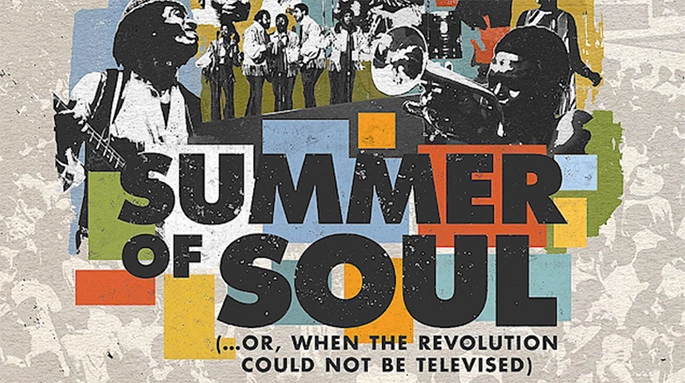
On June 25th 2021, the well-anticipated documentary consisting of clips from the Harlem cultural festival ‘Summer of Soul’ (or When the Revolution Could Not Be Televised), was released. There has been much excitement surrounding it, which is likely due to the fact that the unreleased tapes were locked away in a basement for the past half-century. The festival is well known as the ‘Black Woodstock’ since it is widely compared to another more remembered festival by this name in the same year, located near Woodstock in New York. Performer at the festival with the 5th Dimension Marilyn McCoo notably stated ‘Everybody knew about Woodstock but no one knew about the Harlem Cultural Festival’. The 1969 embodies the shift in Black consciousness in African American communities and celebrates the creativity and musical of talent of the Black diaspora.

The festival was filmed with a multi camera television crew by TV hero Hal Tuchin and there were plans for a special broadcast. Despite Tuchin having 40 hours of footage, no distributor was interested in releasing the special. This was due to the lack of interest from white gatekeepers towards Black centred narratives, especially at a time when race relations were tense. Tuchin is quoted as saying that filming the Harlem Cultural Festival was a “peanuts operation because nobody really cared about Black shows”. However, he decided to take part in the production of it in the first place because he “knew it was going to be like real estate and sooner or later someone would have an interest in it”. The success of Summer of Soul has proved the tapes to be just that, with the movie grossing over $1 million dollars so far.

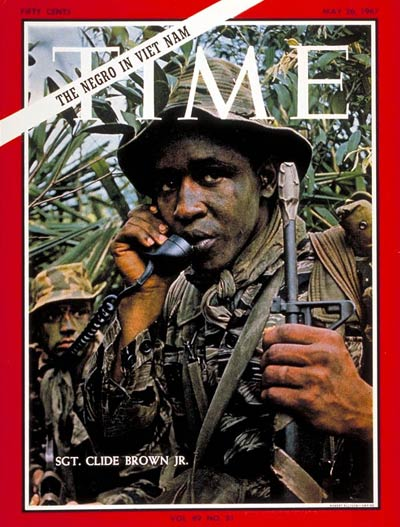
‘Summer of Soul’ documents the diverse nature and rich history of Black music during the tumultuous time for Black people that was 1969. The Harlem Cultural Festival happened a year after Martin Luther King  was assassinated and a year before Fred Hampton was killed. Malcolm X was also assassinated in 1965. The aftermath of losing such intrinsic members of the Black Power and Civil Rights Movement was dire. For example King’s death led to an outpouring of national mourning and anger- riots shortly followed and 40 people lost their lives nationwide. Malcolm X’s death shook the Black community, as over 20,000 people waited in the cold (he died in February) to visit his body at his funeral. The festival also happened right in the middle of the Vietnam War. Despite the Vietnam War being the first fully integrated war to be fought by American soldiers, Black soldiers were treated appallingly- especially after the murder of Dr. King. Soldiers were victim to regular racist attacks such as cross burnings, confederate flag spreading and bathroom graffiting at military bases insinuating that the real enemy were African Americans- not the Vietnamese. Black soldiers were also more likely to be allocated menial jobs, frequently denied promotion and often ignored when attempting to report racial discrimination and abuse. Furthermore, Black men were placed on the frontlines of the Vietnam War at a disproportionate rate. Despite making up only 11% of the population, they made up 23% of combat troops in 1967. Essentially, the Black community was in need of something to lift and guide their spirits towards hope of better things ahead.

The Harlem Cultural Festival was definitely born out of a need for optimism within the Black community after such an unstable time and it also came from a place of cultural reevaluation and a positive shift in Black consciousness. During the summer of ‘68, the word ‘Black’ as opposed to ‘Negro’ was plastered all over Ebony magazine and by the time James Brown’s ‘Say It Loud- I’m Black and I’m Proud’ came out in the October, ‘Black’ was on it’s way to becoming the preferred term in polite society and media outlets. This was a united affirmation that Black people were proud of their skin colour and a complete rejection of slave culture. The Black Panther Party were also fundamental in instilling pride into the Black consciousness of the 60’s and 70’s, with an important element of their 10 point Program (which they based their party values on) being ‘We want education for our people that exposes the true nature of this decadent American society. We want education that teaches us our true history and our role in the present day society.’Just two years after the BPP was founded, they began ‘serve the people’ campaigns. After recognising the inadequacy of public schools to prepare Black children for life, The Panthers created Liberation Schools and breakfast clubs for the youth as they felt it was important to start with the future leaders of America. There were also educational programs for adults as well, such as nationwide political education classes which began a year before the festival. The Panthers aided Black university students in pledging to their respective universities to reform policy, making their voices heard on campus. The Black consciousness had been awakened with The Panther’s encouragement and created optimum circumstances for the festival to happen.

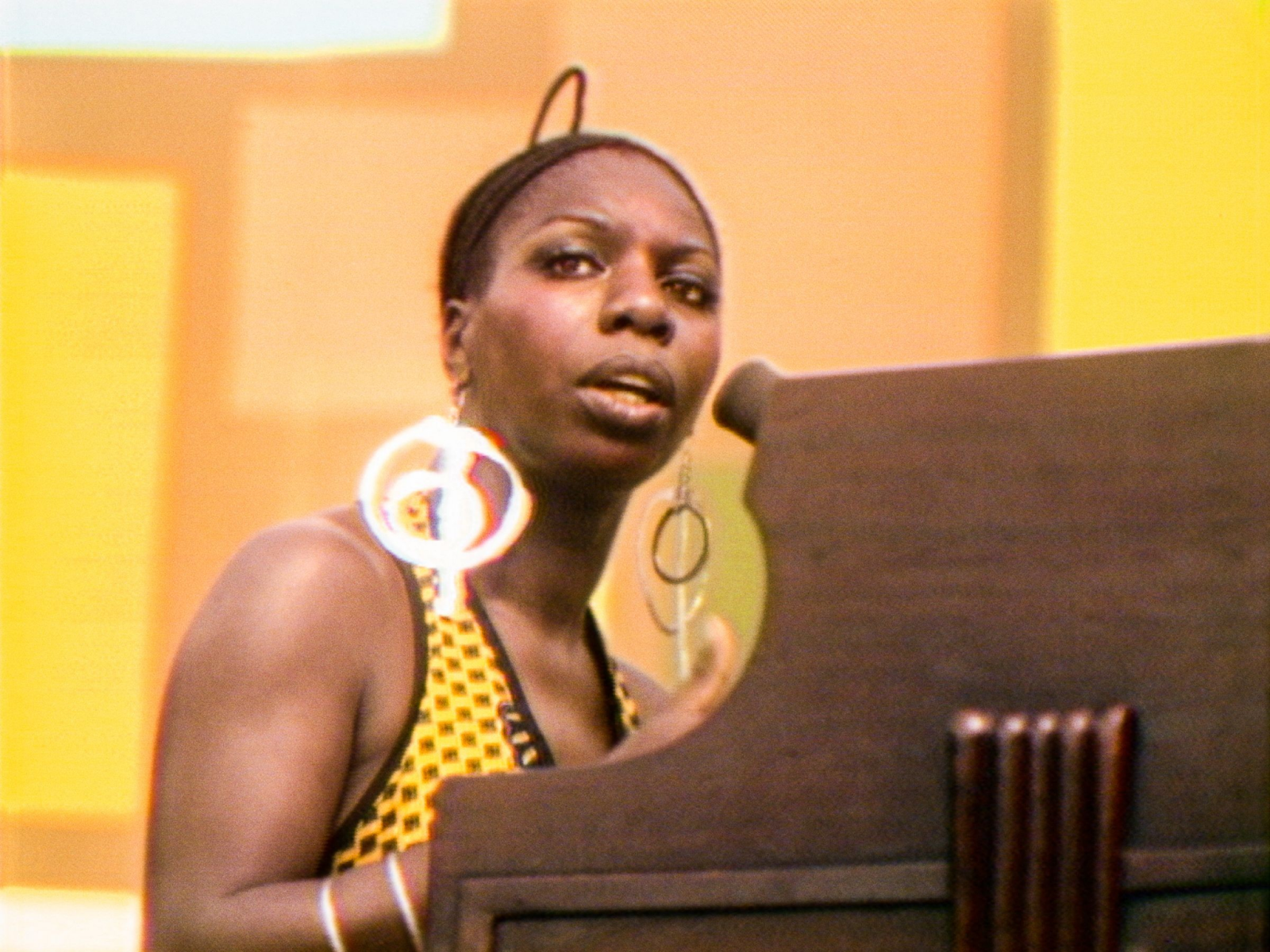
It comes at no surprise that this joyous space that was needed by Black people was designated to Harlem. The birthplace of the Harlem Renaissance, this neighbourhood in Upper Manhattan was a cultural mecca for Black art and was renowned for initiating better representation of the Black artists themselves through claiming control of their artistic expression. Harlem was an important hub of community values, art, music, innovation and revolution. The family oriented festival took place in Mount Morris Park (now known as Marcus Garvey Park) with a free attendance of more than 300,000 people. From the first concert, the New York Police Department refused to provide security, and so the Black Panthers stepped in to do the job. The NYPD eventually arrived, however the Black Panthers remained overseeing the festival to ensure peace. There were numerous concerts that took place over six weekends, with an impressive roster of artists who performed, including Nina Simone, Stevie Wonder, Sly and the Family Stone, B.B King, Mahalia Jackson, The Staple singers, The 5th Dimension and Gladys Knight and The Pips. Due to this, of course, there was a wide variety of genres played at the concerts, such as Blues, Motown, Gospel, rock, R&B and pop, reflecting the heterogeneous character of Black music. 

The Harlem cultural festival was another example of music being used as an act of resistance against oppression and in celebration of togetherness in the Black community. Nina Simone debuted her song ‘Young, Black and Gifted’ at the festival, a number which inspired hope and pride in the crowds with lyrics such as:

“We must begin to tell our young, there’s a world waiting for you

When you feelin’ really low

Yeah, there’s a great truth that you should know

When you’re young, gifted and Black

Your soul’s intact’’

                     …

“Oh, but my joy of today

Is that we can all be proud to say

“To be young, gifted and Black

Is where it’s at”

Is where it’s at

Is where it’s at

Many genres that were performed at the festival originate from Negro- spiritual music, a type of melody created by enslaved people not only to lift their spirits in dire situations, but to communicate coded messages amongst themselves that would be disguised as joyful singing to plantation owners. For Black people, music is a universal language of revolution, unity and pride, with much of the dancing, singing and spirituality within African-America cultures resembling the practice of African masquerades; entertainment provided by masked performers to invoke ancestral spirits.  Ultimately, the Harlem cultural festival was born out of a need for a safe, liberated, joyful space for Black people in America.

Black languages throughout the Diaspora 

By Sophia Purdy-Moore and Ife Thompson

Black British English, West African Creole, Jamaican Patois and more…

Although Black British people only make up 3% of the UK’s general population, Black British English has had a profound impact on British and global culture. Black British English is a combination of The Jamaican Language (Patois), West African Creole (Pidgin) and Black-British vernacular. The Jamaican Language is derived from West African languages such as Ibo, Yoruba and Mende, as well as English vernacular. Because enslaved Black people who lived on Caribbean plantations often didn’t share a common language, they communicated by using elements of West African languages and English vernacular. They eventually formed a distinctive creolised language – known as ‘patois’ – to express their new experiences and identities as enslaved people in the New World. 

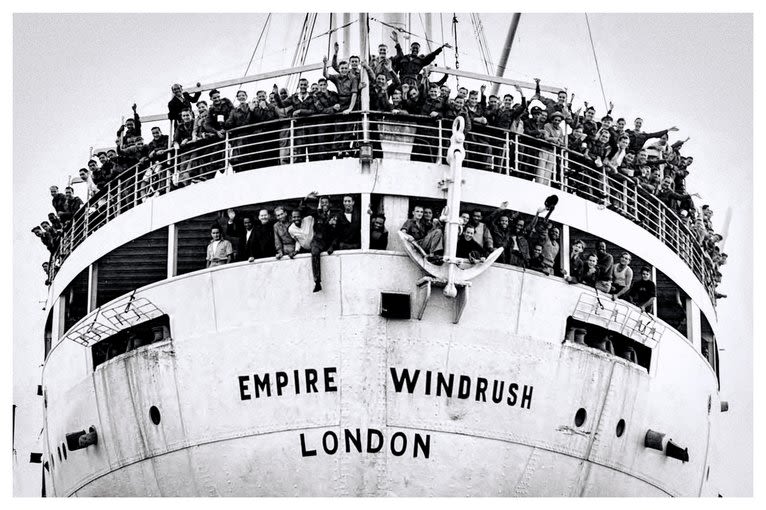
In the postwar period, people from the Caribbean migrated en masse to the UK. The first to arrive travelled on a passenger ship called The Empire Windrush. 802 people from the Caribbean – including 492 Jamaican immigrants – arrived in Tilbury Docks in 1948. Many Caribbean migrants who came to rebuild Britain settled in predominantly working-class areas in industrialised cities such as London, Birmingham and Leeds, along with migrants from India, Bangladesh and Africa. Due to the presence of Caribbean migrants and the popularity of genres of Jamaican music, particularly reggae, Jamaican patois became very influential in the formation of Black British English. The children and grandchildren of Caribbean migrants developed Black British English through their intercultural interactions. Due to Caribbean migration to the US and Canada, there are also significant patois-speaking communities in Miami, New York City, and Toronto.

Featured image via English Heritage

Common misconceptions 

Most languages are creolised. English was once a West Germanic dialect spoken by Germanic tribes. Early Germanic settlers – the Angles, Saxons, and Jutes – brought their language to Britain in the 5th century. Its vocabulary has been greatly influenced by Norman French and Latin.

Many creolised languages spoken throughout the African diaspora are the result of contact between indigenous languages and a European language through the transatlantic slave trade. According to Hubert Devonish, a linguistics professor at the University of the West Indies, these languages “tend to borrow most of the vocabulary from the European language”, but employ West African pronunciation and grammar. This is the case in African American Vernacular English and Jamaican patois – for example the use of ‘dat’ and ‘dem’. The same is true of Black British English, which is regarded as a language in its own right rather than as a dialect – or version – of standard English. Black British English has a consistent system of grammar and speech, and a large, unique body of vocabulary. Rules and structures in Black British English include the unique use of the third person as the first person – such as ‘man don’t care’, meaning ‘I don’t care’.  

This is important to note, because Black languages throughout the diaspora have been stigmatised. Many people misconstrue Black languages such as Black British English and African American Vernacular English to be ‘slang’ or grammatically incorrect English. Although the majority of Jamaicans speak patois as their first language, English is still the nation’s official language. This is the same for Creole speakers in other Caribbean countries such as Trinidad, Barbados and Guyana. Black language speakers are often ignorantly misrepresented as ‘improper language’. This leads many in the US and the UK to ‘code switch’ when speaking in a professional setting or to people outside their community. 

The impact of Black languages on culture today

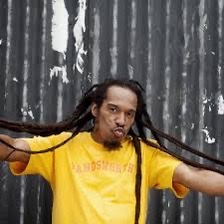
Famous Brits who speak Black British English to express themselves include poet Benjamin Zepheniah. He creates dub-poetry – a form of performance poetry that originates from

the Caribbean. He recites his poetry over a reggae beat. In his poetry, he expresses himself through a combination of Jamaican patois and Black British English. Like many descendants of the African diaspora, Zepheniah rejected his OBE due to its celebration the British empire, which was responsible for the enslavement, oppression and exploitation of people of African descent.  

Featured image via Spotify

In TV and film, we hear characters speaking Black British English – for example in Top Boy and Kidulthood. Many grime and British hip hop artists – such as Dave, Stormzy and AJ Tracey – express themselves speaking or rapping using Black British English. Due to the profound influence of Black British and Jamaican culture on youth culture in Britain, people from other cultures have appropriated the language to a certain extent. Some say that Sacha Baron Cohen’s satirical fictional character ‘Ali G’ is a parody of white young people who attempt to emulate the language. Others argue that this representation is just a harmful stereotype, caricature, and appropriation of urban Black British hip hop and Jamaican culture. 

Beyond the UK, patois has had a profound impact on Canadian language-ways. The country’s relaxed immigration laws in the 1960s meant that large numbers of people from Jamaica and other Caribbean islands migrated to urban centres like Toronto. Today, around 30% of Canada’s Black population has Jamaican ancestry. Due to this significant Jamaican population, and the weight of Jamaican culture, it has become part of Toronto’s mainstream culture.  

Some have accused Drake – a musician of African American and Jewish heritage – of appropriating Jamaican patois in his recent music. However, his upbringing in Scarborough (the heart of Canada’s Jamaican community) complicates his claim to this cultural heritage. Drake is not alone in his imitation of Jamaican culture. Indeed, many regard patois words such as ‘yute’, ‘ting’, ‘dun kno’, ‘ahlie’ and ‘mandem’ as Canadian slang, disregarding their Jamaican roots.

Black diasporic languages have had – and continue to have – a profound impact on global language and culture. They are a fundamental aspect of Black heritage, expression, and cultural memory. Created in response to the harsh realities of and resistance to enslavement, Black languages tell the diaspora’s histories of migration and resistance to white supremacy. Today, they bind Black communities together on an individual, local, and global scale.

FESTAC 77: The Revival of Black and African Cultural Values

By Oluwatosin Attah

‘For the first time since the Slave Trade, for the first time in 500 years, the black family was together again, was whole again, was one again.’ – May 1977 Edition of Ebony Magazine

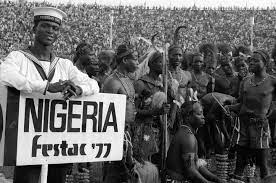
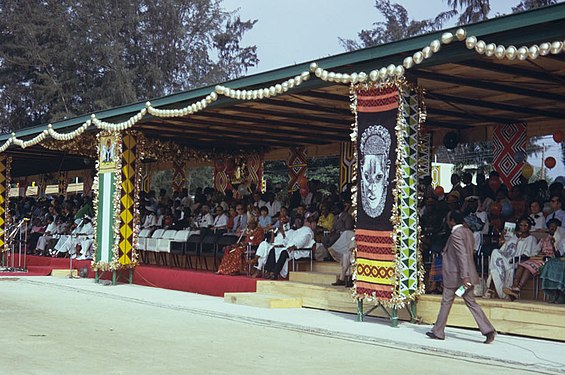
This article highlights the cultural importance of the Second World Black Festival of Arts and Culture whilst underlining the effects it had on the unity of Black people all over the world. The festival itself took place in Lagos, Nigeria from January 15th – February 12th in the year 1977, as the name suggests. The festival was a celebration of African art, African music and Afro-inspired theatrical performances. The festivities consisted of about 50 plays, 150 concerts, 80 film screenings, 40 art exhibitions and around 200 poetry performances.  It was a celebration to be remembered not just for its appreciation of Black people but also for the ramifications faced by Afrobeat’s legend and founder, Fela Kuti, for boycotting FESTAC ’77 – which this article also touches on briefly. 

‘Ethnocide’ was coined and defined by Raphael Lemkin in 1944 as the destruction of the culture and  identity of a people, though Lemkin was talking about the atrocities happening to Jewish people in Nazi Germany, this was an effect of colonialism and the transatlantic enslavement trade on the global Black community. The First World Black Festival of Arts set out to repair the damage that was already done. The festival was largely influenced by the political context of post-independence Africa and through this served as a symbol for the decolonisation of the mind that needed to occur alongside the political decolonisation taking place on the continent. Though the First World Black Festival of Arts and Culture was a success this article will focus on the Second Festival [a.k.a. FESTAC ‘77] as it was the largest congregation of Black people from every continent in one place in the entire history of the Black man at the time. The timing was said to have a major role in its extravagance, as 50 of the once colonised African countries had gained their independence by 1977 and the celebration was amplifying Black pride in the face of adversity. 

Outside of Africa, Black people in Europe and the Americas were also making breakthroughs in their fight against racist oppression and segregation, so they too were keen on visiting Nigeria to partake in this celebration of Black talent and identity. Lidge Daily, an American attendee wrote,  ‘I shared a feeling with my people. I looked into their faces and saw mine. Our smiles and laughter needed not a common language to be understood. To be appreciated. Welcome brother, they said to me. Welcome Home!’ 

The streets of Lagos, Nigeria were crowded with around 17000 natives, fellow Nigerians, visiting Africans, members of the diaspora and all appreciators of Black art and culture for about a month. The crowd was so huge that the Lagos State Government constructed a new housing estate for festival participants. The campus was once filled with the sounds of laughter and feet stomping on the ground as groups were dancing together in the one language understood by all the global participants – music. The estate still stands today, but the government has failed at maintaining its initial glory. 

The displays of unity, cultural enrichment and captivating entertainment that occurred over the 5 weeks, earned Nigeria the title of ‘a crucial nexus for Pan-African alliance building.’ The Guardian claims that Stevie Wonder’s headlining performance was what consolidated his ‘affinity with the continent.’ Communities within the continent also amplified their voice through the festival – with the logo being the Benin mask of Queen Idia it put the question of whether the Western world would return the artefacts they stole to their rightful owners and homes. Some say this was a bold move from Nigeria but it was necessary to show that Black people will not let the West get away with their crimes. 

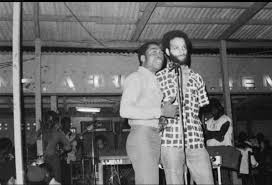
The first President of Senegal, Leopold Sedar Senghor aka ‘the prime poet of Négritude’, declared that ‘Nigeria is to Africa what Greece was and still is to the history of Europe.’ The many Black people that were struggling with identity crises and feelings of belonging were said to have felt at home on the various stages when singing, dancing, acting or citing their poetry to the masses. The response from the crowd was a reassurance of the unity that existed between Black people and the festival was applauded for being the place where this reassurance was received. Though there was so much international praise for Nigeria’s contribution to the ‘revival, resurgence, propagation, and protection of Black and African cultural values and civilization’ there was some condemnation coming from within the nation – namely by renowned musician Fela Anikulapo Kuti. Many Africanists and jazz enthusiasts know that Fela’s music was a form of activism against the military government in Nigeria. When FESTAC ’77 went live, Fela boycotted it by hosting shows at Kalakuta Republic at the same time for the whole month. His shows enticed some of the major artistes that were to perform at the festivals and led them to boycott their own performances as well. Ikonne notes that Chyke Madu of ‘The Funkees’ said ‘What Fela was doing at the Shrine was more exciting and more raw than any other programs at the festival. So, everybody started to go there instead. And of course, the government didn’t like that.’ 

The festival served as a sanctuary for the unification of Black people all over the world, that inspired many to go back to their countries of residence and preach the message of bravery and freedom in the second verse of the Festival anthem – ‘Let a second generation // Full of courage issue forth // Let a people loving freedom //Come to growth’ – the residents of Nigeria themselves were still being silenced and oppressed by military rule to a degree. The first and third celebrations of Black creativity were held in Senegal, in 1966 and 2010, but couldn’t compare to the extravagance of FESTAC’77. The pressure to deliver another festival like FESTAC’77 shouldn’t mean the 2010 Festival should be the last. The Pan-African ideology is not dying anytime soon, and neither is the appreciation of Black art on a global scale, so who knows, maybe the 50-year anniversary of FESTAC ’77 will be acknowledged and celebrated once again in Nigeria. The rising need for havens, that are specifically for Black people, is expected to go on for many years and it is important that these safe spaces are made as they allow the Black community to not only find a sense of family in their identity but also be comfortable enough to just live freely. The Afronation Music Festival, by SMADE Entertainment and others, was said to have this impact as a review by Sosa Sharon said ‘Afro Nation felt like something for us, by us.’ The freedom that comes from being surrounded by ‘your people’ is said to be relieving and the Black community is due for that relief and has been for centuries. Hopefully, more events by Black people for Black people will take place for many generations to come.

BLAM UK Press Release: BLAM UK is now a AQA Award Unit centre

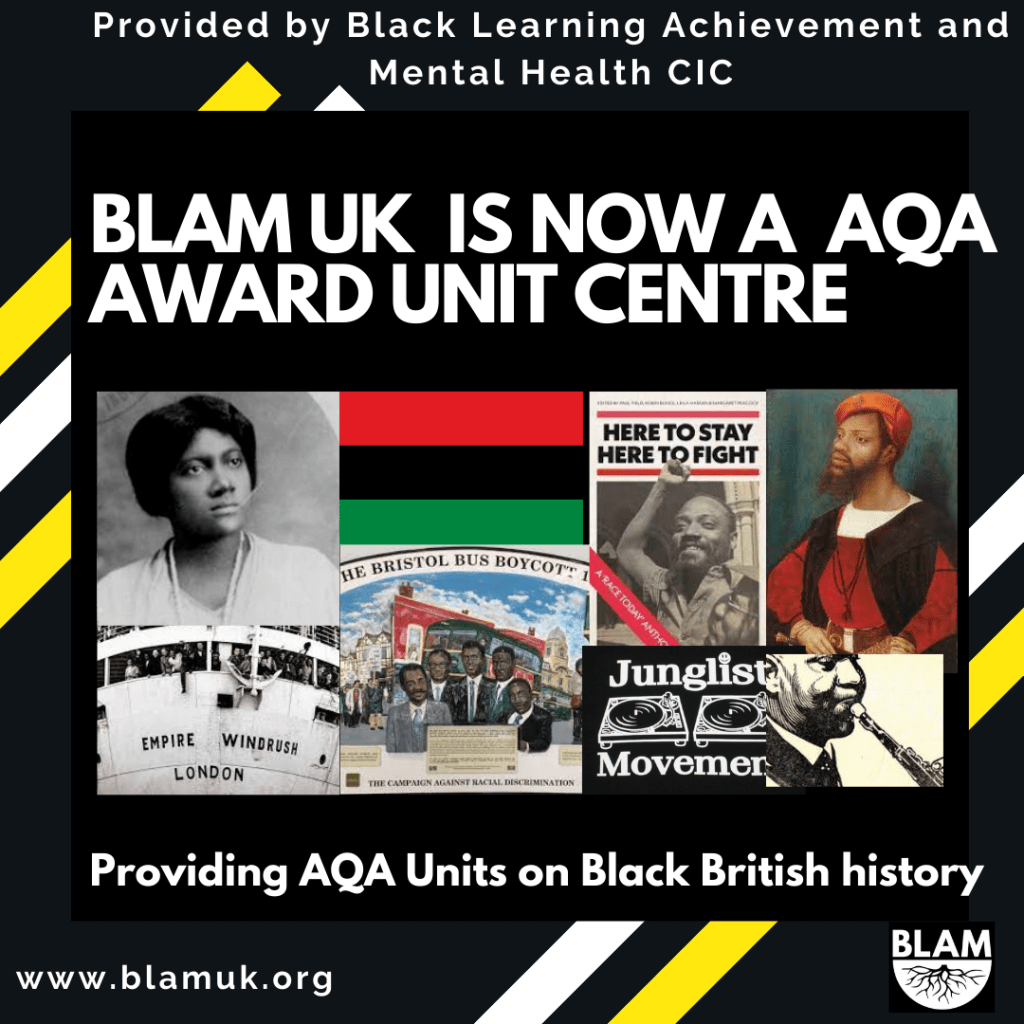
Black Learning Achievement and Mental Health UK CIC (BLAM UK) is now an Approved AQA Unit Award Centre. We are currently providing AQA award Units on Black British history and in the process of creating our own AQA BLAM Black History Module. We provide this service for All Key stages 1-5.

AQA provides the Unit award scheme as a record of achievement.  The AQA Unit Award Scheme is invaluable as it is an important pathway for our students to receive accreditation for their achievements. 

BLAMUK’s history module utilises oral and written history to build up the young people’s understanding of Black narratives both from continental Africa and in the diaspora. Participants are encouraged to complete independent research and make personal observations outside of the weekly sessions.  

The AQA award scheme is completed in conjunction with The Grounded project which aims to improve the racial esteem of young people by asserting truthful narratives about their history. To find out more about how your schools can take part in the Grounded project please email hello@blamcharity.co.uk

Pimlico Students’ Victory- BLAM UK and BPLS Joint Statement

Black Learning Achievement and Mental Health (“BLAM”) & 

Black Protest Legal Support’s (“BPLS”)

“Hair for people of African descent has always been a human rights issue.”

  • Hair Equality Report 2019

BLAM and BPLS are delighted to announce that Pimlico Academy has now agreed that no students will be excluded for exercising their right to protest against institutionalised racism. The students’ demands also challenged poverty, transphobia, the Eurocentric curriculum and sexual assault.

After interventions from both of our organisations, we were able to provide legal support to the students threatened with exclusion. Coupled with the immense tenacity of the students themselves, the support of their families, as well as political, public and legal pressure, we were collectively able to achieve this outcome. However, we maintain that it was shameful these students were ever threatened with exclusion in the first place. 

BLAM and BPLS continue to stand with Black, Brown and Racialised pupils at Pimlico Academy, who made it their duty to fight for our rights and condemn the school’s racist uniform policy. The policy is plainly discriminatory against pupils with afro hairstyles, given it banned hairstyles that “block the view of others”. Additionally, the school had imposed measures regulating hijabs – measures which are clearly Islamophobic. 

Black hair represents more than just a hairstyle: it represents personal history interlocked with generational stories, customs, and legacies. BLAM and BPLS condemn any attempt to suppress afro hair in order to appeal to the white gaze. As Maria DeLongoria stated, in defining the desired beauty aesthetic, the white majority viewed Black hair as the ‘loser’ in the game of respectability politics. Pimlico Academy’s uniform policy only sought to uphold this.

The hijab is a deeply personal expression of faith for Muslim women and girls. It is a wholly illegitimate interference with the practise of their faith to impose limits on the way hijabs should be worn or the colour of hijabs allowed (where there is no school uniform policy). This is another form of controlling Muslim students who wear the hijab and stifling their agency and independence.

Since the student-led protests, Pimlico Academy has revised the uniform policy to accommodate Black students and students wearing hijabs. We continue to stand by their actions and will continue to support them to defend their right to protest against racism.  

UN Experts Respond to BLAM UK Urgent Communications about No10 Race Report

BLAM UK is a Black-led educational, advocacy and wellbeing Non-Profit. Through our advocacy arm we work with the United Nations to support and protect the human rights of people of African Descent in the UK. 

On the 6th April 2021, BLAM UK in response to the dubious, ill-written and dangerous Race Report sent communications to a UN Body requesting that they condemn the UK Government and remind them of their international human rights obligations, particularly those under the International Convention on the Elimination of Racial Discrimination ICERD.  We also requested that they inform the UN Human Rights Council and other Human Rights Mechanism about this report. 

We can now confirm that the UN has responded to our communications and we welcome this timely and sound intervention on this. UN Experts from the UN Working Group of People of African Descent note the following, “In 2021, it is stunning to read a report on race and ethnicity that repackages racist tropes and stereotypes into fact, twisting data and misapplying statistics and studies into conclusory findings and ad hominem attacks on people of African descent.  The Report attacks the credibility of those working to mitigate and lessen institutional racism while denying the role of institutions, including educators and educational institutions, in the data on the expectations and aspirations of boys and girls of African descent. The Report cites dubious evidence to make claims that rationalize white supremacy by using the familiar arguments that have always justified racial hierarchy. This attempt to normalize white supremacy despite considerable research and evidence of institutional racism is an unfortunate sidestepping of the opportunity to acknowledge the atrocities of the past and the contributions of all in order to move forward. That this report comes only six years after the British taxpayer finished paying reparations to nineteenth-century enslavers, without any talk of reparations to those enslaved and exploited, is particularly telling.”

The UN Experts also call for “ The UK Commission on Race and Ethnic Disparities should be disbanded or reconstituted to prioritize an authentic and rigorous examination of race, rather than a politicized erasure of the racialized realities Black Britons navigate”

We welcome the UN Experts sound scholarship, findings and recommendations on the report and the next steps for the UK Government. 

Please see further media reports on the response here- BBC, Guardian and Independent. 

For Press Comments please email- Hello@blamcharity.co.uk

The Race Today Collective: Why Press and Media are Vital in the Fight for Racial Equity

By: Michelle Aboagye

Race Today was a collective focused on uplifting Black communities, showcasing our narratives and pushing back against racist institutions and interpersonal racism in the UK . The collective produced  a journal  of the same name, where they platformed art, culture, and gave a voice to Black communities in the UK and the rest of the world. In this piece, I explore the importance of community solidarity through the work of the race today collective

The beauty of history is its duality. It may serve as a sobering warning for some, and a gentle guide for others. In the case of Black communities in the United Kingdom, it is not only an inspiring guide showcasing  their strength and persistence, but a testament of the power of union and campaigning. The Race Today Collective is an example of this testament. It was bi-monthly (and at a time, monthly) journal and political collective that was centred around the plight of Black people and Black liberation. Race Today was an example of just how radical anti-racist press can help to bring long-lasting social change. In this, I will explore what we can learn from Race Today, for I believe that history holds impactful lessons hidden between dynamic timelines and striking dates.

The Origins of Race Today

Created in 1969, it was originally a publication produced by the Institute of Race Relations (IRR) in Britain. At the time of its debut until 1972, the journal was considerably more academic and neutral in terms of its attitude to racism in Britain. It was far from the radical, anti-racist journal and collective we know it as today. The switch from neutral to definitive and radical was no accident. In 1972, an internal coup in the institute was led by Ambalavaner Sivanandan, a British Sri-Lankan novelist and activist. It was a radical signal of the direction the publication was going to turn and was followed by a snowball of change. First, was a new editor. The appointment of Darcus Howe on 6th November 1973, a prominent Black radical activist and former British Black Panther Party member, allowed the journal to go in this new radical direction. Although editorship would later go to his wife Leila Hassan, Howe’s impact will always be remembered.

Darcus Howe, activist and editor of Race Today journal from 1972-1985. Photo from Shades of Noir.

With Howe’s extensive knowledge on global Black Liberation, in addition to his experience in media, political organisation, and mobilisation he was able to drive the journal  to centre and uplift the voice of Black working class communities. Gone was the neutral stance on racism, and removed was alienating diction. Instead, we saw greater accessibility and definitive stances – Race Today was now staunchly anti-racist, and in solidarity with all those who were fighting to be liberated from exploitation, colonialism, and racism. It was a group, and a publication dedicated to this. It included Darcus Howe, activist Linton Kwesi Johnston, poet Farukh Dondy, amongst others. Darcus Howe even moved the office of the journal from its institutional office in Kings Cross, London, to Brixton during the years of his tenure. The act of moving the place of operation for the journal from an institutional building to a place which was very much, at the time, seen as the hub of the Black community in London was a powerful act on its own. The presence of the Collective in Brixton symbolised a dedication to the Black community. It is for this reason why one of the first lessons we can take away from the Collective is the importance of community.

The Power of Community

To be in community, we speak of the sentiment of togetherness because we share identities, similar or identical experiences, and more. Race Today was devoted to community and celebrated it in many forms, one being culture. Culture unifies the people and is one of the first instances that we, as humans, are able to feel a sense of belonging. The Collective understood that culture was a vital element of liberation movements. It’s for this reason that the journal used its platform to celebrate Black art, literature, music and sports during its operation. It displayed works from major Black icons, such as Toni Morrison, Grace Nihcols, and James Baldwin on expression and Black identity, and incorporated the ideals of Marxist historian and Pan-Africanist C.L.R. James. The Collective also organised cultural events such as book fairs, and with support from local musicians in Ladbroke Grove they also formed a masquerade band known as the Race Today Mangrove Renegade Band which performed at the Notting Hill Carnival. The Collective continuously campaigned for the Notting Hill Carnival and defended its cultural significance. To be in community is also to support one another in endeavours that benefit the community as a whole, and offer solace. For Black communities, community was one of the only forms of support many people had due to the racism and xenophobia they faced from those in their places of work, schools, and neighbourhoods. For Black people, community ranged from financial support, childcare, and other types of mutual aid. In community, we uplift each other and amplify our voices – this was an aim evident in the Race Today journal. Press and media devoted to the fight against racism capturing the essence of community and doing the aforementioned is what we should mirror today. 

The Race Today team. Photo from Novara Media.

The Importance of Solidarity

The Collective understood that liberation and equity were global needs. The international coverage in the journal helped to paint this picture. Topics touched upon transcended borders and showed the extent of solidarity the Collective extended to the exploitation and dehumanisation of Black communities and the effects of colonialism. It’s for this reason that, alongside accounts of Black people in the UK being harrassed by the state, there were extensive discussions about the struggles of workers and citizens in the Global South. Race Today analysed the links between anti-colonial liberation movements, class struggles, and the need to rally behind organisations such as theirs at that time. Race Today was committed to challenging racist institutions and exposing the very real horrors of racism, police brutality and xenophobia, amongst others. It is important to note that though centred on Black people, the Collective was committed to anti-racism in general and often showed support for issues in Asian communities within the UK. 

By utilising aspects of intersectional politics, the Collective were able to relate the experiences of Black people in Britain with other socio-economic categories which contributed to the mistreatment of black people by the state. For example, the Marxist ideals of class as well as racism, created unique experiences for Black working class individuals, who frequently had their voices amplified by the journal, with accounts detailing their experiences. A famous example of this was their 1974 interview with Black nurses and healthcare workers following the first nursing strike in the UK. The Journal displayed how the intersection of race, class and gender increased discrimination for Black nurses. The Collective had effectively created a medium for individuals to be heard and relay their realities. Race Today was also committed to uplifting grassroots campaigns that aligned with them, such as campaigning for the Brockwell Park Three – three Black men who were victims of violence at a fireworks display. Although based in London, Race Today maintained links with groups similar to theirs around the UK, such as the Bradford Black Collective and created networks in Ireland. Solidarity is necessary in the fight for racial equity.

Some covers of Race Today journal. Photo from: Commune journal.

Race Today was a publication centred on the plight of Black communities that was birthed during a period of global anti-colonial liberation movements, persistent calls for change, and the emergence of strength in racial identity.  As mentioned earlier, history holds lessons in its chapters. It sometimes is a graceful and generous teacher. I believe Race Today is one of history’s more gracious lessons. The Race Today Collective is a clear example of just how vital the role of community-led and community-focused media is in the long fight for racial justice and equity. From their operation, we were able to glean several lessons; the power of community, and the importance of solidarity. This can be seen in their dedication to uplifting voices in Black communities through platforming Black art and forms of expression, their platforming the accounts of Black workers, their campaigns against institutions and their racist actions, and more. Once we commit to holding the values of community and solidarity, they will be reflected in our media, and will allow us to take further steps to racial equity. 

To learn more about the Race Today collective, visit The Working Class Movement Library and have a look at the news article from London News Online outlining the work The Collective did.