BLAM UK’s Founder Ife Thompson Joins ‘ART NOT EVIDENCE’ Campaign for Justice and Freedom of Expression
Written By Bettina Ogbomoide
We are eager to announce that BLAM UK’s Founder and Movement Lawyer, Ife Thompson, is a part of the transformative ‘ART NOT EVIDENCE’ campaign, a movement pushing for a fairer criminal justice system.
The ‘Art Not Evidence’ campaign passionately fights against artistic expression, particularly in rap music, being used as evidence in criminal trials. ‘We believe that art is a fundamental freedom of expression and should not unfairly implicate individuals.By collaborating with musicians, community groups, and human rights organisations, we’re pushing for law reform to decriminalise rap music and promote artistic expression for all.’
BLAM UK advocates for and champions language justice, recognising the importance of Black British English, especially in Black music. Black British English and/or African-American Vernacular English provides a platform for Black youth to express themselves, whilst also observing and preserving oral traditions and cultural narratives. Our most recent Black History Month event celebrated Black music’s cultural relevance in the UK, bringing people together through games, quizzes, food, and informative sessions. We’re excited to continue this work through the ‘Art Not Evidence’ campaign.
‘ This is a timely campaign that will push the issue of racial justice in the Courtroom space to the forefront everyones minds. For too long the ways Black people show up in the world including how we look, act and talk have been penalised, policed and prosecuted for this we say no more and I am honoured to be amongst fellow antagonists and disrupters making this much needed change happen.’
Ife Thompson
Following the success of the Restoring Artistic Protection Act (The RAP Act) in the United States, supported by artists like Jay-Z and Meek Mill, we hope that this success can be achieved in the UK too. Using creative expression as evidence risks injustice, perpetuates stereotypes, and contributes to a racially discriminatory system.
We ask that police, prosecutors, defense lawyers, and judges stop the indiscriminate use of creative expression as evidence, and seek to create a legal reform to ensure a fairer system that respects freedom of expression. Join us in seeking justice and supporting the ‘Art Not Evidence’ campaign.
For more information, please contact:
Bettina Ogbomoide
Bettinaxblam@gmail.xom
Enquries regarding ‘Art Not Evidence’ Campaign
Hello@artnotevidence.org
About BLAM UK –
BLAM UK is an award-winning educational, advocacy and mental health not-for-profit. We work to champion Black British cultural capital and creativity, improve the mental health and wellbeing of peoples of African descent, provide a comprehensive and decolonised education system, and support social inclusion of the Black British community.
About ‘Art Not Evidence’ Campaign
‘Art Not Evidence’ seeks to make the criminal justice system fairer by advocating to limit the use of art, particularly rap music, as evidence in trials. We recognise that art is a necessary freedom of expression that shouldn’t be used to unfairly accuse people. We’re teaming up with a number of groups & organisations to push for law changes with the goal of building a more equal and inclusive society that values artistic freedom for everyone.
Mental health, an often overlooked facet of overall well-being, affects everyone, regardless of their background. However, when it comes to the Black community in the United Kingdom, mental health challenges carry a unique and often heavier burden. The state of Black mental health in the UK paints a picture of disparities that demand our attention. Black individuals in the UK encounter a disproportionate share of mental health challenges. These disparities are the result of a complex interplay of socio-economic, cultural, and historical factors. As a starting point, it’s essential to recognize that the prevalence of mental health issues within the Black community is notably higher than the national average.
One key factor contributing to this disparity is the systemic racism embedded in society. The UK has made strides in addressing racial discrimination, but it remains deeply ingrained in various aspects of life, from employment and education to the criminal justice system. The constant stress of dealing with racism takes a toll on mental health, often leading to conditions such as anxiety and depression. In addition to these systemic challenges, there’s the pervasive stigma surrounding mental health issues. In the Black community, as in many others, seeking help for mental health problems can be viewed as a sign of weakness. This stigma often discourages individuals from opening about their struggles or seeking professional support. For Black individuals, the fear of being labelled as “crazy” or the belief that they should be able to handle their problems without help can be overwhelming. As a result, many suffer in silence, and this stigma perpetuates a cycle of suffering.
It’s crucial to emphasise that mental health issues are not a sign of weakness; they are a part of the human experience. Just as we seek treatment for physical illnesses, addressing mental health concerns is equally important. Eradicating the stigma surrounding mental health should be a collective effort, and it’s particularly important to promote open dialogue within the Black community.
In the face of these disparities and the challenge of overcoming stigma, it’s clear that we must work collectively to address the state of Black mental health in the UK. In the sections to follow, we will explore strategies for coping with these challenges, how to seek support, and community initiatives
that are making a difference. Mental health is a concern that knows no boundaries, and it’s high time that we all stand together to ensure that no one is left behind in the journey toward mental well-being.
UNDERSTANDING THE UNIQUE CHALLENGES:
Mental health challenges within the Black community in the United Kingdom are intricately interwoven with a web of unique stressors and factors. It’s essential to acknowledge these specific challenges to formulate effective strategies for addressing them.
❖ Systemic racism is an omnipresent issue that casts a long shadow over Black individuals’ mental well-being. The disparities in access to education, employment, and healthcare not only exacerbate stress but also generate a sense of hopelessness. The weight of historical injustices and continued discrimination can lead to feelings of powerlessness and despair, further affecting mental health.
❖ Discrimination, whether overt or subtle, inflicts deep emotional wounds. The psychological toll of being unfairly treated or prejudiced against can lead to anger, anxiety, and chronic stress, all of which contribute to mental health issues.
❖ Cultural stigma, rooted in longstanding beliefs, can also be a significant impediment to seeking help. Within some Black communities, mental health discussions may still carry the weight of negative associations. Consequently, individuals may be reluctant to acknowledge their struggles or seek professional support, further perpetuating the cycle of suffering in silence.
Understanding these unique challenges is a crucial step in dismantling the barriers to Black mental health in the UK. In the following sections, we’ll explore strategies for coping with these challenges, seeking support, and ultimately working to break down the stigma that has silenced far too many voices for far too long.
COPING STRATEGIES:
When it comes to Black mental health in the UK, coping strategies play a vital role in addressing and managing the unique challenges faced by the community. These strategies can be implemented on both individual and community levels to foster resilience and emotional well-being.
1. Self-Care: Prioritising self-care is essential. Black individuals can benefit from dedicating time to their physical, emotional, and mental health. This includes setting aside moments for relaxation, exercise, and a balanced diet. Engaging in activities that bring joy and fulfilment is equally important. Self-care isn’t selfish; it’s a crucial element of mental health maintenance.
2. Mindfulness: Mindfulness practices, such as meditation and deep breathing exercises, can help individuals stay grounded and manage stress. Mindfulness encourages self-awareness, enabling individuals to recognize negative thought patterns and emotions. In practicing mindfulness, Black individuals can develop emotional resilience and better navigate the challenges they face.
3. Finding Healthy Outlets for Stress: It’s vital to find healthy outlets for stress, whether through creative expression, hobbies, or joining support groups. Engaging with like-minded individuals can provide a sense of belonging and support. Communities can play a significant role in promoting mental well-being by creating spaces for shared experiences, discussions, and solidarity.
Overall, coping strategies are a critical component of maintaining Black mental health in the UK. By prioritizing self-care, practicing mindfulness, and finding healthy outlets for stress, individuals and communities can better navigate the challenges they face, promoting resilience and emotional well-being. These strategies serve as a foundation for addressing mental health disparities within the Black community and working toward a more inclusive and supportive society.
SEEKING SUPPORT:
When it comes to addressing mental health challenges within the Black community in the United Kingdom, seeking professional help is paramount. Although the stigma surrounding mental health issues persists, taking the step to reach out to a mental health professional can be life changing.
Fortunately, there are resources available that cater to the unique needs and experiences of Black individuals. Culturally competent therapists who understand the specific challenges faced by the Black community can provide more effective support and guidance. To make the search easier, you can refer to resources like the “Where to Find a Black Therapist” directory, which lists therapists who specialize in culturally sensitive mental health care.
Support groups can also offer invaluable assistance. They provide a sense of community, understanding, and shared experiences that can be immensely comforting. Additionally, hotlines are available for immediate assistance and crisis intervention.
Overall, seeking professional help and utilizing these culturally competent resources can be transformative in the journey toward improved mental well-being within the Black community. It is a testament to the strength and resilience of individuals and a vital step towards breaking the barriers that have hindered progress in Black mental health.
BREAKING THE STIGMA:
One of the most powerful tools in addressing mental health disparities within the Black community in the UK is breaking the silence that surrounds these issues. The pervasive stigma attached to mental health concerns can perpetuate suffering in silence. It’s crucial to understand that seeking help for mental health is an act of courage, not a sign of weakness.
Encouraging open conversations within families and communities is a significant step toward breaking this silence. By fostering a safe and non-judgmental environment for dialogue, we can create spaces where individuals feel comfortable sharing their experiences and seeking support. It’s within these conversations that we discover our shared humanity, the commonality of our struggles, and the collective strength that can help us overcome the challenges of Black mental health in the UK.
BLAM UK ZURI Therapy
We advocate for the mental health and well-being of Black communities. Our Zuri therapy programme offers FREE therapy!
We work with certified Black therapists to help individuals begin their healing process for racial trauma. We have a specific focus on the lives of Black people in the UK.
The group workshops have been co-developed by BLAM UK and our team of vetted Black therapists to provide a safe place that allows for growth, understanding and learning.The group sessions take place over 4 weeks and will cover:
The effects of Black trauma
Understanding and dealing with racial microaggressions
The duality of being both Black and British
How to use creativity as a therapeutic means of liberating one’s self from the effects of racial trauma
And how to use yoga as a therapeutic tool to soothe and heal from emotional injuries caused by racial stress and trauma
Participants will work on building resilience and discuss coping mechanisms. We believe that in order for therapy to be effective, it must address the needs of the cultural and racial group that it is serving.
“Psychology has traditionally been Eurocentric”. We want to make therapy more accessible and relevant to the Black community by providing a service that is specific to the Black British experience.
This is best achieved by using Black therapists as they will have a similar cultural background to their clients and will, therefore, have the shared experience of living as a Black person in the UK.
In order to sign up you must be a Black person living the UK and over the age of 18.SIGN UP HERE!
Other Black Mental Health Organisations
Several commendable organizations in the UK are dedicated to uplifting Black mental health. Notable ones include:
Black Minds Matter UK: Providing free mental health support to Black individuals and families.
Sista Space: Offering a safe haven for Black women affected by domestic abuse.
These organisations tirelessly work to raise awareness, provide resources, and promote mental health within the Black community in the UK.
WHERE DO I FIND BLACK THERAPISTS IN THE UK:
If you’re searching for Black therapists in the UK, a valuable resource is the PDF guide titled “Where To Find A Black Therapist.” This comprehensive guide offers a directory of Black therapists, making it easier for individuals to find culturally competent mental health professionals who can address their specific needs. You can access the guide here.
The rhythm of history pulsates through the heart of every nation, echoing the stories of its diverse inhabitants. In the United Kingdom, Black History Month is not just a calendar page; it’s a symphony of narratives, a celebration of resilience, and a testament to the extraordinary contributions of Black individuals to the country’s social, cultural, and political fabric. Black History Month holds a profound significance. It’s a dedicated space to honor Black achievements, to reflect on past struggles, and to ensure the voices of Black communities are heard. This month encapsulates the spirit of unity and education, fostering a more inclusive society for all. We journey through the history of Black History Month in the UK. We delve into its origins, understand its significance, and assess its current relevance. By the end, you’ll gain a deeper appreciation for the ongoing struggle and triumph that characterizes the Black experience in the UK.
Historical Overview of Black History Month
Black History Month in the United Kingdom, often celebrated in October, has a rich and dynamic history that dates back to the late 20th century. It all began as a response to a call for greater recognition and understanding of Black history and contributions to society. In
1987, Akyaaba Addai-Sebo, a Ghanaian analyst and coordinator of special projects for the Greater London Council, organized the UK’s first Black History Month.
This initiative was rooted in a deep desire to challenge historical oversights and shine a spotlight on the invaluable impact of Black individuals on British history. It sought to dispel myths, rectify underrepresentation, and, ultimately, create a more inclusive and cohesive society. Since then, Black History Month has become a time for both reflection and celebration, highlighting the accomplishments and stories of Black people in the UK.
The inspiration behind the UK’s Black History Month owes much to the parallel observance of Black History Month in the United States, which had been established several years earlier. Carter G. Woodson, known as the “Father of Black History,” pioneered the idea of celebrating Black history in the U.S. Woodson’s efforts were marked by the creation of “Negro History Week” in 1926, which later evolved into a month-long celebration.
In the UK, influential figures like Addai-Sebo, supported by community organizations and educational institutions, championed the cause. Their collective efforts aimed to raise awareness, rectify historical imbalances, and promote a deeper understanding of the Black experience in the country.
Over the years, Black History Month in the UK has evolved and expanded its focus. While the initial emphasis was on educating people about the history of the Black community, it has since grown to encompass various dimensions of Black culture, including music, art, literature, and more. The month now serves as a platform for celebrating the diversity within the Black community and fostering a sense of unity. In recent times, the celebration has also been influenced by global movements like Black Lives Matter, which have propelled the urgency of addressing racial inequalities to the forefront. This has brought a fresh sense of purpose to Black History Month in the UK, emphasizing the need for ongoing education, dialogue, and action.
Black History in the UK
The history of the Black community in the United Kingdom dates back centuries, far beyond the inception of Black History Month. In exploring the presence of this community, we discover a rich tapestry of stories and experiences that have significantly contributed to the cultural and social fabric of the nation. Black people have lived in the UK for centuries, with the earliest recorded presence dating back to the medieval ages and even before. They have made their mark as soldiers, sailors, and artists, often influencing the course of British history. The National Archives shed light on the enduring history of the Black presence in the UK. The Black community in the UK has made profound contributions to the country in various fields, including literature, music, sports, politics, and more. Figures like Mary Seacole, Olaudah Equiano, and Sir Lenny Henry stand as icons in British history, enriching the nation’s cultural diversity. The Windrush Generation is a pivotal part of the Black community’s history in the UK. In the mid-20th century, many individuals from the Caribbean, often referred to as the Windrush Generation, answered the call to help rebuild post-war Britain. Their legacy is a testament to the enduring impact of the Black community on the nation.
Black History Month in the UK serves as a platform to challenge the colonial legacy, bringing to light the stories of resilience, resistance, and determination in the face of oppression and discrimination. It emphasises the importance of acknowledging the full spectrum of British history, both the achievements and the injustices. By celebrating the contributions of the Black community throughout history, Black History Month inspires future generations of Black Britons to embrace their heritage, pursue their dreams, and contribute to society. Representation matters, and this month provides a means to amplify the voices and stories that are often overlooked. Black History in the UK has not been without its share of challenges, yet it has also witnessed remarkable achievements over the years. The Black community in the UK has faced discrimination, systemic racism, and social disparities. While progress has been made, challenges persist. Black History Month serves as a reminder of the ongoing need to address these issues, striving for a more equitable society.
The Black community in the UK has left an indelible mark on arts, culture, and sports. Achievements in music, literature, and sports by individuals like Benjamin Zephaniah, Zadie Smith, and Lewis Hamilton are celebrated not just during October but throughout the year. In summary, Black History Month in the UK is not only a month of celebration and reflection but a symbol of the enduring Black presence and its vital role in shaping the nation. It acknowledges the historical significance, challenges, and achievements of the Black community, all of which are woven into the tapestry of the UK’s diverse and vibrant history.
Black History Month Today
Today, Black History Month UK holds a vital place in the cultural and educational landscape. One noteworthy aspect of its current significance is the emergence of platforms and initiatives that celebrate and amplify Black culture throughout the year.
@Filmabdi: Summer Is Ours and Love In London Exhibition.
The “Filmabdi” exhibition, as featured in gal-dem magazine, is a testament to the diverse and profound narratives within Black communities in the UK. It delves into the nuances of love, relationships, and the unique experiences that contribute to the rich tapestry of Black culture. The exhibition brings forth stories and perspectives that challenge stereotypes, foster empathy, and offer a refreshing perspective on the many facets of love within Black communities.
Filmabdi’s approach to celebrating Black history is a testament to the creative ways in which this month has evolved. By showcasing art and culture in this manner, it bridges the gap between historical reflection and contemporary expression. It allows us to explore Black history not just as a relic of the past but as a vibrant, evolving, and multifaceted tapestry of experiences.
Moreover, “Filmabd’s exhibition” is not just an exhibition; it’s a catalyst for dialogue. It invites visitors to engage in conversations, ask questions, and gain new insights into the lives, experiences, and stories of Black individuals in the UK. It’s a testament to the power of art and storytelling in highlighting and celebrating Black history.
@theresnosignal:
In the wake of global movements advocating for racial equality and justice, No Signal Radio emerged as a pivotal voice for the Black British community. Established in 2020, this radio station quickly gained recognition and a dedicated listenership.
No Signal Radio provides a unique space for the Black community in the UK, serving as a hub for not just music but also discussions and dialogues on culture, history, and social issues. It offers an inclusive platform where Black artists, creators, and activists can express themselves freely and share their experiences.
One of the station’s key strengths lies in its ability to celebrate Black culture beyond the confines of a single month. While Black History Month is undeniably significant, No Signal Radio operates year-round, ensuring that the celebration and recognition of Black culture are not confined to just one month.
The radio station offers a diverse range of content, including music from various genres, talk shows, debates, and interviews. These programs go a long way in amplifying the voices and stories of Black individuals in the UK and beyond, demonstrating the ongoing significance of Black history and culture in contemporary society.
No Signal Radio serves as a reminder that Black History Month is not merely a one-off event but rather an essential component of the cultural landscape. Its continued growth and influence illustrate how the celebration of Black history, achievements, and culture is woven into the fabric of modern-day British society.
The Need for Continual Evolution
Black History Month in the UK has come a long way since its inception. It’s crucial to recognize that, just as history itself is a constantly evolving narrative, so too should our approach to commemorating it. The need for continual evolution is fundamental for several reasons, the most prominent being the dynamism of society, the changing demographics, and the ever-evolving methods of celebrating and commemorating history.
One notable aspect of this evolution is the role of the youth within the Black community. Younger generations have taken it upon themselves to redefine and rejuvenate the celebration of Black Britishness. They’ve harnessed the power of new platforms and digital media to amplify their voices and showcase their culture in ways that were not possible a few decades ago.
Platforms like No Signal and GUAP GALA have emerged as significant players in this movement. No Signal, for instance, is a popular online radio station that was created during the COVID-19 lockdown in 2020. It gained massive recognition for its unique playlist curation, often spotlighting Black British artists, and hosting live DJ sets and music shows. It served as a hub for celebrating the vibrancy of Black British music and culture.
Guap Gala: @guapmag
GUAP GALA, on the other hand, is a pioneering platform that showcases and celebrates Black creativity in various forms – from music and fashion to art and entrepreneurship. By hosting events and providing a digital space for Black talent, it not only promotes the achievements of Black individuals but also empowers a new generation of creators to share their stories.
These platforms are not just about celebration; they’re about representation, empowerment, and the elevation of Black voices. They are a testament to the resilience, creativity, and ingenuity of the Black British community, and they underline the importance of allowing Black History Month to evolve in response to the changing dynamics of society.
As we look to the future, it’s clear that Black History Month in the UK will continue to transform and adapt. It will be influenced by the aspirations and demands of the youth, as well as the broader society. This evolution may include further incorporation of technology,
the establishment of new cultural traditions, and the exploration of intersectionality. It is a positive sign that the celebration of Black history and culture in the UK remains vibrant and adaptive, ensuring its relevance for generations to come.
In conclusion, Black History Month is not confined to the past but is inextricably linked to the present and future. The need for continual evolution is essential to keeping the celebration relevant, engaging, and reflective of the rich tapestry of Black Britishness. The efforts of the youth, exemplified by platforms like No Signal and GUAP GALA, demonstrate that Black history is a living, breathing entity, and its celebration will continue to be redefined and revitalized by those who cherish it.
In a world where healing and self-discovery are paramount, BLAM UK presents Zuri Therapy, a groundbreaking initiative designed to address the specific needs of Black British individuals. We understand that the journey to recovery from racial trauma can be complex, which is why we’ve partnered with certified Black therapists to create a supportive and safe space for your growth and understanding.
Unveiling Zuri Therapy: Your Path to Healing
Zuri Therapy is a series of free virtual group sessions, thoughtfully curated to empower the Black community in the UK. Over four weeks, participants will embark on a transformative journey, focusing on essential aspects of their lives as Black Britons. These sessions are co-developed by BLAM UK and a team of vetted Black therapists, ensuring that they resonate with your unique experiences.
What to Expect in Zuri Therapy
The Effects of Black Trauma: The workshops dive deep into the impact of racial trauma on individuals. By addressing this crucial issue, Zuri Therapy provides a platform for healing and understanding.
Understanding and Dealing with Racial Microaggressions: These sessions equip you with the tools to navigate and address racial microaggressions, enabling you to regain control over your narrative.
The Duality of Being Both Black and British: Explore the intricacies of identity, the beauty of cultural diversity, and the challenges of living as a Black person in the UK.
Using Creativity as a Therapeutic Means: Discover the liberating power of creativity as a tool to heal from the effects of racial trauma. Express yourself and find solace in the process.
Yoga as a Therapeutic Tool: Learn how yoga can soothe and heal emotional injuries caused by racial stress and trauma. These techniques are designed to help you reclaim your inner peace.
Building Resilience and Coping Mechanisms
Zuri Therapy isn’t just about addressing past wounds; it’s also about building a stronger, more resilient you. These sessions encourage discussions on coping mechanisms, ensuring that you leave equipped with the skills and knowledge needed to thrive in the face of adversity.
A Culturally Relevant Approach
At BLAM UK, we recognize that traditional psychology has often been Eurocentric, leaving minority communities underserved. Zuri Therapy aims to bridge this gap by providing culturally relevant therapy sessions tailored specifically to the Black British experience.
We believe that the most effective therapy is delivered by professionals who share a similar cultural background with their clients. This understanding, shared experience, and cultural kinship are vital components of Zuri Therapy, ensuring that you receive the support you deserve.
Join Us on the Journey to Healing
To sign up for Zuri Therapy sessions, all you need is to be a Black person residing in the UK and over the age of 18. We invite you to embark on this transformative journey towards healing, self-discovery, and empowerment. Your experiences, your voice, and your growth are at the heart of what we do.
Are you ready to start your healing journey with us? Sign up for Zuri Therapy, and let’s walk the path to recovery together.
Have you ever stepped into a store and sensed someone watching you, the gaze of unseen eyes, as though you’re under surveillance? Or perhaps you’ve had someone not-so-discreetly follow you around as you browse the shelves? These unsettling encounters are all too familiar for many Black shoppers worldwide. Such acts of aggression raise the fundamental question: why can’t we shop in peace? In this blog post, we’ll explore how retail settings often become spaces where anti-Black bias is upheld, meaning that Black shoppers have to navigate racial hierarchies even as they seek to buy everyday goods or simply enjoy retail therapy.
Occasionally, news headlines feature stories of Black individuals who’ve endured disrespect and humiliation during their shopping experiences. The phrase “the customer is always right” doesn’t always hold true for Black shoppers, and the Black pound is frequently undervalued. A prime example took place in London on September 11th 2023 when a Black woman visited a Black hair shop owned by an Asian retailer in Peckham. Her only request was a refund, but in response, she was physically assaulted by a larger male shop attendant. Witnessing such an aggressive reaction was extremely triggering and retraumatizing for many Black shoppers.
The incident in Peckham sparked a massive outcry within the Black community, leading to a protest outside the shop. The turnout was heartening, demonstrating the power of Black individuals coming together to support one another in the face of discrimination.
We recently released a statement in response to this incident: “BLAM UK stands in solidarity with the Black community in response to the recent incident involving the mistreatment of a Black woman at a hair shop on Rye Lane, Peckham. To address long-term economic justice, we call for a collective boycott of this shop until the responsible party is held accountable for their actions.
Furthermore, we acknowledge the systemic issues within Afro’ hair shops, where Black customers often face unwelcome surveillance, poor service, and Anti-Blackness.” It is time we prioritise our community over convenience. Along Peckham High Street, there are nine ‘Afro’ hair shops, none of which are Black-owned, perpetuating a cycle of economic imbalance.
In what world should a customer be denied a refund or exchange for a faulty item?
This is against the buyers RIGHTS! This incident highlights the need for change, and together, we can shift the power dynamic within the Black cosmetic industry towards Black wealth.”
Research indicates that Black people are more likely to be viewed as suspicious while shopping compared to individuals of other races, but most particularly in contrast to white shoppers. Furthermore, Black shoppers often endure longer waiting times and poorer customer service. Additionally being middle or upper middle class as a Black person fails to dissuade shop attendants from engaging in racial profiling based on their biases.
Despite this troubling reality, there’s a limited understanding of how processes of racial exclusion operate in the marketplace and how they alter the shopping experiences of Black consumers. Racial hierarchies are often replicated in consumer markets and thus the shopping experiences of Black shoppers are negatively impacted. The lack of research into these experiences contributes to unfortunate oversight and failure to take them seriously.
When such incidents go unexamined, they are more likely to be dismissed or ignored, perpetuating a cycle of discrimination and injustice. It is so important that we advocate for more ways to shed light on these issues, raise awareness, and work towards creating a retail environment where all shoppers can enjoy equal rights and respect.
We urge you to consider purchasing Black hair products from BLACK OWNED stores, an industry where Black women are statistically dominant, accounting for 80% of hair product sales, contributing over £5 billion annually to the UK economy.
The retail market has long been monopolised by South Asian men. It’s time we shift this narrative and ensure Black communities profit from the Black cosmetic industry.
The UK Black cosmetic industry is valued at an estimated £88 million, yet many popular high street stores catering to Black women are owned by South Asian communities. We cannot and will NOT tolerate violence against women, and we will not allow these businesses to continue extracting wealth from our communities. We call for a comprehensive boycott, ensuring these establishments go out of business.THEY NEED TO GO!
In conclusion, it’s essential for Black individuals to support Black-owned and local businesses, many of which can provide more positive shopping experiences than establishments where shop attendants may have racial biases against Black shoppers.
Here’s a list of Black-owned hair shops where you can find quality products and a welcoming shopping environment:
BLAM UK ignited a dynamic celebration of Black British culture and Black Joy at our recent event, and let’s just say, we absolutely nailed it! The energy was electric, the atmosphere was nothing short of LIT. BLAM UK stepped up to the plate and delivered an event that resonated with the vibrant essence of Black culture and the power of Black Joy.
Missed out on the BLAM UK event? No worries, we’ve got you covered! Our latest blog is your ticket to catching up on all the exciting highlights you might have missed. From the soulful rhythms of Black British music to the linguistic richness of Black British English. Don’t let FOMO get the best of you – dive into our blog to relive a brief experience and join us in embracing the beauty of this cultural celebration of BLACK JOY!
Black British Music
Music is often seen as an expression of identity, and that is no different for Black British people. For decades, Black British music has shaped British culture and provided a sense of unity for Black British people.
Throughout the decades, music has provided a sense of belonging for Black British people. It has created a space for expression often when society does not want to listen or does not naturally offer a safe environment to do so. The expansion of social media and streaming services has been an asset in bringing Black British music to the limelight and achieving its global recognition.
A common and crucial theme when considering Black British music is the concept of identity. Music has been used as a means to connect with and pay homage to our Black British stories, as well as offering context to the Black experience.
Black music has always been a vibe . Thus the impact of Black music has been undiable. A huge influence on popular British culture, Black British music has permeated fashion, language, musical rhythms, a variety of genres and television!.
This influence extends to Black British Television. Artists and directors such as Steve Mcqueen have used music to enhance storytelling and emphasise cultural significance. For instance the creative use of Black British music in Blue’s Story created a new way of connecting music and TV.
The interconnectedness between Black American and Black British music has also been significant. The MOBO awards is a great example of this cultural crossover which featured a variety of Black American artists performing alongside Black British artist. Did you know that the song “Angel of Mine” by Monica was actually a cover of an original song by the band Eternal?
Black women have made amazing strides in music today! The music industry has previously been known to be notoriously sexist, but women such as Ms Banks, Little Simz, Bree Runway and more have broken barriers in a variety of genres. It’s incredible to see what Black women have overcome and excelling in industries and genres they were told they couldn’t be a part of.
Having a visual representation of Brotherhood is truly empowering and essential in countering the negative narratives perpetuated by the media about Black men. Celebrating groups like NSG, Westrn, and Krept and Konan highlights their powerful demonstration of unity and love among the mandem. In a world where anti-Black stereotypes prevail, showcasing warm, affirming examples of brotherhood showcases the strength and resilience of Black men. It’s a reminder that boys need love too, and by embracing and celebrating such representations, we can foster a more inclusive and compassionate society for everyone.
Let’s dive into more Black British music genres…
Jungle music
Uniquely British and developed the very popular Black British rave scene in the 1990s. Grown from reggae, but digitised and would usually have samples of reggae songs. Samples are parts of a different original song used in another original song. Jungle came before Drum n Bass (D’n’B) which emerged in the mid-1990s. Jungle has influenced many genres, especially one called ELECTRONIC DANCE MUSIC (EDM).
UK Garage
UK garage is another popular and chart hitting genre of the Black British sound. Emerging at the end of the 1990s, UK garage is a take on American garage. UK Garage made stars like Craig David, Ms Dynamite and Lisa Maffia. It emerged much like Jungle music as a response to the popularity of American hip-hop. Black Brits wanted to create a unique British sound that recognised different Black experiences in Britain.
Funky House
Jodie Aysha, 28, from Leeds, was just 14 when she penned the hit, which is about her heartbroken older sister. The song peaked at number two after being beaten to the top spot by Leona Lewis’ warbling Bleeding Love. It spent 46 weeks in the UK Top 40 Singles Chart and became the most requested tune ever on BBC Radio 1 Extra. Jodie didn’t receive any royalties from the song, which is believed to have banked six-figure profits, and she was also not paid for appearing in the promotional video. Exploitation of Black musicians has unfortunately been a recurring issue in the music industry. This trend has persisted over the years, echoing similar cases that have affected artists like IVD and TLC as far back as the 90s. These instances shed light on the challenges that Black musicians often face, ranging from unfair contracts and insufficient compensation to lack of creative control and exploitation by those in power. It’s crucial to recognize these patterns, advocate for artists’ rights, and work towards a more equitable and just music industry that values and respects the contributions of Black musicians. After a lengthy court case, Jodie won her share of the royalties in 2013
Grime
Emerged in the early 2000s (‘The Noughties’) from East London. It was a moment when UK Rap found it’s voice separate to that of US Rap. Grime includes Black British experiences of estate living and growing up in the ends. Grime, originally an underground music movement, emerged as a response to the commercialization of mainstream music that often overlooked the experiences and perspectives of Black people. As artists began creating music tailored for radio play, they sometimes veered away from addressing the realities faced by Black communities. Grime, on the other hand, became a platform for artists to authentically express their lived experiences, addressing social issues, systemic challenges, and their cultural identity. It served as a voice for Black individuals, providing a space to share narratives that were often unheard in mainstream music. Over time, Grime has grown to gain recognition and respect on a broader scale, reflecting not only the evolution of the genre but also the increasing acknowledgment of the importance of diverse voices in music.
Although Grime is considered a male dominated genre, Grime squads also made room for women and still do! Women MC’s such as Shystie and NoLay were a part of Grime squads back in the early 2000’s and are very much the OG Queens of Grime.
UK Rap Now
British Rappers have always hopped on old-school West/East Coast beats, as the states have clearly had a great deal of influence on the British hip-hop scene. The beat for “Talkin the Hardest” by Giggs was made by Dr Dre and was intended for Atlanta-based rapper Stat Quo on his shelved track “Here We Go.” Nines also took the beat from “My Buddy” by G-Unit for his track “AJ’d Out.” However, at the time, British rappers hopped on these beats out of necessity, as the British rap scene was not nearly as saturated with producers as it is today.
Afro-Swing
Afroswing (or afrobashment) is a recent British genre that developed in the mid-2010s from afrobeats and dancehall, influenced by UK hip hop and rap – a fusion of previous Black British music genres with African and Afro-Caribbean sounds. The creation of this melodic genre was influenced by the increase in Black British artists embracing their African heritage, unifying both parts of their identity. The Grammy Award-winning music producer Jae5 has been instrumental in the growth of afroswing, and Black British music as a whole, having worked with various artists such as NSG, Dave, Skepta and Headie One.
J Hus The Afro-Swing KING! A Gambian-British artist hailing from Stratford, London, has undeniably earned his crown as the King of Afroswing! With his unique blend of African and British influences, J Hus has become a standout figure in the Black British music scene. His infectious beats, smooth melodies, and charismatic flow have garnered widespread acclaim and a massive following. Collaborating with global superstars like Drake has further solidified his position as a prominent force in the industry. J Hus’s ability to seamlessly merge cultures through his music has not only resonated with audiences worldwide but also played a significant role in popularizing Afroswing as a genre.
His talent, authenticity, and pride in his Gambian heritage have made him an inspirational figure for aspiring artists and a true representation of the cultural richness found in London’s diverse music.
Black British Party Scene
Black British party scene has indeed functioned as an act of resistance since its inception. It has served as a powerful platform for expressing cultural identity, reclaiming spaces, and challenging societal norms. By creating their own spaces for celebration and expression, Black individuals and communities have been able to resist marginalization, discrimination, and cultural erasure. These parties have played a crucial role in fostering a sense of belonging, unity, and pride among Black Britons, while also promoting visibility and solidarity. In the face of historical and contemporary challenges, the Black British party scene continues to serve as a form of resistance that celebrates cultural heritage and empowers individuals and communities.
During the Windrush era, Black individuals who came to London from the Caribbean faced racism, leading them to distance themselves from the British nightlife. In response, they established their own vibrant nocturnal culture, spanning from Shubz gatherings to intimate house parties.
The term “shubz” has its origins in Jamaican Patois, where “shub up” means to move quickly or dance vigorously. Over time, the term evolved to refer to the events themselves, where people gather to enjoy music, dance, and socialize. Shubz events are often seen as a means of cultural expression, a way to connect with one’s roots, and a response to exclusion from mainstream nightlife during periods of racial tension and discrimination. Also a shortened version of Sheebeen. In the 1980s, you could get into a house party in north London for just 50 pence. Inside, you’d knock back drinks – no hard liquor, just Babycham and Cherry B – listen to blues and Lovers Rock, a genre of reggae specific to London. Today, this tradition continues as Black communities continue to shape the global party scene. International sensations like Recess, DLT, and Dankie Sounds exemplify this impactful legacy!
Black British English
BLACK BRITISH ENGLISH IS A LANGUAGE!
Linguists identify ‘‘standard’’ languages as political constructs, having little to do with the inherent linguistic structure of any given language, as all languages are in fact created by humans for the purpose of communication, there cannot be an inherent form of language supremacy.
Did you know ?
The majority of Black British English stems from Jamaican Patois. Black British English also have influences from AAVE, Nigerian Pidgin and BBE Words. Black British English is a creole language. This means that it is a combination of both African & Caribbean languages and modern English. Patios, Nigerian Pidgin. Jamaican Creole in particular – also known as ´Patois´- has become the dominant Creole spoken within the British African Caribbean community, since about 60% of African Caribbean migrants were Jamaican. BBE is a form of resistance to English Imperialism and domination! Like other forms of imperialism, English language imperialism threatens the survival and development of indigenous languages of former colonies and the communities in the diaspora. It diminishes the use and value of minority languages and completely displaces them (Shannon, 1995). Linguistic imperialism privileges given to specific languages lead to inequality among languages. Speakers of dominant languages tend to have advantages in education, employment, and social status, while speakers of minority languages tend to be disadvantaged in those settings.
Anti-Black Linguistic Racism:
Rusty Barrett reminds us that ‘prejudice against speakers of undervalued languages often comes with arguments that only the standard language is able to express nuanced meanings, encode logical thought, or produce good writing. Yet these beliefs have no a valid basis in linguistic facts. All languages are capable of expressing nuanced or subtle distinctions in meaning.’ The practice of policing and shunning Black languages is known as Anti-Black Linguistic Racism. Dr April baker Bell coined this term and explains it as the following- Anti-black linguistic racism refers to the linguistic violence, persecution, dehumanization, and marginalization that Black Language (BL) speakers endure when using their language in schools and everyday life. It includes teachers’ silencing, correcting, and policing students when they communicate in BL. It is the belief that there is something inherently wrong with BL; therefore, it should be eradicated. It is denying Black students the right to use their native language as a linguistic resource during their language and literacy learning. It is requiring that Black students reject their language and culture to acquire White Mainstream English(WME), and it is also insisting that Black students code-switch to avoid discrimination
Black History Month Event!
Mark your calendars for October because our next event is just around the corner! Get ready to celebrate Black History Month in style as we invite you to join us for an unforgettable Black music event. From the techno rhythms that have shaped generations to the amapiano beats that are making waves today, we’ve got it all covered. Prepare yourself for a night of Black vibrancy, musical excellence, and a celebration of Global Black Music. Stay tuned for more details, TICKETS OUT SOON!
London, a global metropolis brimming with history and culture, offers an array of enriching experiences that highlight the vibrant contributions of Black communities. From captivating cultural archives and insightful historical walking tours, to dynamic arts centres and flavourful markets, there is something for everyone. Moreover, several of these experiences are affordably priced, or even free, making them accessible to Black families seeking to delve into the rich tapestry of Black culture in the UK. This city, steeped in diversity, invites Black children and families to not just learn about their heritage, but to celebrate it. Whether you are marvelling at the artefacts in the British Museum, exploring the African and Caribbean influences in Brixton Market, or immersing yourself in the pulsating rhythms of the Notting Hill Carnival, London provides ample opportunities to create unforgettable memories.
There are a variety of activities and attractions in London that celebrate Black British culture and heritage. Here are some suggestions:
Black Cultural Archives: Located in Brixton, the Black Cultural Archives is the UK’s first national Black heritage centre. It offers a rich and diverse collection of archives, as well as numerous exhibits and educational programs. Admission is free, but donations are welcome.
Black History Walks: These guided walking tours take you through different parts of London, highlighting the African and Caribbean history and influence in these areas. They’re an excellent and affordable way to explore the city and learn about its diverse history.
Visit the Tate Modern: There are often exhibitions featuring black artists from all around the world, and the museum itself is free to enter.
The Africa Centre: This organisation hosts a range of cultural and educational events that celebrate the diverse cultures of Africa and its diaspora. Events include music concerts, art exhibitions, film screenings, and more.
The Notting Hill Carnival: If you’re in London in late August, this is an event not to be missed. The Notting Hill Carnival is a vibrant celebration of Caribbean culture, with music, costumes, and food. Participation in the carnival is free.
The Bernie Grant Arts Centre: Located in Tottenham, this arts centre is dedicated to supporting and promoting the work of black artists. It offers a variety of performances, workshops, and other events.
Brixton Market: Brixton Market is a great place to experience the influence of African and Caribbean culture on London. You can find a variety of food, spices, textiles, and more from these regions.
Remember that although London is a big city with a lot of entertainment options, many of the best experiences, such as exploring different neighbourhoods or parks, are free. The UK has a rich Black history and culture, and London is the perfect place to experience it firsthand.
Alternatively if you’re not from the city of London, BLAM UK still has you covered!
Here’s a list of Black-centered activities and attractions for families to enjoy outside of London in different UK cities. BLAM UK ensures that you and your family will have an amazing time exploring these diverse and enriching experiences:
Manchester – National Football Museum: Discover the rich history of football at this interactive museum, celebrating the contributions of Black players and the sport’s multicultural impact in the UK.
Birmingham – Black History Walks: Embark on an educational journey through Birmingham’s streets, guided by passionate historians, to learn about the city’s Black heritage and its influential figures.
Bristol – International Balloon Fiesta: Marvel at the spectacle of hot air balloons taking flight, and enjoy a lively family event featuring multicultural food stalls, music, and performances.
Liverpool – International Slavery Museum: Engage in thought-provoking discussions about the Transatlantic Slave trades impact on society and explore stories of resistance and resilience.
Leeds – West Indian Carnival: Immerse yourself in the vibrant Caribbean culture during this joyous carnival, filled with colorful parades, music, and delectable Caribbean cuisine.
Glasgow – Black History Month Events: During October, participate in various workshops, talks, and performances celebrating Black history and culture throughout the city.
Edinburgh – National Museum of Scotland: Uncover Scotland’s diverse past, including the influence of Black communities on its history, arts, and culture.
Cardiff – Africa & Asia Venture Boat Trip: Sail on a relaxing boat trip, exploring Cardiff Bay while learning about the contributions of African and Asian communities to the city’s development.
Newcastle – Black Cultural Archive Exhibition: Delve into the stories of Newcastle’s Black community at this enlightening exhibition, showcasing their achievements and experiences.
Sheffield – Kelham Island Museum: Experience the industrial heritage of Sheffield and explore the contributions of Black workers throughout history.
These activities will not only offer your family a fun-filled day but also deepen your understanding and appreciation of the UK’s diverse cultural landscape. BLAM UK is your go-to resource for an unforgettable and enlightening family adventure!
The UK’s Current Policy & Practice on the school exclusion of Black children
The State bears a hostile relationship to those it controls, there are some who are controlled in different ways and who feel the force of the State in more acute ways.’- Marquis Bey
The school is a space in which the state’s controlling and anti-Black functions are unleashed unto Black children.
The UK has one of the highest numbers of permanent school exclusion in Europe. In places Like Portugal, Spain and Italy school exclusion does not exist as a legislative option. Staying true to the UK’s ingrained anti-Blackness, the exclusion of Black children continues to remain disproportionality high. A recent Guardian Report found that ‘exclusion rates for Black Caribbean students in English schools are up to six times higher than those of their white peers in some local authorities’.
The UK’s commitment to zero tolerance policies is one way in which the exclusion of Black children remains high; but I would argue that schools institutionalised anti-blackness allows them to make decisions founded on racist stereotypes that allows them to find means to justify the exclusion of Black children in the UK from educational spaces. They mask these exclusions under the themes of punishment, safeguarding and welfare of staff and other students and deterrence. All themes followed and used explicitly show the merging of the Criminal justice System language in the school space.
Zero Tolerance Policies:
The creation of war of drugs policy came about as a carceral response to punish Black communities. UN experts on people of African descent noted that “the war on drugs has operated more effectively as a system of racial control than as a mechanism for combating the use and trafficking of narcotics”. Policies like that of the war on drugs led to the creation of zero – tolerance policies within the criminal punishment system that continue to have devastating effects on the Black community. The usage of zero tolerance policies aids in turning school spaces into sites focused on criminal punishment-based responses toward children. The recent case of ‘Child Q’ demonstrates this as she was subject state-sanctioned racist& sexual assault (strip search by police officers) for smelling like “weed”.
This showcases how the racialised drug policy is being used to justify the harassment and criminalisation of Black children within school settings without regard to the horrifying, misgynoiristic and traumatising effects.
Privatisation of education as a driver for Anti-Black exclusions:
We are seeing an unprecedent moved from the government towards the privatisation and academisation of schools and Pupil Referral Units (PRUs). Academisation has led to the profiting of the school exclusion of children. The Conservative government through the introduction of the Academies Act 2010 was able to enable to force “failing” PRUs ran by the Local Authority to turn into Alternative Provisions academies run often by business owners. One academy brand that enable us to fully understand the issues with this new approach/ educational policy is ‘The Harris Federation was set up by Lord Harris of Peckham, a major Tory donor and one of the richest men in the country. Their CEO Dan Moynihan is the highest paid academies leader, receiving a controversial £420k a year. The Harris Federation currently runs 41 academies in and around London. They have been criticised for their high expulsion rates, high turnover of teaching staff, and unreasonable use of public money’ Academies are publicly funded businesses paid directly by the Government, they have complete autonomy over all that they do apart bar a few statutory duties.
We should be concerned as only 4% of students in Alternative Provision’s leave with GCSE’s. The School Exclusions policy we have in place in the U.K is allowing the educational attainment gap to further widen on class and racial lines, they are also playing a key role in what we term in the UK as the Pru- Prison Pipeline.
The growth of students to use these AP schools have been aided by the Government ‘s recent reform to the School Exclusion Appeals Process. In 2011 the Government changed the way in which schools were held to account for the permanent exclusions they decided to issue. The Independent Review Panel (the only independent part of the school exclusions appeal process) could no longer allow (reinstate) a pupil to return back to the school, if they deem the exclusion to have been wrong. DfE’s data shows that this change has led to a reduction in the number of students being granted reinstatement. Their data also shows only 6.6% of reviewed decisions result in a student returning to their school. This policy change “coincidently” timed well with the rising growth of academies and APs. AP’s are paid per student per year and receive from the government £20,400 per child placement compared to just £985 per year for a child in mainstream secondary school education. Through this state-mandated practice we are actively seeing the commodified of education, we are seeing practices in place that inevitably serve the personal interests of these businesses ahead of our communities at large.
Further research rightfully shows that ‘The IRP format was unpopular with the majority of parents, exclusion officers and a minority of headteachers. These changes were described as politically motivated, unnecessary and confusing for parents, while many felt the IRP’s inability to reinstate students could not provide justice for parents and made exclusions easier.’ The Government’s manipulation of the accountability process against exclusions and the capitalisation of the school exclusion process has allowed for the active entrenchment of the racial disparities in school exclusions.
Carceral State in education policy:
Schools are sites the reproduce the social order and thus there is a mirroring of criminalisation of Blackness and Black culture in educational settings. Schools use uniform policies as a means to codify and penalise Black children, a recent example of this can be see through the caseload of our work at BLAM UK– one Black girl expressed to us she was sent to detention for coming into school with her hair in a natural state and not styled with gel. In some cases, Black children have been excluded for wearing Afro Hair to school – Ruby Williams is one such example. Pimlico Academy’s uniform policy that discriminated against Afro-Texture hair forced young people to go on staged a school-based protest.
We are also seeing cultural practices unique to Black communities policed and banned. One school in south London banned Black- British English usage in ‘formal learning settings’. Black Learning Achievement and Mental Health UK CIC (BLAM UK), led a campaign calling for the immediate reversal of this decision. We explained how the policy degrades and harms Black students by reinforcing anti-Black linguistic racism, classism, and an ideology of white supremacy by reinforcing elitist forms of English as the “norm” whilst simultaneously othering and criminalising BBE. We also highlighted that such a policy would only further exacerbate the disproportionate school exclusions Black children face, as communication in this language would be subject punishment, recorded on their school record that can be used to support their exclusion. Schools are able to institutionalise these types of Anti-Blackness under the guise of school and academy policies/ codes as the Government allows school to have complete discretion over the content within their guides, only requiring a self-assessed application of the statutory elements. School and Academies ( the later given more leeway by the state to this ) are at creative liberty to design, create and enforce their uniform and behavioural polices. The government’s position on this remains the same despite the news coverage and backlash of the anti-Black policies many schools chose to enforce. The UK government has a complete disregard to anti-blackness in UK schools and have failed to put anything in place to protect Black students or to ensure schools are upholding their Equality Law duties. It is currently up to parents to organise and expose the truth to the community as a means to hold schools to account this. The government does not provide legal aid for education law matters making the access to an educational lawyer to support Black families wishing to challenge exclusions unattainable due to the high costs. It is of particular note that more than half of UK Black children live in poverty and Black pupils as a group are the most overrepresented (in absolute terms) in the FSM population (this means that a higher proportion of Black pupils were eligible for FSM compared to their proportion of the general pupil population). Black pupils made up 9% of FSM pupils but only 6% of pupils overall.
It is our mission to support Black parents against the alarming levels of anti-Blackness they face that lead to us creating a free advocacy support team to help our community in holding schools to account. Our Work at Blam UK has caused us to demand the following educational polices that will cultivate and nurture Black Futures.
We are calling for:
Black freedom, justice, and abolition practices in the education system.
Abolition of School Exclusions in the UK
Education spaces that cultivate Black Joy.
Educators ask themselves, ‘Do I need to respond in a way that relies on the state or social services?‘
Radical transformative justice to be practised in all UK schools.
Afro hair discrimination and bias to be stamped out.
Mandatory training of teachers on adultification bias, Anti- Blackness, Spirt Murdering of Black Children
Schools to be sites that cultivate, place at the centre, and recognise our cultural artefacts as Black people and use it to build us up and empower us against the harsh white backdrop of white supremacy.
We echo the words of Black Crit Thinkers and believe that UK schools must become sites that act ‘as forging refuge from the gaze of white supremacy—where Black children dream weightless, unracialised, and human. Where language flows freely and existence is nurtured and resistance is breath. Where the Black educational imagination dances wildly into the night—quenching the thirst of yearning and givin birth to becoming.’
Glossary of Terms
Alternative provision (AP): alternative provision is education for pupils who, because of exclusion, illness or other reasons, would not otherwise receive suitable mainstream education. AP education includes education arranged by schools for pupils on a fixed-term exclusion; and pupils being directed by schools to off-site provision to improve their behaviour.
AP academy: PRUs that convert to academy status become AP academies. PRUs can convert on their own, as part of a chain of academies, or with the support of a sponsor.
Pupil Referral Unit (PRU): an establishment run by a local authority which is specifically organised to provide education for children who would not otherwise receive it. This can be, for example, because they are excluded or have a mental or physical health condition that means they cannot attend their normal school.
Zero Tolerance Policies: Originally developed as an approach to drug enforcement (Skiba & Rausch, 2006), the term became widely adopted in schools in the early 1990s as a philosophy or policy that mandates the application of predetermined consequences, most often se- vere and punitive in nature, that are intended to be applied regardless of the gravity of behavior, mitigating circum- stances, or situational context.
Our books ‘Global Black Narratives in the classroom Vol 1 and 2 are practical lesson plans, interactive worksheets and activities for Primary School Teachers committed to ensuring Black history and narratives are centred and included in their lessons, across a range of subjects all year round!
Our two part book, published by Routledge includes a series of interesting, unique and global Black history and narratives. From Black culture and life in Great Britain to hidden cultural artefacts of Afro-Latinas, Afro- Colombians and unearthing the art and geophysical nature in Africa and the Caribbean to Black Languages and music in the Americas- this book is truly global. Designed by the BLAM UK team, using the UK’s national curriculum to provide teachers with Black narratives that can be included in the classroom across art, literature, languages, Drama, Music, History, Geography and Poetry.
Why did we create this book ?
As an organisation, Blam UK has worked with Primary and Secondary Schools across London for over 5 years, delivering weekly, in-session and after-school lessons on African, African-Caribbean and Black- British culture, history and heritage. We also deliver teacher training on Anti-Racism and creating a Black centred school curriculum. It is through our work that it became clear that although many teachers have the desire to make the curriculum more centred on Black narratives, they had never been given the tools to do this and many were at full capacity to create the new resources to do this. To fill in this gap, BLAM UK created this workbook for educators to aid in ensuring there is a seamless transition in the reworking of the curriculum. We are excited with the changes this book will help bring.
PRE-ORDER our book now to help change the way we do education! Tell a friend to tell a friend or you could tell a teacher to tell a teacher!
The concept of adultification is not new by any means, and yet its importance within social movements is often overlooked. Such is the case in the UK as seen in the case of Child Q, and the continued social and educational inequalities faced by Black girls. The current awareness of adultification provides further context and verbiageto the conversation about racial discrimination in the UK. Rooted in historical racial discrimination, adultification takes form in both the socialisation and social perception of Black children, but more specifically Black girls. In the first instance, children who experience adultification are often forced to mature out of necessity, which is often experienced by children raised in lower-income households and destitute environments. This can take form in children becoming caretakers for family members, potentially having to provide financial support for their families, or even witnessing or experiencing abuse. These scenarios often force children to have to emotionally and intellectually ‘grow up’ as they take on adult responsibilities. Adultification is also a cultural and social stereotype in which adults perceive (particularly) girls to be less innocent due to social or cultural stereotypes typically surrounding their race and gender. This phenomenon was further affirmed by a 2018 study that focused on the use of stereotypes by white adults who work with children. It found that adults were more likely to impose negative, racist, and misogynistic stereotypes on to Black children. This pattern of stereotyping was found to support the finding that Black children are viewed as less innocent. Consequently, Black girls in particular face adultification as many of them lose their childhood freedoms due to the pressures and biases of society. Childhood itself is a construct, but it affords children the ability to make mistakes without the culpability that is given to adults due to a social and legal understanding that children are still developing, growing, and learning. Yet, Black girls are close to two times more likely to be arrested, they are two times more likely to be excluded from school, and they are more likely to be sexually assaulted. All of these events place girls in “adult” situations often without support from institutions or the state, often placing upon Black girls culpability that is not age-appropriate. It is such actions that strip away the ability of a Black girl to experience the innocence and protection associated with childhood.
This perceived lack of innocence in Black girls and their involuntary maturity has caused Black girls to suffer insurmountable harm in social, educational, and legal spaces. Within society, a study based in the US finds evidence that Black girls are typically viewed “as less innocent and more adult-like than white girls of the same age, especially between 5–14 years old”. The removal of innocence from girls as young as five is closely connected to racist and misogynistic historical stereotypes which deem Black women and girls as “aggressive”, “angry”, “unintelligent”, and “hypersexual”. At the age of girlhood many cannot comprehend these adult stereotypes that others place upon them thus leading to encounters with adults and conduct from adults that are developmentally and age-inappropriate. For young Black girls, this often means that from a young age they are hypersexualized because “[a]dultification […]reduce[s] or alter professionals’ sense of their safeguarding responsibilities to Black girls”. This leaves Black girls both more vulnerable to sexual exploitation while also instilling a lack of accountability from responsible adults and even child protection institutions.
Adultification is also prevalent in the media and can be demonstrated historically through colonial texts illustrating the concept of adultifying Black children. These texts would often describe Black children as warranting the same literal and figurative bodily assaults that Black adults experience because Black children had. This was particularly during and after slavery as it was used as justification for white peoples actions towards Black children as they were considered to be no difference between Black adults and Black children and so the abuses perpetrated by white people were not limited to just Black adults. Yet, this notion of blurring the lines between adult and child is far from eradicatedin modern media as evidenced in the hyper-sexualization of Black women and girls in many stories and the lack of well-rounded representation of Black women and girls in fictional and news media. As mentioned, modern media does little to stray from caricatures of Black womanhood such as Mammy, Jezebel, and Sapphire. These caricatures of Black womanhood deprive Black women of nuance by relegating them to stereotypes that are reinforced in both the fictional and non-fictional media. The Mammy, often a fat woman, is relegated to sacrifice and nurture the white protagonist. The Magical Negro stereotype serves as an off-shoot of the Mammy in fictional media portrayals. The caricature of Black women as Jezebels who are seductresses whose only purpose is to use their “exotic” and hypersexualized nature to seduce and lead men astray. Finally, the Sapphire is an aggressive, unfeminine and loud persona who is often described as ghetto, threatening and unsocialized. These portrayals of Black women find their roots in Slavery as the depiction of Black women in this manner dehumanised them and generalised Black women to be, “lesser than” which then provided justification for their dehumanisation and assault. This sexualization of Black women in the media and the developmental differences in young Black girls which lead to men to justifying their assaults on young Black girls as their portrayal in media affect their real world perceptions and allows for men to view their bodies as empty vessels. The media then further ingraines this messaging by deeming Black girls as undeserving of media attention when they are raped, assaulted or murdered killed. As can be shown in the case of Lauren Smith-Fields who on December 12 2021 died in her apartment during a date due to a drug overdose. At the time of her death police decided that the date at the time who can easily be described as a white middle aged male was “a nice guy” and therefore not a suspect leaving Lauren’s death to be ruled an accidental overdose. Lauren’s story went unheard of for months before it then began to rise through social media. Only then did media outlets begin to cover it. Even though the person who would likely be the main suspect was described as a nice although frantic guy, publications surrounding Lauren’s death seemed to place more importance on her date being older and her bikini photos rather than the suspicious circumstances in which her death took place. Some were accusatory towards Lauren for her potential role in her passing and some even suggested that she was in the wrong for going on a date. This coverage of Lauren’s case plays further into the narrative created by media stereotypes of Black women by sexualizing and demonising her actions even though they could not be considered scandalous in typical scenarios. This portrayal of Black women and girls creates a harmful scenario in which Black women are hypervisible in the media which portrays them in a negative light yet almost invisible when they are the victims of crimes. A Survey of Black girls from 2015 established that of the respondents 64% of Black females representation was negative, 9% as being positive and 27% was neutral. This overwhelmingly negative portrayal of Black women has its effects in reality as the lack of positive or “normal” representation of Black women in the media leads to the generalisation of Black women as the negative stereotypes shown in the media which includes the modern portrayal of Mammy, Jezebel, and Sapphire and demonstrates how modern media event without outright racism is complicit in the perpetuation implicit bias.
Adultification also has a legal impact on Black children and has been the reason behind racist stereotypes that have caused the rampant criminalization of Black children. Such biases are entrenched within the criminal “justice” system and reinforce the violent and harmful interactions that Black children have with the police and within the judicial systems. While adultification finds its roots in the historical sexualization and degradation of Black girls, Black boys also find themselves being affected by adultification. In a groundbreaking study done by Georgetown Law School, “[r]esearch has shown that Black boys are also perceived as less innocent and more adult, and as a result, they are more likely to be assigned greater culpability for their actions, which increases their risk of contact with the juvenile justice system”. This perceived lack of innocence towards Black children is one of many factors that explain why Black individuals have higher incarceration rates, and why they often receive more severe punitive discipline (in school) and are more likely to be excluded from mainstream school. A 2014 study states that:
For Black girls their adultification in court environments has caused further dehumanization and traumatization by removing their inherent innocence, all the while forcing them into maturity. In schools, adultification also causes further disparities as Black girls are constantly subjected to a paradigm in which they are deemed socially mature yet academically dim. A reality in which Black girls are expected to uphold the femininity society deems them incapable of possessing which is reinforced through the enforcement of stereotypes and prejudicial expectations used to police and criminalise black bodies. Often deemed ‘Sapphires’ for having opinions, ‘Jezebels’ for their dances, and ‘Mammys’ for displaying independence, all the while their white counterparts are simply deemed courageous, creative and capable. The effects of adultification have severe real consequences as the adultification of pupils in the education system is a factor in the disproportionate rates of exclusion. Further, Black British students are close to three times more likely to face fixed-term exclusions which put children in truly dangerous positions as when removed from schools children are often more likely to become involved in criminal activities. Therefore systematically creating Black children who could potentially become stereotypical statistics due to the flaws in a system never designed to consider them.
In all, adultification has become a tool to further punish Black children and justify their criminalization all the while stripping them of their inherent innocence. The roots of racial prejudice and discrimination find themselves being enforced through the justice, education and social systems, which provide it the power to incarcerate, over-sexualize and dehumanise Black children. Although it may seem an issue that can be changed through policies and apologies, it truly requires systematic and personal change from all who have the potential to enforce it and all this is possible and can be as simple as ensuring there is accurate broad representation of Black girls in Media, and ensuring that our expectation for children apply to all children and although these changes may be small they have the potential to make the world of difference to children who have for far too long struggled under the weight and consequences of adulthood.

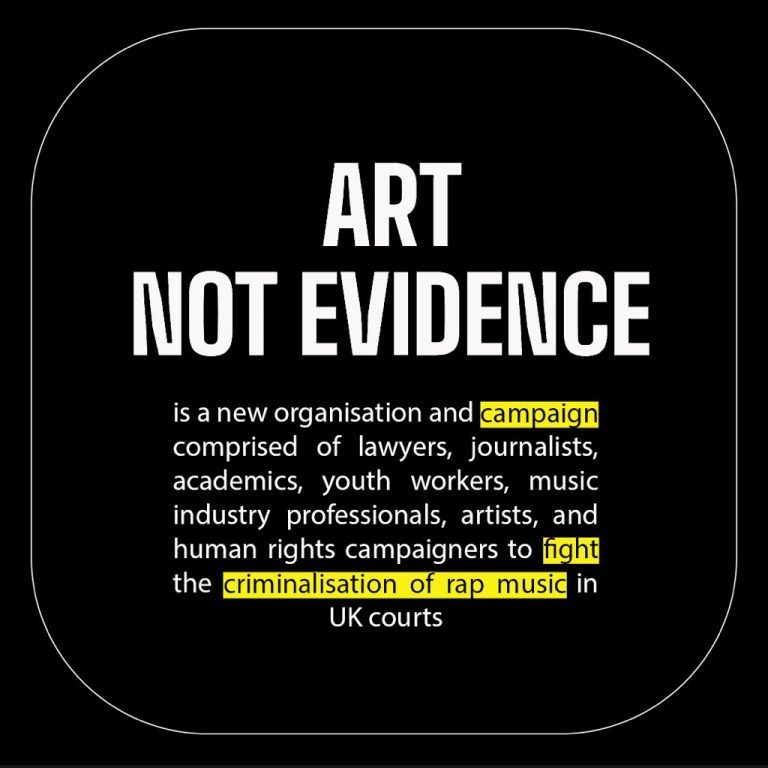


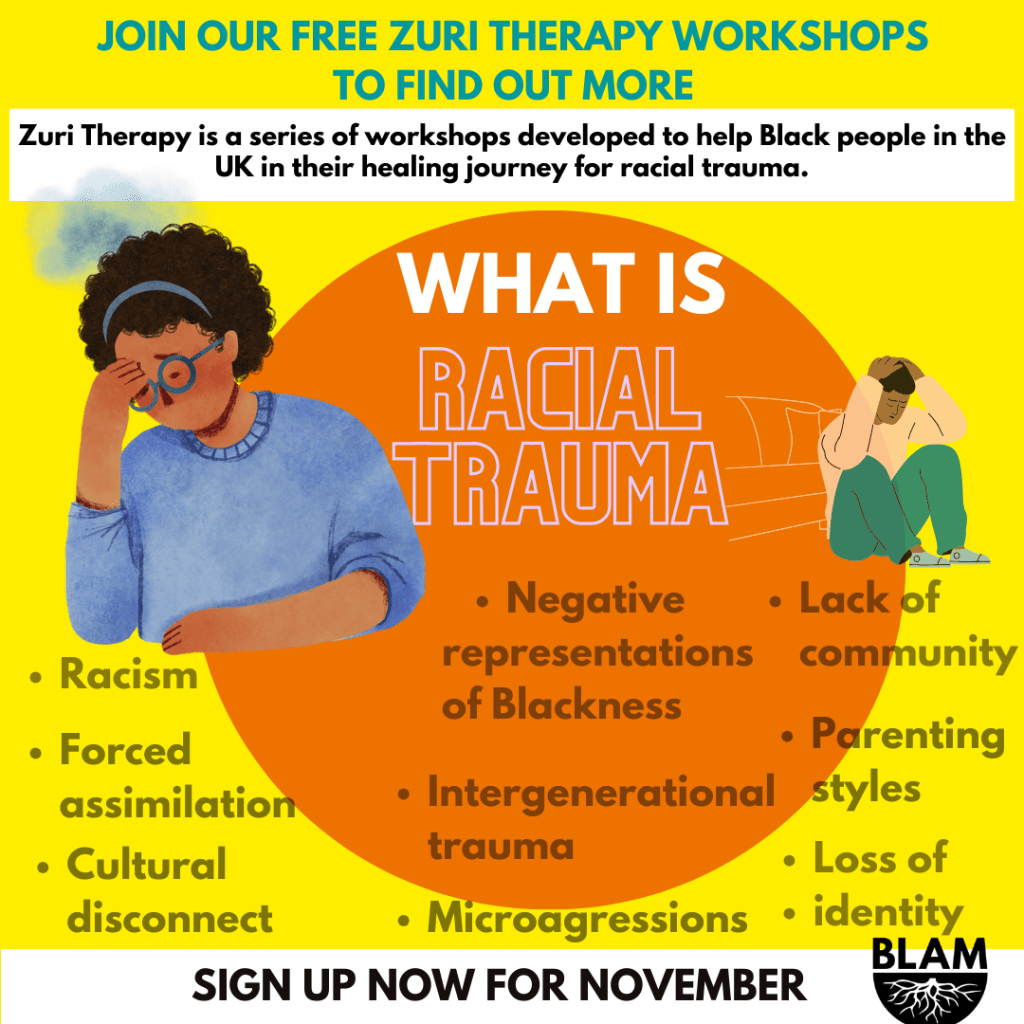
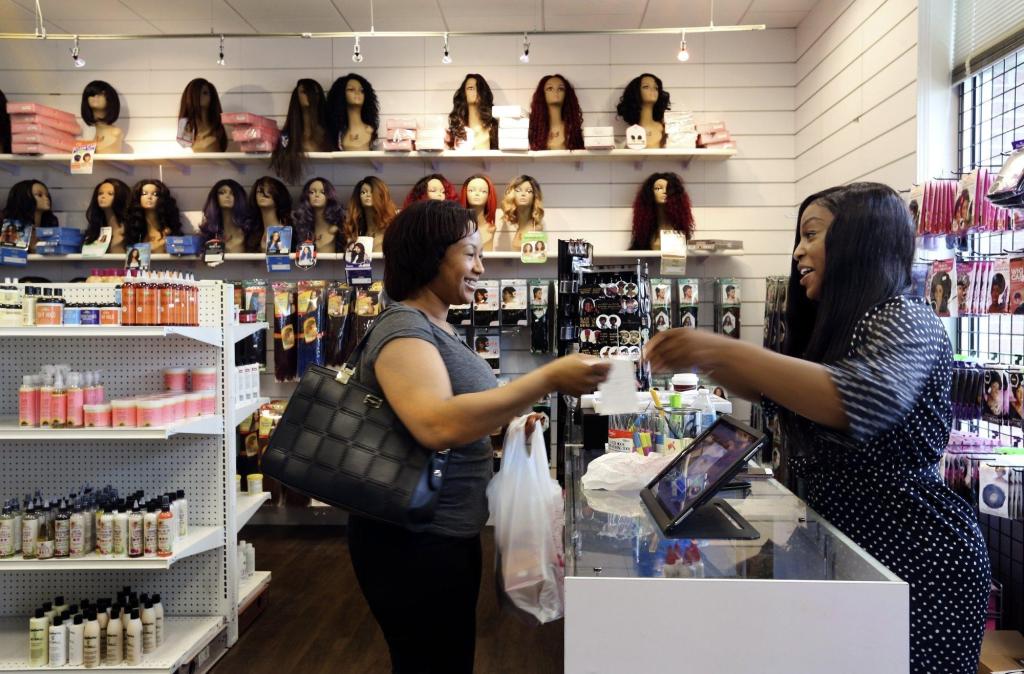
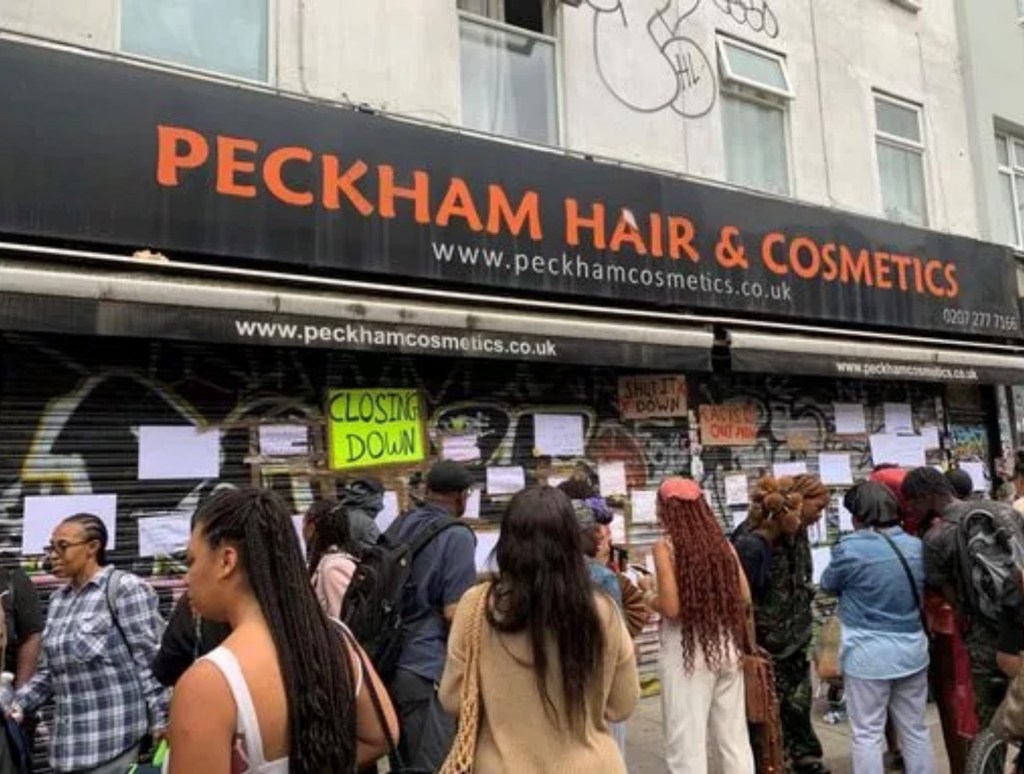
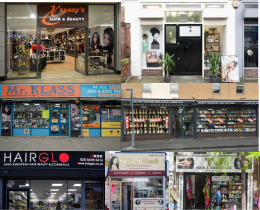
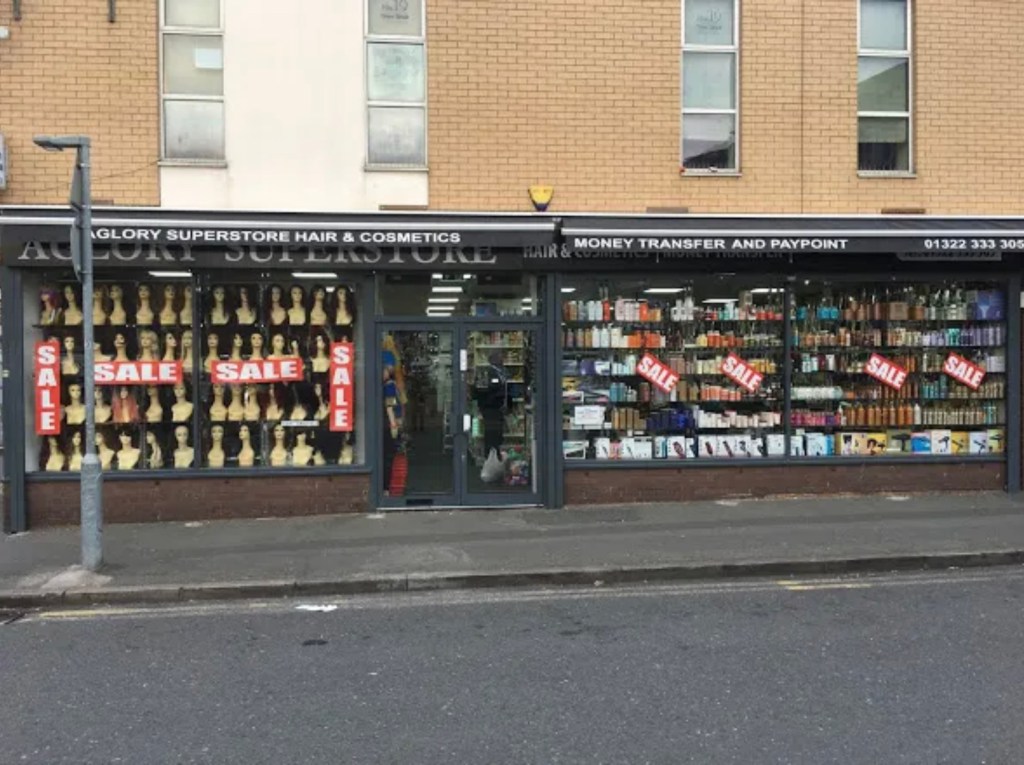

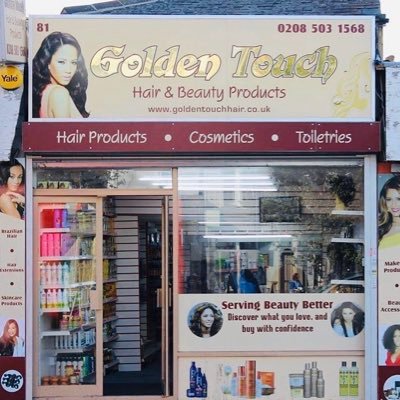
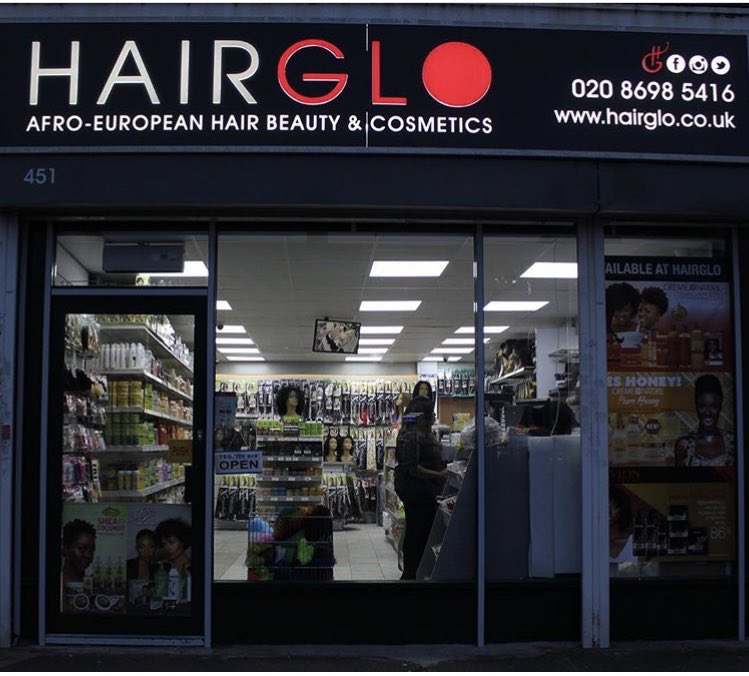

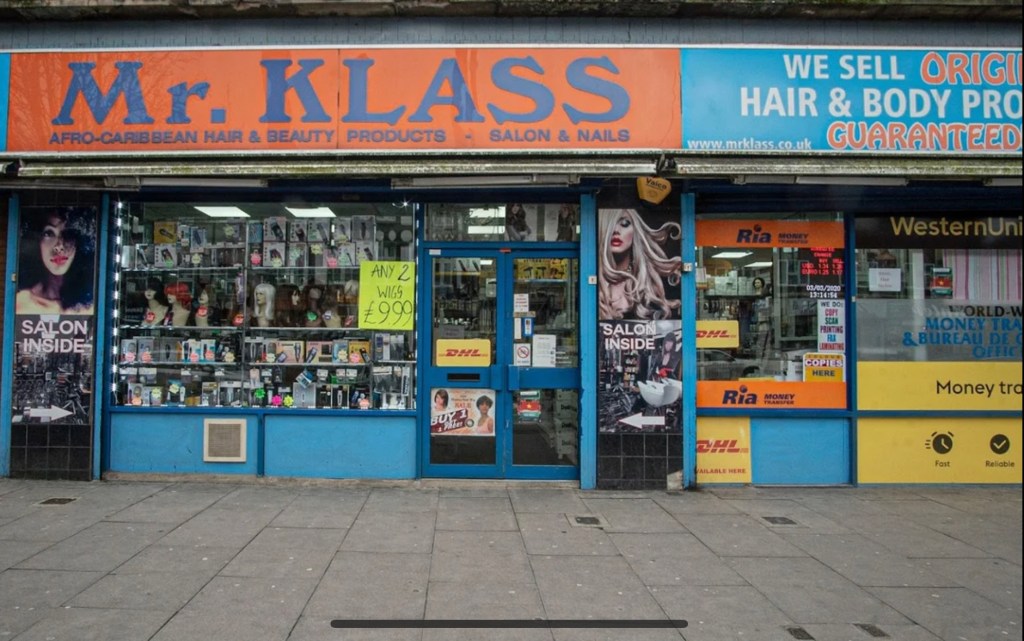

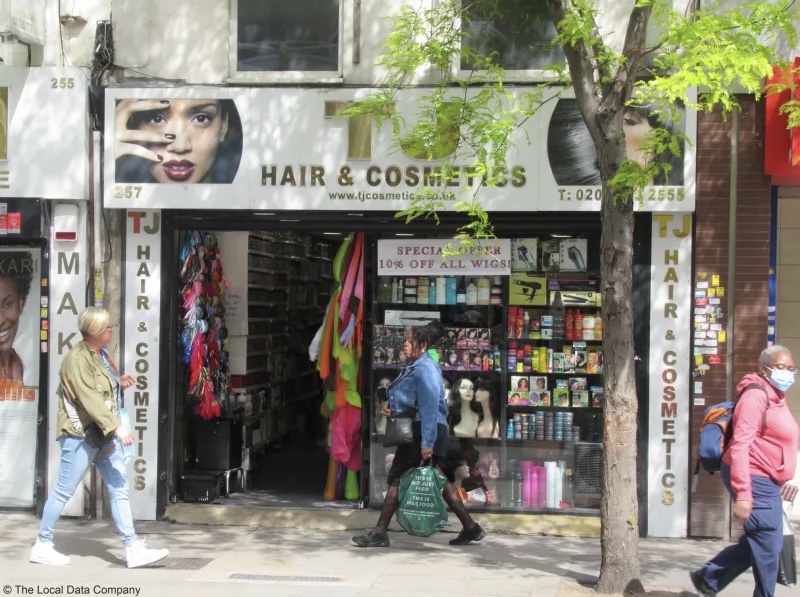

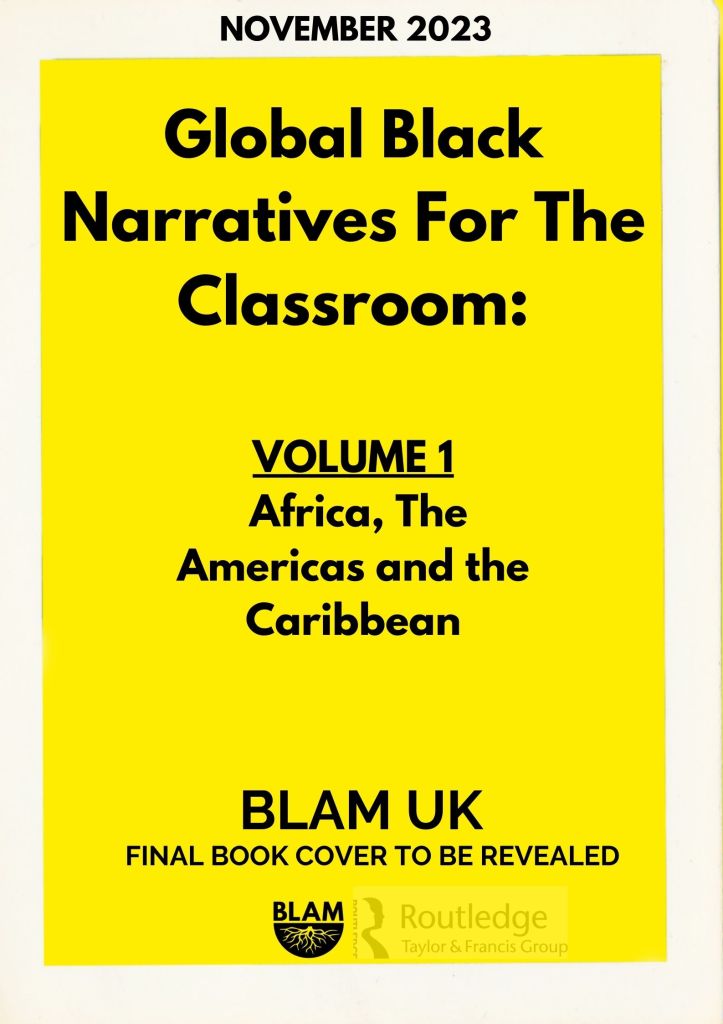

 BLAM UK CIC